
Canned scallops are the quiet luxury of the pantry shelf. Inside a small tin sits a handful of sweet, tender scallops, already cooked and ready to eat, with a delicate flavour that fresh scallops take a hot pan and perfect timing to deliver. This guide explains what canned scallops actually are, how the different styles compare, and the easy ways to serve them so they earn a permanent place in your cupboard. A tin costs little, keeps for months in the dark, and asks nothing of you except a plate and a little butter or lemon.
Key takeaways
- Canned scallops are cooked, ready-to-eat shellfish with a sweet, delicate flavour that works in both simple snacks and proper dinners.
- Sea scallops are large, meaty and impressive on the plate, while bay scallops are smaller, sweeter and better for pasta and rice.
- Scallops in oil are the richest and most versatile style, while scallops in water taste cleaner and lighter.
- Sear canned scallops for no more than a minute a side, or eat them straight from the tin — long heat makes them tough and shrunken.
- Serve them simply: butter, lemon, garlic and good bread are all a good tin of scallops needs.
What canned scallops actually are
A tin of canned scallops holds the meat of the scallop — the round, pale adductor muscle — removed from the shell, cooked and sealed in oil, water or a light brine. It is a different ingredient from fresh scallops entirely. A fresh scallop is a delicate thing that needs a ripping-hot pan and thirty seconds a side, while a canned scallop is already cooked, concentrated and ready, with a sweetness that is closer in spirit to a tin of crab than to a restaurant starter.
Bay scallops vs sea scallops
The size of scallop in the tin changes how you serve it. Sea scallops are the large ones, often the size of a bottle cap or bigger, with a thick, meaty bite. They are the right choice when the scallop is the star of the plate: seared quickly and served on their own, or laid over a salad or a piece of toast. A sea scallop holds its shape and its texture best, and it looks generous even in small numbers.
Bay scallops are much smaller, often no bigger than a thumbnail, and they are sweeter and more delicate than their larger cousins. They are the practical choice for cooking with: scattered through pasta, folded into rice, or tossed into a salad where their small size spreads the flavour through the whole dish. A tin of bay scallops goes further in cooking than the same weight of sea scallops, because the pieces distribute more evenly.
In oil vs in water vs in brine
The liquid in the tin is the biggest flavour decision you will make, and it is worth understanding before you buy. Scallops in oil, usually olive oil or sunflower oil, are the richest style. The oil carries the scallop flavour and softens it at the same time, giving a smooth, almost buttery result. They are the most versatile tin to keep on hand: good on toast, good in pasta, good in a salad, and good straight from the tin with bread to mop up the oil. The oil itself is worth keeping — it is flavoured now, and it makes a fine base for a dressing or a pasta sauce.
Scallops in water are the lightest style. Packed in plain water, they taste cleaner and more directly of the scallop, with a firmer bite and less richness. They are the best choice when you plan to add your own butter or dressing, because they do not bring extra oil to the dish, and they suit pasta and rice dishes where you want the scallop to stay bright rather than rich. Drain them well before using.
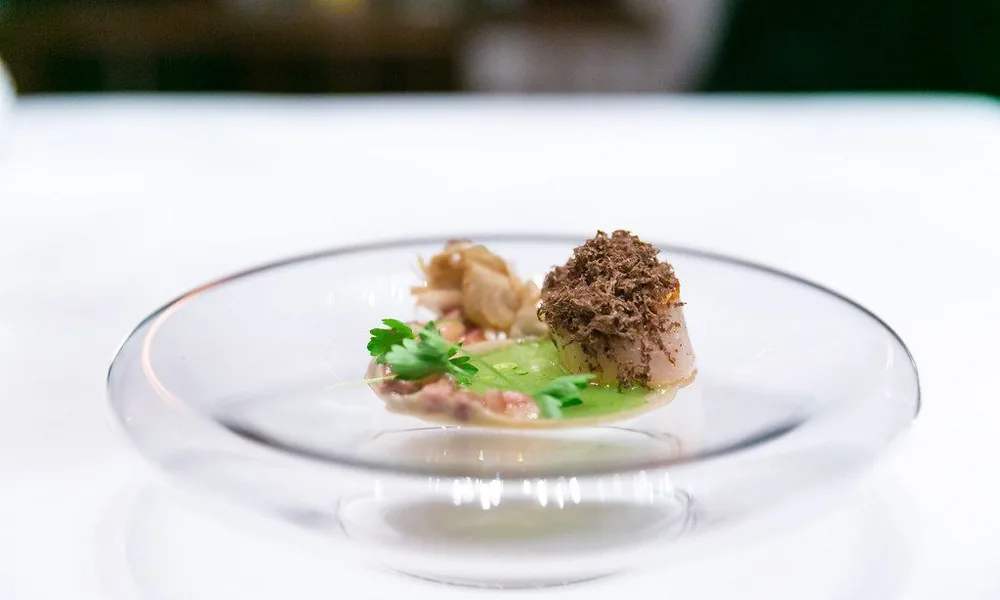
Canned scallops compared: which tin for which meal
| Style | Flavour | Texture | Best for |
|---|---|---|---|
| Sea scallops in oil | Rich, sweet, buttery | Plump, meaty, holds shape | Searing and serving on their own |
| Bay scallops in water | Clean, sweet, delicate | Soft, small, spreads well | Pasta, rice and salads |
| Sea scallops in brine | Sweet, gently salty | Firm, springy bite | Eating straight from the tin |
| Bay scallops in oil | Mellow, rounded | Tender, small pieces | Toast, canapés and sharing plates |
| Broken pieces in water | Mild, plain | Soft, varied sizes | Soups, chowders and sauces |
Easy ways to serve canned scallops
Canned scallops need very little doing to them, and the best servings are the simplest. The golden rule is to treat them as finished food: dress them, warm them gently if you like, and get them to the table quickly. Heat is the one thing that can spoil them. A brief sear in a hot pan, or a minute in warm butter, is plenty. Anything longer tightens the flesh and turns sweet scallops into something tough and shrunken.
Straight from the tin
The simplest way to eat canned scallops is also one of the best. Tip the tin onto a small plate, drizzle with a little of its own oil or a squeeze of lemon, and eat them with crusty bread. A pinch of flaky salt and a grind of black pepper is all the seasoning they need. It is a snack, a starter or a light lunch depending on how many you eat, and it takes less time than boiling a kettle.
Seared quickly in butter
A fast sear is the one cooking step that genuinely improves canned scallops. Drain the scallops and pat them dry — moisture is the enemy of a good sear. Heat a pan until it is properly hot, add a knob of butter, and sear the scallops for no more than a minute on each side, until the faces turn golden. That is all. The outside gains a rich, caramelised crust while the inside stays sweet and tender.
Serve them immediately, straight from the pan, with the foaming butter spooned over the top. A squeeze of lemon and a little chopped parsley finish the plate. Do not crowd the pan: cook in a single layer with space between the scallops, or they will steam instead of searing. And do not walk away — a minute a side is a short window, and the difference between golden and overdone is measured in seconds.
Through pasta
Bay scallops are a natural pasta ingredient. Stir them through a simple garlic and olive oil pasta at the very end, off the heat, so they warm through without cooking. The residual heat is enough, and the pasta takes on a gentle sweetness from the scallops.
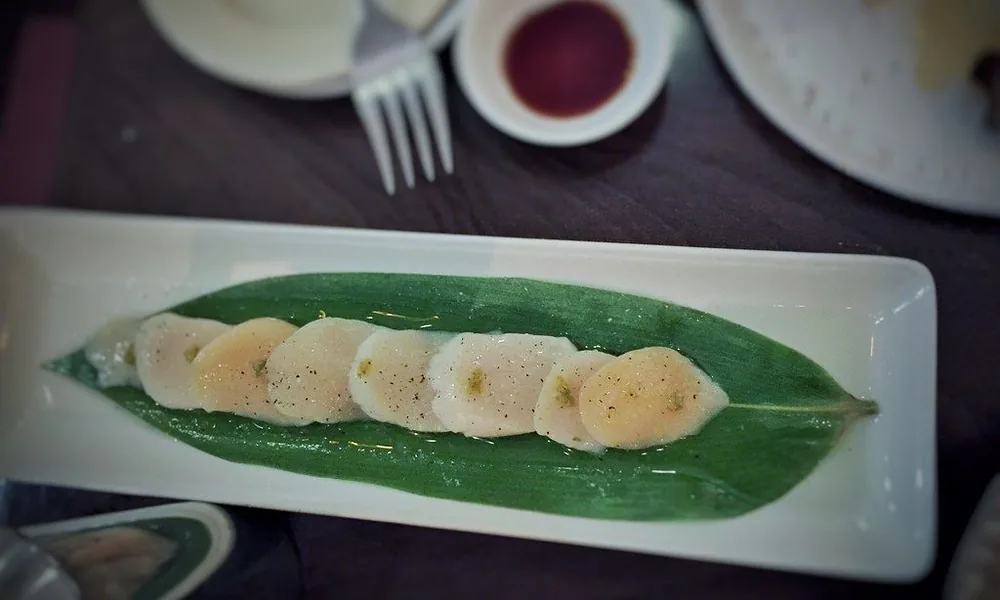
Buying, storing and using the tin
Buy canned scallops the way you would buy any tinned seafood: read the label, check the tin, and trust your nose once it is open. The ingredient list should be short — scallops, oil or water, salt, and nothing else of note. The tin should feel full and heavy for its size, with no dents, swelling or rust, and the date should give you months of shelf life.
Price is a reasonable guide here. Scallops are a premium tinned seafood, and the cheapest tins are cheap for a reason: broken pieces, more liquid, less flavour. A mid-priced tin is usually the sweet spot, and it is worth paying a little more for whole sea scallops in oil. Once you have a brand you like, stick with it; consistency between tins matters more than chasing the lowest price.
Store unopened tins in a cool cupboard, away from heat and light, and they will keep for a year or more. Once opened, move any leftover scallops to a covered container in the fridge, with a little of their oil or water to keep them moist, and use them within two days. Do not store them in the opened tin. And never freeze canned scallops after opening: freezing turns the tender flesh spongy, and there is no way back.
What canned scallops pair well with
Scallops are a sociable ingredient, and they sit happily alongside the other tinned seafoods on a sharing table. A seafood board built from tins is one of the easiest ways to feed a crowd: a tin of scallops, a tin of shrimp and a tin of mussels, with bread, lemon and a few herbs, is a complete spread with almost no cooking. Canned shrimp bring a sweeter, lighter note that contrasts nicely with the scallops, as covered in our guide to the top canned shrimp for fast, easy dinners. Canned mussels share the same briny depth and the same serve-it-cold simplicity, as explained in our guide to why canned mussels deserve a spot in your pantry. And canned crab, the closest cousin in sweetness, rounds out the board with its rich, delicate flavour, as described in our guide to why canned crab belongs in your pantry.

Checklist: buying canned scallops
- Start with one tin of sea scallops in oil and one tin of bay scallops in water to learn which style suits your table.
- Choose a short ingredient list: scallops, oil or water, salt, and nothing else of note.
- Pick sea scallops for a composed plate, and bay scallops for pasta, rice and salads.
- Check the date and avoid dented, swollen or rusty tins.
- Expect to pay a little more than for tuna or sardines — scallops are a premium tin, and the cheapest ones disappoint.
- Plan to use the tin the same day you open it, or within two days from the fridge.
Frequently asked questions
Are canned scallops already cooked?
Yes. Canned scallops are cooked during canning, so they are ready to eat straight from the tin. You can serve them cold, or sear them very briefly in a hot pan for a golden crust. Long cooking will make them tough, so treat them as finished food.
What is the difference between bay scallops and sea scallops?
Sea scallops are large, thick and meaty, and they are best when the scallop is the star of the plate. Bay scallops are much smaller, sweeter and more delicate, and they are better for pasta, rice and salads, where their small size spreads the flavour through the dish.
Should I drain canned scallops before using them?
Drain them, but think before you throw the liquid away. The oil from an oil-packed tin is flavoured and worth keeping for dressings or pasta. The water from a water-packed tin is milder and can simply be discarded.
How long do opened canned scallops last?
Move them to a covered container in the fridge, with a little of their oil or water, and use them within two days. Do not keep them in the opened tin, and do not freeze them after opening, as freezing spoils the texture.
Can I sear canned scallops like fresh ones?
Yes, but briefly. Pat them dry, use a properly hot pan with butter, and sear for no more than a minute a side. They are already cooked, so you are only adding a golden crust, not cooking them through. Any longer and they will tighten and turn rubbery.
Why are canned scallops more expensive than canned tuna?
Scallops are costlier to harvest and prepare, and each tin holds less meat relative to its size than a tin of tuna. The price reflects the work and the yield. A mid-priced tin of whole sea scallops is usually the best value.
Bottom line
Canned scallops belong in your pantry because they do something almost nothing else in the cupboard can do: they turn butter, lemon and pasta into a proper seafood meal in minutes, with a sweetness that tastes like far more effort than it took. Keep a tin of sea scallops in oil and a tin of bay scallops in water on the shelf, serve them simply, and add them at the very end of cooking. Start with a single tin, seared quickly in butter, and see how quickly the second tin follows it home.


