
Canned eel is the pantry tin most people walk straight past, and that is a shame, because inside is one of the richest, most satisfying fish you can keep on a shelf. The eel is already cooked, glazed or packed in sauce, with a deep savoury flavour and a soft, almost buttery texture that turns plain rice into a proper meal. This guide explains what canned eel actually is, how smoked, grilled and sauce-packed styles compare, and the easy ways to serve it — over rice, in sushi, or straight from the tin — so a weeknight supper tastes like something from a Japanese restaurant rather than a cupboard. A tin costs little, keeps for months, and asks for almost no cooking at all.
Key takeaways
- Canned eel is fully cooked, ready-to-eat eel with a rich, savoury flavour and a soft, buttery texture that suits rice, sushi and simple plates.
- Grilled eel in sweet sauce is the classic unagi style, smoky and glazed; smoked eel is drier and more savoury; eel in oil is the mildest and most versatile.
- Serve canned eel over warm rice for the classic meal, or roll it into sushi, or lay it on toast for a fast snack.
- Warm canned eel gently and briefly — long cooking makes it dry, stringy and dull, and the sauce can burn.
- Keep it simple: rice, soy, spring onion, sesame and a little pickled ginger are all a good tin of eel needs.
What canned eel actually is
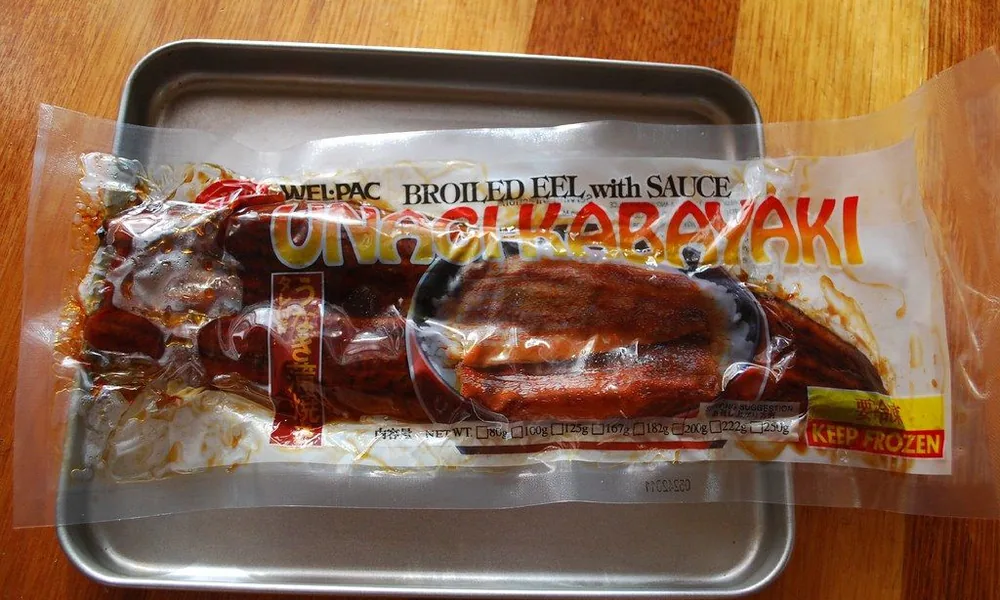
A tin of canned eel holds eel that has been cleaned, cooked and sealed in oil, a sweet soy-based sauce, a smoky marinade or its own juices. The eel used is usually freshwater eel, the same fish served as unagi in Japan, and it is prized for its high natural fat content, which gives it a richness that lean fish cannot match. That fat is what makes canned eel so satisfying: the flesh is soft and yielding, the flavour is deep and savoury, and a small amount goes a long way on a plate of rice.
Smoked vs grilled vs in sauce
The three main styles of canned eel taste quite different, and choosing between them is the most important decision you will make. Grilled eel in sauce is the classic unagi style. The eel is grilled before canning, which gives it a smoky edge, and then packed in a sweet soy glaze that soaks into the flesh. It is rich, glossy and deeply savoury, and it is the best choice for serving over rice, where the sauce becomes part of the dish. This is the tin to buy first if you are new to eel.
Smoked eel is the driest and most savoury of the three. The fish is smoked before canning, which firms the flesh and gives it a warm, woodsy flavour with very little sweetness. It is wonderful sliced thinly on rye bread or toast with butter, or flaked through a salad, and it pairs naturally with sharp flavours like pickled onion, mustard and lemon. If grilled eel in sauce is rich and sweet, smoked eel is lean and grown-up, and it is the best choice when you want the fish to taste of smoke rather than sauce.
Eel in oil is the mildest and most adaptable style. Packed in a light oil, sometimes with a little soy or mirin, it tastes cleanly of the eel itself, with a soft richness and no strong sweetness. It is the best tin to keep on hand for everyday use, because it works in almost any preparation: in sushi rolls, over rice, in a salad, or straight from the tin with bread. Drain it well before using, and keep the oil — it carries a gentle eel flavour and makes a good base for a dressing.
Canned eel compared: which tin for which meal
| Style | Flavour | Texture | Best for |
|---|---|---|---|
| Grilled eel in sweet sauce | Smoky, sweet, deeply savoury | Soft, glazed, buttery | The classic eel rice bowl |
| Smoked eel | Woodsy, dry, savoury | Firm, meaty, flaky | Toast, rye bread and salads |
| Eel in oil | Mild, clean, gently rich | Soft, tender, moist | Sushi rolls and everyday meals |
| Eel in soy and mirin | Sweet, salty, balanced | Soft, coated, spoonable | A ready-made topping for rice |
| Whole eel fillets | Full, rich, traditional | Long, soft, impressive | Sharing plates and special meals |
Easy ways to serve canned eel
Over rice: the classic eel bowl
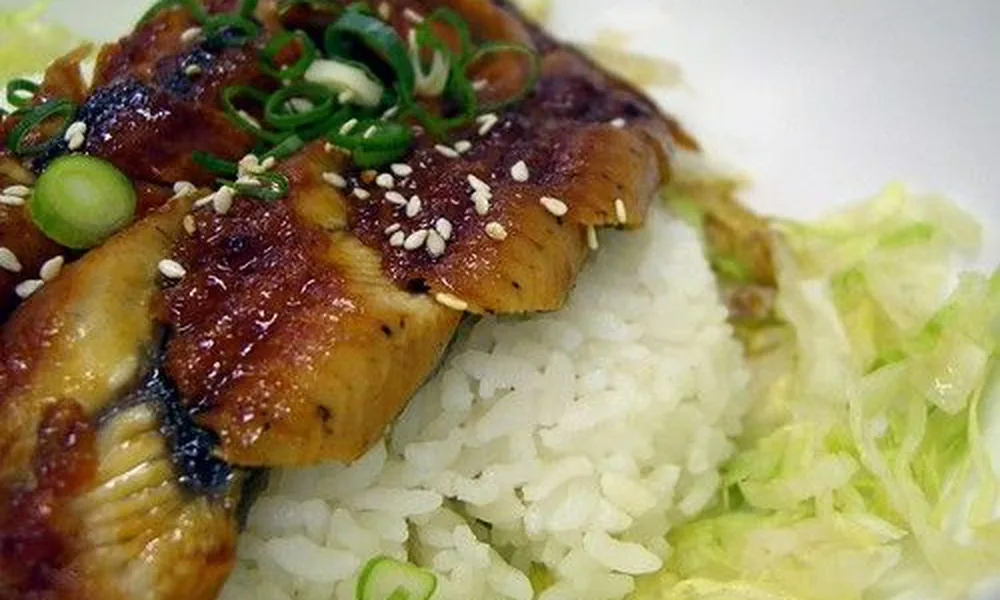
The most famous way to eat eel is also the easiest. Warm the eel very gently in its own sauce for a minute, spoon it over a bowl of hot steamed rice, and drizzle the sauce from the tin over the top. Add sliced spring onion, a sprinkle of sesame seeds and a little pickled ginger on the side, and the dish is complete. The hot rice softens the richness of the eel, the sauce seasons the rice, and the spring onion and ginger keep everything bright. It is a ten-minute supper that eats like a restaurant meal, and it is the reason most people come back to canned eel a second time.
In sushi and rice rolls
Canned eel is a natural sushi fish, because it is already cooked, seasoned and soft enough to roll. Lay a strip of eel along a sheet of nori with rice, cucumber and avocado, roll it firmly, and slice it into pieces for a simple eel roll. The avocado adds creaminess, the cucumber adds crunch, and the eel brings the deep savoury flavour that holds the roll together. A little wasabi and soy sauce on the side are all the accompaniment it needs.
On toast
Toast is the fastest route from tin to table. Grill thick slices of bread, butter them lightly, and lay slices of smoked or oil-packed eel across the top with a squeeze of lemon and a few chives. The warm toast, the rich fish and the sharp lemon balance each other beautifully, and the whole thing takes less time than boiling a kettle. It is a snack, a starter or a light supper depending on how many slices you make.
Buying, storing and using the tin
Buy canned eel the way you would buy any tinned fish: read the label, check the tin, and trust your nose once it is open. The ingredient list should be short — eel, soy sauce or oil, sugar or mirin in glazed styles, salt, and any smoke flavouring. Long lists of flavourings and preservatives usually mean a lower-quality product. The tin should feel full and heavy for its size, with no dents, swelling or rust, and the date should give you months of shelf life.
Store unopened tins in a cool cupboard, away from heat and light, and they will keep for a year or more. Once opened, move any leftover eel to a covered container in the fridge, with a little of its sauce or oil to keep it moist, and use it within two days. Do not store it in the opened tin, and never freeze canned eel after opening: freezing turns the soft flesh spongy, and there is no way back. Warm opened eel gently, never boil it, and never leave the sauce to scorch in the pan.
What canned eel pairs well with
Eel is a sociable ingredient, and it sits happily alongside the other tinned seafoods on a sharing table. A seafood board built from tins is one of the easiest ways to feed a crowd: a tin of eel, a tin of octopus and a tin of shrimp, with rice, bread, pickles and soy sauce, is a complete spread with almost no cooking. Canned octopus is the closest companion, sharing the same rich depth and the same serve-it-simply character, as explained in our guide to top canned octopus for tapas nights at home. Canned shrimp bring a sweeter, lighter note that contrasts nicely with the richness of the eel, as covered in our guide to the top canned shrimp for fast, easy dinners. And canned scallops, delicate and buttery, round out the board with a gentler flavour, as described in our guide to why canned scallops belong in your pantry.

Checklist: buying canned eel
- Start with one tin of grilled eel in sweet sauce and one tin of smoked eel to learn which style suits your table.
- Choose a short ingredient list: eel, soy sauce or oil, sugar or mirin in glazed styles, salt, and smoke flavouring only.
- Pick whole fillets for rice bowls and sharing plates, and smaller cuts for sushi rolls and salads.
- Check the date and avoid dented, swollen or rusty tins.
- Expect to pay a little more than for tuna or sardines — eel is a premium tin, and the cheapest ones disappoint.
- Plan to use the tin the same day you open it, or within two days from the fridge.
Frequently asked questions
Is canned eel already cooked?
Yes. Canned eel is cooked during canning, so it is ready to eat straight from the tin. You can serve it cold, or warm it very gently in its own sauce for a minute. Long cooking will make it dry and stringy, so treat it as finished food and warm it only briefly.
What is the difference between unagi and anago?
Unagi is freshwater eel, the rich, fatty eel served glazed over rice in the classic eel bowl. Anago is saltwater eel, also called conger eel, which is leaner, paler and more delicate, and is often served as sushi. Most canned eel is unagi-style freshwater eel in a sweet sauce, but the label should say which it is. If you want the classic rich eel bowl, look for unagi.
Is canned eel safe to eat?
Yes, canned eel is safe to eat. The canning process cooks the eel thoroughly, and the fish is cleaned and prepared before canning. As with any tinned fish, check the tin for dents, swelling or rust before opening, and do not eat it if it smells off once opened. Eel is a rich, fatty fish, so a small portion goes a long way.
How long does opened canned eel last?
Move it to a covered container in the fridge, with a little of its sauce or oil, and use it within two days. Do not keep it in the opened tin, and do not freeze it after opening, as freezing spoils the soft texture. The sauce from the tin helps keep it moist, so keep the eel in the sauce rather than draining it dry.
Can I cook canned eel in a sauce?
You can, but only very briefly. Add it at the very end of cooking, off the heat, and let the residual warmth do the work. Simmering canned eel in a sauce for more than a minute or two will dry out the flesh and can burn the sweet glaze. The sauce from the tin is already the right sauce — just warm it with the eel.
Why is canned eel more expensive than canned tuna?
Eel is costlier to farm or catch, clean and prepare, and each tin holds less meat relative to its size than a tin of tuna. The price reflects the work and the yield, and the richness of the fish. A mid-priced tin from a Japanese or Korean producer is usually the best value, and a little eel goes a long way over rice.
Bottom line
Canned eel earns its place in the cupboard because it turns plain rice into a proper meal in minutes. Keep a tin of grilled eel in sauce and a tin of smoked eel on the shelf, serve them simply, and start with a single eel rice bowl.


