A chandelier does more than light a dining table: it sets the mood for every meal. The right one makes an ordinary Tuesday dinner feel like an occasion, while the wrong one leaves the table in shadow.
Chandeliers come in more styles than the crystal showpieces most people picture, from slim modern rings to rustic candle-style frames and sculptural glass. This guide covers the types that work best over a dining table in 2026, how to size one, and how to hang it.
Key Takeaways
- Size it to the table, not the room: about half to two-thirds of the table’s width.
- Hang it 75 to 90 centimetres above the tabletop, so it lights the food without blocking the view.
- Choose the style for the room: crystal for formal rooms, modern rings for open-plan spaces, candle-style for rustic rooms.
- Check the weight and ceiling fixing first: a heavy chandelier needs a joist or a rated hook.
- Use warm, dimmable bulbs: full brightness feels like an office, while a dimmed chandelier feels like dinner.
How We Judged Chandeliers
A good chandelier earns its place by lighting the table well and looking right in the room. First, light: does it spread evenly across the table without glaring or leaving the ends in shadow? Second, scale: does it suit the table and the ceiling height? We also weighed build quality, cleaning, dimming, and whether it suits the dining room.
The Main Types of Chandelier
The right type depends on the room size, the table style, and how formal the dining room is.
Crystal chandeliers
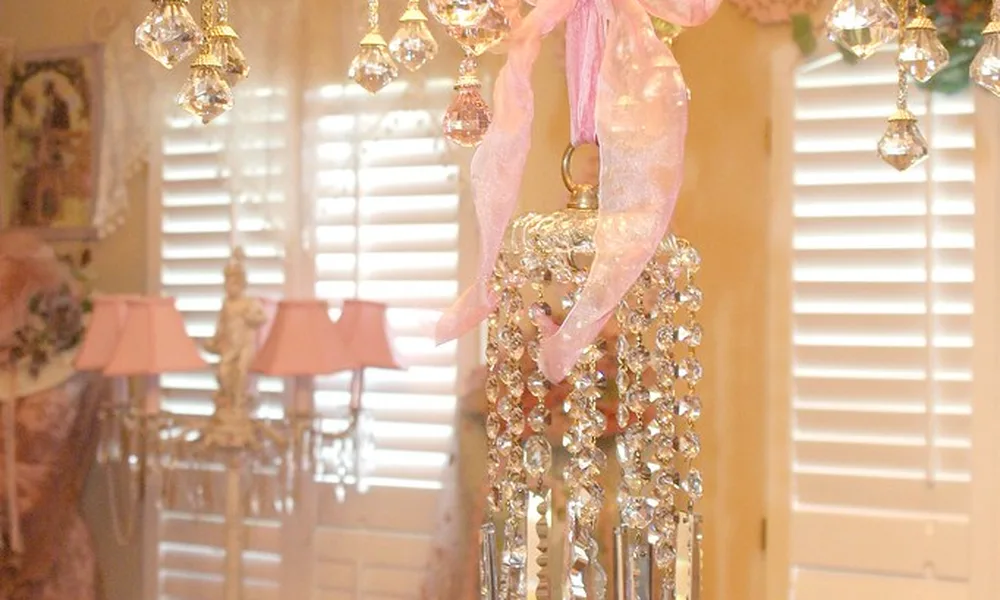
Crystal chandeliers are the classic image: tiers of glass drops that catch the light and scatter it around the room. They suit formal dining rooms with a large table and high ceilings. The trade-off is cleaning: every crystal needs wiping, and a large one can take an hour. Choose real glass over plastic drops, which yellow and scratch and never sparkle the same way.
Modern ring and linear chandeliers
Modern chandeliers are often a single ring, a bar, or a row of slim rods, and they suit open-plan dining areas and rectangular tables better than any traditional design. A linear chandelier follows the length of the table, lighting the whole surface evenly, while a ring suits a round table. They use built-in LED strips, so there are no bulbs to change, but a failed strip cannot be swapped, so buy from a maker with a proper warranty.
Candle-style chandeliers
Candle-style chandeliers copy old candlelit fittings, with arms holding small candle-shaped bulbs. They suit traditional and rustic dining rooms over a wooden table with linen and crockery. They give a warm, flickering feel on a dimmer, but throw less light than crystal or modern designs, so they need help from wall lights in a large room.
Glass and Murano-style chandeliers
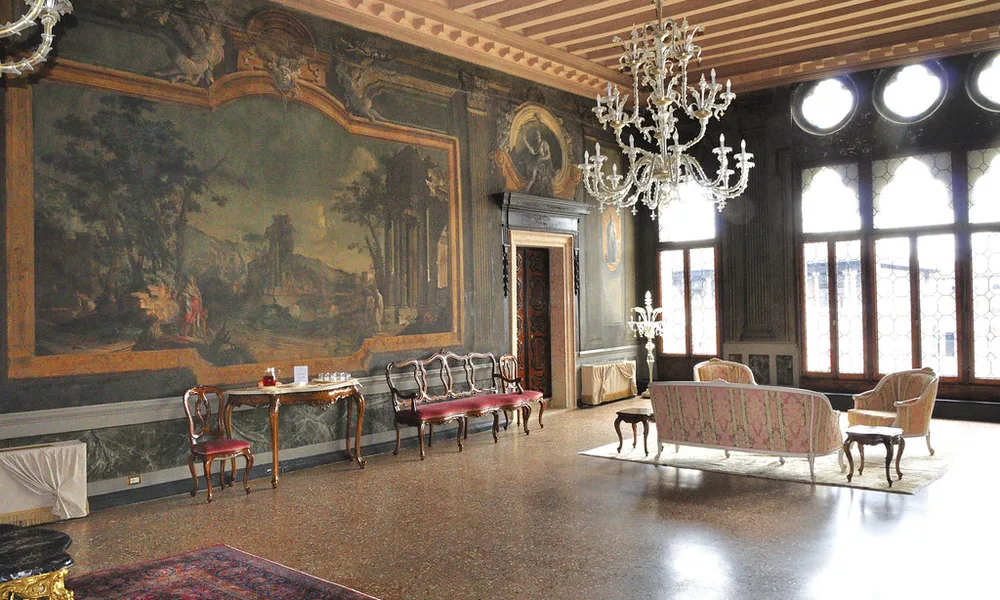
Glass chandeliers use coloured or textured glass shades, arms, or drops, and Venetian-style designs are the most famous. They suit rooms where you want colour as well as light: soft amber warms a pale dining room, while clear glass keeps a small room bright. Glass is heavier than it looks, so check the weight and the ceiling fixing, and handle the shades with care when cleaning.
Drum and shade chandeliers
Drum chandeliers hide the bulbs inside a fabric or metal drum shade, which softens the light and suits relaxed dining rooms. They are the easiest to live with: the shade hides dust and the light rarely glares. The trade-off is drama: a drum chandelier will never be the star of the room, so it suits homes where the table and the food are the focus.
Rustic and industrial chandeliers
Rustic chandeliers use wood, rope, wrought iron, or aged metal, and they suit farmhouse and industrial dining rooms with exposed beams or brick walls. A wagon-wheel design or blackened steel frame looks right over a long wooden table, and it is usually the sturdiest type. They throw a warm, uneven light, so pair them with a dimmer and keep the bulbs warm white.
Chandeliers Compared
| Type | Light | Cleaning | Best room | Best for |
|---|---|---|---|---|
| Crystal | Bright, sparkling | Wipe each drop | Formal dining room | Occasions, drama |
| Modern ring or linear | Even, bright | Wipe the frame | Open-plan dining | Rectangular tables |
| Candle-style | Warm, soft | Dust the arms | Traditional rooms | Warmth, atmosphere |
| Glass or Murano-style | Warm, coloured | Clean shades gently | Rooms needing colour | Colour and character |
| Drum or shade | Soft, diffused | Vacuum the shade | Relaxed dining rooms | Easy living, no glare |
| Rustic or industrial | Warm, uneven | Wipe metal and wood | Farmhouse rooms | Long wooden tables |
Getting the Size Right
Size is where most chandeliers go wrong, and it is the easiest thing to fix before you spend anything. The rule that works in almost every dining room is the half-to-two-thirds rule: the chandelier should span about half to two-thirds of the table’s width. Above a 180-centimetre table, that means about 90 to 120 centimetres wide.
For a round table, apply the same rule to the diameter: too small looks lost, while too large crowds the room and hangs over the chairs. Before you buy, cut the shape out of cardboard and hold it over the table. It looks silly, and it saves you from an expensive mistake.
Hanging Height and Position
The chandelier should hang 75 to 90 centimetres above the tabletop: low enough to light the food, high enough to see across the table. Hang it lower and you will duck around it when you serve; hang it higher and the light spreads too wide and the table feels cold. With a very high ceiling, add 8 centimetres of drop for every 30 above 240, so the fitting still feels connected to the table.
Centre the chandelier over the table, not over the room. In many dining rooms the table does not sit in the middle, and a chandelier centred on the room will hang over the edge of the table. If the ceiling rose is in the wrong place, a chain or swag hook can move it sideways, but keep the drop straight: a chandelier at an angle looks wrong and strains the fitting.
Choosing Bulbs and Brightness
A chandelier is only as good as its bulbs. Warm white light, around 2700K, suits dining rooms best: it makes food look appetising, while cool white feels like a kitchen. Dimmable bulbs are worth the extra cost, because full brightness is too harsh for dinner, while a dimmed chandelier feels like candlelight.
Brightness is a matter of adding up the lumens. A dining room needs roughly 300 to 400 lumens per square metre, so a 12-square-metre room needs about 4,000 in total, shared with wall lights. Our guide to the best LED bulbs of 2026 explains lumens, colour temperature, and dimming in detail, and if you want lights that follow a schedule, our picks for the best smart bulbs of 2026 cover bulbs that dim and warm from your phone.
Weight, Wiring, and Safety
A chandelier is heavier than it looks, and the ceiling fixing is the part you must get right. A small modern fitting may weigh 5 kilograms, while a large crystal one can weigh 30 or more. A standard ceiling rose will not hold that: you need a fixing into a ceiling joist or a rated hook, and if you are unsure where the joists are, hire an electrician.
Wiring is straightforward for a like-for-like swap, but a new chandelier in a room with no ceiling light needs a new circuit, and that is a job for a qualified electrician. Never hang one from a chain too long for the room, and never let the fitting rest on the table while you wire it. If it moves when you touch it, the fixing is wrong, and it needs attention before anyone sits underneath it.
Keeping a Chandelier Clean
A dusty chandelier is a dim chandelier, and crystal shows dust faster than any other fitting. Wipe the drops monthly, and give the whole fitting a proper clean twice a year: switch it off, let the bulbs cool, and wipe each piece with a damp cloth. Never spray cleaner directly onto it, because it runs into the sockets and the wiring.
For a quick clean, a feather duster reaches most drops without taking the fitting apart. For a deep clean, take the drops off a few at a time and wash them in warm soapy water, drying them before you put them back. It is slow work, which is why many people choose a modern ring or a drum shade instead. A fan keeps the air moving and the dust down, and our guide to the best ceiling fans of 2026 covers the quiet models that suit a dining room without chilling the table.

Mistakes That Make a Chandelier Look Wrong
The most common mistake is buying too small. A tiny chandelier above a long table looks like a lost pendant light, and no dimming will fix it. The second is hanging it too high: a chandelier near the ceiling is just a light, while one at the right height becomes part of the table. The third is the wrong bulbs: cool white or non-dimmable bulbs turn a dining room into a waiting room. Finally, do not forget the rest of the room: a grand crystal fitting in a plain modern room looks out of place, just as a slim modern ring looks lost in a formal one.
Checklist: Choosing Your Chandelier
- Measure the table and choose a chandelier spanning half to two-thirds of its width.
- Plan the height: 75 to 90 centimetres above the tabletop, centred over the table, not the room.
- Check the weight and make sure the ceiling fixing goes into a joist or a rated hook.
- Choose the style for the room: crystal for formal, modern rings for open-plan, candle-style for rustic.
- Buy warm white, dimmable bulbs, and add up the lumens to suit the size of the room.
- Think about cleaning before you buy, because a chandelier you will not clean is a chandelier that will go dim.
Frequently Asked Questions
How big should a chandelier be over a dining table?
About half to two-thirds of the table’s width. Above a 180-centimetre table, aim for 90 to 120 centimetres wide, and use the same rule for a round table’s diameter.
How low should a chandelier hang over a dining table?
Between 75 and 90 centimetres above the tabletop. That lights the food without blocking the view, and with very high ceilings, add 8 centimetres of drop for every 30 above 240.
Can I hang a chandelier myself?
A like-for-like swap on an existing ceiling rose is a job many people do themselves, but a heavy chandelier needs a fixing into a joist, and a new circuit needs a qualified electrician.
What bulbs should I use in a chandelier?
Warm white bulbs around 2700K, and dimmable ones if the fitting allows it. Warm light makes food and skin look good, and dimming sets the mood from a bright family meal to a quiet dinner.
How do I clean a crystal chandelier?
Switch it off, let the bulbs cool, and wipe each drop with a soft damp cloth, or wash the drops a few at a time in warm soapy water. Never spray cleaner onto the fitting: it can run into the sockets.
Can a chandelier work in a small dining room?
Yes, if you size it to the table rather than the room. A small drum shade or a slim modern ring suits a small dining room better than a large crystal fitting, and warm dimmable bulbs keep the light gentle.
The Bottom Line
The best chandelier for your dining room in 2026 fits the table, hangs at the right height, and suits the room: a crystal showpiece for formal dinners, a modern ring for open-plan living, or a warm candle-style fitting for a rustic table. Measure first, check the fixing, and choose warm, dimmable light.