
Chocolate Mousse That Stays Light, Dark and Silky in 2026
Chocolate mousse that stays light, dark and silky in 2026 is still one of the best desserts a home cook can make, because it needs only a few ingredients and no oven. Bad mousse is heavy, grainy or rubbery, and it is usually the result of chocolate that was too hot, eggs that were folded too hard, or cream that was whipped too far. This guide ranks the best kinds by texture, flavour and ease, so you can choose the version that suits your table.
Key takeaways
- The best chocolate mousse is light enough to hold air, dark enough to taste of chocolate, and silky rather than grainy or stiff.
- Dark chocolate with around 70 percent cocoa gives the deepest flavour without needing much added sugar.
- Fold gently and slowly: the air you keep in the eggs and cream is what makes mousse a mousse.
- Chill the mousse for at least four hours, and overnight if you can, because the flavour and texture both improve.
- A little salt and a spoonful of cream or berries on top are all the decoration good mousse needs.
How the best chocolate mousse was chosen
Every kind of chocolate mousse below was judged on five measures. Texture comes first: the mousse should be airy and smooth, holding a soft peak on the spoon without being stiff or foamy. Flavour is second, judged on how clearly the chocolate comes through and how well the sweetness is balanced against it. Ease is third, because a mousse that needs a thermometer and perfect timing is a different evening from one that forgives a wobble. Versatility is fourth: can it be served in glasses, moulded onto plates, or eaten from the bowl? Keeping quality is fifth, because mousse is usually made ahead, and the best versions hold for two days in the fridge without weeping or collapsing. The same patience that makes a good mousse makes other slow desserts work too, and our guide to tiramisu that gets the coffee balance right makes the same point about letting a dessert find its balance instead of forcing it.
One note before the list. This guide is about chocolate mousse only: chocolate lightened with eggs, cream or both, and served chilled. It is not about chocolate cake, chocolate pudding or chocolate pots de creme, and none of the versions below drift into those desserts. The seven kinds below cover the full range, from the classic dark mousse to the dairy-free version and the honest shop-bought pot.
Comparison table: chocolate mousse in 2026
| Rank | Chocolate mousse type | Best for | Watch out for |
|---|---|---|---|
| 1 | Classic dark chocolate mousse | Deep flavour and light texture | Needs gentle folding |
| 2 | Mousse served in glasses | Easy serving and a pretty table | Shows every flaw |
| 3 | Moulded plated mousse | Dinner parties and neat presentation | Needs setting time and a steady hand |
| 4 | Milk chocolate mousse | Softer, sweeter, crowd-pleasing | Can taste too sweet |
| 5 | White chocolate mousse | Light, creamy and pale | Very sweet and easy to split |
| 6 | Dairy-free tofu chocolate mousse | No dairy and no eggs | Needs good chocolate to shine |
| 7 | Shop-bought mousse pots | Zero effort on a busy night | Often too sweet and too airy |
Chocolate mousse, ranked
1. Classic dark chocolate mousse: the one to beat
The classic dark chocolate mousse is the best version because it does the least and tastes the most. Dark chocolate is melted gently, egg yolks are stirred in, egg whites are whipped to soft peaks and folded through, and the whole thing is chilled until set. There is no cream in the strictest version, and no gelatine, and the lightness comes entirely from the air in the whites. The flavour is deep and slightly bitter, the texture is silky, and a pinch of salt sharpens the chocolate without making the mousse taste salty. Fold by cutting through the middle, lifting from the bottom and turning the bowl, stopping when the white streaks disappear: over-fold and it goes flat, under-fold and it sets in streaks.
2. Mousse served in glasses: the easiest good-looking version
Mousse served in glasses is the best version for most home cooks, because it looks impressive and asks for nothing extra. The mousse is spooned or piped into wine glasses, small tumblers or coupe glasses, chilled, and finished with a spoonful of softly whipped cream, a few chocolate shavings or a mint leaf. The glass shows off the mousse itself, which is the point, and there is no turning out, no moulding and no risk of a collapse on the plate. The glass shows every flaw, so make it the day before and chill it properly.

3. Moulded plated mousse: the dinner-party version
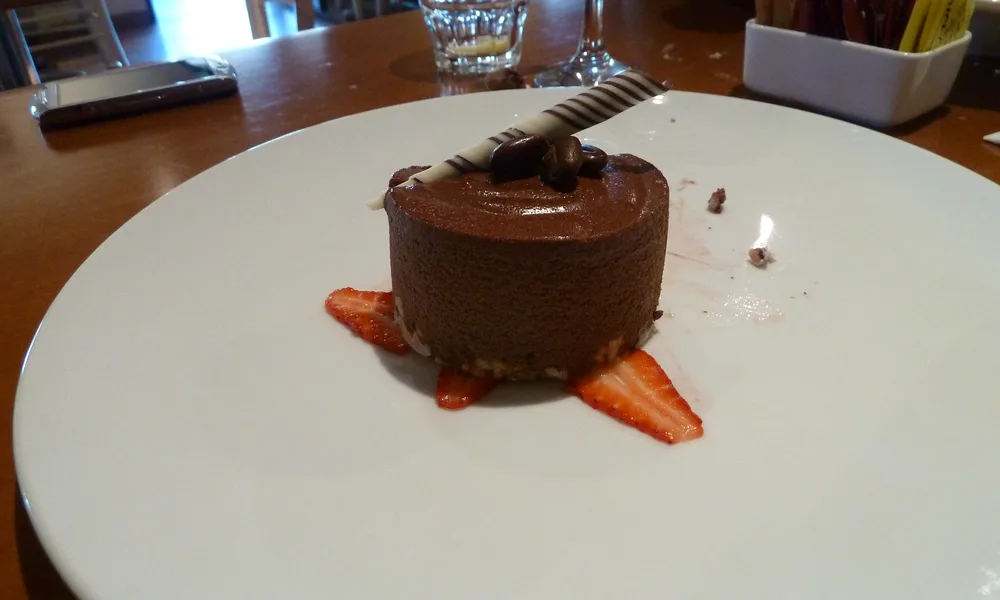
Moulded plated mousse is the best version when the presentation matters as much as the pudding. The mousse is set in small moulds or rings, turned out onto plates, and served with berries, a berry sauce and a dusting of cocoa, like a restaurant dessert. It needs a firmer set than the glass version, so a little gelatine or a higher proportion of chocolate is usual, and turning out needs a steady hand: dip the mould briefly in warm water and invert it in one confident move. The right dish matters here too, and our guide to the best ramekins for baking and serving covers the small dishes that suit individual mousses and other set desserts.
4. Milk chocolate mousse: softer and sweeter
Milk chocolate mousse is the best version for people who find dark chocolate too bitter. Milk chocolate brings its own sweetness and creaminess, so the mousse is softer, paler and more crowd-pleasing, and it is the version children usually ask for first. It sets less firmly than dark chocolate mousse, because milk chocolate has less cocoa butter structure, so it suits glasses better than moulds, and it benefits from a spoonful of cream folded in at the end for body. The risk is that it tastes too sweet, especially if the chocolate is already very sweet, so use a milk chocolate with a decent cocoa content, add a pinch of salt, and serve it with sharp raspberries or a little coffee.
5. White chocolate mousse: light, creamy and pale
White chocolate mousse is the best version when you want something pale and creamy rather than dark and intense. It is made in the same way as the classic, but the white chocolate gives it a sweet, milky flavour and a very light colour that looks good with berries or passion fruit. It is also the trickiest version on this list: white chocolate splits easily when it gets too hot, and it sets very softly, so it needs careful melting over barely simmering water and a good chill before serving. A little lemon zest or a spoonful of passion fruit pulp on top is the best finish, because the acidity cuts through the sweetness.
6. Dairy-free tofu chocolate mousse: the surprise
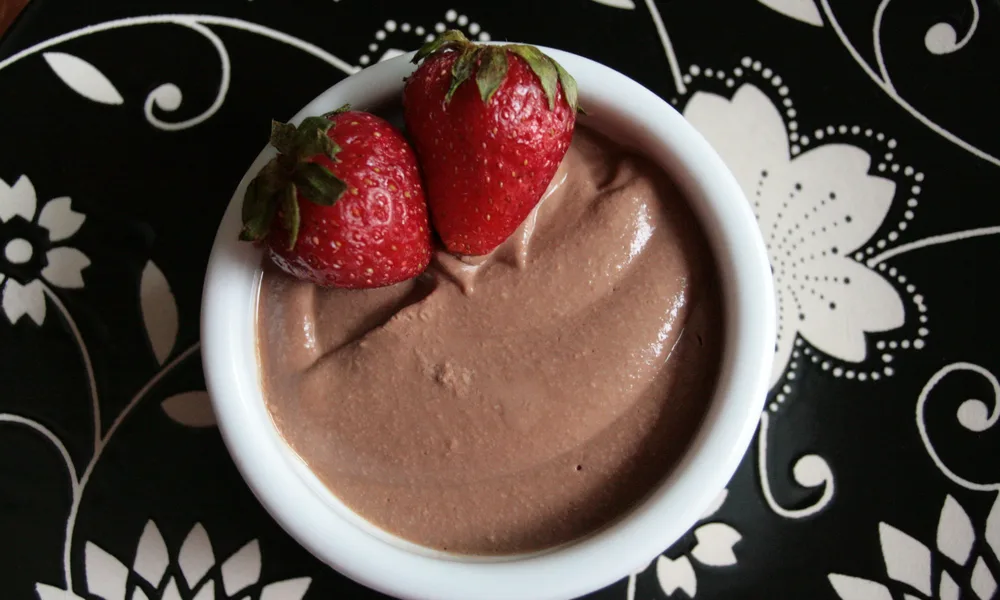
Dairy-free tofu chocolate mousse is the best version for anyone who cannot eat dairy or eggs, and it is better than most people expect. Silken tofu is blended with melted dark chocolate, a little maple syrup and a pinch of salt until completely smooth, then chilled until set. The tofu disappears into the chocolate: there is no beany taste if the chocolate is good, and the texture is thick, smooth and spoonable rather than airy. The key is the chocolate: use the best dark chocolate you can, because there is nothing else to hide behind. Serve it with strawberries, which suit its smooth, dense texture.
7. Shop-bought mousse pots: the honest shortcut
Shop-bought mousse pots are the best version when there is no time to make mousse, and the better ones are genuinely good. A good pot is dark, smooth and not too sweet, with a short ingredients list and a texture that holds on the spoon. The weaker ones are the problem: too airy, too sweet, with a flavour that tastes of sugar rather than chocolate, and a texture closer to chocolate-flavoured foam. Choose a pot made with dark chocolate and cream, keep it chilled, and finish it with raspberries or cocoa.
What to avoid with chocolate mousse
The most common chocolate mousse mistake is heat. Chocolate that is melted too hot seizes when it meets the eggs, and eggs added to hot chocolate scramble. Melt the chocolate gently, let it cool until it is warm rather than hot, and only then fold in the yolks. The second mistake is over-whipping the cream or the whites: cream whipped to stiff peaks turns grainy when folded, and whites whipped too far turn dry and will not blend. Whip both to soft peaks, and no further. The third mistake is rough folding, which knocks the air out and leaves a dense, heavy mousse. Fold slowly, with a large metal spoon, and stop as soon as the mixture looks even. The same gentle hand matters in other delicate desserts, as our guide to a guide to buying the best profiteroles shows.
Checklist: making chocolate mousse that stays light
- Use dark chocolate with around 70 percent cocoa for the deepest flavour without too much sugar.
- Melt the chocolate gently and let it cool until warm, never hot, before adding eggs.
- Whip egg whites and cream to soft peaks only, never stiff, so they fold in smoothly.
- Fold slowly with a large metal spoon, cutting through the middle and lifting from the bottom.
- Stop folding as soon as the streaks disappear, because every extra fold knocks air out.
- Chill for at least four hours, and overnight if you can, so the flavour and texture fully develop.
Frequently asked questions
Why did my chocolate mousse go grainy?
Grainy mousse usually comes from chocolate that was too hot, cream that was over-whipped, or chocolate that seized when it met cold eggs. Melt the chocolate gently, let it cool until warm, and bring the eggs to room temperature before you start.
Can chocolate mousse be made ahead?
Yes. Chocolate mousse keeps in the fridge for two days and often tastes better on the second day, because the flavour deepens as it chills. Cover each glass so the surface does not dry out, and add cream or berries just before serving.
Do I need gelatine in chocolate mousse?
No, not for the classic version served in glasses. The chocolate and the eggs set the mousse on their own. Gelatine is only useful for moulded mousse that must hold its shape on a plate.
Can I make chocolate mousse without eggs?
Yes. The tofu version above is the best egg-free option, and there is also a version made with whipped cream and aquafaba, the liquid from a tin of chickpeas. Both are lighter than they sound, though neither is quite as silky as the classic.
What chocolate is best for mousse?
Dark chocolate with around 70 percent cocoa is best. It gives a deep chocolate flavour without needing much sugar, and it sets firmly. Avoid cooking chocolate with added fat, which tastes flat, and avoid very dark chocolate above 85 percent, which can taste bitter.
How long should chocolate mousse chill?
At least four hours, and overnight is better. The mousse needs time to set fully and for the flavour to develop. A mousse that has only chilled for an hour will be soft, loose and much less chocolatey than the same mousse left overnight.
Bottom line
Chocolate mousse that stays light, dark and silky in 2026 is the classic dark version: good chocolate, gentle heat, soft peaks and slow folding, chilled overnight and served in glasses with a little cream. The moulded version is the best for a dinner party, and the tofu version is the best dairy-free surprise. Whichever you choose, keep the chocolate cool, fold gently, and give it time in the fridge.