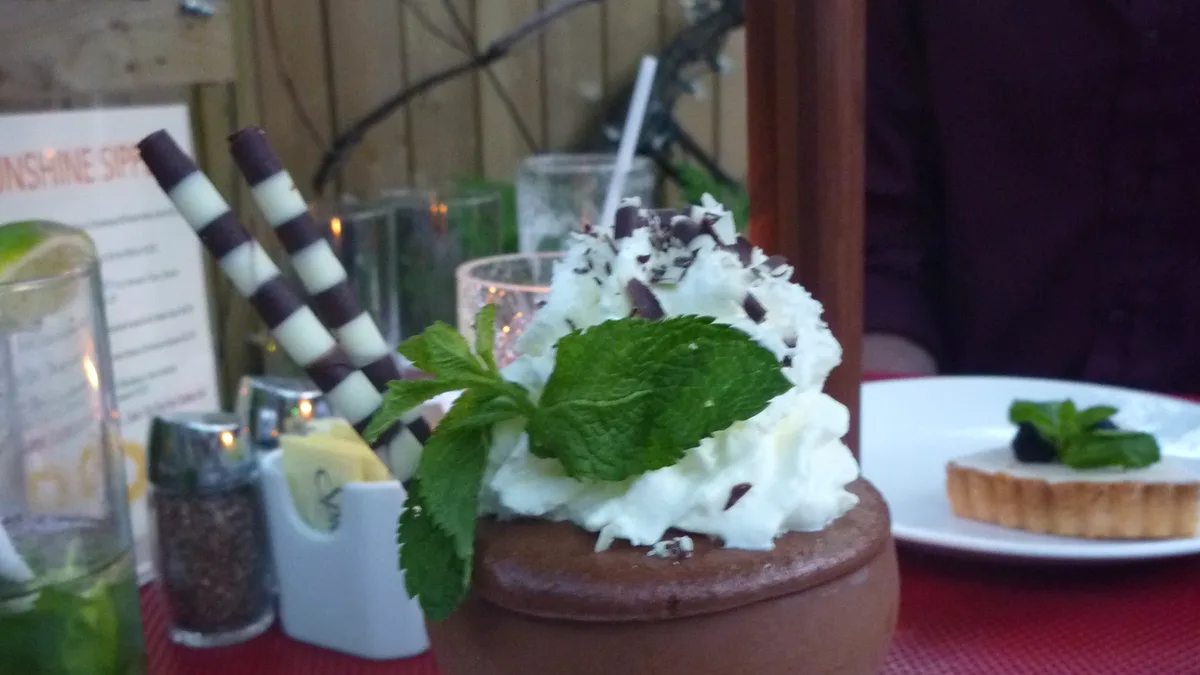
Best Ramekins for Baking and Serving in 2026
The best ramekins for baking and serving in 2026 are small, straight-sided porcelain dishes that move straight from a hot oven to the table without a second thought. A good ramekin bakes a single-serving soufflé, sets a crème brûlée, holds a bubbling French onion soup under the grill, and then sits on the table looking like it belongs there. This guide explains how to choose the right size, the right material and the right shape, so the set you buy becomes the one you reach for every week.
A ramekin looks simple, and that is exactly why it is easy to buy badly. Thin walls crack under the grill, a flared rim makes a soufflé collapse, and a dish that is too deep leaves the middle raw while the top burns. The differences between a good ramekin and a poor one are small on the surface and large in the oven, and they come down to material, wall thickness, size and glaze.
Key takeaways
- Porcelain is the best all-round ramekin material: it heats evenly, resists staining, goes from oven to table, and survives the dishwasher without fading.
- Size matters more than brand — 6 oz suits most desserts and single servings, 8 oz is the sweet spot for soups and savoury bakes, and 4 oz is best for rich desserts like crème brûlée.
- Straight sides help soufflés and cakes rise evenly; flared or fluted sides look pretty but give batters less to climb.
- A thick, well-fired glaze is what stops tomato, curry and chocolate from staining, and it is what keeps a white ramekin white after a year of use.
- Buy a set of at least six in one size before you buy novelty shapes — matching ramekins bake at the same rate, which is what matters when dinner is on the table.

What a ramekin is — and why it earns its shelf space
A ramekin is a small, straight-sided dish, usually round, made to bake and serve individual portions. The name comes from the French ramequin, a small dish for cheese, and the idea has barely changed in two centuries: one portion, one dish, oven to table. What has changed is how many jobs the dish is asked to do. Modern cooks use ramekins for soufflés, crème brûlée, panna cotta, chocolate fondants, individual crumbles, baked eggs, French onion soup, pot pies, dips, sauces, and even as a small bowl for olives, nuts or salt at the table.
Porcelain, stoneware, glass and metal: how the materials compare
Material is the first decision, and it shapes everything else. Porcelain is the classic choice and, for most kitchens, still the best. It is fired at very high temperatures, which makes it dense, hard and almost non-porous. It heats evenly, holds heat well, resists staining from tomato and turmeric, and comes out of the dishwasher looking the same as it went in. Good porcelain takes the grill for a short finish without complaint, and its smooth white surface shows food at its best. Its one weakness is a hard knock on a tile floor, which can chip a rim — though a thick-walled porcelain ramekin is far tougher than its delicate look suggests.
Stoneware is the rustic alternative. It is heavier and thicker, with a handmade feel and a glaze that often has more character. It holds heat for longer than porcelain, which is lovely for serving soup or a baked egg that should stay warm at the table, but it heats a little more slowly in the oven, so delicate bakes can take a minute or two longer. Stoneware is also more prone to staining if the glaze is thin, and cheaper stoneware can craze — develop a fine network of cracks in the glaze — after repeated trips through the dishwasher. Buy stoneware from a maker with a reputation for good glazing, and it will last decades.
Glass ramekins, usually borosilicate, have one great advantage: you can see what is happening inside, which makes them useful for custards and layered desserts. They are easy to clean and do not stain, but glass heats unevenly, cools quickly, and is a poor choice under the grill. Keep glass ramekins for desserts you want to watch, not for everyday baking.
Metal ramekins — usually aluminium or stainless steel — are the professional kitchen choice for one reason: they conduct heat fast. A soufflé rises higher and faster in metal, and a fondant cooks with a more reliable contrast between set edge and liquid centre. But metal is a poor serving dish: it looks utilitarian, it gets too hot to hold, and acidic foods can react with aluminium. Use metal for performance baking and turn the result out.
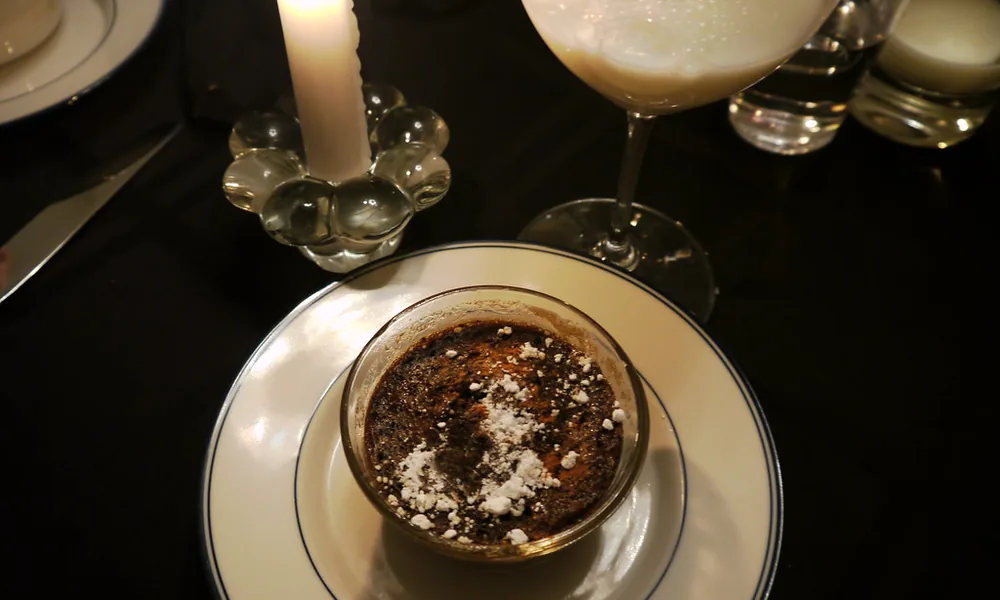
Choosing the right size
Ramekins are sold by volume, usually in fluid ounces, and the size you pick changes the cooking time, the portion and the look of the dish. A 4 oz ramekin suits rich desserts like crème brûlée, a 6 oz ramekin is the all-rounder for soufflés, crumbles and baked eggs, and an 8 oz ramekin suits soup, pot pie and a generous crumble. A 10 or 12 oz ramekin is really a small bowl, too big for most desserts.
Comparing the main types
| Type | Best for | Heat handling | Serving look | Weakness |
|---|---|---|---|---|
| Porcelain, 6 oz | Almost everything | Even, holds heat well | Clean and classic | Can chip on a hard knock |
| Porcelain, 4 oz | Crème brûlée, pots, mousse | Even, quick to heat | Neat and elegant | Too small for soup or crumble |
| Stoneware, 8 oz | Soup, pot pie, baked eggs | Slow to heat, holds warmth | Rustic and warm | Can stain or craze if glaze is thin |
| Glass, 6 oz | Custards, layered desserts | Uneven, cools fast | Shows the layers | Not for the grill |
| Metal, 6 oz | Soufflés, fondants | Very fast, precise | Utilitarian | Too hot to hold; poor for serving |
| Fluted porcelain, 8 oz | Crumbles, serving at the table | Even | Decorative | Flutes give batters less to climb |
Baking in ramekins: what works and what does not
Ramekins shine with individual bakes because a small volume cooks fast and evenly, and each person gets their own perfectly risen portion. Soufflés are the classic test: a straight-sided, well-buttered ramekin, dusted with sugar for a sweet soufflé or Parmesan for a savoury one, gives the mixture something to climb. The most common mistake is under-buttering the sides, which makes the soufflé stick and rise unevenly, so butter generously, all the way to the rim.
Crème brûlée is the other signature dish. A shallow, wide 4 oz ramekin gives a better ratio of crisp caramel to silky custard than a deep one, and it sets faster in a water bath, which protects the custard from the oven’s direct heat. For the caramel top, a kitchen torch is easier than the grill and gives a more even crust, but a hot grill works if you watch it every second.
Serving straight from the dish
There are two practical rules for serving. First, warn people the dish is hot, and give them something to hold it with — a folded napkin, a small cloth, or a plate underneath. Second, serve ramekins that match. Four matching dishes look like a plan; four different ones look like a cupboard clear-out. If your set has mixed, keep the odd ones for everyday family meals and save the matching set for guests.
Care, cleaning and making a set last
Good ramekins last for decades if they are treated sensibly. Most porcelain and stoneware ramekins are dishwasher safe, but the dishwasher is where most chips happen, usually from dishes knocking together. Load ramekins so they do not touch, and do not stack them in the machine. If a ramekin has baked-on food, soak it in warm soapy water rather than attacking it with a scouring pad, which will scratch the glaze and give stains somewhere to live. A paste of baking soda and water removes most marks without damaging the surface.

Choosing well: a quick checklist
- Pick porcelain first for everyday baking and serving, and add stoneware or glass only for specific jobs.
- Choose 6 oz as your main size, with 4 oz for rich desserts and 8 oz for soups and savoury bakes.
- Check the real capacity with water before you trust the label, and buy matching dishes so everything bakes at the same rate.
- Look for straight sides for soufflés and risen bakes, and a thick, smooth glaze that resists staining.
- Make sure the base sits flat and the dish is oven, grill and dishwasher safe before you buy.
- Buy six of one size before you buy novelty shapes or colours, and store them where you can actually reach them.
Frequently asked questions
What size ramekin is best for crème brûlée?
A 4 oz ramekin is best for crème brûlée, ideally a shallow, wide one. It gives a good ratio of caramelised top to silky custard, sets evenly in a water bath, and is a sensible portion for such a rich dessert. A 6 oz dish works too, but the custard takes longer to set and the portion is generous.
Can ramekins go under the grill?
Porcelain and stoneware ramekins can go under the grill for a short finish, such as browning cheese on French onion soup or caramelising a dessert top, but they should not sit under fierce direct heat for long. Glass ramekins should not go under the grill at all, and metal ramekins handle it easily. Always check the maker’s guidance first.
Are ramekins dishwasher safe?
Most porcelain and stoneware ramekins are dishwasher safe, but chips usually happen in the dishwasher when dishes knock together. Load them so they do not touch, avoid stacking them in the machine, and wash by hand if a dish is especially precious or has a delicate glaze.
What is the difference between a ramekin and a soufflé dish?
A ramekin is a small individual dish, usually 4 to 8 oz, while a soufflé dish is larger and made to serve several people. They share the same straight sides and the same purpose — giving a risen mixture something to climb — but a soufflé dish is for the table, and a ramekin is for one person.
Do I need to butter a ramekin for a soufflé?
Yes, and generously. Butter the sides all the way to the rim, then dust with sugar for a sweet soufflé or grated Parmesan for a savoury one. The coating gives the mixture grip as it rises and stops it sticking. Skipping this step is the most common reason a soufflé rises unevenly or refuses to leave the dish.
Can I bake a cake in a ramekin?
Yes, small cakes, fondants and individual puddings bake very well in ramekins, and they cook faster than in a large tin. Reduce the baking time by roughly a third, check early, and remember that a ramekin is best for individual portions rather than a cake you plan to slice and share.
The bottom line
The best ramekins for baking and serving in 2026 are a set of six matching porcelain dishes in 6 oz, with a smaller set of 4 oz dishes for rich desserts. Porcelain heats evenly, resists staining, goes from oven to table and lasts for years, and a matching set bakes at the same rate. Add 8 oz stoneware for soups and baked eggs, choose straight sides and a thick glaze, and check the real capacity before you buy. For the bakeware that works alongside them, see the guide to cake pans that bake evenly, keep your hands safe with oven mitts that actually protect, and finish the table with serving trays that make hosting easier.