Cinnamon Rolls That Stay Soft for Days in 2026
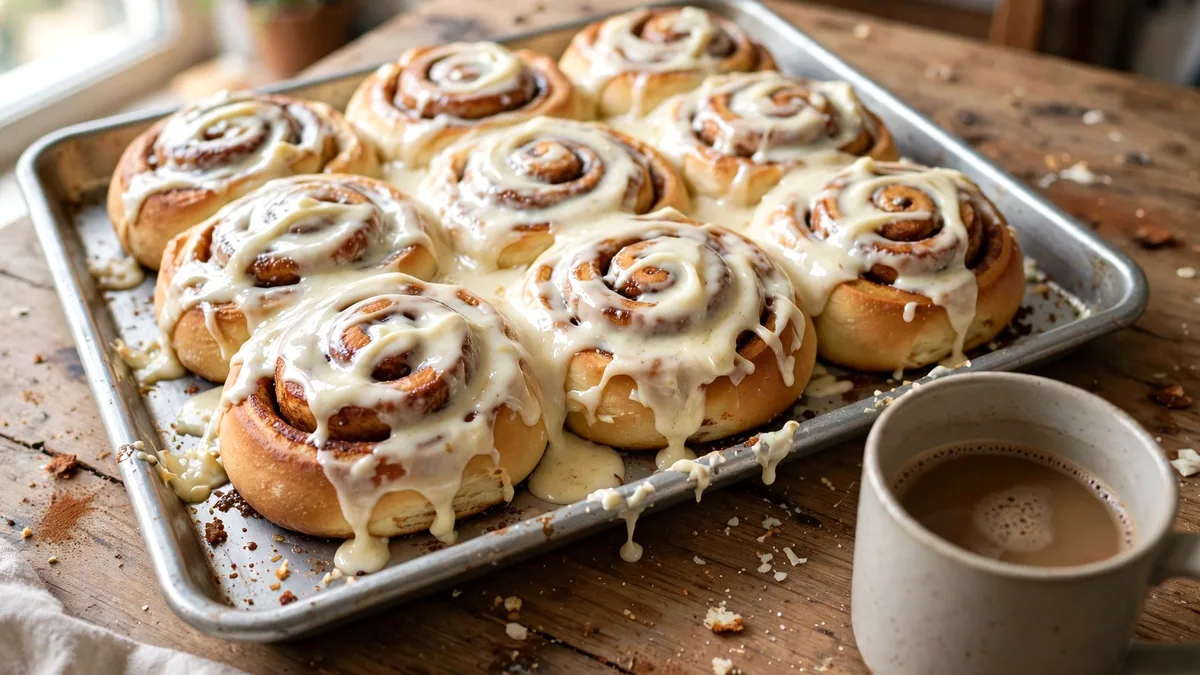
A cinnamon roll is at its best about twenty minutes out of the oven, when the swirl is still warm and the frosting is just starting to melt. The cinnamon rolls in this guide are the exceptions. They stay soft for days because of how they are made: enriched dough with enough fat and moisture, a tight roll that keeps the filling inside, the right bake so the centre stays tender, and storage that protects them from dry air.
Key takeaways
- Softness that lasts comes from the dough, not the frosting: enriched dough with butter, milk and egg stays tender far longer than lean dough.
- A tight roll and a snug pan matter more than the recipe. Gaps let moisture escape, and a loose swirl dries out from the inside.
- Bake until the centre is just set, not browned. An overbaked roll is dry on day one and hard by day two.
- Store rolls airtight at room temperature for two days, or freeze them unfrosted for up to a month; the fridge is what makes them go stale fastest.
- Warm a day-old roll for fifteen seconds and add fresh frosting. It will taste closer to fresh than any roll eaten cold from the fridge.
How the best cinnamon rolls were chosen
Every roll below was judged on five measures. Lasting softness comes first: a roll earns its place here only if it is still tender on the third day, not just warm from the oven. Flavour is second, judged on the cinnamon filling, the sweetness of the dough and the balance of the frosting, because a soft roll that tastes bland is not worth keeping. Texture is third: the crumb should be pillowy and pull apart in layers, never dense, gummy or dry at the edges. Ease is fourth, covering how simple the roll is to buy, bake or reheat, and whether a home baker can repeat the result.
Two notes before the list. First, this is a guide to the pastry, not the spice. Cinnamon itself is a different subject, and our guide to the best cinnamon covers the spice on its own, from Ceylon to cassia; here cinnamon matters only as the filling inside a soft roll. Second, a cinnamon roll is not a danish. A danish is flaky, crisp and laminated, while a roll is soft, doughy and yeasted, and the two pastries go stale in different ways.

Comparison table: the best cinnamon rolls that stay soft 2026
| Rank | Roll type | Best for | Watch out for |
|---|---|---|---|
| 1 | Classic bakery rolls | Softness straight from the box | Price, short counter life |
| 2 | Overnight slow-rise rolls | Best day-two and day-three texture | Needs planning ahead |
| 3 | Brioche-style rolls | Richest, softest crumb | Heavier, more filling |
| 4 | Cream-cheese frosted rolls | Frosting that seals in moisture | Frosting melts if stored warm |
| 5 | Small-batch rolls | Freshness, less waste | Fewer rolls per bake |
| 6 | Frozen bake-at-home rolls | Fresh rolls on demand | Quality varies by brand |
| 7 | Dairy-free rolls | Dairy-free and vegan diets | Can dry out faster |
The best cinnamon rolls that stay soft in 2026
1. Classic bakery rolls: the best straight from the box
A good bakery roll is the benchmark everything else is measured against. It is baked that morning from enriched dough, rolled tight, baked in a snug pan so the rolls press against each other, and frosted while still warm so the topping melts into the swirl. The weakness is time: a bakery roll kept on the counter in its box starts to firm up within a day, because the box is not airtight. Transfer the rolls to a sealed container as soon as you get home, and they will stay soft for two days; leave them in the open box and they will be noticeably drier by the next morning.
2. Overnight slow-rise rolls: the best day-two texture
Overnight rolls are shaped the evening before, left to rise slowly in the fridge, and baked in the morning. The slow rise does two things that matter for softness: it develops flavour in the dough, and it builds a stronger, more elastic crumb that holds moisture longer. A slow-rise roll is often at its best on the second day, when the crumb has settled and the filling has soaked gently into the dough, while a quick-rise roll is already drying out. A reliable yeast makes the difference here, and our guide to the best yeast covers which types hold up best to a long, cold rise.
3. Brioche-style rolls: the richest, softest crumb
Brioche-style rolls use more butter and egg than a standard roll, and the extra fat is what keeps them soft. Fat coats the starch in the dough and slows the process that makes bread go stale, so a brioche roll can still be tender on day three when a leaner roll has turned firm. The crumb is richer and more golden, almost cake-like, and the rolls feel more filling, so one is usually enough where two standard rolls would disappear. The trade-off is weight: these rolls are heavier and sweeter, and they suit a slow weekend breakfast better than a quick weekday one.
4. Cream-cheese frosted rolls: frosting that seals in moisture
Frosting is not just decoration on a cinnamon roll; it is a seal. A thick layer of cream-cheese frosting spread over warm rolls melts slightly into the top, then sets into a coating that slows moisture loss from the surface. Rolls frosted this way stay soft a full day longer than unfrosted ones stored the same way. The frosting itself matters: cream-cheese frosting holds up better than a thin sugar glaze, which dries out and cracks, and it adds a tang that balances the sweetness of the filling.
5. Small-batch rolls: the best for freshness
Small-batch rolls solve the softness problem by removing it: bake four or six instead of twelve, and there is nothing left to go stale. A small pan bakes faster and more evenly, the rolls stay snug against each other, and every roll gets eaten within a day of baking. This is the best approach for a household of one or two, or for anyone who has watched half a tray go dry by Wednesday. The only real cost is that you bake more often, but a small batch takes less time to mix, rise and bake than a full one, and the dough can be halved from any standard recipe.
6. Frozen bake-at-home rolls: fresh rolls on demand
Frozen bake-at-home rolls are the most practical way to have a soft roll on a weekday. The dough is made, rolled and frozen before baking, so you take out only the rolls you need, let them rise, and bake them fresh. A roll baked this morning is soft by definition, and the rest stay frozen rather than going stale on the counter. Quality varies more here than in any other category: the best frozen rolls use real butter and a proper enriched dough, while the worst use shortening and taste flat even when fresh.
7. Dairy-free rolls: the best without dairy
Dairy-free cinnamon rolls replace butter and milk with plant-based fats and milks, and the best ones stay soft by leaning on oil rather than butter. Oil stays liquid at room temperature, which helps the crumb stay tender, while a poor dairy-free roll made with a hard plant butter can firm up quickly once it cools. The filling is the same cinnamon sugar, and the frosting is usually a cashew or coconut-based cream that works well as a moisture seal. Store them airtight and warm them gently, and they will still be soft on the second morning.
What to avoid when choosing cinnamon rolls
The most common mistake is judging a roll only by how it tastes warm. Almost every cinnamon roll tastes good fresh from the oven; the test is the next morning. Avoid rolls with a dry, crumbly edge on day one, because that edge is the first sign the dough was under-enriched or overbaked, and the whole roll will follow. Avoid storing rolls in the fridge, which is the fastest way to make them stale: cold air speeds up the starch changes that firm bread, and a refrigerated roll is harder on day two than one left in a sealed container on the counter. The butter matters here too, since the dough’s fat is what keeps it soft, and our guide to the best butter covers which types give enriched dough the richest, most tender crumb.
Checklist: cinnamon rolls that stay soft for days
- Choose enriched dough with butter, milk and egg; lean dough goes stale overnight.
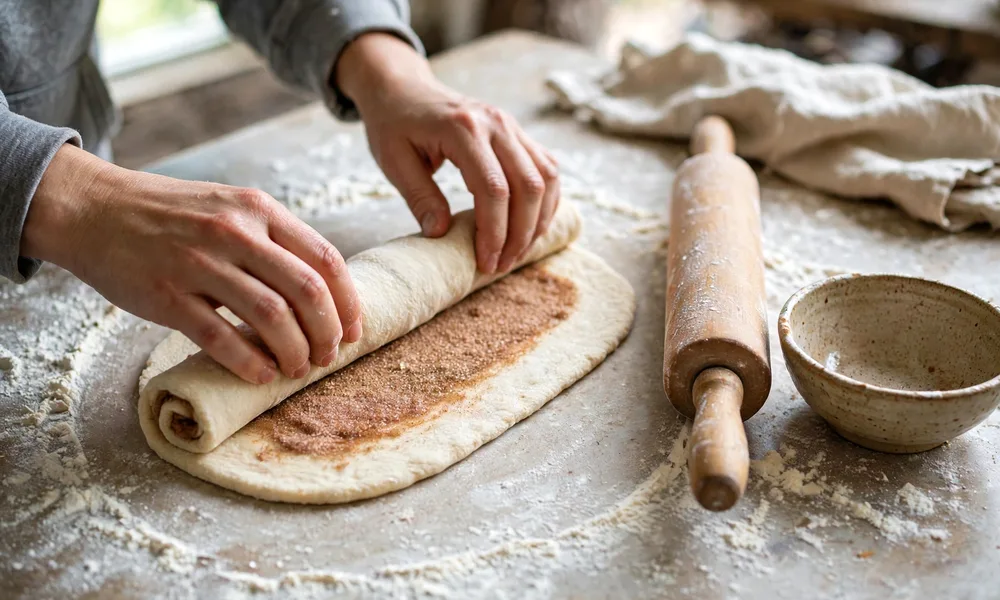
- Roll the dough tight and bake the rolls snug in the pan, with no gaps for moisture to escape.
- Pull the rolls when the centres are just set and the tops are golden, not dark brown.
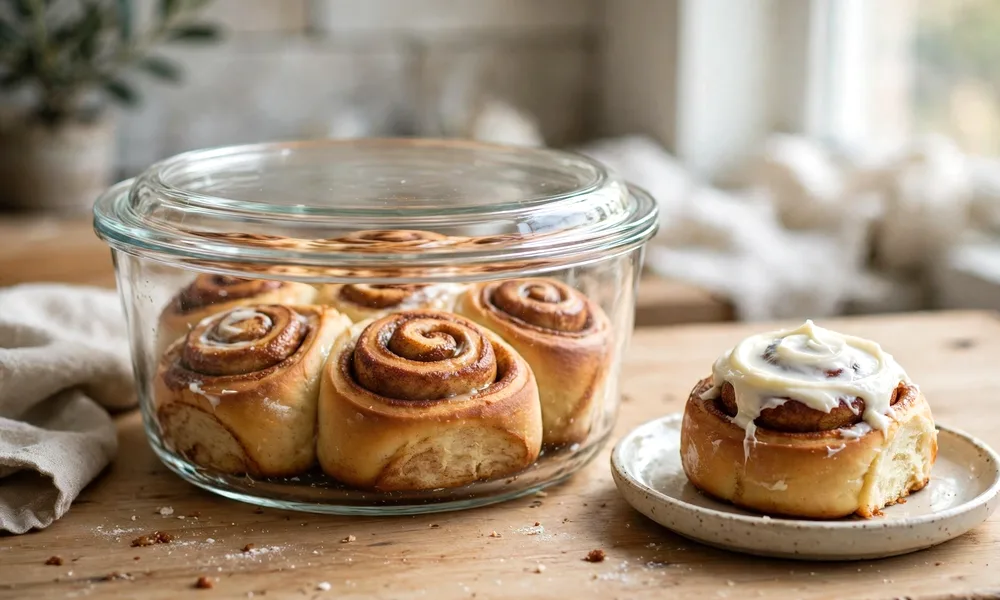
- Store airtight at room temperature for two days; freeze unfrosted extras for up to a month.
- Never store rolls in the fridge; cold air makes them stale faster than room temperature.
- Warm a day-old roll for fifteen seconds and add a spoonful of fresh frosting before serving.
Frequently asked questions
How long do cinnamon rolls stay soft?
A well-made roll stored airtight at room temperature stays soft for two to three days. Bakery rolls in an open box last about a day, while brioche-style and overnight rolls often stay tender into day three.
Should cinnamon rolls be stored in the fridge?
No. The fridge speeds up staling in bread and enriched dough, so a refrigerated roll firms up faster than one kept on the counter. Keep rolls in a sealed container at room temperature for up to two days, and freeze anything you will not eat by then.
Can you freeze cinnamon rolls?
Yes, and they freeze well. Freeze them unfrosted, wrapped tightly, for up to a month, then thaw at room temperature and warm gently before frosting. You can also freeze the shaped, unbaked rolls and bake them straight from the freezer with a longer rise. Frozen dough is the best way to have fresh rolls on a weekday without baking a full batch.
Why do my cinnamon rolls go dry?
The usual causes are lean dough, overbaking, a loose roll, or open storage. Lean dough without enough butter, milk or egg has nothing to keep it moist. Overbaking dries the centre, which is the part that should stay tender. A loose swirl lets the filling leak and the layers separate, and an open box lets dry air in. Fix the dough and the bake first, then fix the storage.
What is the best frosting for cinnamon rolls?
Cream-cheese frosting is the best all-rounder: it is thick enough to seal in moisture, tangy enough to balance the sweet filling, and it holds up for two days without cracking. A thin sugar glaze looks pretty but dries out fast, and a buttercream is sweeter and heavier without adding softness.
Are homemade cinnamon rolls better than bakery rolls?
Homemade rolls win on freshness and on control: you choose the dough, the filling and the bake, and you eat them at their best. Bakery rolls win on convenience and consistency, and a good bakery roll is better than a rushed homemade one. The real difference is storage: a homemade batch you freeze in portions will stay soft longer than a bakery box left open on the counter.
Bottom line
The cinnamon rolls that stay soft for days in 2026 are the ones built for it: enriched dough with real butter and egg, a tight roll in a snug pan, a gentle bake that leaves the centre tender, and airtight storage at room temperature.