Cleavers That Make Short Work of Tough Cuts in 2026
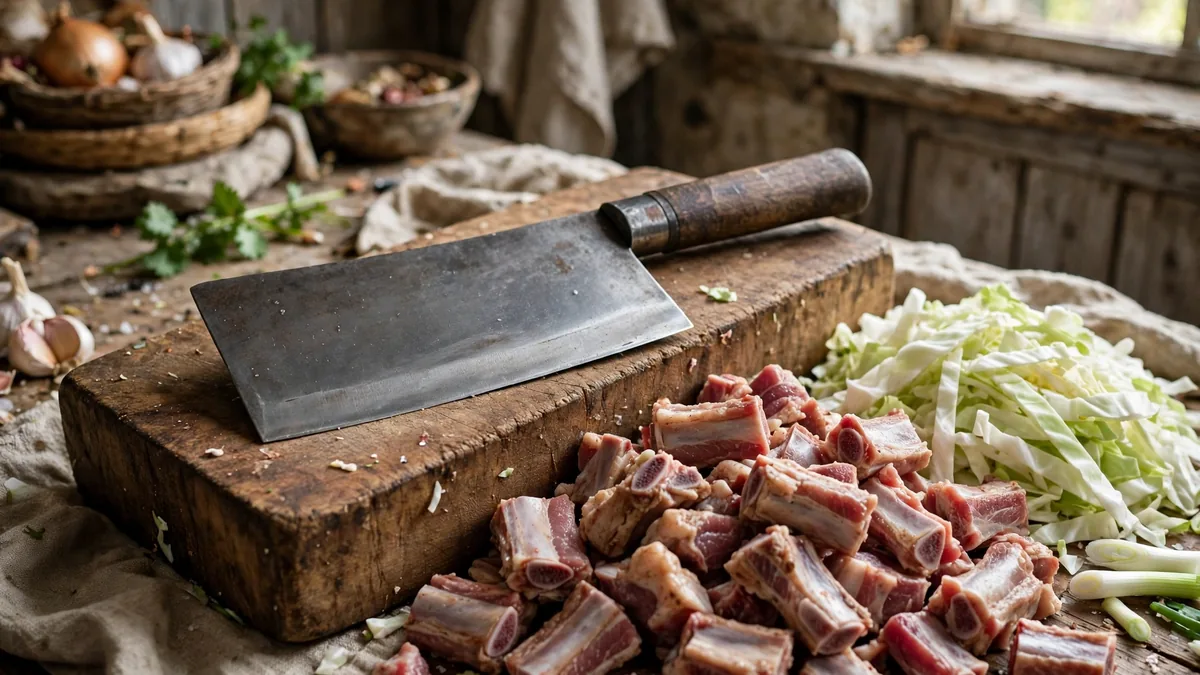
Most kitchen knives are built for slicing; cleavers are built for power. With a broad rectangular blade and real weight behind it, a good cleaver powers through bones, joints, root vegetables and squash that would stop a chef knife in its tracks. If you break down whole chickens or prep large cuts of meat, cleavers that make short work of tough cuts in 2026 are the tool your kitchen is missing.
The cleaver has an unfair reputation as a butcher-only blade: in Chinese kitchens, a lighter vegetable cleaver is the everyday knife, used for everything from shredding cabbage to mincing garlic. This guide covers both kinds and picks the best cleavers of 2026 for home cooks.
Key Takeaways
- Meat cleavers are heavy, thick blades for bones and joints; vegetable cleavers are thinner and lighter for fast chopping and slicing.
- Most home cooks should start with a vegetable cleaver, which handles daily prep and tougher vegetables.
- A meat cleaver needs a thick, heavy block and a confident downward chop, never sawing.
- Look for a full tang and a secure handle, because a cleaver’s weight punishes a poor grip.
- Never use a cleaver on a glass or stone board, and never use a thin vegetable cleaver on bones.
Meat Cleavers vs Vegetable Cleavers: Know the Difference
The two types look similar but are built for opposite jobs. A meat cleaver, or bone cleaver, has a thick spine of 4 to 5 mm and weighs 500 grams or more, with an edge ground at around 25 degrees per side so it can strike bone without chipping. It is a hammer with an edge: lift it, bring it down, and the weight splits the joint.
A vegetable cleaver, the Chinese cai dao, is much thinner, with a spine of 2 to 3 mm and a weight closer to 300 grams, and an edge ground finer at around 15 degrees per side so it slices cleanly. It is not meant for bones at all. What it does brilliantly is fast, accurate chopping: the wide blade scoops food off the board, the flat edge makes thin slices easy, and the weight glides through dense vegetables like squash and celeriac.
Buying the wrong type is the most common cleaver mistake: a vegetable cleaver on a chicken bone will chip, and a meat cleaver will crush a tomato. Choose by the job you do most. For the rest of your knife drawer, our guide to the best chef knives of 2026 covers the all-round blades that pair well with a cleaver.
How Heavy Should a Cleaver Be?
Weight is the point of a cleaver, but more is not always better. A meat cleaver between 500 and 700 grams splits a chicken joint in one confident chop while staying controllable; much heavier and your wrist tires and accuracy suffers. A vegetable cleaver between 280 and 400 grams is the sweet spot: heavy enough to help the cut, light enough for an hour of prep.
Balance matters as much as total weight: a good cleaver feels steady at the bolster, with the weight spread evenly across the broad blade. Hold one before you buy and make a few practice chops in the air — if your wrist complains after ten swings, it is too heavy for you.
The Best Cleavers of 2026 at a Glance
| Cleaver | Type | Weight | Blade | Best For |
|---|---|---|---|---|
| Dexter-Russell Heavy Cleaver 8-Inch | Meat | 650 g | 20 cm | Bones and joints |
| Shun Classic Vegetable Cleaver 7-Inch | Vegetable | 320 g | 18 cm | Overall excellence |
| Victorinox Fibrox Pro Cleaver 7-Inch | Meat | 600 g | 18 cm | Best value |
| CCK Small Vegetable Cleaver KF1303 | Vegetable | 300 g | 17 cm | Everyday prep |
| Wüsthof Classic Cleaver 7-Inch | Meat | 700 g | 18 cm | Heft and durability |
Best Meat Cleaver Overall: Dexter-Russell Heavy Cleaver 8-Inch
The Dexter-Russell heavy cleaver is the workhorse of American butcher shops, and it brings that same no-nonsense power home. At 650 grams with a thick, high-carbon steel blade, it splits chicken joints in a single chop and powers through pork ribs and squash. The edge is ground wide enough to survive bone contact, and the walnut handle grips securely even when wet.
It is not a pretty knife, and it is not trying to be — it is a tool that does one hard job extremely well, at a price that makes it easy to justify. If you break down whole birds or buy bone-in meat more than once a month, this is the cleaver to own.
Best Vegetable Cleaver: Shun Classic Vegetable Cleaver 7-Inch
The Shun Classic vegetable cleaver is the finest everyday chopper on this list. Its VG-MAX core, clad in Damascus steel, takes a razor edge that glides through cabbage, carrots and herbs, and the wide blade scoops and transfers food with ease. At 320 grams it is heavy enough to help the cut but light enough for long prep, and the D-shaped handle guides your grip into place.
This is the cleaver for cooks who want one blade that does nearly everything in the vegetable drawer, from fine shredding to crushing garlic. It is a premium purchase, but the knife most likely to become the one you reach for first, every single day.
Best Value Cleaver: Victorinox Fibrox Pro Cleaver 7-Inch
The Victorinox Fibrox Pro cleaver is the quiet overachiever of this list. It costs a fraction of the premium meat cleavers, yet professional kitchens rely on it every day. The 600-gram blade arrives sharp, the textured handle stays grippy when wet, and the steel holds up well to bone contact.
It will not hold an edge as long as a forged German cleaver, but a quick hone brings it straight back, and for a first meat cleaver nothing else comes close for the money.

Best Everyday Vegetable Cleaver: CCK Small Vegetable Cleaver KF1303
The CCK small vegetable cleaver is a cult favourite among chefs, and for good reason. At 300 grams with a thin, hard carbon-steel blade, it is the fastest chopper here: cabbage shreds in seconds, herbs mince cleanly, and garlic crushes flat under the wide side of the blade. The wooden handle is simple, and the knife feels alive in the hand.
Carbon steel needs care: wash and dry it after every use, and it will develop a patina over time. Give it that care and the CCK rewards you with cutting performance that embarrasses knives costing five times as much.
Best Heavyweight Cleaver: Wüsthof Classic Cleaver 7-Inch
If you like heft, the Wüsthof Classic cleaver delivers it. Forged from a single piece of high-carbon stainless steel with a full tang and a riveted handle, it weighs 700 grams and lets its own momentum do the work. Dense vegetables, large bones and squash all give way under it, and the edge is tough enough for daily cooking.
It is the most forgiving cleaver here: the softer German steel sharpens easily at home and resists chipping, and cooks moving from a heavy chef knife will feel at home immediately.
How to Use a Cleaver Safely
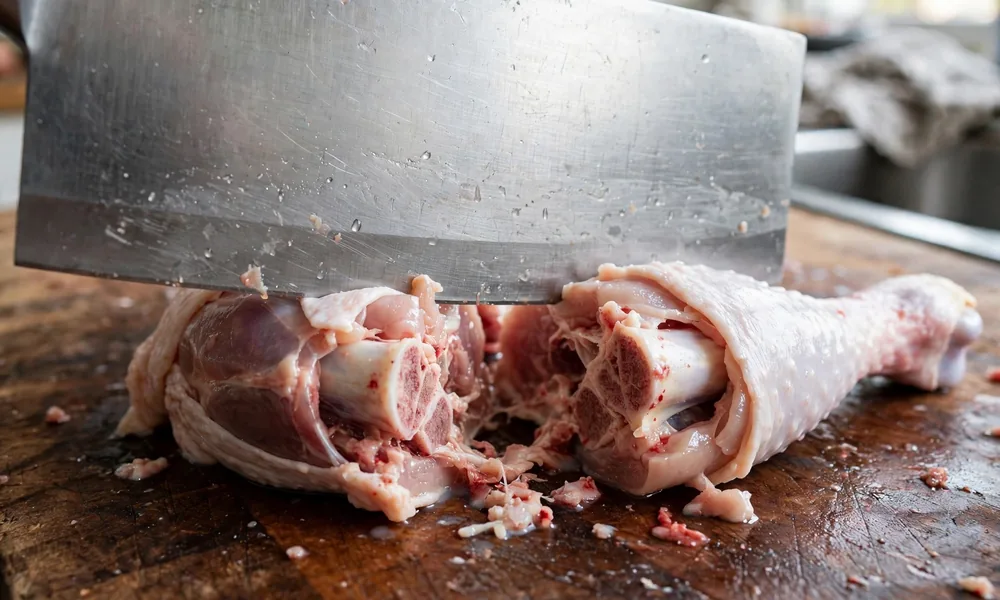
A cleaver demands respect. For a meat cleaver, work on a thick, heavy block that will not slide: a board at least 5 cm thick, set on a damp cloth. Grip firmly, raise the blade straight up, and bring it down in one confident chop, letting the weight do the work. Never saw back and forth or chop toward your guiding hand; if a bone resists, reposition and chop again.
For a vegetable cleaver, the motion is a fast up-and-down chop, with the guiding hand curled into a claw and the knuckles guiding the flat of the blade. Keep the board clear and the blade sharp, and never leave a cleaver loose in a drawer. A thin board will crack under a cleaver: our guide to the best cutting boards of 2026 explains which surfaces stand up to heavy chopping.
What to Avoid When Buying a Cleaver
Skip cleavers sold mainly on looks: coloured blades, gimmicky coatings and celebrity branding rarely cut better than plain steel, and coatings can flake into food. Avoid very cheap cleavers with hollow or rivet-free handles — a loose handle on a 600-gram blade is genuinely dangerous.
Also beware of buying the wrong type: a thin vegetable cleaver will chip on bones, and a heavy meat cleaver will crush tomatoes and bruise herbs. Match the cleaver to the job, and do not expect it to replace your chef knife — it cannot slice a roast thinly or trim a fillet neatly.
Keeping Your Cleaver Sharp
A cleaver is only as good as its edge: instead of biting into a squash, a dull one bounces off the skin. Hone a meat cleaver with a steel rod before or after each heavy session, a few firm strokes per side at roughly 25 degrees. A vegetable cleaver needs a finer touch — hone it with a ceramic rod at about 15 degrees, like a chef knife.
Sharpen once or twice a year, on a whetstone or professionally, matching the angle to the type: wide for meat, fine for vegetables. Never put a good cleaver in the dishwasher, where heat, detergent and rattling dull and chip the edge. Hand wash, dry immediately and store it in a blade guard or on a magnetic strip. If you work with a lot of tough meat, our guide to the best meat tenderizers for tougher cuts in 2026 covers the tools that pair well with a cleaver.

Buying Checklist
- Decide meat or vegetable first, and buy the type that matches the job you do most.
- Choose a meat cleaver of 500 to 700 grams or a vegetable cleaver of 280 to 400 grams.
- Look for a full tang and a secure handle with no play or loose rivets.
- Check the balance at the bolster: the weight should feel even, not concentrated at the tip.
- Budget for a thick chopping block at least 5 cm thick, set on a damp cloth.
- Plan storage before it arrives: a blade guard or magnetic strip keeps the wide edge safe.
Frequently Asked Questions
Can I use a vegetable cleaver on meat bones?
No — a vegetable cleaver has a thin, finely ground edge that will chip on bone. Use a heavy meat cleaver for bones and joints, and keep the vegetable cleaver for boneless meat and vegetables.
What is the difference between a cleaver and a chef knife?
A cleaver is wider, heavier and built for power: chopping bones, joints and dense vegetables. A chef knife is lighter and more precise, built for slicing, dicing and rocking cuts. Most kitchens benefit from both.
How heavy should a meat cleaver be?
Most home cooks are happiest with 500 to 700 grams: heavy enough to split a chicken joint, light enough to control. Go heavier only if you break down large bones often.
Can a cleaver replace my chef knife?
For vegetables, a vegetable cleaver can handle most daily prep. For everything else, no: it cannot slice a roast thinly, trim a fillet or do fine tip work. Keep your chef knife.
How do I sharpen a cleaver?
Hone a meat cleaver with a steel rod at about 25 degrees, and a vegetable cleaver with a ceramic rod at about 15 degrees. Sharpen once or twice a year on a whetstone or professionally.
Is a cleaver safe for beginners?
Yes, with the right technique: use a thick, stable block, keep your guiding hand in a claw behind the edge, chop straight down and never saw. Start with a lighter vegetable cleaver first.
Bottom Line
The best cleaver for most home cooks in 2026 is the Shun Classic vegetable cleaver: fast, razor sharp and useful every single day. If you need real bone-splitting power, the Dexter-Russell heavy cleaver is unbeatable for the money, and the Victorinox Fibrox Pro is the best value meat cleaver. Choose the right type, keep it sharp, and tough cuts get dramatically easier.


