
Condensed Milk Worth Stocking in 2026
Condensed milk is the quiet workhorse of the pantry: a small can of sweet, thick milk that turns ordinary coffee into something worth slowing down for and ordinary desserts into the ones people ask about. The best is glossy, pourable and deeply sweet without tasting scorched, and it keeps for months on a shelf.
Most people buy it the wrong way round, grabbing the first can they see, then wondering why their coffee tastes flat or their fudge sets grainy. Milk content, sugar level and thickness all change what comes out of the tin. Choose well and one can covers coffee, baking, desserts and breakfast for weeks.
Key takeaways
- Condensed milk is sweetened milk with most of the water removed: thick, sweet and shelf-stable, and not the same as unsweetened evaporated milk.
- The best cans list milk and sugar only, pour in a slow glossy ribbon, and taste clean and milky rather than scorched or gritty.
- Full-fat gives the richest coffee and the smoothest fudge; light versions work in drinks but can set soft in baking.
- Once opened, it keeps about two weeks in the fridge in a sealed jar, and it freezes well for up to three months.
- A little goes a long way: a tablespoon sweetens a whole mug, so one can lasts far longer than its size suggests.

What condensed milk actually is
Condensed milk starts as ordinary fresh milk. Most of the water is gently evaporated away, the milk is sweetened with a generous amount of sugar, and the result is sealed in a can. The sugar is not just for taste: it keeps the milk safe on a shelf for months without refrigeration, because bacteria cannot grow in that much sugar. Open a can and you find something closer to a sauce than to milk, thick enough to coat a spoon.
The confusion most people have is with evaporated milk, and the two are not interchangeable. Evaporated milk is also milk with water removed, but it has no added sugar, so it pours like thin cream and tastes like milk. Condensed milk is sweetened, so it pours like syrup. Use evaporated milk where a recipe wants richness without sweetness, such as a creamy soup, and condensed milk where it wants sweetness and body together, such as fudge or iced coffee.
The types on the shelf
The choice looks simple, but there are more kinds than most shoppers realise, and each suits a different job. The classic full-fat tin is the one to buy first: the richest, the most forgiving in baking, and the one every traditional recipe was written for. Light versions cut the fat and some sugar, and they are fine in coffee or over fruit, but they are thinner, so fudge made with them can set soft.
Dairy-free condensed milk, made from coconut or oat milk, has improved a lot, and the coconut versions are genuinely good in Southeast Asian desserts and dairy-free baking.
Then there is the packaging. Cans are the classic, the cheapest per gram, and they keep the longest. Squeeze tubes cost more but reseal, so they waste less if you only use a little at a time for coffee. Cook with it often and buy cans; sweeten coffee only and buy a tube.
| Type | Best for | Texture | Watch out for |
|---|---|---|---|
| Full-fat, canned | Fudge, caramel, baking, coffee | Thick and glossy | High in sugar, so measure it |
| Light or reduced-fat | Coffee, drizzling, lighter desserts | Thinner, pours easily | Can set soft in fudge |
| Chocolate or caramel | Quick hot chocolate, pancake topping | Thick, flavoured | Less flexible in recipes |
| Dairy-free, coconut | Dairy-free baking, Asian desserts | Rich, faintly coconutty | Flavour shows in plain recipes |
| Squeeze tube | Daily coffee, small amounts | Same as canned | Costs more per gram |
What to look for on the label
A good can has a short ingredient list, and that is the first thing to check. The label should read milk and sugar, and not much else. Some brands add a stabiliser to keep the texture smooth, which is harmless, but a can that lists glucose syrup or palm oil before milk has been stretched with cheaper ingredients, and it will taste thinner and less milky.
Check the milk content too: the better brands state a milk solids figure, and higher is better, because it gives the finished milk its creamy depth rather than a flat sugary sweetness. Colour is another clue: good condensed milk is a pale ivory, almost white. A can that pours dark gold has been overheated or stored too warm, and it will taste faintly of caramel even where you do not want it.

Condensed milk in coffee
Coffee is where most people first meet condensed milk, and where the difference between a good can and a bad one shows up fastest. Vietnamese iced coffee is the classic: strong dark coffee dripped slowly over a thick layer of condensed milk, stirred, and poured over ice. The milk sweetens the coffee and softens its bitterness, and because it is already thick it gives the drink a silky body that sugar and cream never quite match. Our guide to the best iced coffee of 2026 is the place to start if you want the brewing side right, and condensed milk is what makes the Vietnamese version of it work.
The trick is the ratio. Start with one tablespoon for a small mug and two for a tall glass of iced coffee, then stir well and taste before adding more: it is easy to add more and impossible to take it away. In hot coffee, add the milk to the cup first so it dissolves cleanly. In cold drinks, stir longer than feels necessary. If you prefer a thinner sweetener, our guide to the best maple syrup of 2026 covers the other pantry classic that sweetens without thickening.
Condensed milk in desserts and baking
Desserts are where condensed milk does its most impressive work, bringing sweetness, moisture and body in a single ingredient. Tres leches cake, the Latin American sponge soaked in three milks, is the most famous example: the condensed milk in the soak is what makes the cake sweet and custardy rather than merely wet. Fudge is the other classic, almost impossible to make well without it, because the sugar and milk solids set into a smooth slice instead of a grainy one.
The rule for baking with it is to reduce the sugar elsewhere in the recipe. A cake that calls for a cup of sugar and a can of condensed milk will be cloying unless you cut the sugar by at least a third, and most recipes written for it already do this, so follow them as written the first time. It also browns faster than ordinary milk, so watch the oven in the last ten minutes.
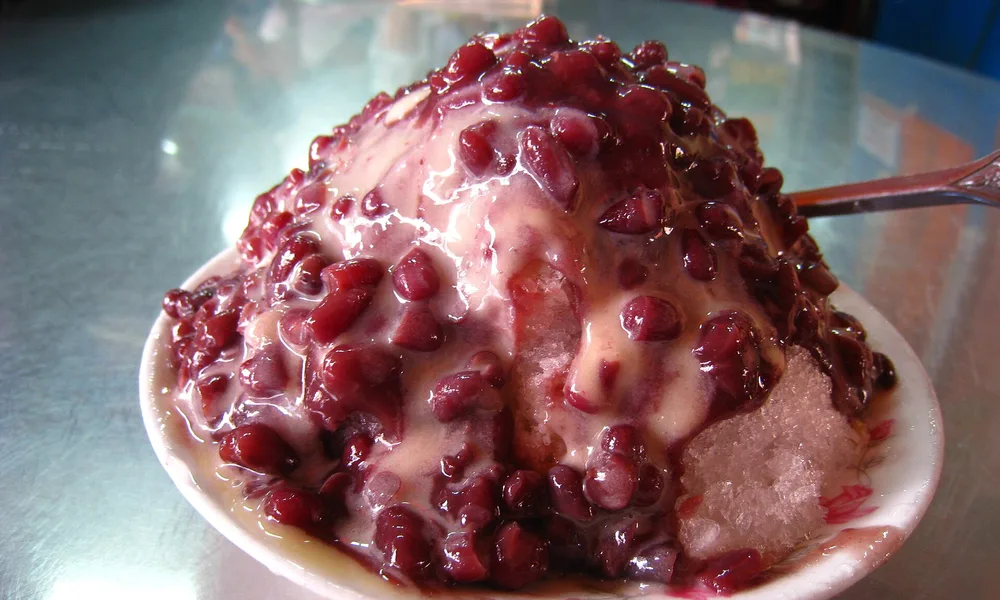
For no-cook desserts it is even simpler: stir it into whipped cream for a no-churn ice cream base, drizzle it over fruit or shaved ice, or spread it on thick toast with butter. The can that sweetens your coffee on Monday can be dessert on Saturday.
Storage and shelf life
An unopened can is one of the longest-lived things in the pantry, keeping for a year or more in a cool, dry cupboard. Heat is its enemy: a can stored above a cooker darkens and thickens faster. Keep it cool and upright, and use the oldest can first.
Once opened, the rules change. It must go into the fridge, and it must leave the can: decant it into a clean glass jar, because an open tin rusts and picks up metallic flavours within a day or two. In a sealed jar it keeps about two weeks, so let it warm for ten minutes before pouring.
If two weeks is not long enough, freeze it. The sugar stops it setting rock solid, so it thaws to almost its original texture. Freeze tablespoon portions in an ice cube tray, then defrost exactly what you need. It keeps up to three months, and it solves the half-can problem every condensed milk cook knows.
Substitutes that work, and ones that do not
Running out mid-recipe is common, and some substitutes work while others quietly ruin the dish. The best homemade version is simple: simmer two cups of whole milk with two-thirds of a cup of sugar until it reduces by half and thickens, about half an hour of gentle stirring. It will not be quite as thick as the canned kind, but it behaves the same way in coffee and most baking.
Dulce de leche is not a substitute, though the two are often confused: it is what condensed milk becomes after long slow cooking, darker and caramel-flavoured. Evaporated milk plus sugar is a poor substitute too, because the result is usually too thin. And coconut milk is a different ingredient entirely, so to compare the canned milks, our guide to the best coconut milk of 2026 shows where it shines.
The honest answer is that condensed milk is worth having on hand rather than substituting. It is cheap, it keeps for months, and no combination of milk and sugar quite matches its texture.
Before you buy checklist
- Check the ingredients: milk and sugar should come first, with no glucose syrup or palm oil ahead of them.
- Choose full-fat for baking and fudge, and save light versions for coffee and drizzling.
- Pick a can that is clean, undented and unrusted, with the freshest date on the shelf.
- Match the pack to your use: cans for cooking, a squeeze tube if you only sweeten coffee.
- Plan to decant leftovers into a clean glass jar, because an open tin spoils fast in the fridge.
- Keep one spare can in a cool cupboard, so a recipe never stalls halfway through.
Frequently asked questions
Is condensed milk the same as evaporated milk?
No. Condensed milk is sweetened, thick and syrupy, while evaporated milk is unsweetened and pours like thin cream. They are not interchangeable: swapping them changes both the sweetness and the texture.
How long does condensed milk last once opened?
About two weeks in the fridge, decanted into a clean sealed glass jar. It thickens as it chills, so let it warm for ten minutes before pouring. For longer, freeze it in tablespoon portions for up to three months.
Can I use condensed milk in coffee every day?
Yes, in small amounts: a tablespoon sweetens a whole mug. It is very high in sugar, so it suits one sweet coffee a day better than sweetening every drink you have.
Why has my condensed milk gone thick and dark?
Heat and age darken it as its sugars slowly caramelise. A can stored somewhere warm will thicken and turn gold. It is still safe if the can is intact, but it will taste of caramel, so use it in caramel recipes rather than white sauces.
Is there a dairy-free condensed milk?
Yes, usually made from coconut or oat milk, and the coconut versions are genuinely good in Asian desserts and dairy-free baking. They carry a faint coconut flavour, so they suit recipes where that flavour belongs.
What is the difference between condensed milk and dulce de leche?
Dulce de leche is condensed milk cooked slowly until its sugars caramelise, turning it thick, dark gold and deeply caramel-flavoured. You can make it by simmering a sealed can in water, but once cooked it is a different ingredient, not a straight swap.
The bottom line
Condensed milk earns its shelf space the old-fashioned way: it is cheap, it keeps for months, and it makes coffee richer, desserts smoother and baking more forgiving. Buy a full-fat can with a short ingredient list, use it by the tablespoon, and keep leftovers in a sealed jar in the fridge. Sweet, thick and endlessly useful, it is the small can that quietly improves half the things in your kitchen.


