The Best Conditioners for Soft, Healthy Hair in 2026
The best conditioner is the one that leaves your hair soft without weighing it down, and finding it has very little to do with the prettiest bottle on the shelf. A good conditioner smooths the hair cuticle, replaces the moisture shampoo strips away, and leaves hair easier to comb, less likely to snap, and shinier in daylight. A bad one leaves fine hair limp by lunchtime, coats thick hair in a waxy film, or does nothing except smell nice for ten minutes. This guide compares the best conditioners for soft, healthy hair in 2026, from light rinse-out formulas for fine hair to rich deep treatments for dry, curly and colour-treated hair.
Conditioner matters more than most people think, because shampoo and conditioner do opposite jobs. Shampoo cleans, and cleaning always removes some of the hair’s natural oils along with the dirt. Conditioner puts back what washing takes away: moisture, smoothness and protection against the friction of combing, brushing and heat styling. Skip it, and hair gets rougher, tangles more, and breaks more easily.
Key takeaways
- Match the conditioner to your hair type first: fine hair needs a light, volumising formula, while thick, dry and curly hair needs a richer cream.
- Apply conditioner to the mid-lengths and ends, never to the roots, because conditioner on the scalp is the main reason hair goes flat and greasy.
- Leave a rinse-out conditioner on for two to three minutes so the smoothing ingredients have time to work on the hair shaft.
- Deep treatments and hair masks are for weekly use, not every wash, and they work best on damp hair under a shower cap or warm towel.
- Protein and moisture need balance: too much protein makes hair stiff and brittle, while too much moisture makes it limp and stretchy.
How we judged the best conditioners
Every conditioner here was judged on the same five points: how soft and smooth hair felt after drying, with no waxy or coated feeling; how easy hair was to comb through wet and dry; how well the formula matched its target hair type; how long the softness lasted between washes; and value measured against how much product each wash needs.
The best conditioners at a glance
| Conditioner | Best for | Type | Weight | Approx. price |
|---|---|---|---|---|
| Lightweight volumising conditioner | Fine, flat hair | Rinse-out | Very light | $12–$22 |
| Moisturising cream conditioner | Dry, dull hair | Rinse-out | Medium | $14–$26 |
| Repairing protein conditioner | Damaged, bleached hair | Rinse-out | Medium | $16–$30 |
| Colour-protecting conditioner | Colour-treated hair | Rinse-out | Light | $15–$28 |
| Curl-defining conditioner | Curly, wavy hair | Rinse-out | Medium-rich | $14–$26 |
| Leave-in conditioner | Frizz, detangling, daily use | Leave-in | Light | $12–$24 |
| Deep treatment hair mask | Very dry, coarse hair | Weekly mask | Rich | $18–$34 |
The 7 best conditioners for 2026
1. Best overall: lightweight volumising conditioner
The best conditioner for most people is a light one, because the most common conditioner complaint is not dryness but weight. A lightweight volumising conditioner smooths the cuticle and adds shine without coating the hair, so fine hair keeps its lift and movement. Look for a thin, almost milky texture and ingredients such as panthenol, with heavy butters low on the list. Apply a coin-sized amount to the lengths, leave it for two minutes, and rinse thoroughly.
2. Best for dry hair: moisturising cream conditioner
Dry hair needs a conditioner with real substance, and a moisturising cream conditioner is the workhorse for hair that feels rough, looks dull, or tangles the moment it dries. The best ones combine humectants that draw in moisture, such as glycerin, with emollients such as shea butter or argan oil that seal it in. Use a generous amount on the mid-lengths and ends, work it through with your fingers, and give it three minutes before rinsing.

3. Best for damaged hair: repairing protein conditioner
Hair that has been bleached, heat styled daily, or chemically straightened is missing protein, not just moisture, and a repairing conditioner replaces some of what the damage removed. Hydrolysed keratin and wheat protein fill in gaps in the hair shaft, which makes strands stronger and less likely to snap when brushed. The catch is balance: use a protein conditioner every wash and hair turns stiff and more brittle, not less. Two or three times a week is enough, alternating with a moisturising conditioner.
4. Best for coloured hair: colour-protecting conditioner
Colour-treated hair fades fastest when the cuticle is rough and open, because dye molecules wash out with every rinse. A colour-protecting conditioner seals the cuticle, which keeps colour in and adds the shine that makes fresh colour look expensive. The best formulas are sulphate-free, slightly acidic to close the cuticle, and light enough not to drag down fine hair. Wash with lukewarm water rather than hot, because hot water strips colour faster than any product choice.
5. Best for curly hair: curl-defining conditioner
Curly hair is drier than straight hair by nature, because the oils from the scalp struggle to travel around each bend, and it needs a conditioner that moisturises without pulling the curl pattern flat. A curl-defining conditioner is richer than a volumising formula but lighter than a heavy mask, with enough slip to let you detangle with your fingers in the shower. Apply it generously, detangle from the ends upward, and rinse with cool water to encourage the curls to clump.
6. Best for frizz: leave-in conditioner
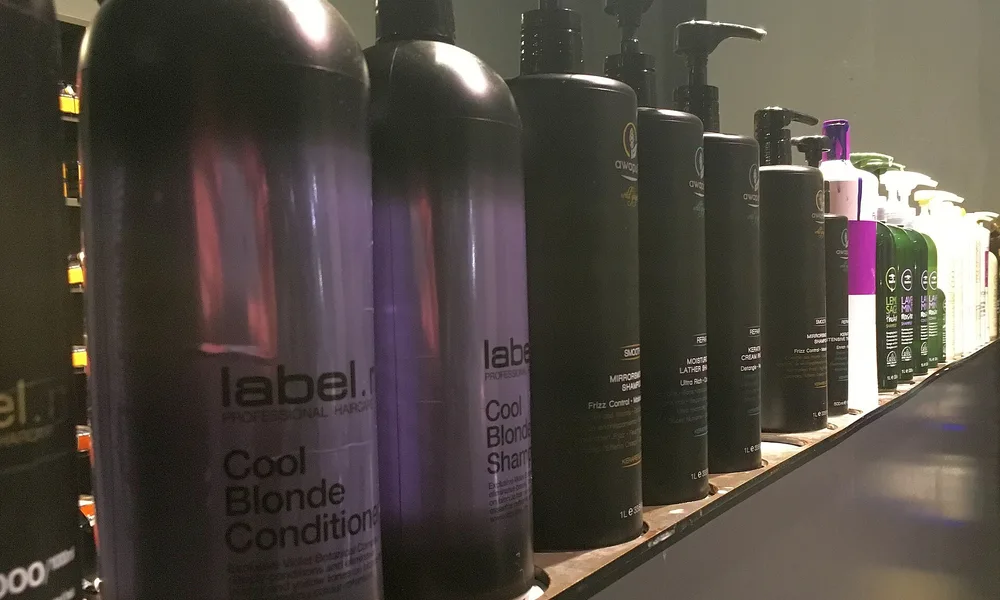
A leave-in conditioner is the most useful conditioner many people never buy, because it works after the shower, when frizz actually appears. Spray or cream leave-ins coat the hair lightly, smooth flyaways, and make combing painless, which matters most for long hair and hair about to be heat styled. Use a pea-sized amount of cream or two or three sprays, work it through damp hair from the ears down, and comb through once. Our guide to the best hair dryers explains which dryers are gentlest on frizz-prone hair.
7. Best weekly treatment: deep treatment hair mask
A deep treatment mask is conditioner turned up to full strength, and it is the right answer when ordinary conditioner stops being enough: hair that feels like straw, ends that split within weeks of a trim, or curls that have lost their shape. Masks sit on the hair for ten to twenty minutes, and they work best on towel-dried hair under a shower cap, because the trapped warmth helps the ingredients sink in. Use one once a week, not daily, because daily masks overload the hair and leave it limp.
Matching conditioner to your hair type
Fine hair needs the lightest touch: a volumising rinse-out conditioner, applied only to the ends, rinsed fully, and never doubled with a leave-in on the same day. Thick hair can take the richest formulas, and often needs them, because there is more hair to moisturise. Wavy hair does best with a light-to-medium conditioner that adds moisture without flattening the wave. Coily and very curly hair needs the most moisture of all, and benefits from the richest rinse-out conditioner plus a leave-in on damp hair. Colour-treated hair needs a colour-protecting formula regardless of texture, and oily hair still needs conditioner on the lengths, just not on the scalp.
How to use conditioner properly
Most conditioner is wasted by bad technique, not by a bad product. Start by squeezing excess water out of your hair after shampooing, because conditioner slides off soaking hair and dilutes before it can work. Apply to the mid-lengths and ends first, then work upward, stopping a few centimetres from the scalp. Comb it through with a wide-tooth comb, which spreads the product evenly and detangles at the same time. Leave it for two to three minutes and rinse with lukewarm water until the hair feels clean but slippery, not squeaky. If your hair tangles badly in the shower, your shampoo may be too harsh, and our guide to the best shampoos for every hair type covers how to pair a gentle shampoo with the right conditioner.
The mistakes that make conditioner fail
The most common mistake is applying conditioner to the scalp, which flattens roots, makes hair greasy within hours, and can irritate the skin. The second is rinsing too quickly, which wastes the product before it has done anything. The third is using far too much: a thick cream conditioner needs a walnut-sized amount for shoulder-length hair, not a palmful, and excess product builds up and dulls the hair. The fourth is using a deep mask every day, which overloads the hair until it goes limp. The fifth is mixing a heavy conditioner with a heavy styling routine, because layers of product accumulate and the hair ends up coated rather than conditioned. The sixth is skipping conditioner entirely, when unconditioned hair breaks more, tangles more, and looks duller. Heat styling makes all of this worse, and our guide to the best and worst hair straighteners shows how the wrong tool can undo weeks of good conditioning.
Conditioner buying checklist
- Identify your hair type first: fine, thick, curly, colour-treated or damaged, and buy for that type, not for the scent.
- Check the texture before you buy: a thin, milky lotion for fine hair, a thick cream for dry or curly hair.
- Look for glycerin, panthenol or light oils for moisture, and hydrolysed protein only if your hair is damaged.
- Start with a small amount and add more only on the ends, because excess conditioner builds up and dulls hair.
- Buy a separate deep treatment mask for weekly use rather than expecting one product to do both jobs.
- Give a new conditioner two weeks before judging it, because hair needs several washes to show the real result.
Frequently asked questions
Should I use conditioner every time I wash my hair?
Yes, for almost everyone. Shampoo removes oils and moisture every time you wash, and conditioner is what puts them back. The exception is very fine hair washed daily, where a lighter conditioner used only on the ends keeps the roots from going flat.
Can I put conditioner on my scalp?
No, unless the product is specifically made for the scalp. Ordinary conditioner on the scalp weighs the roots down, makes hair look greasy faster, and can irritate sensitive skin. Apply from the mid-lengths to the ends, and keep it away from the roots.
What is the difference between conditioner and a hair mask?
A conditioner is a daily or every-wash product that smooths and lightly moisturises in two to three minutes. A mask is a concentrated treatment that sits for ten to twenty minutes and delivers far more moisture and repair, which is why it is used weekly rather than every wash.
Does expensive conditioner work better than cheap conditioner?
Not necessarily. The ingredients that matter, such as conditioning agents, panthenol and light oils, are inexpensive and appear in budget formulas too. Expensive conditioners often win on scent and texture, but a well-chosen budget conditioner beats a poorly chosen luxury one every time.
How long should I leave conditioner in my hair?
Two to three minutes is enough for a rinse-out conditioner, which is roughly the time it takes to wash the rest of your body in the shower. Longer is not better for an ordinary conditioner, though deep masks do need ten to twenty minutes to work properly.
Can conditioner repair split ends?
No product can permanently repair a split end, because split hair is physically torn. Conditioner can temporarily seal the split so it looks and feels smoother, and regular conditioning prevents new splits from forming, but the only real fix for split ends is a trim.
The bottom line
The best conditioner is the one that matches your hair type, applied to the lengths and not the roots, left on for a few minutes, and rinsed properly. Fine hair needs light formulas, dry and curly hair needs rich ones, and damaged hair needs protein in moderation. Get those choices right and your hair stays softer, stronger and easier to manage.