The best shampoo is the one that matches your hair, not the one with the prettiest bottle or the loudest claim on the shelf. Fine hair goes flat under a heavy cream, dry hair stays rough no matter how much you wash it, curly hair needs definition without crunch, and an oily scalp can leave the lengths parched at the same time. Pick the wrong formula and even a good wash day turns into limp roots, frizz, or an itchy scalp by lunchtime.
Most of us buy shampoo the way we always have: we grab the bottle we recognise, or the one on offer, and hope for the best. That habit costs more than it saves. The fix is not spending more money. It is knowing your hair type, reading the first five ingredients, and washing in a way that works with your scalp instead of against it.
This guide compares the best shampoos for every hair type in 2026, from fine and flat to thick, curly, colour-treated, and sensitive, and explains how to build a wash routine that works.
Key Takeaways
- Match the shampoo to your scalp first and your lengths second: a healthy scalp is what makes hair look good between washes.
- Fine hair needs light, volumising formulas with no heavy oils or silicones near the roots; thick and dry hair needs richer, moisturising cleansers.
- Curly and coily hair does best with sulfate-free, creamy formulas and a wash routine that protects the curl pattern.
- Colour-treated hair fades fastest with hot water and strong cleansers: use a sulfate-free shampoo, wash less often, and rinse cool.
- Most people use too much shampoo: a coin-sized amount, massaged into the scalp and rinsed well, is enough.
How We Chose the Best Shampoos for Every Hair Type
We judged every shampoo on the same five tests. First, cleansing power: does it leave the scalp clean without that tight, squeaky feeling that means the natural oils are gone? Second, the match to its hair type: a volumising shampoo should actually lift fine hair, and a moisturising one should leave dry hair softer after rinsing. Third, the ingredient list: gentle cleansers and useful conditioning agents score well, while heavy silicones, drying alcohols, and strong fragrances score badly. Fourth, value: cost per wash.
We also paid attention to who each shampoo is really for. A bottle that claims to suit every hair type usually suits none of them well.
Best Shampoos for Every Hair Type Compared
| Best for | Formula type | Key ingredients | Wash frequency | Price level |
|---|---|---|---|---|
| Fine, flat hair | Light volumising | Rice protein, panthenol | Every 1 to 2 days | Low to mid |
| Dry, damaged hair | Rich moisturising | Shea butter, argan oil | Every 2 to 3 days | Mid |
| Curly and coily hair | Creamy sulfate-free | Coconut oil, aloe, glycerin | Every 3 to 4 days | Mid |
| Oily scalp | Clarifying, balanced | Salicylic acid, tea tree | Every 1 to 2 days | Low to mid |
| Colour-treated hair | Sulfate-free protective | UV filters, keratin | Every 2 to 3 days | Mid to high |
| Sensitive scalp | Fragrance-free gentle | Oat extract, glycerin | Every 2 to 3 days | Mid |

Best for Fine, Flat Hair: Light and Volumising
Fine hair has the least room for error. Each strand is thin, so it is easily weighed down, and oil travels down the shaft fast, which is why fine hair can look greasy a day after washing. The best shampoo for fine hair is a light, clear formula that cleans well and rinses completely clean. Look for volumising shampoos built on rice protein or panthenol, which make each strand feel thicker without adding weight.
What to avoid matters more than what to buy. Heavy oils, butters, and silicones near the roots will flatten fine hair within hours, so keep rich conditioners on the ends only. Wash with lukewarm water and rinse thoroughly: leftover product is the most common reason fine hair goes limp.
Best for Dry, Damaged Hair: Rich and Moisturising
Dry hair is usually damaged hair. Heat styling, colouring, sun, and over-washing all lift the cuticle, the outer layer of each strand, and once it is lifted, moisture escapes and the hair feels rough, tangled, and dull. The best shampoo for dry hair is a creamy, moisturising formula with shea butter, argan oil, or ceramides, which smooth the cuticle and help the hair hold moisture.
Washing less often is the single biggest change you can make. Two or three washes a week is enough for most dry hair. When you do wash, use a coin-sized amount, work it into the scalp only, and let the lather run down the lengths as you rinse.
Best for Curly and Coily Hair: Creamy and Sulfate-Free
Curly hair is drier than straight hair by nature. The oils from the scalp have to travel around every bend of the curl, and most of them never reach the ends. That is why curly hair frizzes and breaks more easily, and why it hates being washed like straight hair. The best shampoo for curly hair is a creamy, sulfate-free formula that cleans gently without stripping the oils the curls need.
Technique matters as much as the bottle. Detangle before you wash, with fingers or a wide-tooth comb, and never brush dry curls. After washing, scrunch out water with a cotton T-shirt or a microfibre towel instead of a rough bath towel, which roughs up the cuticle and creates frizz.
Best for an Oily Scalp: Clarifying but Balanced
An oily scalp is usually a healthy scalp working too hard. The oil glands respond to heat, hormones, stress, and over-washing, and the result is roots that look greasy by the afternoon while the ends stay dry. The best shampoo for an oily scalp cleans effectively without stripping: look for salicylic acid or tea tree, which clear the follicles and keep the scalp balanced.
The trick is to wash the scalp, not the hair. Massage the shampoo into the scalp for a full minute, then let the lather run down the lengths as you rinse. Conditioner goes on the mid-lengths and ends only, never on the roots. And resist the urge to wash twice a day: it feels cleaner in the moment, but it trains the scalp to produce oil faster, and the problem comes back sooner each time.
Best for Colour-Treated Hair: Gentle and Protective
Colour fades fastest in the first two weeks after dyeing, and the main culprits are hot water, strong cleansers, and washing too often. The best shampoo for colour-treated hair is sulfate-free, with a low pH and added UV protection, because sulfates lift colour out of the hair shaft every time you wash.
Wash colour-treated hair in lukewarm or cool water, and wait at least 48 hours after colouring before the first wash, so the colour has time to set. Between washes, dry shampoo keeps the roots fresh, and a hat or a UV spray protects the colour from sun, which fades reds and coppers fastest of all.
Best for a Sensitive Scalp: Fragrance-Free and Simple
A sensitive scalp tells you quickly when a shampoo is wrong: itching, tightness, redness, or flakes that appear a day after washing. The best shampoo for a sensitive scalp is a simple, fragrance-free formula with as few ingredients as possible. Oat extract and glycerin calm and moisturise, while strong fragrances and harsh preservatives are the usual triggers.
Patch-test a new shampoo before you commit to it: use it once, wait two days, and see how your scalp reacts. One gentle cleanser, used consistently, is the fastest way to find out what your scalp actually likes.
Shampoo Bars, Dry Shampoo, and the Extras Worth Trying
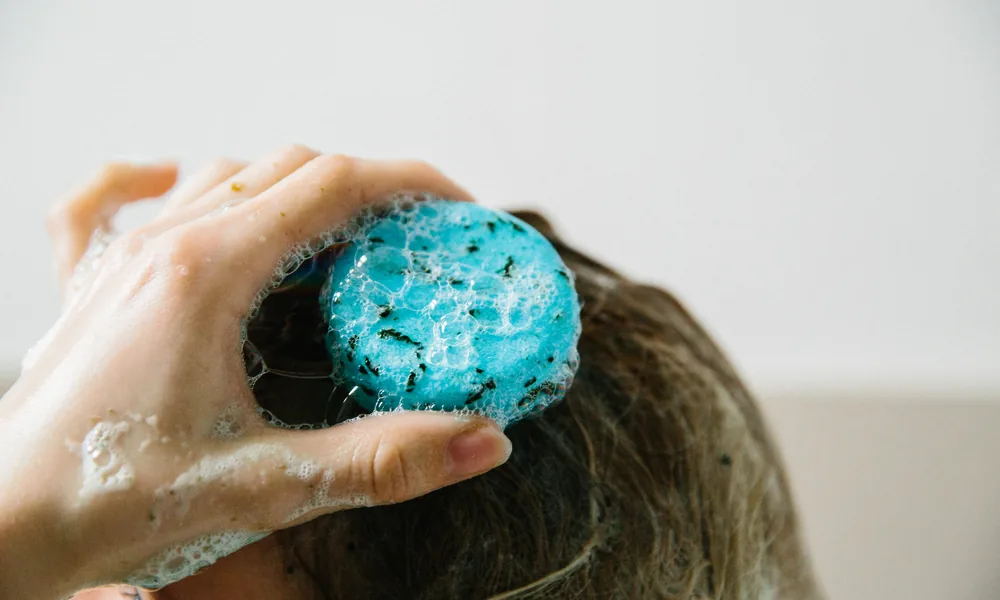
Shampoo bars have moved from a niche idea to a serious option. A good bar lasts as long as two or three bottles, takes up no space in a wash bag, and skips the plastic entirely. They work best on short to medium hair and on anyone who travels light.
Dry shampoo is the other useful extra. It absorbs oil at the roots and buys you a day between washes, which is exactly what colour-treated and curly hair need. Spray it at the roots, wait two minutes, then brush it through. Used daily it can build up and irritate the scalp, so think of it as a bridge between washes, not a replacement for washing.
How to Wash Your Hair Properly
Good washing is a skill, and most of us learned it wrong. Start by wetting the hair thoroughly with lukewarm water: hot water feels good but strips oil and fades colour, while cold water does not clean well. Use a coin-sized amount of shampoo for short to medium hair, work it into the scalp with your fingertips for a full minute, and rinse until the water runs clear.
Follow with conditioner on the mid-lengths and ends, leave it for two minutes, and rinse again. Towel-dry by squeezing, not rubbing. The rest of your bathroom routine matters too. A good shower head with steady pressure rinses shampoo out properly, which is half the battle with thick or curly hair, and keeping your products organised in a proper travel toiletry bag stops bottles leaking into your luggage. Even the old shower versus bath question matters here: a shower rinses shampoo out more thoroughly, while a bath suits a slow, soaking wash when your hair needs a deep treatment.
Shampoo Shopping Checklist
- Identify your hair type and your scalp type separately: they are often different, and the scalp comes first.
- Read the first five ingredients: they tell you more than the claims on the front of the bottle.
- Choose sulfate-free for curly, colour-treated, or sensitive hair, and a gentle volumising formula for fine hair.
- Buy the smallest size first when trying a new shampoo, and give it two weeks before you judge it.
- Check the cost per wash, not the price of the bottle: a concentrated formula that lasts three months is cheaper than a big bottle that runs out in three weeks.
- Keep the routine simple: one good shampoo, used well, beats five products used badly.
Frequently Asked Questions
How often should I wash my hair?
It depends on your hair type. Fine and oily hair usually needs washing every one to two days, while dry, curly, and colour-treated hair does best every two to four days.
Is sulfate-free shampoo better?
For curly, colour-treated, and sensitive hair, yes: sulfates strip oils and colour faster. For fine or very oily hair, a gentle sulfate shampoo can work well, because it cleans more thoroughly.
Why does my shampoo stop working after a while?
It usually has not stopped working: product build-up on the hair and scalp makes it feel less effective. A clarifying wash once a week clears the build-up, and your regular shampoo will feel like new again.
Can I use the same shampoo all year?
You can, but your hair changes with the seasons. Winter air dries hair out, so a richer formula helps, while summer humidity and sweat call for a lighter wash.
How much shampoo should I use?
A coin-sized amount is enough for short to medium hair, and a little more for long or thick hair. Using more does not clean better: it just takes longer to rinse out, and leftover shampoo weighs hair down.
Do expensive shampoos work better than cheap ones?
Not always. The formula matters more than the price, and some of the best shampoos for each hair type cost very little.
The Bottom Line
The best shampoo for your hair is the one that fits your hair type and your scalp, used the right way. Fine hair needs a light volumising wash, dry hair needs moisture, curly hair needs a gentle sulfate-free cream, oily scalps need balance rather than stripping, colour-treated hair needs protection, and sensitive scalps need simplicity. Do that, and the right shampoo will do more for your hair than any expensive treatment.


