
Best Walking Shoes for All-Day Comfort in 2026
The best walking shoes are the ones you stop thinking about. Not the flashiest pair on the shelf, and not the most expensive, but the pair that lets you cover ten miles of city streets, airport terminals, or country paths without your feet staging a protest. In 2026, walking shoes have quietly become one of the best-designed categories in footwear, with light cushioning, grippy soles, and breathable uppers that make long days on your feet genuinely comfortable.
This guide explains what separates a great walking shoe from an average one, compares the main types side by side, and walks you through fit, cushioning, support, and the small details that matter after the first few miles.
Key takeaways
- Walking shoes need cushioning and flexibility, not the stiff support of a running shoe or the flat sole of a fashion trainer.
- Fit is everything: your toes need room to spread, your heel should stay put, and you should try shoes on in the afternoon when your feet are largest.
- A breathable mesh upper keeps feet cool and dry, while a grippy rubber outsole keeps you steady on wet pavements and loose paths.
- Replace walking shoes after roughly 500 miles, or sooner if the cushioning feels flat or the tread is worn smooth.
- Break new shoes in with short walks first, and always carry blister plasters on a long day out.
Why walking shoes are different
Walking and running look similar, but your feet do very different things. When you run, you land hard on your heel or midfoot and push off with force, so running shoes are built for impact and energy return. When you walk, your foot rolls smoothly from heel to toe with each step, and the impact is far gentler. A good walking shoe supports that rolling motion with a flexible sole that bends at the ball of the foot, rather than fighting it.
Fashion trainers are a different problem. They often look like walking shoes but have flat, thin soles, little arch support, and uppers that do not breathe. Proper walking shoes are built around the walking gait: a slightly beveled heel that helps the foot roll forward, cushioning that absorbs the repeated low-level impact of each step, and a roomy toe box that lets your toes spread as they naturally do when you walk.
What makes a great walking shoe
Start with the sole. A walking shoe should bend easily at the ball of the foot, where your foot naturally flexes, and it should twist a little from side to side without feeling floppy. Pick the shoe up and bend it: if it folds in the middle of the arch, it offers no support, and if it barely bends at all, it will fight your stride.
The outsole matters more than most people think. A full rubber outsole with a clear tread pattern grips wet pavements, loose gravel, and polished floors, while a smooth or partly exposed foam sole wears down fast and slips when it rains. The upper should be breathable mesh or a light leather, with no stiff seams across the toes or the heel.
Arch support and your foot type
Feet come in three broad types, and the right support depends on yours. If your arch is high, your foot is rigid and needs cushioning to absorb impact. If your arch is low or flat, your foot rolls inward more, and you need a shoe with a firmer midsole and a little structure to keep it aligned. If your arch is neutral, most well-made walking shoes will suit you.

The best walking shoes at a glance
| Shoe type | Best for | Weight | Water resistance | Approx. price |
|---|---|---|---|---|
| Lightweight mesh walkers | City days and travel | Light | Low | $70–$130 |
| Cushioned comfort walkers | Long days on your feet | Medium | Low | $80–$150 |
| Waterproof walking shoes | Wet weather and trails | Medium | High | $90–$170 |
| Leather walking shoes | Work and smart-casual days | Medium | Medium | $90–$160 |
| Trail walking shoes | Paths and uneven ground | Medium-heavy | Medium | $85–$160 |
| Slip-on walking shoes | Quick errands and airports | Light | Low | $60–$120 |
How to get the fit right
Fit is the difference between a shoe you love and a shoe that lives in the back of the cupboard. Always try walking shoes on in the afternoon, when your feet are at their largest, and wear the socks you will actually walk in. There should be a thumb’s width of space between your longest toe and the end of the shoe, because your feet slide forward slightly with every step and swell as the day goes on. Your toes should be able to wiggle, and the widest part of your foot should sit on the widest part of the shoe.
Walk around the shop properly, not just a few steps on carpet. Walk on a hard floor, go up and down any steps, and turn sharply. Your heel should stay in place without the shoe gripping so tightly that it rubs, and the shoe should not slip at the heel when you walk. For a closer look at how running shoes differ in fit and feel, see our guide to the best running shoes for every kind of runner in 2026.
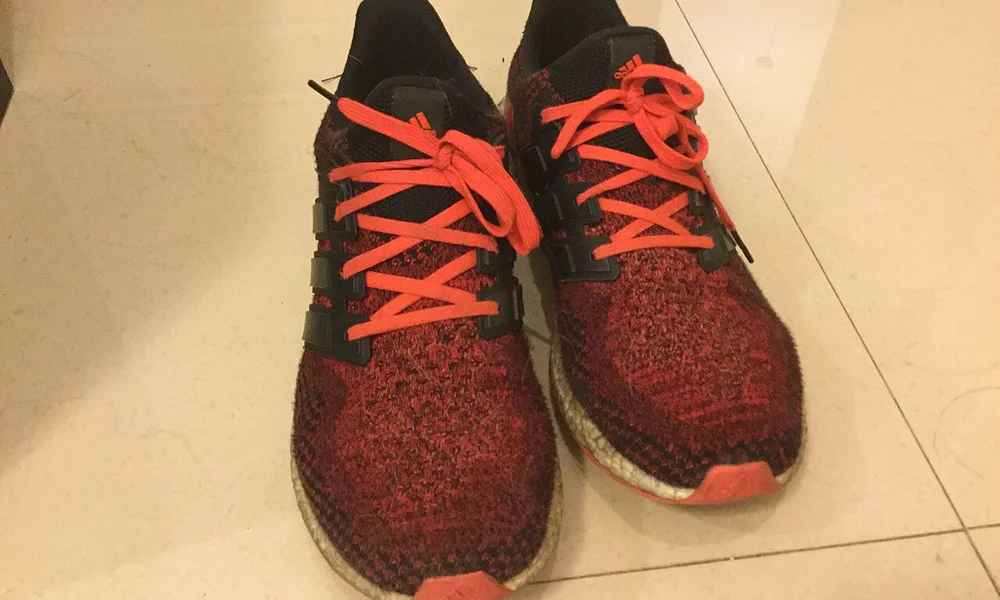
Do not trust the size on the box. Sizes vary between brands, and sometimes between models from the same brand, so always go by how the shoe feels on your foot. If you wear orthotics or custom insoles, bring them to the fitting and try the shoe with them in place.
Cushioning, materials, and weather
Cushioning is the feature most walkers notice first, and the one that fades first as a shoe ages. Modern foam midsoles are light and springy, and they make a real difference on hard surfaces like concrete and tarmac. The best walking shoes find the middle ground, with enough softness to be comfortable and enough firmness to keep your foot stable.
Materials decide how the shoe handles weather. Breathable mesh keeps your feet cool and dry in warm weather, which prevents blisters, but it soaks through in rain. Waterproof membranes keep rain out, but they also trap heat, so they suit cold and wet climates better than hot ones. Leather looks smarter and handles light rain well, but it is heavier and needs breaking in. For most people, a breathable mesh shoe plus a waterproof pair for wet days covers everything. Everyday trainers share many of the same features, so compare them in our guide to the best sneakers for everyday wear in 2026 before you decide.
Breaking in and looking after your shoes
New walking shoes need a few short walks before a long day out. Wear them around the house and on short errands for a week, and build up the distance gradually. This lets the materials soften, the insole mould to your foot, and any sore spots show up while you are still close to home. Do not try to break in new shoes on a ten-mile walk: that is how blisters happen.
Looking after your shoes extends their life considerably. And keep track of the miles: most walking shoes lose their cushioning after about 500 miles, even if the uppers still look fine. If your feet start aching on walks that used to feel easy, the shoes are probably done, even if they look like they have years left.
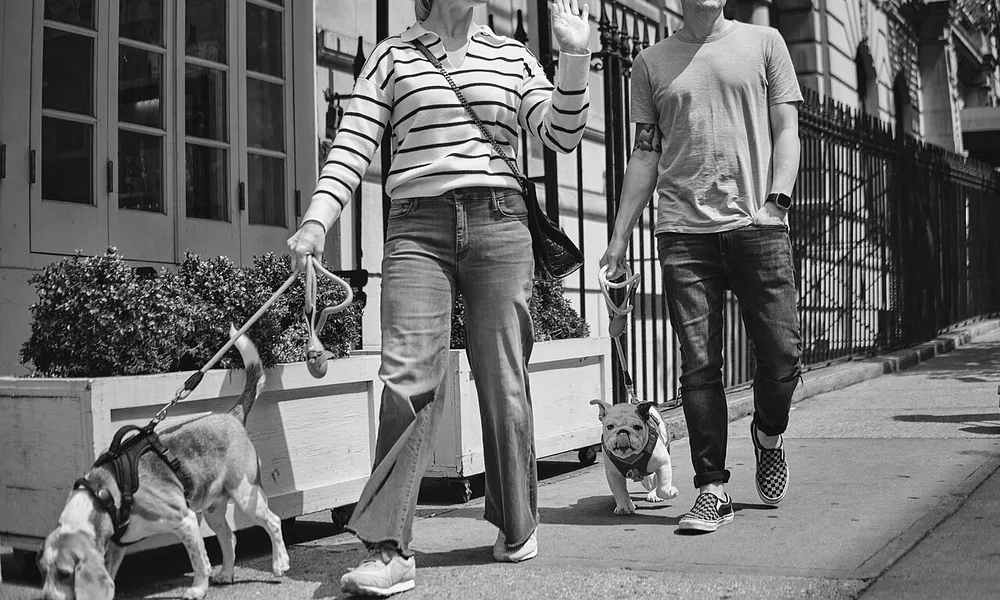
Walking shoes for different days
City days call for a light, breathable mesh shoe with a grippy sole and enough cushioning for hard pavements. Travel days are similar, but add easy on and off for airport security, and a sole that grips polished floors. Slip-on walking shoes shine here, though a lace-up with a quick lacing system works just as well.
Trail and country walking needs a different shoe: a deeper tread, a sturdier toe cap to protect against stones, and a little more ankle support. Waterproofing matters here too, because paths stay wet long after the rain stops. And for hot weather, sandals can be a better choice than shoes for short walks, though they offer less support over long distances, as explained in our guide to the best sandals for warm weather in 2026.
Evening walks deserve a thought too. If you walk after dark, look for shoes with reflective details on the heel or sides, because drivers see reflective strips long before they see dark clothing. A light-coloured upper helps as well, and it has the side benefit of showing dirt sooner, so you notice when the tread needs cleaning. Small details like these cost nothing and make a real difference on winter evenings.
Common mistakes to avoid
The most common mistake is buying shoes for how they look rather than how they fit. A good-looking shoe that pinches will spend its life in the cupboard, while a plain shoe that fits perfectly will carry you for hundreds of miles. The third is ignoring the socks. Thick hiking socks change the fit completely, and cotton socks hold sweat and cause blisters, so buy proper walking socks and try your shoes on with them.
Before you buy checklist
- Try shoes on in the afternoon, wearing the socks you will walk in, and try both shoes.
- Check for a thumb’s width of space at the toes, and make sure your toes can wiggle freely.
- Bend the shoe: it should flex at the ball of the foot, not in the middle of the arch.
- Walk on a hard floor for five minutes and check that your heel stays put without rubbing.
- Look for a breathable upper, a grippy rubber outsole, and cushioning that springs back when pressed.
- Check the inside for seams across the toes or heel that could rub and cause blisters.
Frequently asked questions
How should walking shoes fit?
They should fit snugly around the heel and midfoot, with a thumb’s width of space at the toes and room for your toes to wiggle. Your heel should not slip when you walk, and the shoe should bend at the ball of your foot.
Are running shoes good for walking?
They can work, but they are not ideal. Running shoes are built for hard impact and energy return, with a stiff, curved sole that suits running. Walking shoes are more flexible, with a flatter profile that supports the natural heel-to-toe roll of walking.
How long do walking shoes last?
Most walking shoes last around 500 miles before the cushioning flattens and the tread wears down, though this varies with your weight, the surfaces you walk on, and the shoe itself.
Do I need waterproof walking shoes?
Only if you walk in wet weather regularly. Waterproof shoes keep rain out but trap heat, so they are best for cold, wet climates. In warm, dry weather, a breathable mesh shoe is more comfortable.
What socks should I wear with walking shoes?
Moisture-wicking walking socks made from merino wool or a synthetic blend are best. They keep your feet dry, reduce friction, and cushion the areas that rub most.
Can I wear walking shoes every day?
Yes, and many people do. A good walking shoe is comfortable enough for all-day wear, and it supports your feet better than most fashion trainers.
The bottom line
The best walking shoes for all-day comfort in 2026 are light, flexible, breathable, and fitted to your feet, not to a size chart. Get the fit right in the afternoon, choose cushioning that springs back, and pick the sole and upper for the walking you actually do. Break them in gently, look after them, and replace them when the cushioning goes flat.


