The best running shoes 2026 has to offer are faster, softer, and more forgiving than anything runners could buy even two years ago. Foam compounds that once belonged only in elite racing shoes have filtered down into everyday trainers, and the gap between a comfortable daily shoe and a race-day weapon has never been smaller. Whether you run five kilometres before work or you are building towards a marathon, this year’s field gives you a shoe that fits your stride, your budget, and your goals.
Choosing well matters more than most runners realise. The wrong shoe will not just feel uncomfortable; it can quietly change how your foot lands, how your knees track, and how fresh your legs feel the morning after a long run. The right shoe disappears on your foot. It cushions the impact, returns a little energy with every step, and lets you think about your run instead of your feet. That is the standard every shoe in this guide had to meet.
Below, we compare the strongest all-round road running shoes you can buy in 2026, explain what each one does best, and show you how to pick the pair that suits your feet. We tested these shoes across easy days, tempo sessions, long runs, and wet pavements, judging them on comfort, cushioning, weight, durability, grip, and value. These are the shoes we would buy with our own money.
Key takeaways
- Fit matters more than brand: buy the shoe that suits your foot shape, arch, and running style, not the one with the loudest marketing.
- Most runners are best served by a cushioned daily trainer with a heel-to-toe drop of 8 to 10 millimetres.
- Rotate two pairs if you run four or more times a week: your shoes last longer and your legs recover better.
- Replace running shoes after roughly 500 to 800 kilometres, or sooner if the foam feels flat or the outsole is worn smooth.
- Shop in the afternoon, wear your running socks, and leave a thumb’s width of space in front of your longest toe.
How We Picked the Best Running Shoes of 2026
We started with every major road running shoe released or updated for 2026, then narrowed the field to the models that earned their place through comfort, consistency, and value. Each shoe was run in for at least 80 kilometres before we formed a view, because foam softens, uppers stretch, and a shoe that feels stiff on day one can feel superb by week two. We ran in dry weather and in rain, on smooth tarmac and on cracked pavements, at easy pace and at tempo pace.
The Best Running Shoes of 2026 at a Glance
The table below sums up our top picks. Every shoe here is a road shoe built for paved surfaces, and every one of them earned its place through weeks of testing rather than a single run.
| Shoe type | Best for | Weight | Drop | Price range |
|---|---|---|---|---|
| Daily trainer | Everyday running | 250–280 g | 8–10 mm | Mid-range |
| Max-cushion cruiser | Long runs and recovery | 280–310 g | 8–10 mm | Premium |
| Lightweight tempo shoe | Faster sessions | 210–240 g | 6–8 mm | Premium |
| Budget trainer | New runners | 260–290 g | 8–10 mm | Budget |
| Stability shoe | Overpronators | 270–300 g | 8–10 mm | Mid-range |
| Race-day shoe | Personal bests | 190–220 g | 6–8 mm | Premium |
Best Overall Daily Trainer
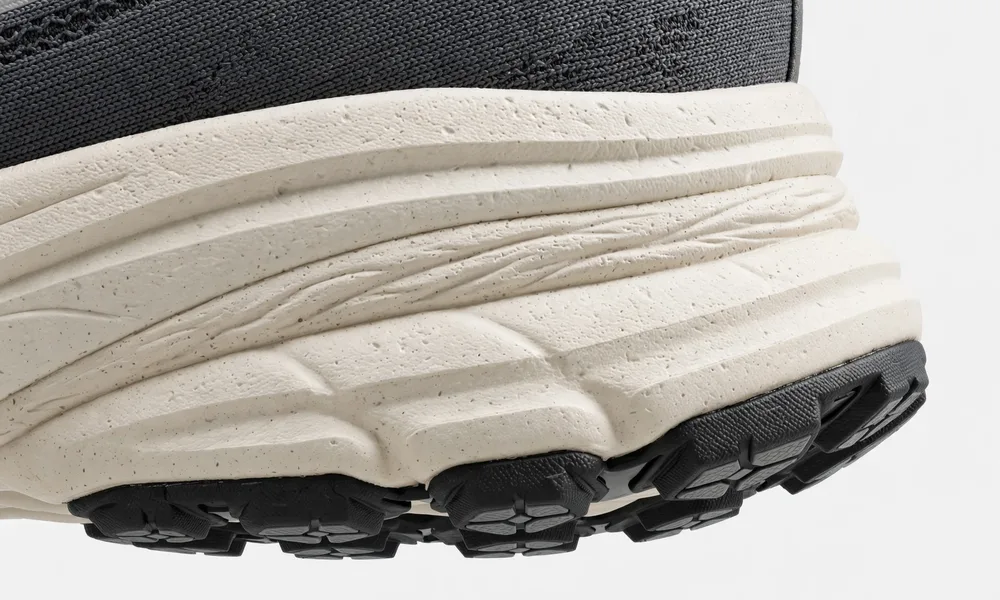
The daily trainer is the workhorse of any running wardrobe, and the best one of 2026 is the shoe we reach for most often. It pairs a soft, responsive foam midsole with a breathable engineered mesh upper and enough outsole rubber to survive hundreds of kilometres. It feels plush on an easy morning jog yet still responds when you pick up the pace for a tempo finish.
This is the shoe to buy if you only want one pair. It handles easy days, long runs, and the odd faster workout, and it transitions happily from the road to the gym or the school run. If your feet are wider than average, look at our guide to the best running shoes for wide feet before you decide, because fit is the one thing no amount of foam can fix.
Best for Long Runs
The max-cushion cruiser in this category stacks a thick layer of nitrogen-infused foam underfoot. It feels almost impossibly soft on the first step, yet it does not collapse under load the way some soft shoes do. The broad platform keeps you stable as you fatigue, and the outsole uses durable rubber in the high-wear zones so the shoe survives a full training block. It is heavier than a racer, but on a long run you will trade a few grams for comfort every time.
One warning: very soft shoes can feel unstable if you have weak ankles or you run on cambered roads. If you tend to roll inward, a stability option may serve you better. And if your long runs often leave the pavement, our roundup of the best trail running shoes covers the shoes built for loose surfaces.
Best Lightweight Tempo Shoe
Some days you want to run fast, and a heavy trainer will hold you back. The best tempo shoe of 2026 weighs barely more than 200 grams yet still offers enough cushioning for a full hour of hard running. It uses a firmer, snappier foam that returns energy instead of absorbing it, and a thin, breathable upper that disappears on your foot.
This is not a shoe for every day. The firmer ride can feel harsh on easy runs, and the lightweight outsole wears faster than a trainer’s. But for interval sessions, tempo runs, and 5K or 10K races, it is superb. The lower drop of around 7 millimetres encourages a midfoot landing, which suits runners with good form. Beginners should build up to it gradually rather than switching overnight.
Best Budget Pick
You do not need to spend a fortune to run well. The best budget running shoe of 2026 costs roughly half the price of the premium options, yet it delivers a genuinely good running experience: a comfortable, well-fitting upper, a forgiving midsole, and an outsole that holds up to regular use. It will not feel as lively as the most expensive shoes, but for a new runner or a second pair, it is excellent value.
Best Stability Shoe
Some runners overpronate: their feet roll inward more than average when they land. For them, a neutral shoe can feel unstable, and a stability shoe makes a real difference. The best stability shoe of 2026 uses a firmer wedge of foam on the inner side of the midsole and a wider platform to guide the foot gently, without the harsh, rigid posts that made old stability shoes feel like bricks.
Modern stability is subtle. The best shoes in this category feel almost like neutral trainers, with just enough guidance to keep your foot tracking straight. They suit runners who overpronate mildly to moderately, and they are also a good choice for heavier runners who want extra support. If you are unsure whether you overpronate, check the wear pattern on your old shoes: heavy wear on the inner edge of the heel and forefoot is a clue.
How to Choose the Right Running Shoe
Start with your running. How many kilometres do you run each week, on what surfaces, and at what pace? A runner doing 15 kilometres a week on pavements needs a different shoe from someone training for a marathon on mixed terrain. Be honest about your mileage: the right shoe for your real routine beats the right shoe for the routine you wish you had.
Next, think about your feet. Do you have high arches, flat feet, wide feet, or narrow heels? High arches usually need more cushioning, flat feet often benefit from a little stability, and wide feet need a roomy toe box. Your old shoes are a useful guide: look at where the outsole has worn and where the upper has stretched, and tell the shop assistant what you see.
Running Shoe Checklist Before You Buy
Use this checklist every time you buy running shoes, whether it is your first pair or your fiftieth. It takes two minutes and saves you from the most common mistakes.
- Measure both feet standing up, in the afternoon, wearing your running socks, and shop for the larger foot.
- Leave a thumb’s width of space between your longest toe and the end of the shoe.
- Check the heel: it should feel snug with no slipping when you walk, but not tight enough to rub.
- Flex the shoe: it should bend where your foot bends, at the ball of the foot, not in the middle.
- Consider your running surface: road shoes for tarmac, trail shoes for loose ground, and never the other way round.
- Think about rotation: if you run four or more times a week, a second pair will extend the life of both.

Frequently Asked Questions
How much should I spend on running shoes in 2026?
Most runners will be happy with a shoe in the mid-range, which offers the best balance of comfort, durability, and performance. Budget shoes are genuinely good now, so new runners need not spend more. Premium shoes are worth it if you run high mileage or want the lightest, most responsive ride, but they are not essential for enjoying running.
Should I buy running shoes a size bigger?
Most runners go up half a size from their everyday shoes, because feet swell during a run and toes need room to spread. The right test is the thumb’s width rule: with the shoe laced up and your foot pushed to the back, you should be able to fit your thumb between your longest toe and the front of the shoe. If in doubt, size up rather than down.
Can I use running shoes for walking?
Yes, running shoes make excellent walking shoes, and many people wear them all day. The cushioning and support that help on a run also help on a long walk. The only downside is that walking wears the foam down just as running does, so a shoe used for daily walking will need replacing sooner. If you walk a lot, consider a dedicated pair.
Do expensive running shoes make you faster?
They can help, but only a little. The fastest racing shoes use carbon plates and super foams that genuinely improve running economy, and they are worth seconds per kilometre for competitive runners. For most of us, the bigger gains come from consistent training, good sleep, and shoes that fit well enough to keep us running injury-free.
How do I stop my running shoes from smelling?
Take the insoles out after each run and let the shoes dry in fresh air, away from direct heat. Stuffing them with newspaper absorbs moisture overnight. Rotate two pairs so neither stays damp for long, and wash the insoles occasionally. Never put running shoes in a tumble dryer, and avoid the washing machine unless the manufacturer says it is safe.
What should I listen to on a run?
Many runners like music or a podcast to pass the miles, and a good pair of running headphones makes a real difference. If you run with sound, choose something that stays secure and lets you hear traffic. Our guide to the best wireless earbuds for running compares the options that stay put through sweat, rain, and long runs.
The Bottom Line
The best running shoes of 2026 make running easier, kinder, and more enjoyable than ever before. Start with a cushioned daily trainer that fits your feet, add a second pair when your mileage grows, and replace them before the foam gives up. The shoe will not do the running for you, but the right one will make every run feel a little bit better, and that is reason enough to choose carefully.