Finding the best running shoes for wide feet in 2026 should not feel like a gamble, yet for millions of runners it does. Standard running shoes are built on a narrow last, which means the forefoot squeezes the toes, the midfoot pinches on long runs, and the little toe ends up numb by mile three.
Wide feet are far more common than most shoe brands admit.
This guide compares the strongest wide-fit running shoes you can buy this year, explains how to tell whether you need a wide, extra-wide, or simply a roomier standard shoe, and gives you a fit checklist you can use in the shop or at home.
Key takeaways
- Wide feet need a wider last, not just a bigger size.
- Look for a roomy, rounded toe box, stretchy engineered mesh, and a platform wide enough that your foot sits inside the midsole.
- Measure both feet at the end of the day, standing up, and shop for the larger foot.
- Break wide shoes in with two or three short runs before race day, and re-check the fit once the upper has softened.

Why Wide Feet Need Different Running Shoes
A running shoe is built around a last, the foot-shaped form that decides its length, width, and volume. When a wider foot goes into that shape, the upper stretches sideways, the laces pull the eyelets together, and the midsole compresses unevenly under the forefoot.
The discomfort is not just annoying; it changes how you run. A cramped forefoot stops the toes from spreading at push-off, which is one of the main ways the foot absorbs shock and generates power. A properly wide shoe lets the foot work the way it was designed to, which is why the right width often feels like a bigger upgrade than a new cushioning foam.
Signs Your Running Shoes Are Too Narrow
The clearest sign is pain or numbness in the forefoot that fades within minutes of taking your shoes off. If you always loosen the laces as far as they go and still feel pinched, no amount of lacing technique will fix it; you need a wider last.
Wide vs Extra Wide vs Roomy Standard Shoes
Most major brands now label widths clearly. A 2E width for men, or a D width for women, is the standard wide option and suits most runners with broad feet. A 4E width for men, or a 2E width for women, is extra wide and fits a genuinely broad forefoot.
How We Picked the Best Running Shoes for Wide Feet in 2026
We started with every current running shoe that offers a genuine wide or extra-wide version, then filtered for models with a roomy toe box, a stable platform, and a durable outsole.
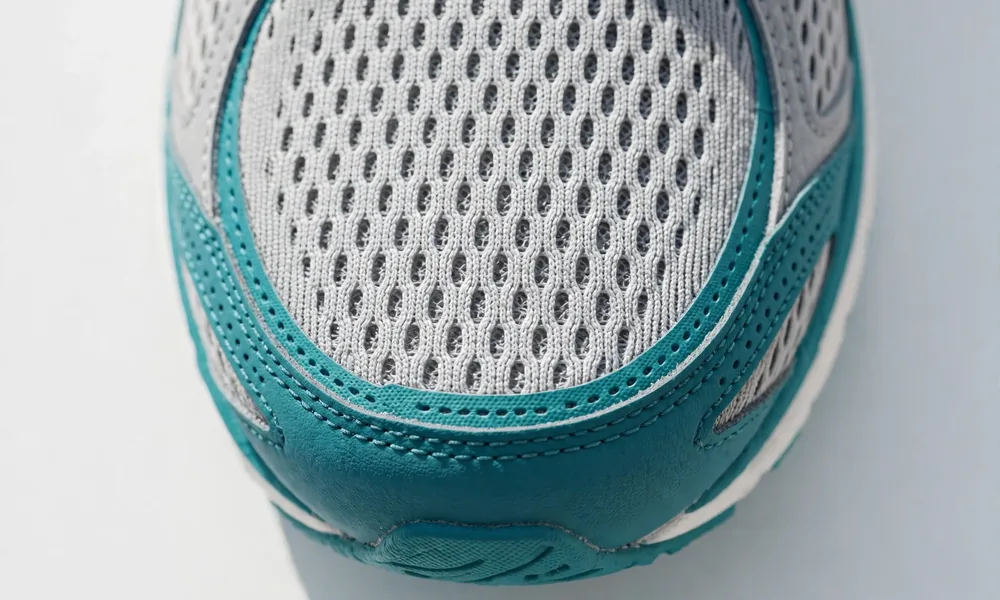
We also paid attention to the details that matter most to wide-footed runners. A stretchy engineered mesh upper forgives a broad forefoot far better than a stiff overlay, a wide flat platform keeps the foot centred instead of rolling off the edge, and a firm heel counter matters because a wider foot needs the heel locked down to stop the shoe feeling sloppy.
The Best Running Shoes for Wide Feet in 2026
1. Best Overall: New Balance Fresh Foam X 1080v15 Wide
The Fresh Foam X 1080v15 in wide is the most complete package in this guide. Its Fresh Foam X midsole is soft without feeling mushy, the engineered mesh upper stretches gently over a broad forefoot, and the wide version genuinely feels wider rather than just longer. It handles easy days, long runs, and the occasional tempo session with equal ease, and the outsole lasts well beyond 400 miles.
2. Best Cushioning: Brooks Ghost 17 Wide
The Brooks Ghost 17 Wide is the softest shoe in this guide and the best choice for runners who want maximum comfort on every run. Its DNA Loft cushioning feels plush from the first step, the wide version offers generous room across the forefoot, and the smooth ride suits runners who log most of their miles at an easy pace. It also doubles as one of the best travel shoes for walking all day, since the same soft cushioning and roomy fit feel great off the run too.
3. Best for Stability: Saucony Guide 18 Wide
The Saucony Guide 18 Wide is the best option for wide-footed runners who overpronate or want extra support. Its medial support is built into the midsole rather than bolted on, so the guidance feels smooth instead of intrusive, and the wide last keeps the forefoot comfortable while the midfoot stays controlled. The cushioning is firmer than the Ghost, which suits heavier runners and anyone who prefers a more responsive feel.
4. Best for Long Runs: ASICS Gel-Nimbus 27 Wide
The ASICS Gel-Nimbus 27 Wide is built for runners who want maximum cushioning over long distances. Its thick, soft midsole absorbs impact beautifully, the wide version has a genuinely spacious toe box, and the engineered mesh upper stretches to accommodate a broad forefoot without pressure points. It is the most protective shoe in this guide, and it shines on runs over ten miles.
5. Best Value: New Balance Fresh Foam X 880v15 Wide
The Fresh Foam X 880v15 Wide delivers most of the 1080’s comfort at a lower price, which makes it the best value pick in this guide. The cushioning is a touch firmer, the upper is a little less plush, but the wide fit is just as generous and the ride is just as dependable. It is an excellent first wide running shoe and a smart choice for high-mileage runners who wear through shoes quickly.
6. Best for Trail Running: Brooks Cascadia 18 Wide
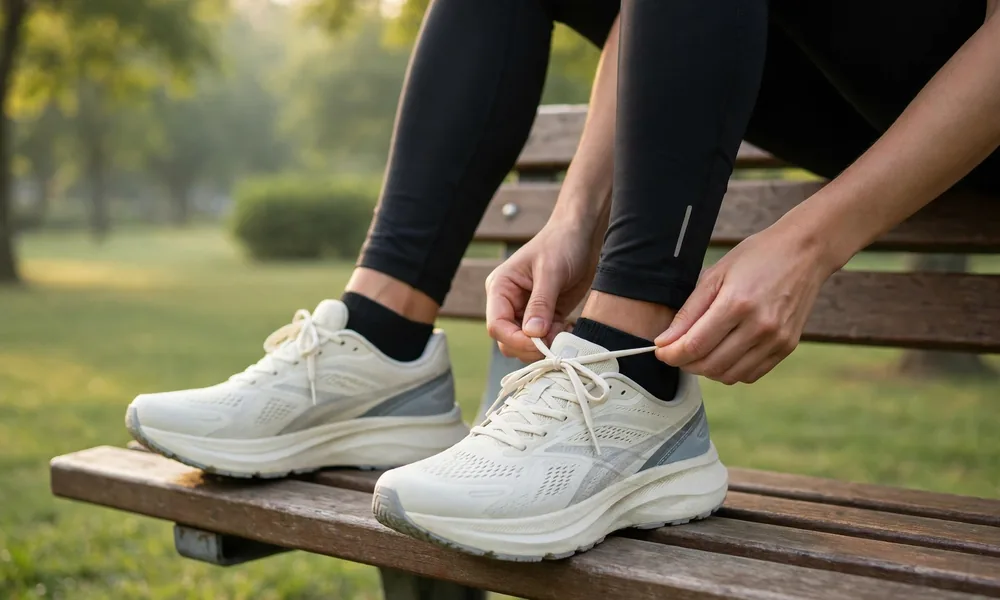
The Brooks Cascadia 18 Wide is the best wide option for runners who leave the road behind. Its rugged outsole grips mud, gravel, and wet rock, the wide last gives toes room to spread on uneven ground, and the protective rock plate shields the forefoot from sharp stones. Fit is true to size in wide, with a roomy toe box and a secure midfoot that stops the foot sliding around on descents. If you want to compare road and trail options side by side, our guide to the best trail running shoes of 2026 covers the strongest trail picks in more detail.
7. Best Lightweight: Hoka Clifton 10 Wide
The Hoka Clifton 10 Wide is the lightest shoe in this guide and the best choice for runners who want a wide fit without bulk. Its thick-looking midsole is surprisingly light, the wide version offers real forefoot room, and the smooth rocker shape encourages an efficient stride. It is a great option for tempo runs, faster daily miles, and runners who dislike heavy shoes. The Clifton fits a moderately wide foot best; very broad feet may still feel the edges.
8. Best Extra Wide: New Balance Fresh Foam X More v6 4E
The Fresh Foam X More v6 in 4E is the pick for runners who find even standard wide shoes too narrow. Its extra-wide last offers the most forefoot space in this guide, the deep cushioning is supremely comfortable, and the broad platform keeps a very wide foot fully supported. It is the most forgiving shoe here for bunions, a broad forefoot, or feet that have widened significantly with age.
Best Running Shoes for Wide Feet 2026: Comparison Table
| Shoe | Best For | Widths | Weight | Drop | Price Range |
|---|---|---|---|---|---|
| New Balance Fresh Foam X 1080v15 Wide | Overall | 2E, 4E | 10.0 oz | 6 mm | High |
| Brooks Ghost 17 Wide | Cushioning | 2E, 4E | 10.1 oz | 10 mm | Mid |
| Saucony Guide 18 Wide | Stability | 2E | 10.4 oz | 6 mm | Mid |
| ASICS Gel-Nimbus 27 Wide | Long runs | 2E, 4E | 10.8 oz | 8 mm | High |
| New Balance Fresh Foam X 880v15 Wide | Value | 2E, 4E | 10.3 oz | 8 mm | Mid |
| Brooks Cascadia 18 Wide | Trail running | 2E | 11.2 oz | 8 mm | Mid |
| Hoka Clifton 10 Wide | Lightweight | 2E | 8.8 oz | 8 mm | Mid |
| New Balance Fresh Foam X More v6 4E | Extra wide | 4E | 11.0 oz | 4 mm | High |
Weights are for a men’s size 9 in the wide width, and prices are typical retail ranges at the time of writing.
How to Find Your Perfect Fit
Start by measuring your feet properly. Stand on a piece of paper at the end of the day, when your feet are at their largest, and trace around each foot with a pen held upright.
When you try shoes on, wear the socks you run in and leave a thumb’s width of space in front of your longest toe. The widest part of your foot should line up with the widest part of the shoe, and you should be able to wiggle your toes freely. If you feel pinching in the shop, it will only get worse on a run. The same roomy-fit logic applies beyond running, so if you travel often, check our roundup of the best walking shoes for travel in 2026 before your next trip.
Remember that uppers soften with wear, so a shoe that feels slightly snug across the forefoot on day one may fit perfectly after a week, but a shoe that hurts on the first try will never become comfortable. Break new shoes in with two or three short runs before committing to a long run or a race, and re-check the fit once the upper has settled.

Wide Running Shoe Fit Checklist
- Measure both feet standing up, at the end of the day, and shop for the larger foot.
- Leave a thumb’s width of space in front of your longest toe.
- Line up the widest part of your foot with the widest part of the shoe.
- Wiggle your toes freely; if they cannot spread, the shoe is too narrow.
- Check your foot sits inside the midsole with no overhang.
- Break new shoes in with two or three short runs before race day.
Frequently Asked Questions
Do I really need wide running shoes, or should I just size up?
Sizing up is a poor substitute for a wider shoe. A longer shoe leaves the heel slipping and the arch support in the wrong place, while the forefoot can still feel cramped.
What width should I buy for wide feet?
Most runners with wide feet need a 2E width in men’s sizes or a D width in women’s sizes. If your forefoot is very broad, if you have bunions, or if 2E shoes still pinch, try a 4E men’s or 2E women’s width.
Are wide running shoes heavier than standard ones?
Wide versions of the same shoe are usually only a fraction of an ounce heavier, because the extra material is minimal. The weight differences in this guide come from the shoes themselves, not their width.
Can I wear wide running shoes for walking and everyday use?
Yes, and many runners do. Wide running shoes make excellent walking shoes and everyday trainers, especially if you spend long hours on your feet.
How long do wide running shoes last?
Most wide running shoes last between 300 and 500 miles, depending on the model, your weight, and the surfaces you run on.
Which wide running shoe is best for flat feet?
Runners with flat feet and wide feet usually do best in a wide stability shoe such as the Saucony Guide 18 Wide, which controls overpronation while giving the forefoot room.
The Bottom Line
The best running shoes for wide feet in 2026 prove that comfort and performance no longer have to be a trade-off. Start with the New Balance Fresh Foam X 1080v15 Wide if you want one shoe that does everything well, pick the Brooks Ghost 17 Wide for maximum softness, or choose the Fresh Foam X More v6 in 4E if even standard wide shoes feel tight. Measure your feet, try the wide version first, and give your toes the room they need.