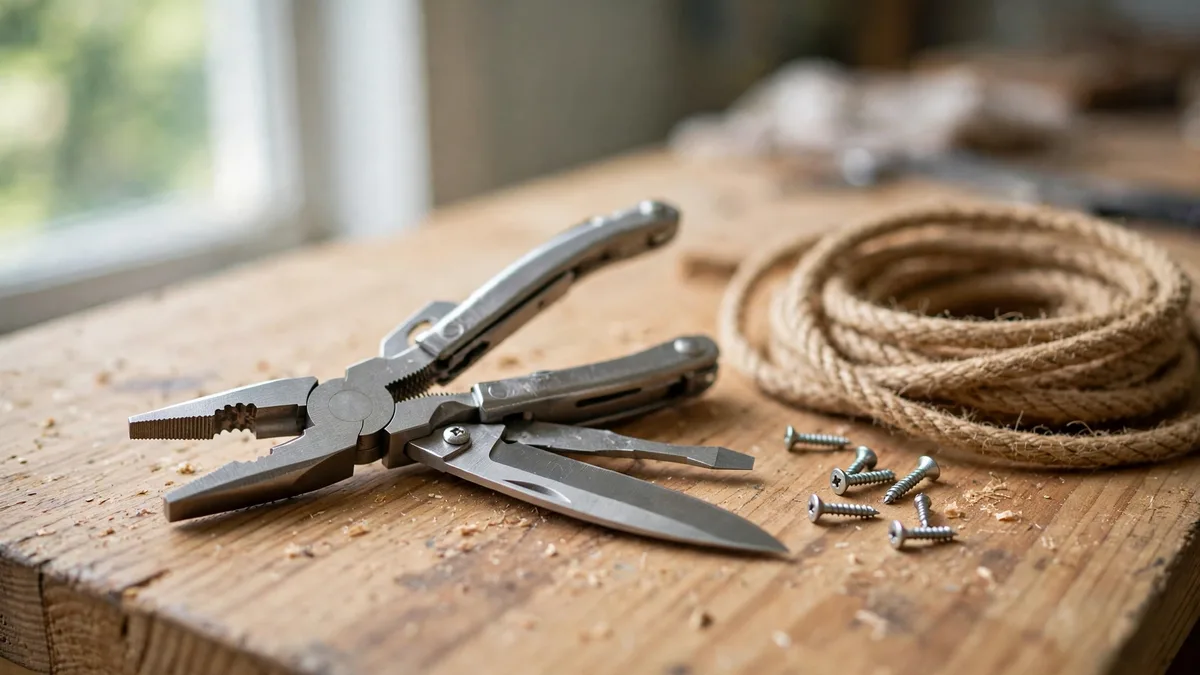
Pliers are the quiet workhorses of the toolbox, and the ones most people buy without a second thought. They pull a nail, grip a bolt, bend a wire, cut a cable, and hold a nut still while a spanner turns it, and when they work well you barely notice them at all. When they work badly, the jaws slip off the wire, the handles flex in your palm, and a simple five-minute job turns into a grazed knuckle and a ruined fastener. The difference between good pliers and bad pliers is rarely obvious in the shop, where both look solid and both promise a comfortable grip on the packaging.
The gap between the best and the worst pliers in 2026 is wider than the price tags suggest. Two pairs can share the same length, the same red grips, and the same shiny finish, yet one will still be gripping firmly in twenty years while the other has a wobbly pivot, chipped cutting edges, and jaws that no longer meet. The difference lives in the steel, the pivot, the jaws, and the way the handles fit your hand, and it only shows up once you start using them for real work.
Key Takeaways
- The best pliers grip firmly, cut cleanly, and keep their jaws aligned for decades; the worst slip, flex, and go loose at the pivot.
- Match the pliers to the job: combination pliers for general work, needle-nose pliers for tight spaces, and cutting pliers for wire and cable.
- Forged chrome vanadium steel holds its shape and resists rust; soft cast steel bends, chips, and dulls after a few months.
- A tight, smooth pivot is the heart of the tool; a loose or grinding pivot makes even good jaws useless.
- Buy the sizes you actually use, keep them clean and dry, and retire a pair the moment the jaws stop meeting evenly.
Pick the Right Type First
Before looking at any single pair, decide what kind of work you will actually do. Combination pliers are the household standard: they grip, bend, twist, and cut, and a 200mm pair covers most home jobs from pulling nails to bending wire and tightening small fittings. Needle-nose pliers, with their long slim jaws, reach into tight spaces where fingers cannot go, which makes them the right choice for electronics, jewellery, and fiddly repairs inside appliances.
Other pliers suit narrower jobs. Long-nose pliers bend wire into loops and hold small parts steady while you solder or glue, and bent-nose pliers reach around corners in cramped housings. Locking pliers clamp onto a bolt or a sheet of metal and stay put, freeing both hands, and they are invaluable for seized fasteners and welding. If your jobs also need nails driven before anything is gripped, our guide to the best versus the worst hammers in 2026 compares the hammers worth buying across every type.

What Separates the Best From the Worst
The best pliers start with the steel. A well-forged pair is made from chrome vanadium steel, hardened so the jaws keep their shape and the cutting edges stay sharp through years of use, and finished so the surface resists rust in a damp garage. The pivot is a tight, smooth rivet or bolt that lets the handles open and close with a firm, even action and never develops play.
The worst pliers fail at the pivot first, and everywhere else soon after. The steel is soft or cast rather than forged, so the jaws bend under load, the teeth wear smooth, and the cutting edges chip the first time they meet a hard wire. The jaws may not even meet properly when new, leaving a gap that lets thin wire slip through, or they may be misaligned, so they grip on one edge only. The pivot is loose from the start, or it wears quickly, so the handles wobble sideways and the jaws twist apart under pressure, which is not just annoying but dangerous when you are gripping something under tension.
Grip, Jaws and the Pivot
Grip is what pliers are for, and the details decide whether a pair holds or slips. Flat jaws with fine, even serrations grip a bolt or a wire without marking it badly, while pipe-grip jaws, with their curved teeth, bite into round shapes like pipes and rods. The best pliers let you feel the grip through the handles: squeeze gently and the jaws close smoothly, squeeze hard and they hold fast without flexing. A pair that flexes at the handles is telling you the steel is too thin or too soft, and it will only get worse as the metal fatigues.
The pivot deserves as much attention as the jaws. Open and close the pliers a few times before you buy: the action should be smooth, with a slight resistance and no grinding, catching, or sideways wobble. A good pivot stays tight for years because the two halves are machined flat and held by a properly set rivet, while a bad one develops play within months, and once the jaws can twist sideways, the tool cannot grip squarely any more.
Handles: Dipped, Moulded and Insulated
Handles decide how a pair of pliers feels after an hour of work. Dipped plastic grips are the cheapest option, and on a good pair they are thick, slightly textured, and firmly bonded to the steel, so they stay put and give a secure hold. Moulded two-component grips are better: a hard core for strength with a soft, textured outer layer that cushions the palm and stops the handles twisting in a sweaty hand. The best grips are shaped to fill the hand without sharp edges, and they extend far enough up the handles to protect your fingers from pinching at the pivot.
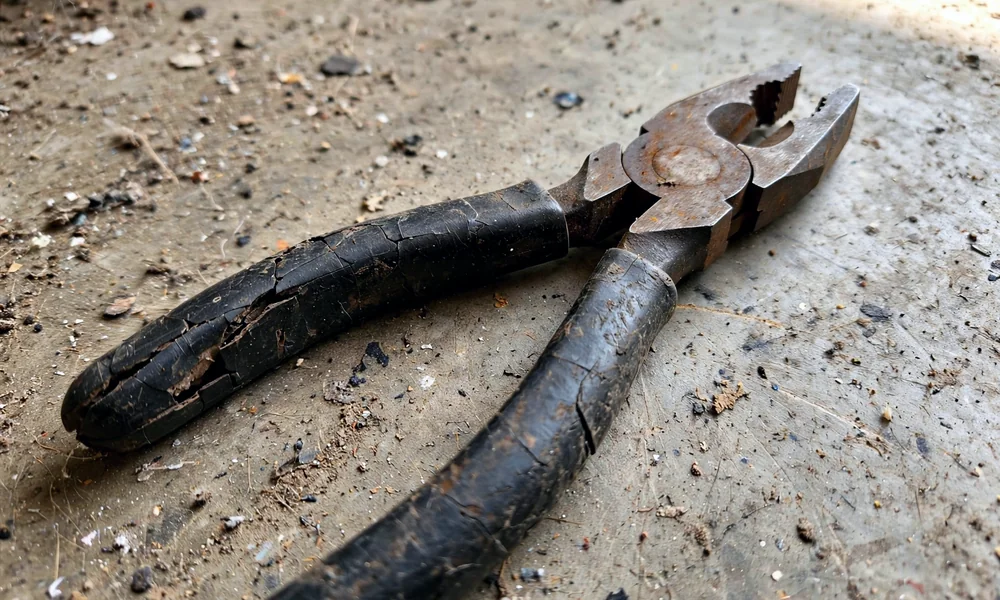
Cheap handles fail in predictable ways. Thin dipped plastic cracks and peels away from the steel, leaving sharp edges and bare metal that slips in the hand. Hard, shiny plastic twists when you grip tightly and leaves blisters after ten minutes of work. Insulated handles, rated for live electrical work, are a different matter: they are thicker, tested to a voltage standard, and marked as such, and they matter whenever a circuit cannot be switched off.
Combination Pliers in Detail
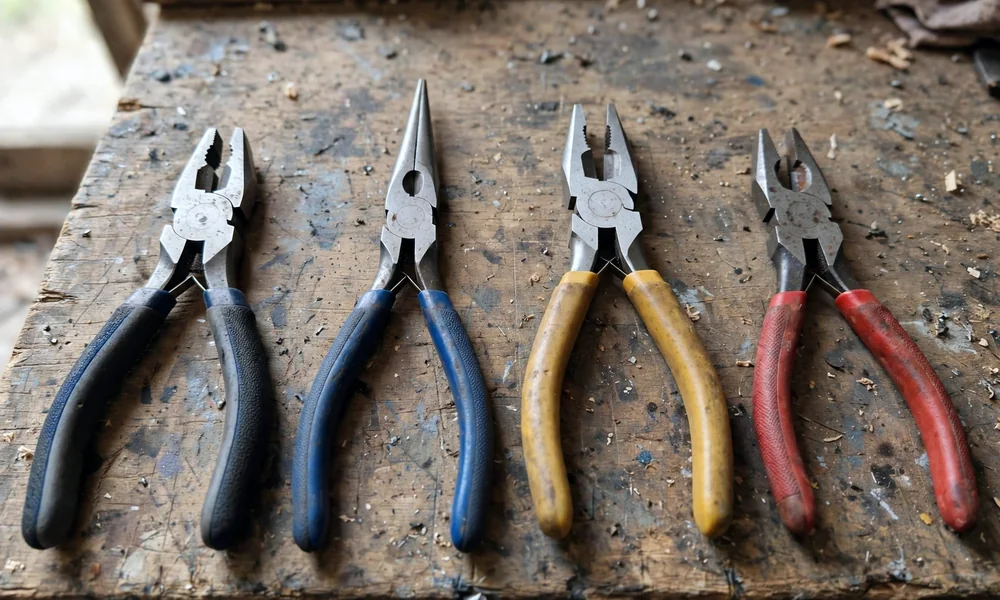
Combination pliers are the pair most homes need first, and the details decide whether they are a pleasure or a chore. The jaws should be flat and serrated at the tip for gripping, with a pipe grip behind them for round shapes, and a cutter near the pivot for wire. A 200mm pair suits most hands and most jobs, while a 160mm pair suits lighter work and smaller hands, and a 250mm pair suits heavy gripping and cutting but tires your hand quickly on delicate tasks. The right size is the one that lets you work all afternoon without strain.
Look closely at the cutter before you buy, because it is the part that fails first on cheap pliers. The cutting edges should be hardened more than the rest of the jaws, so they stay sharp, and they should meet flush along their full length. If your kit also needs screws turned as well as wires gripped, our guide to the best versus the worst screwdrivers in 2026 compares the drivers worth buying across every tip and size.
Needle-Nose, Cutting and Specialist Pliers
Needle-nose pliers earn their keep in tight spaces, and precision matters more here than anywhere else. The jaws should taper evenly to a fine, straight tip that closes exactly, with no gap and no sideways bend, so they can pick up a tiny screw or bend a wire loop without dropping it. The best needle-nose pliers have smooth, finely serrated jaws and a spring that holds them open, which saves your hand on long fiddly jobs, while cheap ones have jaws that bend the first time they grip something firmly, or tips that snap off under pressure.
Diagonal cutting pliers are specialists, and they should be judged as cutters, not grippers. The jaws are short and angled, so the cutting force is concentrated at the tip, and the best cutters slice through copper wire, cable ties, and soft nails with a clean snap. Locking pliers, water-pump pliers, and circlip pliers each solve one problem well, and they are worth buying only when that problem turns up regularly in your work.
The Worst Pliers: Warning Signs
The worst pliers give themselves away if you know where to look. Hold them up and check the jaws: if they do not meet evenly, if one jaw sits higher than the other, or if the teeth are rough and uneven, the pair was never machined properly and will only get worse. Wiggle the handles sideways: any play at the pivot means the rivet is loose or the halves were never flat, and a pair that wobbles when new will be useless within a year. Squeeze the handles hard: if they flex, the steel is too thin, and if the grips slide or twist, they were never bonded properly.
Price is a clue, but not a guarantee. Very cheap pliers, sold in bulk packs or as free gifts with other tools, are almost always made from soft steel with loose pivots and peeling grips, and they cost more in ruined work than they save at the till. The best test is the simplest one: pick the pliers up, open and close them, squeeze a scrap of wire, and trust your hands. A good pair feels solid, smooth, and precise from the first squeeze.
Buying, Care and the Verdict
Buy pliers by the jobs you actually do, not by the size of the set on the shelf. A home that needs occasional repairs is well served by one good pair of 200mm combination pliers and one pair of needle-nose pliers, while a workshop that handles wiring, plumbing, and metalwork will earn back the cost of cutters, slip-joint pliers, and locking pliers within a year. Spend more on the pair you reach for every day, and less on the specialist you use twice a year. Keep the receipt, because a good maker stands behind its tools, and a pair that goes loose in its first year should be replaced, not tolerated.
Care is simple and it doubles the life of the tool. Wipe the jaws clean after use, especially after gripping anything greasy or corrosive, and keep a light film of oil on the steel if the pliers live in a damp garage. Store them dry, with the jaws closed, and never use pliers as a hammer, a pry bar, or a wrench: each misuse bends the jaws a little further from true. For holding a bolt still while a spanner turns it, our guide to the best versus the worst wrenches in 2026 compares the wrenches worth buying across every size and type. The verdict is simple: a good pair of pliers is one of the cheapest tools you will ever buy per year of use, because the best ones last for decades, and the worst ones cost you far more than their price in slipped grips, ruined wire, and grazed knuckles.