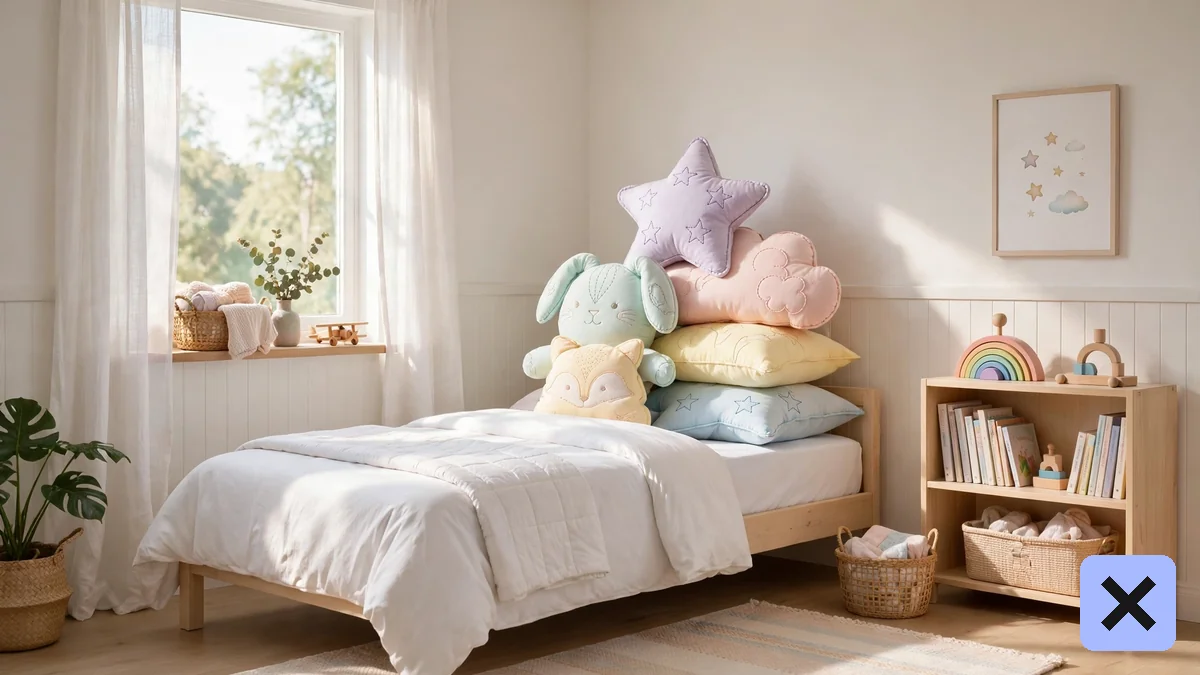
Small windows can make a room feel dark, cramped and unfinished, yet the right curtains change that. The best curtains for small windows 2026 are lighter, shorter and smarter than the heavy drapes made for tall picture windows, designed to frame the glass you have rather than fight it. Chosen well, a small window stops being a problem and becomes a feature.
The trick is proportion. Curtains that are too long pool on the floor and swallow the wall, while curtains that are too wide bunch up and cover the glass. The best choices keep fabric slim, maximise daylight, and add just enough softness to finish the room. A narrow window needs style scaled to fit.
This guide covers the best styles for small windows in 2026, how to measure, which fabrics and colours make a room feel bigger, and the hanging tricks that stretch a small window. Every recommendation is practical and affordable, so you can hang your curtains once, correctly.
Key takeaways
- Choose slim, light fabrics like linen and voile; heavy drapes overwhelm a small wall and block daylight.
- Hang the rod 10 to 15 centimetres above the frame and 10 to 20 past each side, so the window looks wider.
- Sill-length curtains suit small windows best; floor-length panels work only on a tall, clear wall.
- Sheer and café curtains keep privacy without losing light; short blackout panels suit small bedroom windows best.
- Measure width and drop twice, and allow 1.5 to 2 times the window width in fabric.

Why Small Windows Need a Different Approach
A small window behaves differently from a large one. It lets in less light, sits in a smaller stretch of wall, and every centimetre of fabric around it is more visible. Standard-window curtains often arrive too wide, too long or too heavy, leaving a window that looks smaller than before. The goal is the opposite: curtains that open the window up and make the wall feel taller.
Scale comes first. A slim rod, a light fabric and a neat gather suit a small window far better than a thick pole and a heavy pleat. A curtain stack kept mostly on the wall makes the window read bigger and the room brighter. Pale, semi-sheer fabrics keep the room bright while giving privacy and a finished look, while a short blackout panel gives darkness for sleep.
The Best Curtain Styles for Small Windows 2026
The winners in 2026 share a slim profile, a clean hang and a length that stops at or just below the sill.
Sheer and Voile Curtains
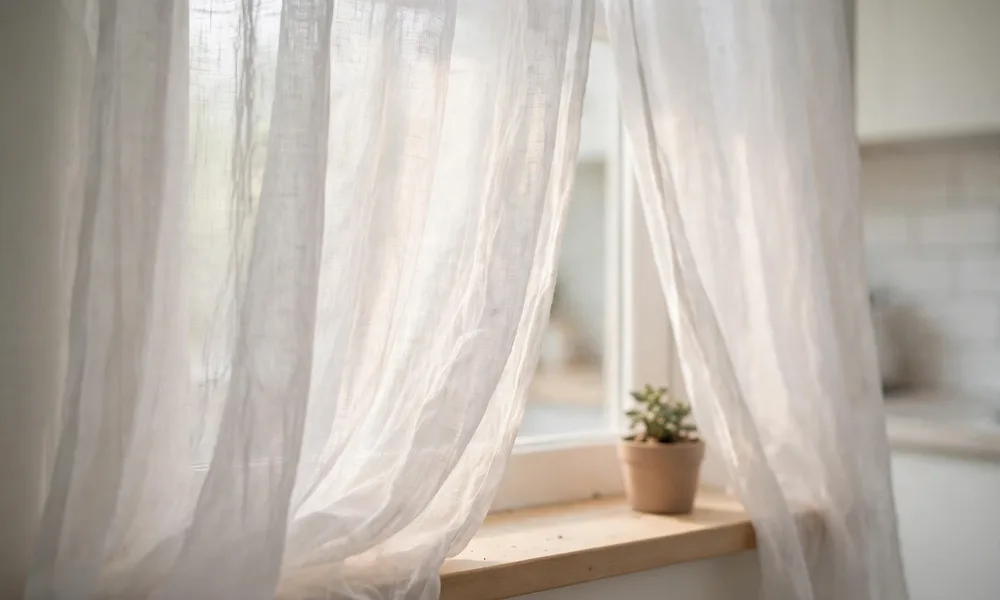
Sheer curtains are the easiest win for a small window: they soften the glass, blur the view from outside and let almost all the daylight through. White, ivory and pale grey voiles work in almost any room, on a slim rod or a tension rod inside the frame. They suit living rooms, kitchens and offices.
Café Curtains
Café curtains cover only the lower half of a window, a natural fit for small windows in kitchens, bathrooms and dining nooks. They give privacy at eye level, while the top half stays open to the sky. Choose a light cotton or linen blend in a plain colour or a small pattern; gingham, thin stripes and tiny florals suit the style, while busy prints overwhelm a small window.
Short Blackout Curtains
Small bedroom windows need darkness at night and light during the day, and short blackout curtains deliver both. Sill-length blackout panels block street light and early sun, yet take up far less wall than a full-length pair. Soft sage, dusty blue and warm grey keep the room calm, while a thermal lining adds insulation that small rooms often lack. Choose a simple eyelet or tab-top heading and a rod that extends past the frame, so the panels pull fully clear in the morning. For the rest of the room, the guide to the best curtains for bedrooms in 2026 covers full-length and layered options that pair well with a small-window setup.

Roman-Style and Tiered Panels
Roman-style curtains and tiered panels suit small windows because they are cut to the glass, not the wall. A Roman-style panel folds up neatly when raised and gives a tailored look for modern and traditional rooms alike. Tiered panels, with a short valance on top and a café panel below, add softness while keeping the middle of the window open. Both work well in bathrooms and small bedrooms.
Slim Side Panels
Sometimes the best curtain for a small window is barely a curtain at all. Slim side panels, hung on a rod that extends well past the frame, frame the window like a picture and add colour and texture without covering the glass. Keep each panel narrow, around 30 to 45 centimetres wide, falling to the sill or just below it. A light linen panel in a colour pulled from the room ties the window into the decor, and because the panels sit mostly on the wall, the window stays fully visible.
The Best Styles at a Glance
The table compares the five styles on light, privacy, cost and best rooms.
| Style | Light | Privacy | Best rooms | Typical cost |
|---|---|---|---|---|
| Sheer and voile | Excellent | Low to medium | Living room, kitchen, office | Low |
| Café curtains | Very good | Medium | Kitchen, bathroom, dining nook | Low |
| Short blackout | Low when closed | High | Bedroom, nursery | Medium |
| Roman-style panels | Good | Medium to high | Bathroom, bedroom, utility | Medium |
| Slim side panels | Excellent | Low | Living room, dining room | Low to medium |
How to Measure a Small Window
Measuring takes five minutes and saves the most common curtain mistake: ordering the wrong size. Even a five-centimetre error is obvious on a narrow frame, so measure twice, write the numbers down, and check them before you buy.
Start with the width: measure the frame edge to edge, then add 20 to 40 centimetres so the rod extends past the frame and the panels stack on the wall. For fullness, multiply the finished rod length by 1.5 to 2 to get the total fabric width. A flat curtain looks unfinished; a properly gathered one looks generous even on a small window.
Next, measure the drop. For sill-length curtains, measure from the top of the rod to the sill and subtract one centimetre so the hem clears it. For below-the-sill curtains, add 10 to 15 centimetres past the sill. Check the wall before choosing a rod, since it needs solid fixing points on both sides, and note which way the window opens.

Choosing Fabric, Colour and Pattern
Fabric decides how a curtain hangs, how much light it lets through and how easy it is to live with. For small windows, light and mid-weight fabrics are almost always better. Linen blends hang with a relaxed, natural drape and suit living rooms and bedrooms. Cotton is crisp, washable and ideal for kitchens and bathrooms. Voile is the lightest option and the best for maximising daylight. Heavier fabrics such as velvet need space to look good, so save them for a large window or use them as a slim side panel only.
Colour makes a small window look bigger or smaller. Pale colours such as white, cream, pale grey, soft sage and dusty blue reflect light and make the wall feel wider, while dark colours shrink the window visually and are best used as an accent. In a small room, match the curtain colour closely to the wall for a seamless effect. Pattern needs the same restraint: small-scale patterns and thin stripes flatter a small window, while large, bold prints overwhelm it. A vertical stripe draws the eye upward and makes the window feel taller.
Hanging Tricks That Make Windows Look Bigger
How you hang curtains matters as much as which curtains you buy. The most effective trick is height: mount the rod 10 to 15 centimetres above the top of the frame, or near the ceiling in a low-ceilinged room. The eye follows the curtain up, and the window appears taller. Width is the second trick: extend the rod 10 to 20 centimetres past the frame on each side, and pull the panels fully onto the wall when open, so the glass stays clear and the window reads as wide as the rod.
Keep the heading simple: eyelets, tab tops and a simple pencil pleat hang neatly, while deep pinch pleats and heavy headings add bulk. A slim rod in matte black, brushed brass or white looks intentional without dominating the wall. If you are torn between curtains and another treatment, the comparison of curtains versus blinds for bedrooms explains where each wins.
Mistakes to Avoid With Small Windows
The most common mistake is buying curtains made for a standard window and hoping they will fit. Oversized panels bunch up, cover the glass and darken the room, while a short rod leaves the stack across the window. Heavy fabric is the second mistake: thick, dark drapes can look luxurious on a tall window, but on a small one they dominate the wall and swallow the light. The third mistake is a rod hung too low and too narrow, which makes the window look exactly as small as it is. Raise the rod, widen it, and keep hems at or just below the sill.
Small Window Curtain Checklist
Check this list before you order and again before you hang.
- Measure the frame width and the drop twice, and write them down.
- Choose a rod that extends 10 to 20 centimetres past the frame.
- Mount the rod 10 to 15 centimetres above the frame.
- Allow 1.5 to 2 times the rod length in fabric width.
- Pick a light, washable fabric in a pale colour.
- Check the panels clear the window handle.
Frequently Asked Questions
What curtain length suits a small window best?
Sill length or just below the sill is best. It keeps proportions neat, avoids pooling on the floor and leaves radiators and furniture usable. Floor-length curtains suit one only on a tall, clear wall with nothing beneath it.
Should small-window curtains be wider than the window?
Yes. The finished curtain width should be 1.5 to 2 times the rod length, and the rod should extend 10 to 20 centimetres past the frame on each side. The panels then stack on the wall when open, so the glass stays clear.
Are sheer curtains good for small windows?
Sheer curtains are one of the best choices for small windows because they let in almost all the daylight while softening the glass and giving daytime privacy. They suit living rooms, kitchens and home offices best. For bedrooms, pair a sheer with a short blackout panel.
What colour makes a small window look bigger?
Pale white, cream, grey, sage and dusty blue make a small window look bigger by reflecting light and blending with the wall. Matching the curtain to the wall colour works best, since window and wall read as one wide, bright surface.
Are blackout curtains worth it for small windows?
Yes: they block street light and early sun without taking over the wall. Choose a sill-length pair in a soft colour with a thermal lining, on a rod that extends past the frame.
Can I use floor-length curtains on small windows?
You can, but only on a tall, clear wall with no radiator or furniture beneath it. In most small rooms, floor-length curtains on a small window look out of proportion and waste fabric. Sill-length panels, café curtains and slim side panels suit it better.
The Bottom Line
The best curtains for small windows 2026 are light, slim and hung high and wide: a sheer or café curtain for daylight rooms, a short blackout pair for bedrooms, and a simple rod that extends past the frame so the glass stays clear. Measure twice, choose a pale, washable fabric, and frame the window you have. Done well, a small window becomes one of the best-dressed features in the room. The guide to the best curtains for large windows in 2026 shows what changes as glass gets bigger.