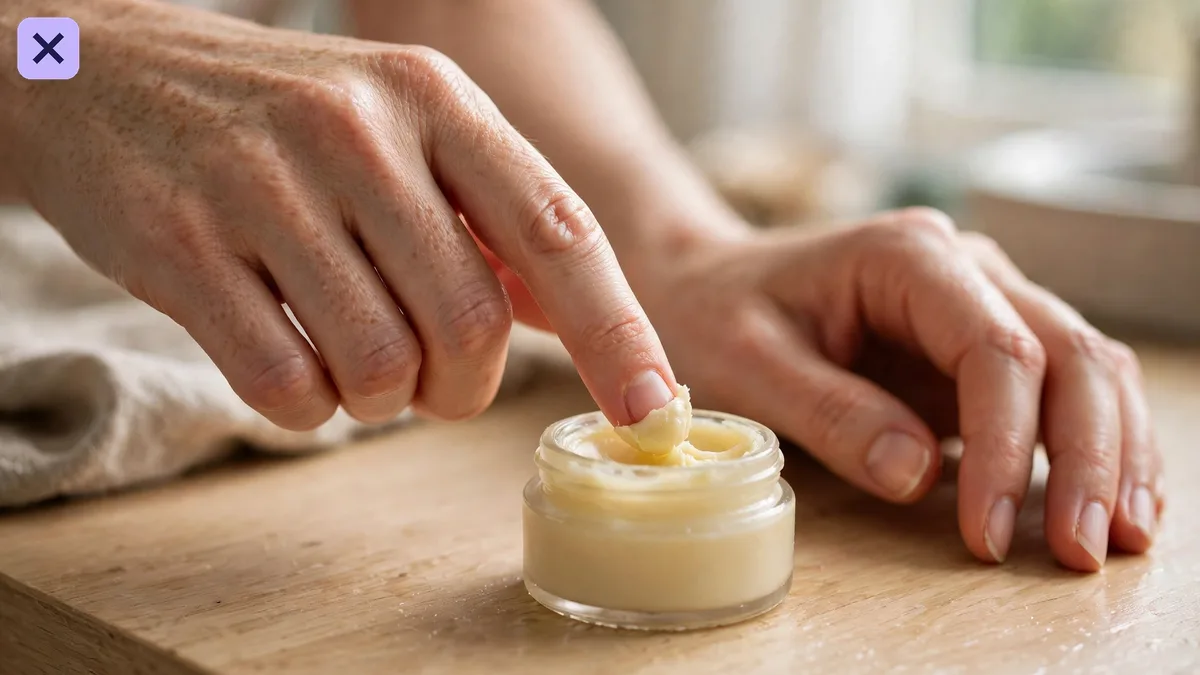
Best Cuticle Creams for Healthy Nails in 2026
The best cuticle creams in 2026 repair the dry, cracked skin around your nails and keep it soft enough to protect the nail underneath. Your cuticles are the thin seal where each nail leaves the finger, and when that seal dries out it lifts, splits and catches on everything you touch. A good cuticle cream puts moisture and protective oils back into that seal, and within a couple of weeks the difference is visible: fewer hangnails, smoother skin around the nails, and nails that look healthier even before any polish goes on.
Cuticle cream is not the same thing as cuticle oil, and it is not a hand cream either. An oil is light and sinks in fast, but it has nothing to hold it in place, so on very dry cuticles it can vanish before it has done its work. A hand cream is made for the whole hand, so it is lighter and designed to disappear quickly. A cuticle cream sits between the two: richer than a hand cream, thicker and longer-lasting than an oil, made to be pressed into one small area and left to work.
Key Takeaways
- A cuticle cream is thicker and longer-lasting than an oil and more concentrated than a hand cream, which makes it the best format for dry, cracked or peeling cuticles.
- Look for shea butter, ceramides, urea and lanolin on the label: they rebuild the skin barrier and hold moisture in, which stops the cracking cycle.
- A pea-sized amount for both hands is enough. Press it into each cuticle, massage for a few seconds, and let it sit rather than wiping it away.
- Night is the best time to apply it, when the cream has hours to work undisturbed, and a second application after washing your hands keeps the repair going.
- Stop cutting your cuticles. Pushing them back gently after a shower and keeping them moisturised does far more for healthy nails than trimming ever will.

What a Cuticle Cream Actually Does
The cuticle is a seal, not decoration. It sits where the nail leaves the finger and keeps water, soap and germs out of the nail bed underneath. When it is healthy it lies flat and smooth. When it dries out it lifts, splits and frays, and every split is a small opening where irritation gets in and a hangnail starts.
A cuticle cream works in three ways at once. First, it replaces the natural oils that washing, cold weather and cleaning products strip away, so the skin stays supple instead of turning brittle. Second, it adds humectants, ingredients that draw water into the top layer of skin, so the cuticle plumps up and lies flat again. Third, it leaves a thin protective layer on the surface, which slows the moisture loss that caused the problem in the first place. An oil does the first and third jobs well but not the second, which is why a cream is the stronger choice when the skin is already damaged. It will not make nails grow faster, but it stops the breakage and peeling that make growth look slow.
Cream, Balm or Oil: Which Format Suits You
The three formats look similar on a shelf but behave very differently on the skin. Most people end up owning two: a cream for daily repair and an oil for a light nightly finish, or a balm for winter and a cream for the rest of the year.
Creams: the everyday repairer
A cream is a water-and-oil emulsion, so it sinks in reasonably fast, feels light on the skin, and can carry water-attracting ingredients like glycerin and urea. It is the best all-rounder: rich enough to repair dry cuticles, light enough to use during the day without leaving everything you touch greasy. If you only buy one product, buy a cream.
Balms: the heavy-duty option
A balm is mostly oils and waxes with very little water, so it sits on the skin as a thick protective layer and stays there for hours. It feels heavier and takes longer to sink in, which makes it a poor choice for daytime use at a keyboard, but it is unmatched for cracked, bleeding or very sore cuticles, and for winter. Think of a balm as an overnight treatment or a weekend rescue, not a daily driver.
Oils: the light finisher
An oil is the lightest format of all. It sinks in fast and leaves the skin soft and shiny, but it evaporates and rubs away quickly, so it does little for cuticles that are already cracked. Where oil earns its place is as a finishing step: cream first to repair, then a drop of oil to seal it in. Our guide to cuticle oils that actually work covers the oil side of the routine in full.
Cuticle Creams at a Glance
| Format | Texture | Best for | Absorption | When to use |
|---|---|---|---|---|
| Rich cream | Thick, smooth | Dry, peeling cuticles | 5 to 10 minutes | Morning and night |
| Light cream | Soft, fast-sinking | Everyday maintenance | 1 to 2 minutes | After handwashing |
| Balm | Waxy, heavy | Cracked, sore cuticles | Slow, stays on top | Overnight, winter |
| Cream with urea | Smooth, slightly rich | Rough, thickened skin | 5 minutes | Nightly for two weeks |
| Fragrance-free cream | Varies | Sensitive or broken skin | Varies | Any time, daily |
The Ingredients That Actually Matter
Cuticle cream labels are full of botanical names, but only a handful of ingredients do the real work. Learning to spot them saves you from paying for a pretty jar of scented water.
Shea butter and ceramides
Shea butter is the workhorse of most good cuticle creams: a rich plant butter that softens skin and leaves a protective film behind. Ceramides are the fats that hold skin cells together, and when the barrier is damaged, adding them back helps the skin hold moisture on its own again.
Urea and glycerin
Urea sounds industrial, but it is one of the best moisturisers available. It draws water into the skin and gently softens rough, thickened cuticles so they lie flat. Glycerin does the same water-attracting job in a lighter way and is in almost every good cream. If your cuticles feel rough and ridged rather than just dry, urea is the ingredient to look for, usually at five to ten per cent.
Lanolin and beeswax
Lanolin and beeswax are the sealers. They sit on the surface and slow moisture loss, which is what makes a cream keep working hours after you apply it. Lanolin is especially good for cracked skin, but a few people are sensitive to it, so if a cream stings, lanolin is the first suspect. Beeswax does a similar job with less risk of irritation.

How to Apply Cuticle Cream Properly
Technique matters as much as the product. Start with clean, slightly damp hands: wash with a gentle soap, pat dry, and apply the cream while the skin is still a little damp, because damp skin absorbs moisturiser far better than bone-dry skin. Take a pea-sized amount for both hands, warm it between your fingertips, and press a small dab onto each cuticle. Massage each one for a few seconds with small circles, pushing the skin back very gently as you go. Then leave it alone: do not wash your hands for at least twenty minutes, and do not wipe the excess away.
Twice a day is the sweet spot: once after your morning wash and once before bed, when the cream has hours to work while you sleep. If your cuticles are badly cracked, add a third application after lunch for the first two weeks. Consistency beats quantity: a small amount every day outperforms a large amount once a week.
The Routine Around the Cream
A cuticle cream works best as part of a small routine. First, wear gloves for cleaning and washing up: household cleaners and prolonged water exposure strip the skin barrier faster than any cream can repair it. Second, keep your nails at a sensible length and shape them with a file rather than tearing them. A clean edge does not catch and split the way a torn one does, and our guide to nail buffers for a natural shine explains how to finish the nail surface without thinning it.
Third, moisturise the whole hand as well as the cuticles: a good hand cream for everyday use keeps the skin around the nails supple, so the cuticle cream is not fighting a losing battle against dry hands. Finally, stop cutting your cuticles. Cutting removes the seal that protects the nail bed, invites infection, and makes the skin grow back thicker and rougher. Push them back gently with a damp towel after a shower, when they are soft, and let the cream do the smoothing.
What to Avoid When Choosing a Cream
Strong fragrance is the biggest red flag: perfume stings cracked skin, and a cream that smells like a candle is spending its budget on scent rather than repair. Be wary of creams that promise instant results or nail growth, and wash your hands before dipping into a wide-open tub, or choose a tube or a pump instead.

Cuticle Cream Checklist
- Choose a cream, not just an oil, if your cuticles are dry, cracked or peeling.
- Check the label for shea butter, ceramides, urea or glycerin near the top.
- Pick fragrance-free if your skin is broken, sore or sensitive.
- Apply a pea-sized amount to clean, slightly damp hands, twice a day.
- Massage each cuticle for a few seconds and leave the cream on for at least twenty minutes.
- Wear gloves for cleaning and washing up so the cream’s work is not undone.
Frequently Asked Questions
How long does cuticle cream take to work?
Most people feel a difference within a few days and see one within two weeks of twice-daily use. If nothing has changed after three weeks, the cream may be too light, or bare-handed cleaning is undoing the repair.
Should I use cuticle cream or cuticle oil?
Use a cream if your cuticles are dry, cracked or peeling, because it repairs and protects for longer. Use an oil if your cuticles are already healthy and you want a light finish. Many people use both: cream to repair, then a drop of oil on top to seal it in.
Can I use hand cream on my cuticles instead?
You can, and it is better than nothing, but a hand cream is lighter and disappears faster, while a cuticle cream is more concentrated and stays where you put it. If you only own a hand cream, press a thicker layer into the cuticles at night.
Why do my cuticles keep cracking in winter?
Cold air holds less moisture, indoor heating dries the air further, and hot water strips the skin’s oils faster. Switch to a richer cream or a balm in winter, apply it more often, and wear gloves outdoors as well as for cleaning.
Is it safe to push my cuticles back?
Yes, if you are gentle and the skin is soft, ideally after a shower. Push with a damp towel or a soft wooden stick, never with metal tools and never with force. Pushing back is far safer than cutting, which removes the protective seal.
Can cuticle cream help peeling nails?
It can help indirectly: peeling usually starts at a damaged edge, and keeping the cuticle moisturised reduces the splitting that leads to it. Keep the nail filed smooth and give polish remover a rest between manicures.
The Bottom Line
The best cuticle cream is the one that matches your skin, not the prettiest jar on the shelf. If your cuticles are dry and peeling, a rich cream with shea butter, ceramides or urea, applied twice a day, will repair them within a couple of weeks. If they are already cracked, a balm at night will do the heavy lifting while a cream handles the daytime. Keep the routine simple, wear gloves for cleaning, and stop cutting your cuticles.


