
A Guide to Cuticle Oils That Actually Work in 2026
Cuticle oil is the smallest bottle in the bathroom cabinet and the one most people skip, which is a shame, because it does a job nothing else in a nail routine can do. Your cuticles are the thin strip of skin that seals the base of each nail, and when that seal dries out it cracks, peels and catches on everything. A good cuticle oil keeps that seal soft and flexible, and the difference shows up within a couple of weeks: fewer hangnails, smoother skin around the nails, and nails that look healthier even before any polish goes on.
Key takeaways
- Cuticle oil works by sealing moisture into the skin around the nail, which keeps the cuticle flexible and stops it cracking, peeling and catching.
- Jojoba oil is the best all-rounder because its structure is close to the skin’s own oils, so it sinks in fast instead of sitting greasy on the surface.
- A single drop per nail is enough, massaged in for a few seconds, and nightly use beats a weekly flood every time.
- Apply oil after washing your hands and before bed, when the skin is clean and the oil has hours to work undisturbed.
- Cuticle oil will not make nails grow faster, but it stops the breakage and peeling that make growth look slow.
What cuticle oil actually does
The cuticle is a seal, not decoration. It sits where the nail leaves the finger and keeps water, soap and germs out of the nail bed underneath. When it is healthy it lies flat and smooth. When it dries out it lifts, splits and frays, and every split is a small opening where irritation gets in and a hangnail starts.
Cuticle oil works in two ways. First, it replaces the natural oils that washing, cold weather and cleaning products strip away, so the skin stays supple instead of turning brittle. Second, it forms a thin seal over the surface that slows water loss from the skin underneath, which is the same job a good moisturiser does for the rest of your hands. Oil alone cannot add water to skin, which is why it works best on skin that is already slightly damp, straight after washing or a shower.
The nail itself benefits too, though indirectly. A nail grows from the matrix hidden under the cuticle, and a dry, inflamed cuticle makes that whole area less healthy. Keeping the cuticle soft does not change how fast the nail grows, but it does mean fewer splits and peels along the way, so the length you grow actually survives. The skin around your nails is part of the same barrier as the skin on the rest of your hands, and our guide to why hand cream matters more than you think explains how that barrier works and why it fails when it dries out.
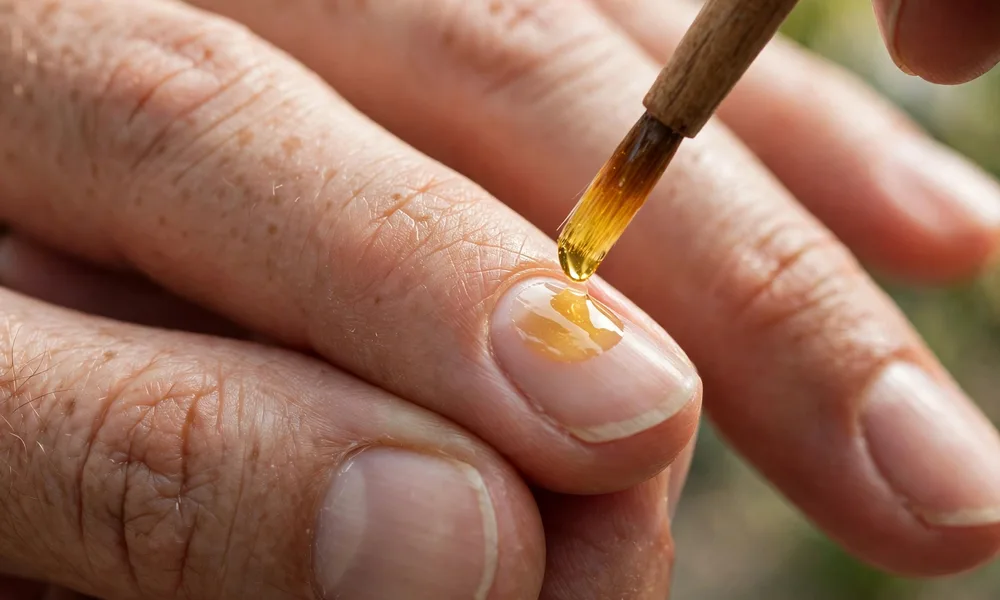
The oils that matter, and which one suits you
Most cuticle oils are built on the same handful of base oils, and the differences between them are real but simple. The right one depends on how your skin behaves and how much residue you are willing to tolerate during the day.
Jojoba oil
Jojoba is the closest thing to a default choice, and for good reason. It is technically a liquid wax rather than an oil, and its structure is very close to sebum, the oil your own skin makes. That means it sinks in quickly, rarely feels greasy, and suits almost everyone, including people whose skin reacts to heavier oils. If you only buy one cuticle oil, make it a jojoba-based one, because it is the hardest to get wrong. Weight is the deciding factor with oils in general, and our guide to why hair oil deserves a spot in your routine explains which oils suit fine hair and which suit thick hair on the same principle.
Cuticle oils at a glance
| Oil | Weight | Best for | How it feels | Watch out for |
|---|---|---|---|---|
| Jojoba | Light | Almost everyone, daily use | Sinks in fast, barely greasy | Costs more than almond oil |
| Vitamin E blend | Medium | Very dry, cracked cuticles | Rich, slightly sticky | Too heavy for daytime use |
| Sweet almond | Light | Everyday use on a budget | Absorbs well, little shine | Unsafe with nut allergies |
| Argan | Light | Daily use, sensitive skin | Fast-absorbing, soft finish | Often sold in small bottles |
| Coconut | Rich | Overnight treatment | Slow to sink in, very rich | Solid below room temperature |
How to apply cuticle oil so it actually works
Applying cuticle oil takes less than a minute, and most of the benefit comes from doing it at the right moment rather than doing it perfectly. Start with clean hands, because oil seals in whatever is underneath it, and you want that to be clean skin, not the residue of the day. Wash your hands, pat them mostly dry, and apply the oil while the skin is still slightly damp.
Put one small drop on the cuticle of each nail, or one drop brushed across two nails if the bottle has a brush. Then massage it in with the pad of your thumb, using small circles for a few seconds per nail. The massage matters more than people think: it pushes the oil into the skin instead of leaving it pooled on the surface, and it brings blood to the area, which is what keeps the tissue healthy. Work around the whole nail, including the sides, because the skin at the corners is where hangnails usually start.
How often should you use it
Once a day is enough for most people, and nightly is the best time. At night the oil has hours to work while you sleep, your hands are not being washed every half hour, and any residue is gone by morning. People who wash their hands constantly, work outdoors, or live through a cold winter may need twice a day, morning and night, and that is still a small habit.
Pen, brush or dropper: choosing the format
Cuticle oil comes in three formats, and the oil inside matters far more than the applicator, but the format decides whether you actually use it. A brush bottle is the classic salon format: quick to sweep across all ten nails, easy to control, and the best choice for home use. A pen is the most portable format, with a brush tip and a twist mechanism, and it is the one most likely to survive in a handbag or desk drawer. A dropper bottle gives the most control over the amount and is the cheapest way to buy a good oil, but it is slower and messier to use.
If you wear polish, the format matters more. Oil applied over polish will not reach the cuticle properly, so apply it to the skin around the nail rather than across the polish, and use a brush or pen for precision. A dropper is the hardest format to use neatly over a fresh manicure. The polish itself is a separate decision, and our comparison of the best and worst nail polishes of 2026 explains which formulas last a working week and which chip before lunch, because a manicure that survives is what makes the cuticle care underneath it worth doing.
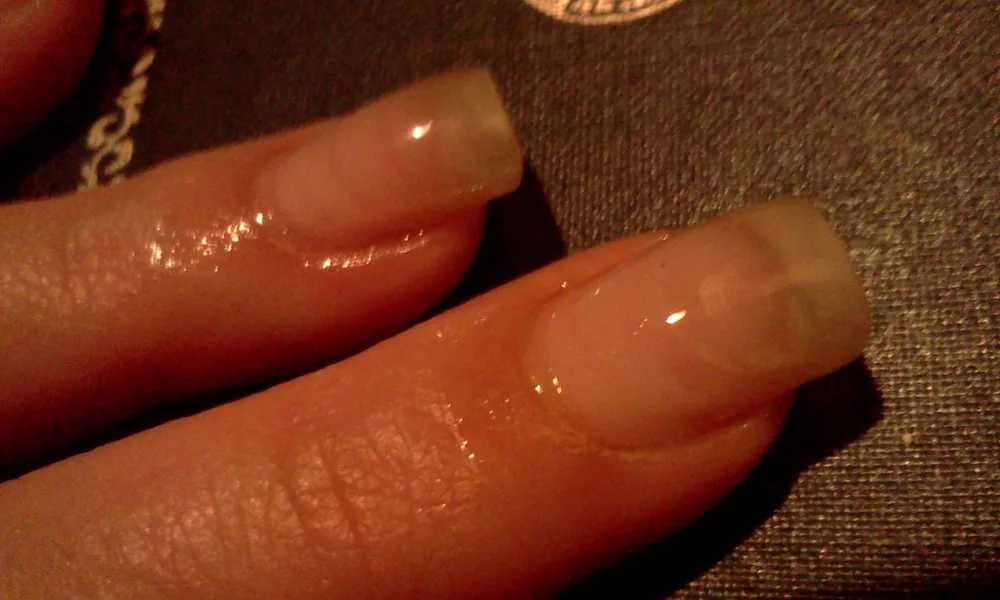
Mistakes that undo the good work
The most common mistake is cutting the cuticles. It feels tidy, but the cuticle is a seal, and cutting it opens the nail bed to infection and makes the skin grow back thicker and more ragged than before. Push cuticles back gently after a shower, when they are soft, and leave the trimming to a professional if it is needed at all.
The second mistake is using oil only when the cuticles already look terrible. By the time the skin is cracked and peeling, the oil has weeks of repair work to do, and people give up before it finishes. Oil is maintenance, not rescue, and it works best when the skin still looks fine.
The third mistake is pairing oil with harsh habits. Acetone remover, strong cleaning products used without gloves, and very hot water all strip the skin faster than oil can repair it. Gloves for washing up and cleaning are unglamorous and effective, and they do more for your cuticles than any oil on the market. Finally, do not pick at hangnails. Trim a hangnail cleanly at its base with small scissors, then oil the area, and it will heal instead of tearing further.
Your cuticle oil checklist
- Choose a jojoba-based oil first, or a vitamin E blend if your cuticles are very dry and cracked.
- Apply one drop per nail to clean, slightly damp skin, and massage it in with small circles.
- Use it every night, and add a morning application in winter or if you wash your hands constantly.
- Keep the bottle beside your bed or toothbrush so the habit happens without thinking.
- Never cut your cuticles; push them back gently after a shower instead.
- Wear gloves for washing up and cleaning, and trim hangnails cleanly instead of picking at them.
Frequently asked questions
Can cuticle oil make my nails grow faster?
No, and any product that promises faster growth is overselling. Nails grow at a fixed rate from the matrix under the cuticle. What oil does is stop the breakage, peeling and splitting that make growth look slow, so more of the length you grow actually survives.
Should I apply cuticle oil before or after hand cream?
Oil first, then cream. Oil sinks into the skin and seals it, while cream sits on top and adds a protective layer. Applying cream first blocks the oil from reaching the skin, so the oil ends up wiped away instead of absorbed.
Can I use cuticle oil over nail polish?
Yes, but apply it to the skin around the nail rather than across the polish. Oil on top of polish does nothing for the cuticle and can dull the shine. A brush or pen applicator gives the precision needed to keep it off the polish.
Is coconut oil good for cuticles?
It works, but it is better as an overnight treatment than a daytime oil. Coconut oil is rich and slow to absorb, so it feels greasy during the day, but massaged in before bed it softens very dry cuticles well. Jojoba is the better everyday choice.
How long does a bottle of cuticle oil last?
A small bottle lasts months, because one drop per nail is a tiny amount. A 10ml bottle used nightly typically lasts three to four months, which makes even a mid-priced oil one of the cheapest steps in a nail routine.
Can I make my own cuticle oil?
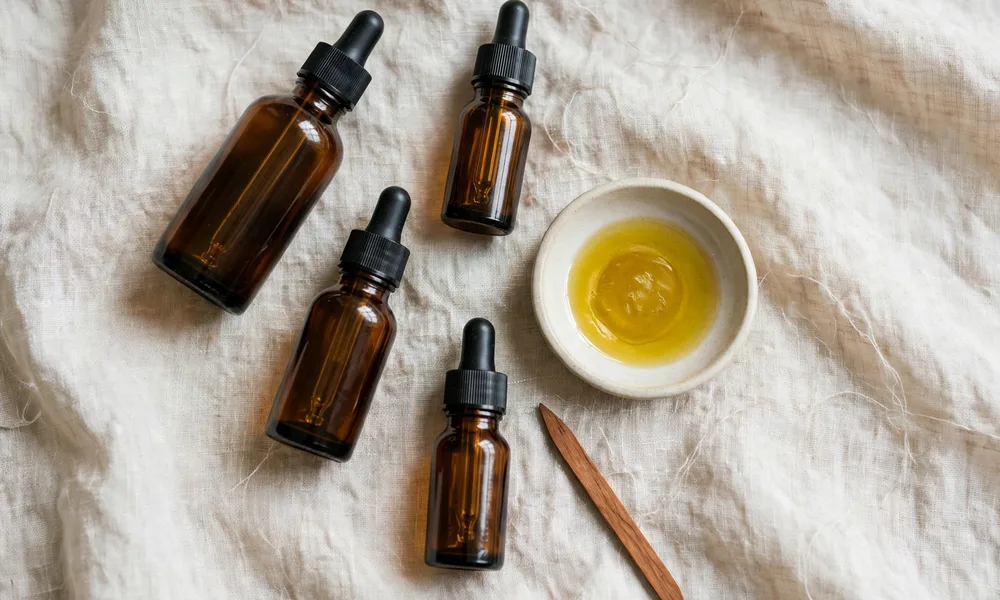
Yes, and it is simple: jojoba oil with a few drops of vitamin E oil is all you need. Keep it in a small amber dropper bottle away from sunlight, and skip essential oils unless you know they suit your skin, because fragrance is the most common cause of irritation around the nails.
The bottom line
Cuticle oil is a small habit with an outsized return. A jojoba-based oil, one drop per nail, massaged in every night, keeps the seal around your nails soft and intact, which means fewer hangnails, smoother skin and nails that survive long enough to grow. It will not transform your nails overnight, and it will not make them grow faster, but after a few weeks of steady use the difference is plain to see. Buy the simple bottle, keep it beside your bed, and let the habit do the work.


