
Canned peaches promise summer fruit with none of the waiting, yet the tin you grab can just as easily be a syrupy, mushy disappointment. The difference is almost never the brand. It is the cut in the tin, the liquid it sits in, and what you plan to do with it once the lid comes off. Get those three right and a tin of canned peaches becomes one of the most useful shortcuts in the pantry.
One tin can become a cobbler, a quick breakfast topping, a salad ingredient, or a simple dessert served cold from the fridge, and each job wants a different tin. Syrup-packed halves are wonderful baked under a crumble and far too sweet spooned over yoghurt; juice-packed slices are the opposite.
Key Takeaways
- Halves are the most versatile cut: firm and easy to slice, fill or bake, while slices and diced peaches suit quick desserts and breakfast bowls.
- Juice-packed peaches taste the most like fresh fruit; heavy syrup adds roughly twice the sugar of juice and belongs in baking.
- Look for peaches, water or juice and a little ascorbic acid on the label, and nothing else.
- Drain peaches well before baking, and save the juice for smoothies, glazes and pancake syrup.
- Once opened, canned peaches keep for three to four days in the fridge in a sealed container, never in the tin.
What Canned Peaches Actually Are
Canned peaches are ripe peaches peeled, halved or sliced, packed in water, juice or syrup and sealed in a tin, then heated until they keep for years without refrigeration. An unopened tin sits happily in the cupboard for two to five years and needs no fridge until it is opened. The cooking is done for you.
Canning keeps most of the fibre and vitamin A, and the fruit keeps its colour and much of its sweetness. What changes is texture: canned peaches are softer than fresh ones, because the heat of canning breaks down the flesh. That softness is a flaw in a fruit salad and a virtue in a cobbler, which is why the cut and the packing liquid matter more than the brand.
Halves vs Slices vs Diced: Which Cut to Buy
The cut decides what the peaches are good for, so make it the first choice. Tins usually say halves, slices, diced or chunks on the front, and the words mean different things in the kitchen. Buy the cut that matches the dish, not the cut that happens to be on offer.
Halves: The Most Versatile Tin
Halves are whole peach halves with the stone removed, and they are the best all-round cut. They hold their shape, look generous on a plate, and can be sliced, diced or stuffed to suit the dish. If you keep only one tin of peaches, make it halves.
Slices: The Weeknight Shortcut
Slices are halves cut into even wedges, ready to use straight from the tin. They are the best cut for speed: tip them over porridge, fold them into yoghurt, layer them into a trifle, or warm them with butter as a side for roast pork. The trade-off is texture. Slices are softer than halves and break up if stirred hard or cooked long, so add them at the end of cooking.
Diced and Chunks: Best for Baking and Breakfast
Diced peaches and chunks are small, even pieces cut for convenience. They are the best cut for baking, because they distribute evenly through cake batter or muffin mix, and they are ideal stirred into porridge or overnight oats. They are the softest cut of all and look the least like fruit, so they are a poor choice where the peach itself is the star.

Syrup vs Juice vs Water: The Liquid Matters Most
The packing liquid is the biggest influence on how canned peaches taste, and it is also where most of the sugar hides. Three liquids dominate the shelf, and the difference between them is larger than the difference between any two brands.
Heavy syrup is water with a lot of added sugar, and it makes the peaches taste candied rather than fruity. A tin in heavy syrup can contain as much sugar as a soft drink. It has one genuine use: baking, where the syrup counts as part of the recipe. Light syrup is the middle ground: noticeably sweet, but not cloying. It suits desserts where a little sweetness helps, such as a peach melba or a trifle, and it is the liquid most tins are packed in.
Juice-packed peaches sit in pear or white grape juice and taste the most like fresh fruit. They are the best choice for eating cold, for breakfast, and for any dish where you want peach flavour rather than sweetness. Water-packed peaches are the least sweet of all and the best for savoury cooking, but they can taste flat alone, so they need a squeeze of lemon or a spoonful of honey to wake them up.
The Styles Compared
| Style | Best for | Sweetness | Texture |
|---|---|---|---|
| Halves in juice | Serving whole, stuffing, salads | Low | Firm |
| Halves in light syrup | Baking, desserts | Medium | Firm |
| Slices in juice | Breakfast, yoghurt, trifles | Low | Soft |
| Slices in heavy syrup | Cobblers, crumbles | High | Soft |
| Diced in juice | Cakes, muffins, porridge | Low | Very soft |
| Peaches in water | Savoury dishes, salads | Very low | Firm |
Reading the Label: Sugar, Sodium and the Tin
A good label is short: peaches, water or juice, and ascorbic acid to keep the colour bright. Ascorbic acid is simply vitamin C, added to stop the fruit browning. Avoid long lists of sweeteners and firming agents such as calcium chloride, which can leave a chalky aftertaste.
Check the sugar per hundred grams rather than per serving, because serving sizes vary and make comparison difficult. Juice-packed peaches usually sit around eight to ten grams per hundred grams, light syrup around thirteen to fifteen, and heavy syrup can reach twenty or more. Also check the tin: avoid tins dented along the seam, swollen or rusty, and pass over any tin that hisses when opened. A dent on the flat side is usually fine; a dent on the rim or seam is not worth the risk.
How Sweet Should Canned Peaches Taste?
A good tin tastes like peaches first and sweetness second. The fruit should be fragrant, golden and distinctly peachy, with sweetness in the background. If the first thing you taste is sugar, the syrup is doing the work the fruit should be doing.
That is the real reason to prefer juice-packed tins: the packer cannot hide poor fruit behind sugar, so the peaches have to be good to begin with. If it is bright and fragrant, serve it simply. If it is sweet but flat, it belongs in a baked dish with spices, lemon and butter.
Cooking With Canned Peaches
Canned peaches are already cooked, so heat them briefly and gently. Warm them, do not cook them, and add them late to anything that simmers.
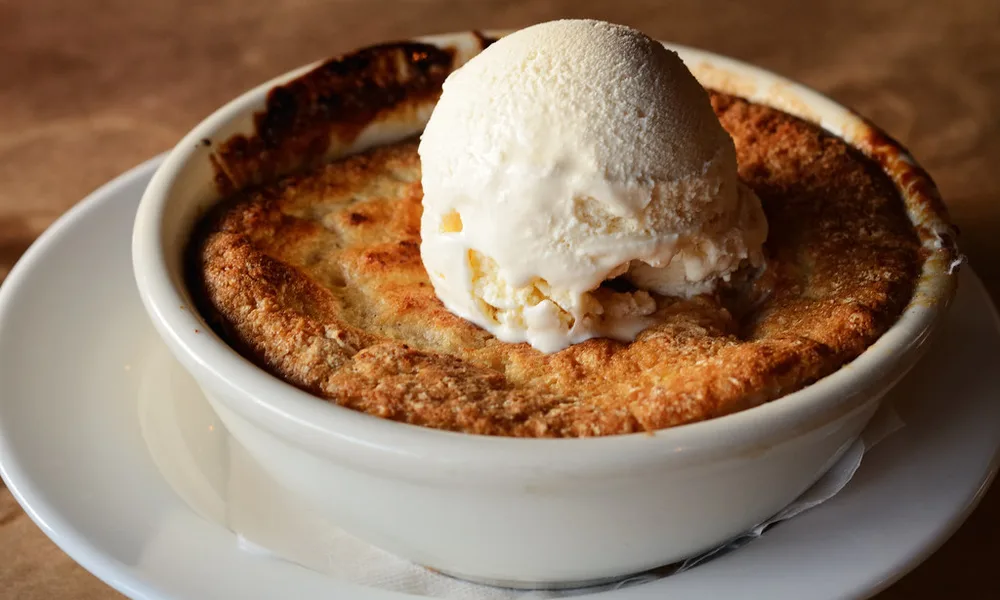
For a five-minute dessert, warm drained slices in a pan with butter, brown sugar and cinnamon, then spoon them over vanilla ice cream or thick yoghurt. For a cobbler, drain the peaches, toss them with cornflour and lemon juice, and bake under a scone-like topping until the edges bubble. The cornflour matters: canned peaches release liquid as they bake, and without it the base goes soggy.
Canned peaches also belong in savoury cooking, where sweetness balances salt and fat. Slice halves into a salad with rocket, prosciutto and parmesan, or chop them into a salsa with red onion, chilli and lime for grilled chicken. Our guide to frozen fruit covers the same trick with frozen berries and mango: sweet fruit against salty, fatty food is one of the oldest pairings in the kitchen.
Canned, Fresh and Frozen Peaches Compared
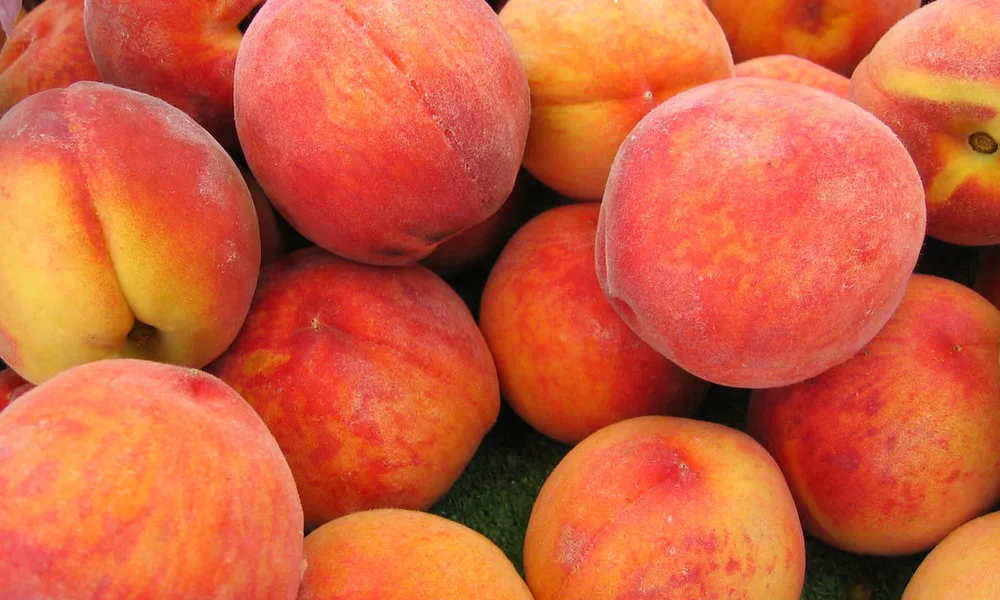
Fresh peaches win on texture and fragrance when they are in season and properly ripe, which in most places means a few weeks a year. Out of season, fresh peaches are often hard, flavourless and expensive, and a good tin beats them easily.
Frozen peaches sit between the two. They keep a firmer bite and work well in smoothies and baking, but they need defrosting and weep liquid as they thaw, and our guide to frozen berries shows how frozen fruit behaves in the same bakes. Canned peaches are better when you want fruit ready to serve; frozen peaches are better when you want to control sweetness, since they are usually frozen with no added sugar.
Storage and Shelf Life
An unopened tin keeps for two to five years in a cool, dry cupboard, and the date on it is a best-before date rather than a safety deadline. A tin a few months past its date is usually fine if undamaged, but colour and texture will have faded, so use older tins for baking rather than serving cold.
Once opened, the rules change. Tip the peaches and their liquid into a clean glass or plastic container with a lid and refrigerate straight away. Never store them in the opened tin: the metal reacts with the fruit acids, the peaches pick up a metallic taste, and the tin rusts. In the fridge, opened peaches keep for three to four days
How Canned Peaches Fit the Rest of the Pantry
Canned peaches earn their shelf space because they turn a bare cupboard into dessert in minutes.
The same logic makes a good tin of anything else. Our guide to canned sweet potatoes shows how the style in the tin and the liquid it sits in decide whether the result is a triumph or a sugary disappointment, and peaches follow exactly the same rules.
Canned Peach Buying Checklist
- Choose halves for serving and baking whole, slices for speed, and diced only for cakes and porridge.
- Pick juice-packed tins for eating cold and breakfast; save heavy syrup for cobblers and crumbles.
- Read the sugar per hundred grams: juice-packed should be around eight to ten grams, not twenty.
- Look for a short label: peaches, water or juice, and ascorbic acid, with no added flavourings.
- Check the tin for dents on the seam, swelling or rust, and reject any tin that hisses on opening.
- Keep two styles in the cupboard — halves in juice and slices in light syrup.
Frequently Asked Questions
Are canned peaches as healthy as fresh peaches?
Almost. Canning keeps most of the fibre and vitamin A, and juice-packed peaches are close to fresh fruit nutritionally. The gap is added sugar: heavy syrup tins can contain twice the sugar of fresh peaches.
Should I rinse canned peaches before using them?
Rinse syrup-packed peaches if you want less sweetness; thirty seconds under cold water washes away much of the clinging syrup. Do not rinse juice-packed peaches: the juice is part of their flavour.
Why do my canned peaches taste metallic?
A metallic taste usually means the peaches were stored in the opened tin, or the tin was old or damaged. Transfer opened peaches to a glass container, and reject tins dented on the seam or swollen.
Can I bake with canned peaches?
Yes, and they are often better than fresh peaches for baking because they are consistent and already soft. Drain them well, toss with cornflour and lemon juice, and avoid cooking them for a long time on their own.
How long do opened canned peaches keep?
Three to four days in the fridge in a sealed glass or plastic container. The liquid goes cloudy when they are past their best. Never store them in the opened tin.
Are canned peaches good for smoothies?
Yes, especially diced peaches in juice. Use the peaches and a splash of their juice, and skip added sweetener until you have tasted the result. Heavy syrup peaches make a smoothie far too sweet.
The Bottom Line
The best canned peaches in 2026 are halves packed in juice, from a tin with a short label and a sound seam. Keep slices in light syrup beside them for baking, and drain well before cooking.


