Canned sweet potatoes promise slow-roasted comfort with none of the waiting, yet the tin you grab can just as easily be a sugary, mushy disappointment. The difference is almost never the brand. It is the style in the tin, the liquid it sits in, and what you plan to do with it once the lid comes off. Get those three right and the tin becomes one of the most useful shortcuts in the pantry.
One tin can become a holiday casserole, a weeknight mash, a soup thickener, or a simple side dish, and each job wants a different tin. A candied, syrup-packed sweet potato is wonderful under a marshmallow topping and terrible in a savoury mash; a plain water-packed tin is the opposite. This guide explains how to tell them apart and how to cook each style.
Key Takeaways
- Most tins labelled yams in the United States are actually sweet potatoes, so judge the tin by its ingredients and texture, not the word on the front.
- Syrup-packed tins are sweetest and softest; water-packed tins hold their shape and suit savoury cooking better.
- Whole and halved sweet potatoes are the most versatile style, mashed tins are best for baking, and pre-sweetened tins belong in desserts.
- Rinse syrup-packed pieces and drain water-packed ones well: the liquid decides how sweet and wet your dish will be.
- An unopened tin keeps for two to three years in a cool cupboard; an opened tin should be moved to a sealed container and used within three to four days.
What Canned Sweet Potatoes Actually Are
A tin of canned sweet potatoes contains sweet potatoes that have been peeled, cut, cooked, and sealed in liquid so they keep for years without refrigeration. The variety, the cut, and the packing liquid shape almost everything about how the tin tastes and cooks.
The most confusing part is the name. In American supermarkets, most tins labelled yams contain sweet potatoes, not true yams; the full difference is explained below.
Yams vs Sweet Potatoes: What the Label Really Means
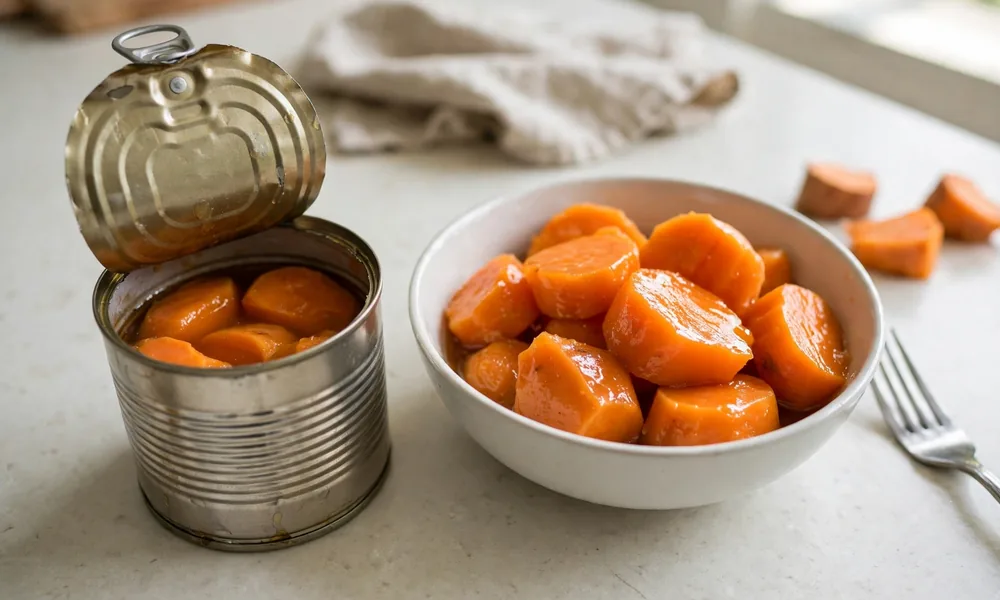
True yams have rough, dark skin and dry, white or purple flesh. They are firm, starchy, and not sweet. Sweet potatoes have smoother skin, moist orange flesh, and a natural sweetness that deepens when cooked. Almost every canned product sold as yams in an American shop is the sweet potato kind.
For the cook, the practical difference is simple. If you want the sweet, soft, orange vegetable for a casserole or a mash, the tin labelled yams will give you exactly that. Do not buy a tin of yams expecting a firm, starchy root, because you will open it to find a sweet one instead.
The Styles Compared
Canned sweet potatoes come in four main styles, and choosing the wrong one is the most common reason a dish disappoints.
| Style | Best for | Texture | Sweetness |
|---|---|---|---|
| Whole or halved | Glazing, roasting, side dishes | Firm, holds its shape | Depends on the liquid |
| Cut or sliced | Casseroles, quick sides, soups | Soft, breaks apart easily | Moderate |
| Mashed or puree | Baking, pies, smooth mash | Completely smooth | Often sweetened |
| Candied or glazed | Holiday desserts, sweet toppings | Very soft, syrupy | Very sweet |
Whole or Halved: The Most Versatile Tin
Whole or halved pieces are large enough to hold together when you lift them from the tin, slice them, or glaze them in a pan, and they give you the most control over the finished dish. Drain them, pat them dry, and you can brown them in butter, roast them briefly, or slice them into a gratin. They are the best choice when the sweet potato needs to look like a vegetable on the plate.
Cut or Sliced: The Weeknight Shortcut
Cut or sliced pieces are smaller and softer, so they heat through in minutes and fold easily into a mash, a soup, or a casserole without any chopping. They are the right tin when the sweet potato is an ingredient rather than the star of the plate. The trade-off is that they will not hold a neat shape, so do not buy them for a glazed side dish where appearance matters.
Mashed or Puree: The Baker’s Tin
Mashed tins are already smooth, which makes them ideal for pies, muffins, quick breads, and a silky mash. The catch is that many are sweetened, so read the ingredients before using one in a savoury dish. An unsweetened puree is a genuinely useful pantry item. A sweetened one belongs in the baking cupboard, and using it in a soup will make the whole pot taste like dessert.
Candied or Glazed: The Dessert Tin
Candied tins are sweet potatoes packed in heavy syrup, often with added sugar, cinnamon, or vanilla, and they are really a dessert that happens to be sold in the vegetable aisle. They are the classic base for a holiday sweet potato casserole, and for that job they are hard to beat. Outside that job, they are the hardest tin to use well, because the syrup dominates everything it touches.
Reading the Label: Syrup, Sodium and the Liquid
The label tells you nearly everything in about twenty seconds. Start with the ingredients. The best tins list sweet potatoes and water, and nothing else. A syrup tin lists sugar or corn syrup prominently. Calcium chloride is a harmless firming agent. Artificial colour is a warning sign that the sweet potatoes inside were probably pale.
Sodium is the next number to check. Plain water-packed tins usually contain very little added salt, while flavoured tins can contain far more. Open the tin to liquid that is clear or lightly golden, not cloudy. A tin that hisses, or whose lid is bulging or rusted, should be thrown away without tasting.
How Sweet Should Canned Sweet Potatoes Taste?
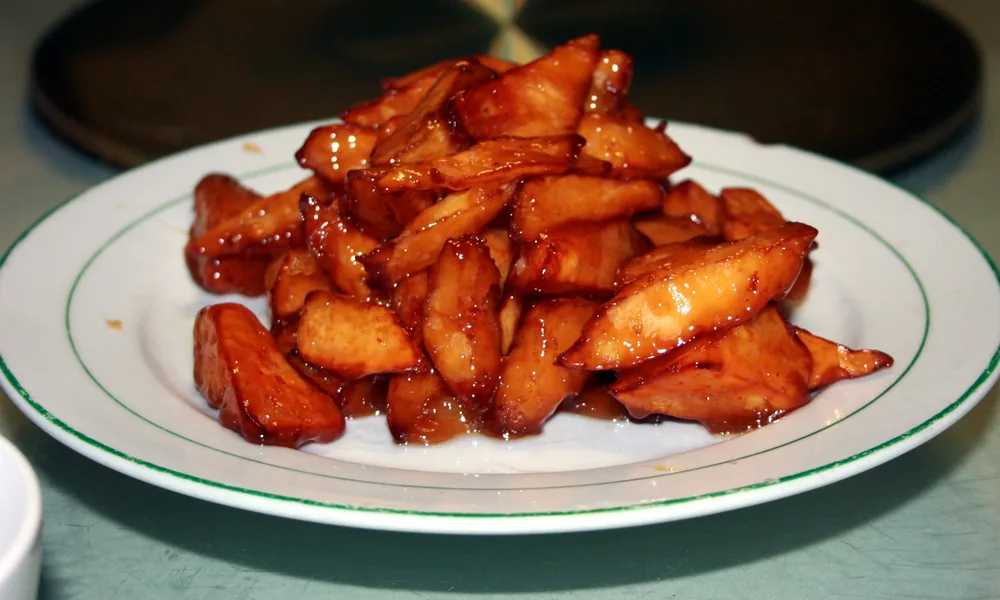
The sweetness of a tin is decided by the packing liquid, and the range is enormous. A tin packed in water tastes like a sweet potato: gently sweet, earthy, and mild. A light syrup tin tastes noticeably sweet, like a sweet potato already glazed. A tin packed in heavy syrup tastes like a dessert.
Buy the least sweet tin that will do the job: you can always add sweetness and never take it away. A water-packed tin glazed with butter and brown sugar in a pan tastes better than a syrup tin, because the glaze is fresh and you control the amount. A syrup-packed tin added to a savoury mash cannot be rescued. The only exception is the holiday casserole, where the syrup tin is the traditional starting point.
Cooking With Canned Sweet Potatoes
Canned sweet potatoes are already cooked, so the job is heating, flavouring, and texture. The most common mistake is treating them like raw sweet potatoes and cooking them for a long time, which turns them to mush. Drain them first and pat them dry if you want them to brown.
For a simple side, warm the drained pieces in butter with salt and pepper, and finish with a squeeze of orange or lemon to lift the sweetness. For a glaze, add brown sugar and a spoonful of maple syrup and let the pieces caramelise gently, turning them once. Our guide to maple syrup explains which grades give the best flavour for glazing. For a mash, add butter and cream and mash lightly, leaving a few lumps.
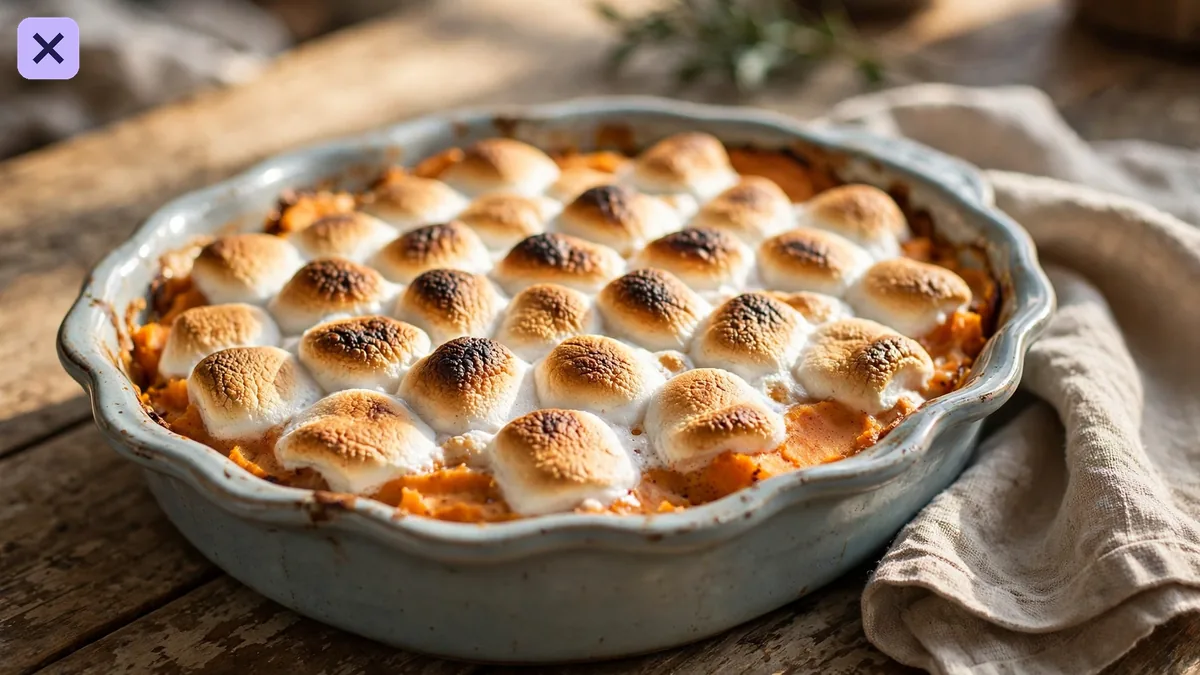
The holiday casserole is where the tin truly earns its keep. Drain two tins, mash with butter, brown sugar, cinnamon, and salt, spread in a baking dish, top with marshmallows or pecan crumble, and bake twenty to twenty-five minutes until golden.
Canned, Fresh and Frozen Sweet Potatoes Compared
Fresh sweet potatoes win on texture and control. Roasted fresh, they develop crisp edges and a deep, caramelised flavour that no tin can match. Their drawback is time. Frozen sweet potatoes sit in the middle: cubed pieces that roast well from frozen and keep for months, though they can turn watery without enough heat.
Canned sweet potatoes win on speed and shelf life. They are ready in minutes, they keep for years, and they are at their best where the sweet potato is mashed, glazed, or baked into something else. The honest way to choose is by the dish. Roast fresh when sweet potatoes are the star of the plate, and reach for the tin when they are an ingredient or time is short.
Storage and Shelf Life
An unopened tin keeps for two to three years in a cool, dry cupboard, and it is one of the most forgiving items in the pantry. Keep it away from heat and damp, and check the best-before date when you buy. A bulging, leaking, or badly dented tin should always be thrown away.
Once opened, the rules change completely. Never store the sweet potatoes in the opened tin. Tip the contents into a sealed container, cover them with a little of their own liquid or fresh water, and refrigerate them. They keep for three to four days. For longer storage, freeze the drained pieces in a freezer bag for two to three months.

How Canned Sweet Potatoes Fit the Rest of the Pantry
Canned sweet potatoes make the most sense as part of a small set of reliable tinned vegetables. Our guide to canned carrots covers the closest sibling in the aisle: carrots for savoury sides and soups, sweet potatoes for mashes, glazes, and holiday dishes. A tin of sweet potatoes also pairs naturally with a tin of soup, and our guide to canned soups that taste homemade shows how a handful of pantry staples can lift a tin into a proper meal. Buy the water-packed style as your default, and save the syrup-packed tin for the occasions when sweetness is the point.
Canned Sweet Potato Buying Checklist
- Choose whole or halved pieces for glazing and side dishes, and cut or mashed styles for casseroles and baking.
- Read the ingredients and pick the shortest list: ideally just sweet potatoes and water.
- Match the packing liquid to the recipe: water or light juice for savoury cooking, syrup only for sweet dishes.
- Check the tin for dents, rust, or a bulging lid, and skip any tin that looks damaged or swollen.
- Drain the pieces well before cooking, and rinse syrup-packed pieces if the dish should not be very sweet.
- Move leftovers out of the tin into a sealed container, refrigerate, and use within three to four days.
Frequently Asked Questions
Are canned sweet potatoes as healthy as fresh ones?
They are close, with one important difference. Plain water-packed tins keep most of the fibre, vitamin A, and potassium of a fresh sweet potato. Syrup-packed tins carry far more calories from added sugar.
Should I rinse canned sweet potatoes before cooking?
Rinse syrup-packed pieces when the recipe should not be very sweet; rinsing removes surface sugar. For water-packed tins, a gentle drain is enough.
Why do my canned sweet potatoes taste metallic?
A metallic taste usually comes from the tin, most often in tins near their best-before date or stored somewhere warm. Draining the pieces well and rinsing them briefly usually removes it.
Can I roast canned sweet potatoes?
You can, but the result differs from roasting fresh ones. Drain well, pat dry, toss in oil, and roast at high heat for ten to fifteen minutes until the edges colour.
How long do opened canned sweet potatoes keep?
Three to four days in the fridge in a sealed container, not the tin. Freeze drained pieces for two to three months for longer keeping.
Are canned yams and canned sweet potatoes the same thing?
In almost every American supermarket, yes: tins labelled yams contain sweet potatoes. True yams are a different vegetable, found fresh in specialist markets, not in a tin.
The Bottom Line
The best canned sweet potatoes in 2026 are whole or halved pieces packed in water, bought for the dish you plan to cook. Drain them well, season them properly, and cook them briefly, and they will do everything a fresh sweet potato does in a casserole, a mash, or a glaze.


