
Frozen corn is the quiet hero of the freezer aisle: sweet, sturdy and almost impossible to ruin, ready in minutes and welcome at almost any meal. The best frozen corn in 2026 is not one brand or one bag, but the right cut for the dish you are making. Kernels suit salads, soups and quick sides; cobs suit the grill and the dinner table. Get that choice right and a bag of frozen corn turns a plain plate into a proper meal.
This guide explains how frozen corn is made, how kernels and cobs differ, how to judge sweetness, and how to cook each style so it comes out sweet and firm rather than soft and watery.
Key Takeaways
- Kernels are the most versatile cut: loose, quick to cook and ready for salads, soups and sides, while cobs suit grilling and serving whole.
- Supersweet varieties stay sweet after freezing; standard sweetcorn can taste starchy, so check the variety on the bag.
- Buy plain corn with nothing added: the ingredients should read corn, and nothing else.
- Cook frozen corn straight from the freezer, fast and hot, and season after cooking, not before.
- Use frozen corn within three months for the best flavour, keep the bag sealed flat, and never refreeze corn that has thawed.
What Frozen Corn Actually Is
Frozen corn is sweetcorn picked at its peak, cut from the cob or frozen whole, blanched for a minute or two and frozen within hours of picking. Blanching stops the enzymes that turn sugar into starch, which is why frozen corn stays sweet for months while fresh corn loses its sweetness within days of picking.
A bag of frozen corn is nutritionally close to fresh corn. Freezing keeps most of the fibre, folate and vitamin C, and plain frozen corn has no added salt or sugar. Frozen kernels are slightly softer than fresh ones, but the difference is barely noticeable on a weeknight.
Kernels vs Cob: Which Cut to Buy
The cut decides what the corn is good for, so make it the first choice. Bags usually say kernels, whole kernel, cobettes or corn on the cob, and the words mean different things in the pan. Buy the cut that matches the dish.
Kernels: The Most Versatile Bag
Kernels are loose, free-flowing pieces cut from the cob, and they are the best all-round cut. They cook in two or three minutes, they go into almost anything, and there is no waste. Tip them into pasta in the last two minutes, stir them into soup, scatter them over rice, or warm them with butter as a side. Kernels are also the cheapest cut, and the one to keep in the freezer at all times.
Cob: Best for the Grill and the Table
Frozen cobs, sometimes sold as cobettes when cut in half, are whole pieces of corn on the cob. They take longer to cook than kernels — eight to ten minutes to boil, a little longer on the grill — but they look generous on the plate and they are the only cut that works as a proper side dish on its own. Brush them with butter while they cook, and serve them hot with salt and lime.
Creamed and Mixed: The Specialist Bags
Creamed corn is kernels in a thick, creamy sauce, sold frozen in blocks or trays. It suits chowders, casseroles and spoonable sides, and it is a poor choice for anything else. Mixed vegetables with corn are a different product entirely: the corn is a minor ingredient, and the mix is only as good as its weakest vegetable.

Supersweet vs Standard: How Sweet Is It?
Sweetness is the second choice after the cut, and it comes down to variety. Supersweet corn, sometimes labelled extra sweet or sh2 on the bag, has been bred to hold its sugar for weeks instead of converting it to starch. It stays sweet through blanching and freezing, and it tastes noticeably sweeter than standard sweetcorn from the same freezer.
Standard sweetcorn, the traditional sugary type, tastes good fresh from the field but loses sweetness fast. Frozen well, it is still pleasant and corny, but it can taste starchy next to a supersweet bag. If the bag does not name the variety, look at the colour: deep golden kernels usually mean a riper, sweeter pick than pale ones.
The Styles Compared
| Style | Best for | Cook time | Sweetness |
|---|---|---|---|
| Kernels, supersweet | Salads, soups, quick sides | 2–3 minutes | High |
| Kernels, standard | Everyday cooking | 2–3 minutes | Medium |
| Cob, whole | Grilling, serving whole | 8–10 minutes | High |
| Cobettes, halved | Family meals, barbecues | 6–8 minutes | High |
| Creamed corn | Chowders, casseroles | 5–6 minutes | Medium |
| Mixed vegetables | Soups, stir-fries | 3–4 minutes | Medium |
Reading the Bag: What to Look For
A good bag has a short label: corn, and nothing else. Plain frozen corn needs no salt, no sugar and no sauce, and any bag listing them is selling you a ready meal rather than an ingredient. Check for added butter or flavourings too, which push the price up and the quality down.
Look at the kernels through the bag. They should be whole, golden and roughly the same size, with no ice crystals clinging to them and no frost inside the bag. Heavy frost means the bag thawed and refroze, and the corn inside will be soft and watery. The bag itself should feel loose and free-flowing, not like a solid brick.
How to Cook Frozen Corn
The golden rule is to cook frozen corn straight from the freezer, fast and hot. There is no need to defrost it first, and defrosting makes it soggy. Season after cooking, not before, because salt draws water out of the kernels and makes them soft.
Steaming is the best method for kernels: three minutes in a steamer, or two minutes in a covered pan with a splash of water, is enough. Sautéing is the best method for flavour: tip kernels into a hot pan with butter or oil and cook them until the edges catch a little colour, then finish with salt, lime and chilli.
Boiling works for cobs: eight to ten minutes in salted water, then butter while hot. Grilling is the best method of all for cobs: brush with oil, grill over medium heat, turning often, until the kernels char in spots, then brush with butter and lime. Stop as soon as the corn is hot through: it was already cooked by blanching before freezing.
Cooking With Frozen Corn: Recipes That Work
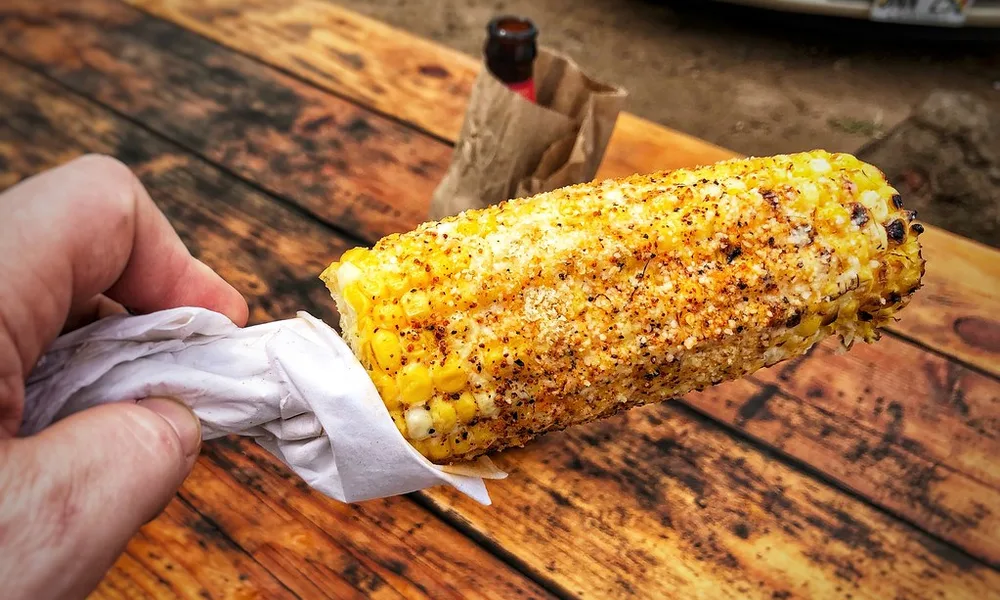
Frozen corn earns its freezer space because it turns a bare cupboard into dinner. Stir kernels into a creamy chowder with potato and bacon; fold them into a fritter batter with spring onion and chilli; scatter them over a salad with black beans, avocado and lime; or tip them into fried rice in the last two minutes. Elote, Mexican street corn, is the best use of a frozen cob: grill it, brush it with mayonnaise, roll it in crumbled cheese and chilli, and finish with lime.
Corn also belongs in dishes, not just beside them. Our guide to frozen vegetables shows how peas, broccoli and sweetcorn all cook in minutes from the freezer, and corn is the sturdiest of the three, which makes it the best for children and for anyone learning to cook. Our round-up of frozen broccoli covers the same roasting and steaming methods.
Frozen, Fresh and Canned Corn Compared
Fresh corn wins on texture when it is in season and properly ripe, which means a few weeks a year. Out of season, fresh corn is often starchy and expensive, and a good bag of frozen corn beats it easily. Frozen corn is consistent all year, already cut, and ready in minutes.
Canned corn is the other pantry option, and it is softer and saltier than frozen corn. It suits chowders and casseroles, where softness does not matter, but it is a poor substitute in salads and grilled dishes. Our guide to canned corn explains the difference in detail: canned corn is cooked in the tin, frozen corn is blanched and frozen, and that difference decides the texture.
Storage and Shelf Life
An unopened bag of frozen corn keeps for eight to twelve months in the freezer, but use it within three months for the best flavour. Store bags flat so they stack, and squeeze the air out before sealing: air is what causes freezer burn, the dry white patches that ruin texture.
Once opened, reseal the bag tightly with a clip or transfer the corn to a sealed freezer bag. Never refreeze corn that has thawed: thawed kernels go soft, watery and grey, and refreezing does not fix them. Cook thawed corn straight away instead, or throw it away.

How Frozen Corn Fits the Rest of the Freezer
Frozen corn earns its space because it is the most forgiving vegetable in the freezer. Peas need care, spinach needs squeezing, and broccoli needs room on the tray; corn just needs heat and salt. Keep one bag of kernels for everyday cooking and one bag of cobs for weekends, and the freezer is ready for whatever the week brings.
The same habits that make a good bag of corn make a good freezer: buy plain, check for frost, cook fast and hot, and use it up within three months.
Frozen Corn Buying Checklist
- Choose kernels for everyday cooking and salads, and cobs for grilling and serving whole.
- Pick supersweet varieties when the bag names them; deep golden kernels are the next best sign.
- Buy plain corn only: the label should read corn, with no added salt, sugar or sauce.
- Check the bag: kernels should be whole and golden, with no frost and no solid frozen block.
- Cook straight from frozen, fast and hot, and season after cooking, not before.
- Use within three months, keep the bag sealed flat, and never refreeze thawed corn.
Frequently Asked Questions
Do I need to defrost frozen corn before cooking?
No, for almost everything. Cook kernels and cobs straight from frozen; defrosting makes them soggy. The only exception is creamed corn, which is sold in blocks and needs gentle thawing before it goes into a sauce.
Is frozen corn as healthy as fresh corn?
Yes, near enough. Freezing keeps most of the fibre, folate and vitamin C, and plain frozen corn has no added salt or sugar. Fresh corn loses sweetness within days of picking, so frozen corn is often the better buy out of season.
Why is my frozen corn mushy?
Mushy corn usually means it was overcooked, defrosted before cooking, or thawed and refrozen. Cook it fast and hot from frozen, stop as soon as it is heated through, and reject bags with heavy frost inside.
Can I roast frozen corn?
Yes, and it roasts well. Spread kernels or cobs in a single layer on a tray, toss with oil and salt, and roast at 220 degrees until the edges crisp. Do not crowd the tray, or the corn will steam instead of roast.
How long does frozen corn keep?
Eight to twelve months unopened, but use it within three months for the best flavour. Once opened, reseal the bag tightly and keep it flat in the freezer. Never refreeze corn that has thawed.
Are frozen corn and canned corn the same?
No. Frozen corn is blanched and frozen, so it stays firm and sweet; canned corn is cooked in the tin, so it is softer and saltier. Frozen corn suits salads and grilling, canned corn suits chowders and casseroles.
The Bottom Line
The best frozen corn in 2026 is plain supersweet kernels, bought in a frost-free bag and cooked fast and hot straight from the freezer. Keep cobs beside them for the grill, season after cooking, and use the bag within three months.


