Frozen Broccoli Worth Stocking in 2026
Frozen broccoli is the most useful bag in the freezer aisle, and the most misunderstood. It is cheap, it keeps for months, it is ready in minutes, and it carries more nutrition per bite than almost any other frozen vegetable. Yet most bags end up boiled into a grey, soggy pile that nobody wants to finish, which is why frozen broccoli has a reputation it does not deserve. Cooked properly, it is bright green, a little crisp at the edges, and genuinely good to eat.
The difference between a great bag and a disappointing one is rarely the brand. It is the cut, the way the bag was frozen, and the cooking method. This guide explains florets versus cuts, what frozen broccoli does for your meals, and how to cook it so it tastes like the vegetable it is.
Key takeaways
- Florets are the best all-round cut: even pieces that roast, steam and stir-fry well, while chopped cuts suit soups and sauces.
- Buy loose, free-flowing bags. A solid frozen clump means the bag has thawed and refrozen, and the broccoli inside will cook up soft and grey.
- Roast or steam frozen broccoli straight from the freezer. Boiling it in a big pot of water is the fastest way to ruin it.
- Frozen broccoli keeps most of its vitamin C, vitamin K and fibre, because it is blanched and frozen within hours of picking.
- Use it within three months for the best flavour, keep the bag sealed flat, and never refreeze broccoli that has thawed.
Why frozen broccoli earns its freezer space
Fresh broccoli is a wonderful vegetable with an awkward habit: it goes limp in the fridge within days. Frozen broccoli has no such problem. It waits in the freezer until you need it, it is already cut, and there is no washing, trimming or waste. A bag costs less than a fresh head, feeds more meals, and is there on the nights when there is no time to shop.
It is also one of the most versatile vegetables you can keep. A handful goes into pasta, a soup, a stir-fry or a tray of roast vegetables without any planning, and it works as a side dish on its own. For busy households, that combination of nutrition, convenience and price is hard to beat, which is why it sits alongside the rest of the best frozen vegetables in any well-stocked freezer.
Florets vs cuts: what is actually in the bag
The single most important choice is the cut, because it decides what the broccoli is good for. Bags usually say florets, cuts, chopped or spears on the front, and the words mean different things in the pan.
Florets: the best all-round cut
Florets are the small tree-shaped pieces cut from the head, each with a short stem and a compact crown. They are the best cut for most cooking, because they are roughly the same size, they cook evenly, and they keep their shape. They roast beautifully, steam in three minutes, and hold up in a stir-fry without falling apart.
Cuts and chopped: best for soups and sauces
Cuts are smaller, looser pieces: broken florets, stem slices and crumbs, all mixed together. They are cheaper than florets, and they are the right choice when the broccoli is going to be blended or stirred into something else. In a soup, a pasta sauce, a curry or a cheesy bake, cuts disappear into the dish and give it body and colour without anyone needing to see a perfect floret.
What cuts cannot do is stand on their own as a side dish. Tipped onto a plate, they look like green rubble and cook into a soft pile.

Frozen broccoli nutrition: what survives the freezer
Broccoli is one of the most nutritious vegetables you can eat, and freezing treats it kindly. The heads are blanched briefly, then frozen within hours of harvest. The result is a vegetable that keeps most of its vitamin C, vitamin K, folate and fibre, and that in winter can be more nutritious than a fresh head that has spent a week in transit and three more days in the fridge.
The cooking method matters more than the freezing. Boiling broccoli in a large pot of water leaches vitamins into the water you then throw away, which is why boiled broccoli is both the least tasty and the least nutritious way to cook it. Roasting, steaming and stir-frying keep far more of the goodness in the vegetable, and they taste better too. The bag itself should contain one ingredient, broccoli, with nothing added. Sauced or cheese-coated bags cost more, carry far more salt, and give you less broccoli for the money.
How to cook frozen broccoli so it stays green
The golden rule is simple: cook it fast, cook it hot, and use as little water as possible. Frozen broccoli is already blanched, so it needs far less cooking than people think. Three to five minutes is enough for most methods, and the moment the florets turn bright green and a knife slides into the stem with slight resistance, they are done.
Roasting: the best method for flavour
Roasting is the method that turns broccoli sceptics into fans. Spread the frozen florets in a single layer on a baking tray, toss them with a little oil and salt, and roast at 220 degrees for twelve to fifteen minutes, turning once halfway through. The edges crisp and brown, the stems stay tender, and the flavour deepens into something nutty and almost sweet.
Steaming: the fastest weeknight method
Steaming takes three minutes and needs nothing but a pan with a lid and a splash of water. Put the florets in a steamer basket or a colander over simmering water, cover, and check at three minutes. They should be bright green and just tender. A squeeze of lemon and a knob of butter at the end is all the seasoning they need.
Air frying: crisp edges in ten minutes
An air fryer does a fine job with frozen broccoli, and it is faster than the oven. Toss the florets in oil and salt, spread them in a single layer in the basket, and cook at 200 degrees for eight to ten minutes, shaking the basket once. The crowns go crisp while the stems stay juicy, which is exactly the contrast you want.
Sautéing: best for stir-fries
For a stir-fry, drop the frozen florets straight into a hot, oiled pan and do not touch them for the first minute, so the cut sides brown. Then toss with garlic, ginger and soy sauce, and cook for three or four minutes more.
What not to do: the boiling trap
Boiling is the one method to avoid. A big pot of water, a long simmer and a colander is how frozen broccoli becomes grey mush, and it is also how its vitamins end up down the drain.
Four easy ways to use frozen broccoli
Frozen broccoli earns its place by being useful in dishes you already cook, not by demanding new recipes. These four are the ones that work best, and each takes under twenty minutes.
1. Broccoli pasta with garlic and chilli
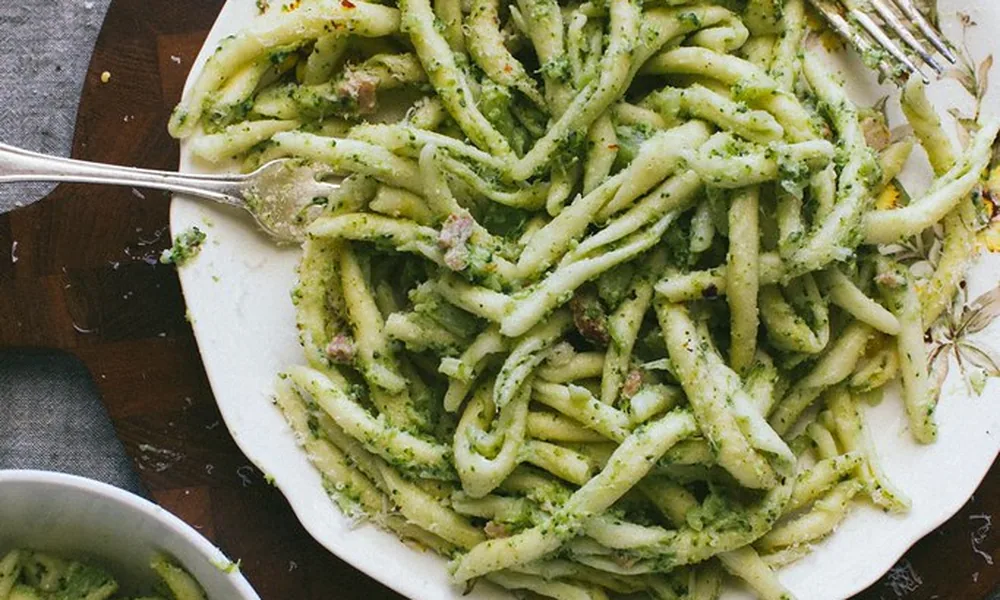
Drop a cup of frozen florets into the pasta water for the last three minutes of cooking, then drain everything together. Toss with olive oil, garlic, chilli flakes and parmesan. The broccoli breaks down slightly and coats the pasta, which is exactly what you want.
2. Stir-fry with noodles or rice
Stir-fry the florets hot and fast with garlic and ginger, then add cooked noodles, soy sauce and a drizzle of sesame oil. It is a complete dinner in ten minutes, and it works just as well over rice.
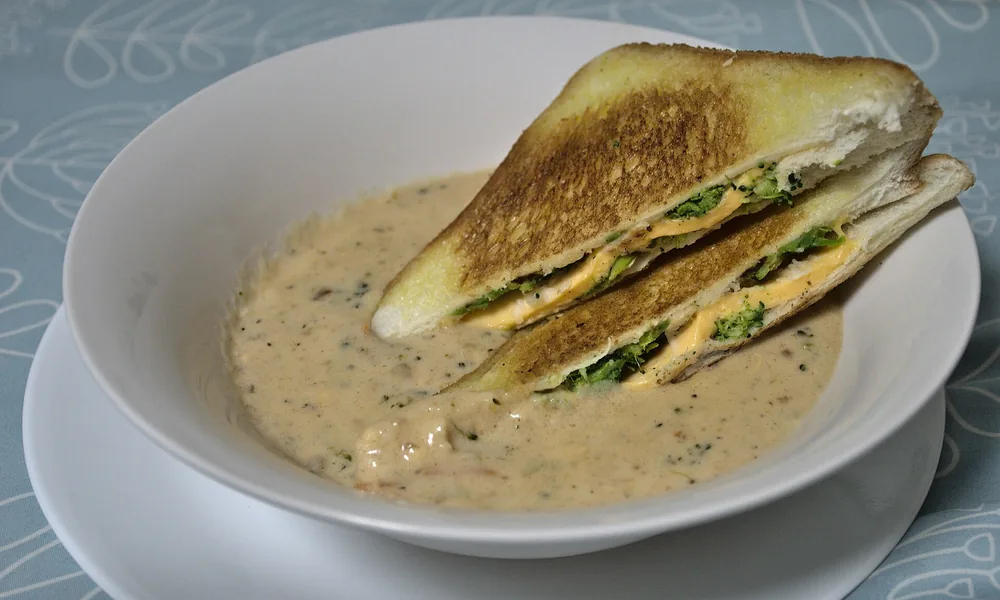
3. Broccoli and cheddar soup
Simmer frozen cuts in stock with an onion and a potato for fifteen minutes, blend until smooth, and stir in grated cheddar.
4. Cheesy broccoli bake
Steam the florets, tip them into a baking dish, cover with a simple cheese sauce and a handful of breadcrumbs, and bake until golden.
If you are building a freezer around quick meals rather than single ingredients, the same thinking applies to the ready-made side of the aisle: our guide to frozen meals worth heating uses the same tests of ingredients, portions and cooking time.
Frozen broccoli cooking methods, compared
| Method | Time | Texture | Best for |
|---|---|---|---|
| Roasting | 12–15 minutes | Crisp edges, tender stems | Side dishes, converting sceptics |
| Steaming | 3 minutes | Bright, just tender | Weeknights, keeping nutrients |
| Air frying | 8–10 minutes | Crisp crowns, juicy stems | Quick crisp results |
| Sautéing | 4–5 minutes | Browned, firm | Stir-fries and noodles |
| Boiling | 5–6 minutes | Soft, often grey | Avoid where possible |
Buying and storage checklist
- Squeeze the bag before buying: the florets should feel loose and free-flowing, like marbles, not like a solid block.
- Check the ingredient list says one thing only: broccoli. Skip bags with added salt, sauces or cheese coatings.
- Look for even-sized florets with tight, dark-green crowns and no yellowing or large ice crystals inside the bag.
- Store the bag flat in the freezer so it stacks neatly and thaws evenly, and press the air out before resealing.
- Use within three months for the best flavour and colour, and label the bag with the date you opened it.
- Never refreeze broccoli that has thawed, and do not thaw it on the counter: cook it straight from frozen.
Frequently asked questions
Do I need to thaw frozen broccoli before cooking?
No. Cook it straight from frozen for every method in this guide. Thawing makes the florets soft and watery, and it adds a step you do not need.
Is frozen broccoli as healthy as fresh?
Yes, near enough that the difference does not matter. Frozen broccoli keeps most of its vitamin C, vitamin K, folate and fibre, and because it is frozen within hours of picking, it can beat a fresh head that has spent days in transit and in the fridge.
Why does my frozen broccoli go soggy?
Almost always because it was boiled, crowded in the pan, or cooked too long. Use a hot, dry method like roasting or sautéing, spread the florets in a single layer, and stop cooking the moment they turn bright green and just tender.
How long does frozen broccoli last in the freezer?
It stays safe indefinitely while frozen, but the flavour and texture fade after about three months, and freezer burn sets in after six. Keep the bag sealed and press the air out.
Can I use frozen broccoli in smoothies?
You can, and it works surprisingly well. A small handful blends into a green smoothie without much flavour, and it adds fibre and vitamin C. Steam it first and let it cool, or the raw frozen pieces will make the smoothie icy and gritty.
What is the best bag of frozen broccoli to buy?
The best bag is a plain bag of evenly sized florets with one ingredient on the label, bought loose and free-flowing rather than clumped. Own-brand bags are often identical to premium ones, so compare the floret size and the price per kilo rather than the branding. And if you are stocking a freezer for the long term, the right meal prep containers for freezing matter as much as the bags themselves.
The bottom line
Frozen broccoli is worth stocking in 2026 because it is cheap, nutritious, versatile and always there when you need it. Buy florets for roasting and serving, cuts for soups and sauces, and always choose a loose, free-flowing bag with a single ingredient on the label. Cook it fast and hot, straight from the freezer, and skip the boiling water. Done that way, the most useful bag in the freezer aisle is also one of the tastiest.