The best drip coffee makers in 2026 do one job brilliantly: they turn ground coffee and cold water into a full pot of hot, flavourful coffee with almost no effort from you. This year’s machines brew hotter, hold temperature better, and offer smarter controls. Whether you drink one quiet cup before work or fill a twelve-cup carafe for a busy household, the right machine makes the difference between a flat, lukewarm cup and one you actually look forward to.
Choosing well matters because a drip coffee maker is a daily-use appliance. A machine that brews at the wrong temperature will under-extract your coffee and leave it sour, while a poor carafe lets a fresh pot go cold fast. The best models solve both problems, heating water to the ideal range of around 195 to 205 degrees Fahrenheit and keeping the finished coffee hot without scorching it. They also clean up easily.
This guide rounds up the nine best drip coffee makers of 2026, from budget-friendly workhorses to premium brewers built for coffee lovers who want cafe-level results at home. Each pick was judged on brew temperature, flavour, capacity, ease of cleaning, and value for money. A comparison table, a buying checklist, and answers to common questions follow, so you can pick the machine that fits your kitchen and household.
Key takeaways
- The best drip coffee makers brew at 195 to 205 degrees Fahrenheit, the range that extracts full flavour without bitterness.
- A thermal carafe keeps coffee hot for hours without a warming plate, while a glass carafe is cheaper but cools faster.
- Ten to twelve cups suit households, while a five-cup machine is the smarter pick for solo drinkers.
- Programmable timers, pause-and-serve, and auto shut-off are the features worth paying for in 2026.
- Freshly ground beans and filtered water improve any machine more than any single feature upgrade.
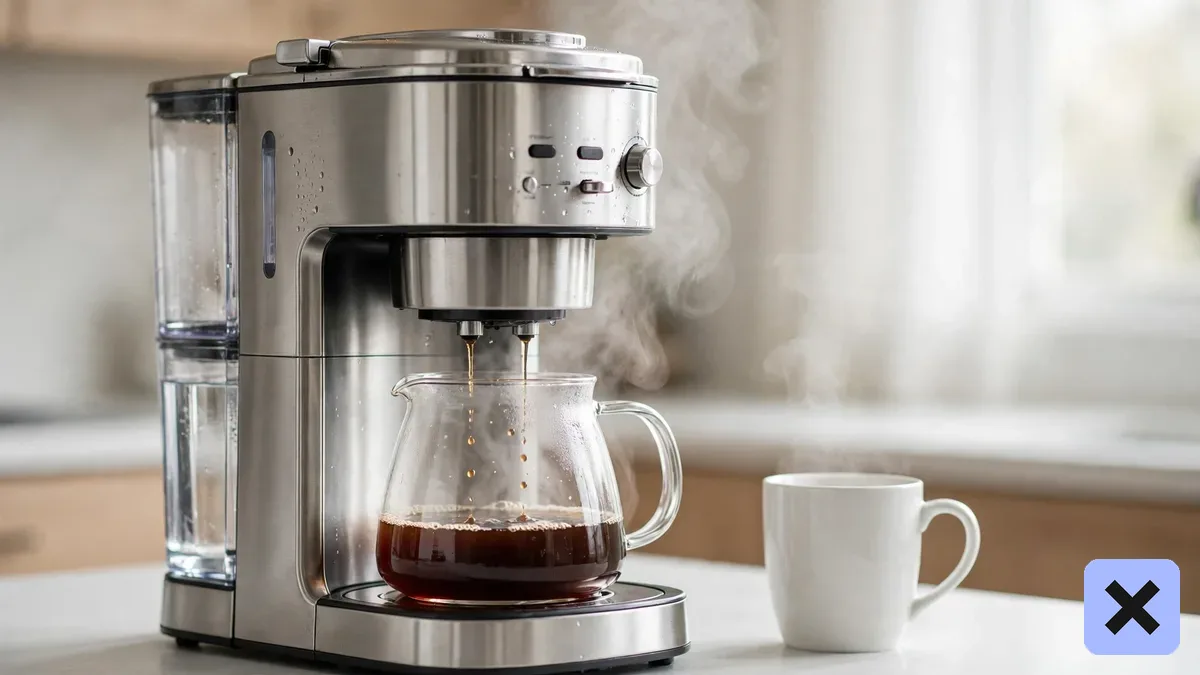
The 9 Best Drip Coffee Makers of 2026
Every machine below earns its place for a different reason: flavour, capacity, value, or looks. Use the comparison table further down to narrow it to the one that fits your mornings.
1. Best Overall: The Everyday Precision Brewer
This is the machine to buy if you want one answer and no regrets. It heats water quickly to the ideal brewing range and holds it there through the whole cycle, so the first and last cups taste the same. Its showerhead spreads water evenly over the grounds, preventing the dry pockets that cause weak coffee in cheaper machines. It brews ten cups in six minutes and keeps them hot in a thermal carafe for two hours.
2. Best Budget: The Reliable Twelve-Cup Classic
It costs roughly half of the premium picks yet still brews a solid, hot pot every morning. The glass carafe sits on a warming plate with two heat settings, and pause-and-serve lets you pour a cup mid-brew without a mess. The trade-off is temperature: it runs a few degrees cooler than ideal, so very light roasts can taste slightly flat. For medium and dark roasts the difference is hard to notice.
3. Best for Flavour: The Slow-Drip Specialist
It uses a slower bloom phase, wetting the grounds and letting them rest for thirty seconds before the main brew begins. That pause releases trapped gases and extracts flavour more evenly, the same technique baristas use for pour over coffee. The result is a noticeably sweeter, more layered cup. A full pot takes eight minutes, but the extra time is worth it.
4. Best Thermal Carafe: The All-Day Hot Pot
A warming plate keeps coffee hot by cooking it, and after an hour the flavour turns bitter and stale. This machine avoids that with a vacuum-insulated steel carafe that holds a pot at drinking temperature for three hours with no heat source. It adds a pre-infusion mode and a brew-pause function, and the carafe pours cleanly without dribbling.
5. Best Small Machine: The Compact Five-Cup Brewer
This compact five-cup brewer is barely wider than a kettle, brews a full pot in four minutes, and uses smaller filters that are easy to find and cheap to replace. Despite its size, it does not cut corners on temperature, heating water into the proper range and holding it there. The glass carafe has a drip-free spout, and the machine is light enough to tuck into a cupboard.
6. Best Programmable: The Set-It-and-Forget-It Brewer
Set the timer before bed and wake to a freshly brewed pot, with a small chime and a keep-warm cycle that holds it at serving temperature for an hour before switching itself off. You can save a preferred strength setting, choose a delayed start up to twenty-four hours ahead, and set auto shut-off from thirty minutes to four hours.
7. Best Design: The Kitchen Showpiece
With a matte finish, clean lines, and a glass-and-steel carafe, it looks like it belongs in a design magazine rather than a bargain aisle. The looks are backed by serious engineering, including a copper heating element that reaches brewing temperature in under a minute. It brews eight cups and comes in four colours that suit modern kitchens. The price is higher than the workhorse picks, so it suits couples and design-conscious buyers.
8. Best for Large Households: The Fourteen-Cup Workhorse
This fourteen-cup workhorse brews enough for the whole table in a single cycle, with a wide showerhead that keeps extraction even across a much larger bed of grounds. It has a large water tank you can fill without moving the machine. The footprint is bigger than average, so measure your counter first, but for large families it ends the daily argument over the last cup.
9. Best Smart Brewer: The App-Controlled Coffee Maker
It connects to your phone and voice assistant, letting you start a brew from bed, adjust strength from the sofa, and get a notification when the pot is ready. It also tracks how often you brew and reminds you when the filter needs changing or the machine needs descaling. The machine works perfectly well with its physical buttons too, and brew quality matches the best non-smart picks.
Drip Coffee Maker Comparison Table
Capacity is listed in standard five-ounce cups.
| Machine | Capacity | Carafe | Key Feature | Best For |
|---|---|---|---|---|
| Everyday Precision Brewer | 10 cups | Thermal | Even showerhead extraction | Most households |
| Reliable Twelve-Cup Classic | 12 cups | Glass | Low price, pause-and-serve | Budget buyers |
| Slow-Drip Specialist | 10 cups | Thermal | Thirty-second bloom phase | Flavour lovers |
| All-Day Hot Pot | 12 cups | Thermal | Three-hour heat retention | Staggered schedules |
| Compact Five-Cup Brewer | 5 cups | Glass | Small footprint | Solo drinkers |
| Set-It-and-Forget-It Brewer | 12 cups | Glass | 24-hour programmable timer | Busy mornings |
| Kitchen Showpiece | 8 cups | Glass and steel | Copper heating element | Design-led kitchens |
| Fourteen-Cup Workhorse | 14 cups | Glass | Largest capacity | Large households |
| App-Controlled Brewer | 10 cups | Thermal | Phone and voice control | Smart homes |
How to Choose the Best Drip Coffee Maker
The right machine depends on your household, your taste, and your counter space. Work through the factors below before you buy.
Capacity and Household Size
Count the cups your household actually drinks before the pot goes cold. A ten-cup machine suits two to three drinkers, a twelve-cup machine covers a family, and a five-cup machine is right for one person. Buying too big wastes coffee; buying too small means brewing twice.
Brew Temperature and Flavour
Temperature is the single biggest factor in flavour. Water below 195 degrees under-extracts and tastes sour, while water above 205 degrees over-extracts and tastes bitter. The best machines hold the ideal range through the whole cycle. If a manufacturer does not publish its brewing temperature, treat that as a warning sign.
Carafe Type: Thermal vs Glass
A thermal carafe keeps coffee hot without cooking it, so the last cup tastes nearly as good as the first. A glass carafe on a warming plate is cheaper, but the plate slowly scorches the coffee. If your pot sits for an hour or more, thermal is worth the extra money.
Filters, Cleaning, and Maintenance
Paper filters are cheap and make cleanup easy, while reusable gold-tone filters save money and waste over time. Check that the filter basket removes easily and the reservoir is simple to fill and wipe down. Descale every one to three months, and your machine will brew well for years instead of slowly clogging and cooling down.
Drip vs Other Brewing Methods
Drip machines win on convenience, but they are not the only way to make coffee. Espresso machines make stronger, more concentrated coffee and can steam milk for lattes, but they cost more, need more skill, and make one or two cups at a time. If you want cafe-style drinks, our guide to the best home espresso machines of 2026 compares the strongest options. A kettle and pour over setup gives you more control, and our comparison of the kettle versus coffee maker for the morning walks through the trade-offs in speed, taste, and effort. Pour over tastes slightly better when done well; drip tastes good every time with almost no attention.
How to Brew Better Coffee With Any Drip Machine
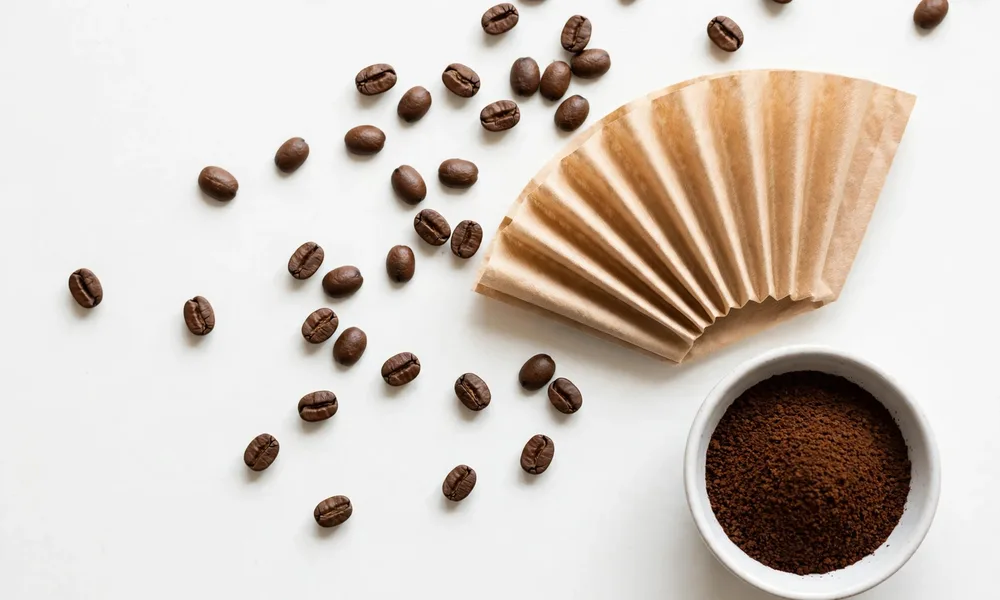
Even the best machine cannot rescue stale beans or bad water. Start with freshly ground coffee, ground medium-fine for drip, and use it within two weeks of opening the bag. Use filtered water if your tap water tastes of chlorine or minerals, and measure properly: roughly two tablespoons of ground coffee per six ounces of water is a reliable starting ratio. A steady supply of good beans matters as much as the machine itself, and our roundup of the best coffee subscriptions of 2026 is a useful place to find fresh beans that suit drip brewing.
Keep the machine clean. Rinse the carafe and filter basket daily and descale regularly. Old coffee oils turn rancid and quietly ruin the flavour of every pot, so a clean machine is the cheapest flavour upgrade available.
Buying Checklist
- Match capacity to your household: five cups for one drinker, ten to twelve for a family.
- Check the brew temperature reaches 195 to 205 degrees Fahrenheit and holds it through the cycle.
- Choose a thermal carafe if your pot sits for more than thirty minutes.
- Look for a programmable timer, pause-and-serve, and auto shut-off for daily convenience.
- Confirm the filter basket and reservoir remove easily for cleaning and descaling.
- Measure your counter space and cupboard clearance before ordering.

Frequently Asked Questions
How much should I spend on a drip coffee maker?
A good machine costs between forty and two hundred dollars. Premium machines add temperature precision, thermal carafes, and better build quality.
Are expensive drip coffee makers worth it?
Yes, up to a point. The jump from a thirty-dollar machine to a hundred-dollar machine usually brings a real improvement in temperature control and flavour. Beyond that, you are mostly paying for design and smart features.
How long does a drip coffee maker last?
Most machines last three to five years, and well-built models can reach seven or more. Descaling regularly and using filtered water extend a machine’s life the most.
Should I use paper or reusable filters?
Paper filters produce a cleaner cup because they trap fine grounds and some oils, and they make cleanup easy. Reusable filters save money and reduce waste but let more sediment through.
Why does my coffee taste bitter?
Bitterness usually comes from water that is too hot, coffee ground too fine, or a dirty machine. Try a slightly coarser grind and descale the machine. Stale beans are another common cause.
Can I put a glass carafe in the dishwasher?
Many glass carafes are dishwasher safe, but hand washing is gentler and avoids chips. Thermal carafes should be hand washed, since dishwasher heat can damage the vacuum seal.
The Bottom Line
The best drip coffee maker of 2026 for most people is a mid-priced machine that brews at the right temperature, holds coffee hot in a thermal carafe, and cleans up without a fight. Buy the capacity that matches your household, prioritise temperature control over smart features, and spend what you save on fresh beans and filtered water.