Best Drone Cases for Safe Travel and Storage in 2026
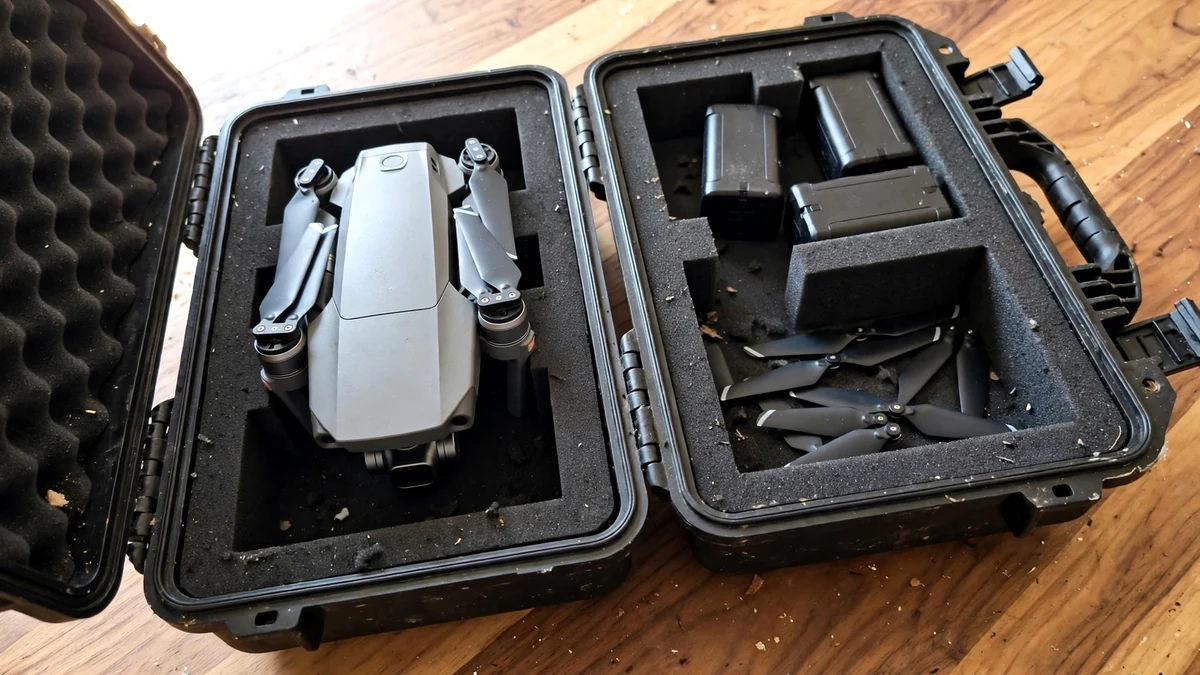
The best drone cases keep a fragile flying camera alive through car boots, airport queues, muddy fields and hotel rooms. A drone is a bundle of thin arms, exposed propellers, a delicate gimbal and a battery that does not forgive a hard knock. A proper case holds every part in its own shaped pocket, so the drone arrives exactly as it left.
Most drone damage is boring, not dramatic. It is rarely a crash that kills a drone. It is the propeller bent in transit, the gimbal knocked out of calibration by a falling suitcase, or a battery terminal scratched by a loose metal clip. A case built for your exact drone model stops parts moving, stops parts touching each other, and stops the weather getting in.
This guide compares the drone cases worth buying in 2026, from hard-shell cases with custom foam to soft cases and backpacks for lighter kits. Every case was judged on protection, fit, foam quality, weather sealing, weight, carrying comfort and value. Pick the one that matches your drone and how you travel, and your drone will still be flying next year.
Key Takeaways
- Buy a case made for your exact drone model, because a generic foam bed lets the drone slide and the propellers flex.
- Hard-shell cases protect best against drops and crushing, while soft cases win on weight and everyday carrying.
- Custom-cut foam matters more than the shell material: each part should sit in its own pocket and not touch anything else.
- Waterproof and dustproof sealing is worth paying for if you fly near the coast, in rain or on dusty tracks.
- Check airline carry-on size before you buy, because a case a centimetre too deep gets gate-checked and thrown in the hold.
The Main Types of Drone Case
Most drone cases fall into four designs. A hard-shell case is a rigid box, usually tough plastic, with foam inside and latches that seal it shut. It is the best protection money can buy: drop it, stack luggage on it, leave it in the rain, and the drone inside stays still and dry.
A soft case is a padded fabric bag with shaped compartments, zips and a shoulder strap. It is lighter, cheaper and easier to carry, and it fits in overhead lockers without a fight. Soft cases suit careful owners who fly close to home and carry the case themselves the whole way.
Hard-Shell Cases
Hard-shell cases are the default recommendation for any drone worth several hundred pounds. The shell is usually polypropylene or a similar impact-resistant plastic, with metal-reinforced latches and a handle that locks flat. Inside, the foam is either pre-cut for a specific drone or pick-and-pluck, where you pull out small cubes to shape the pockets yourself.
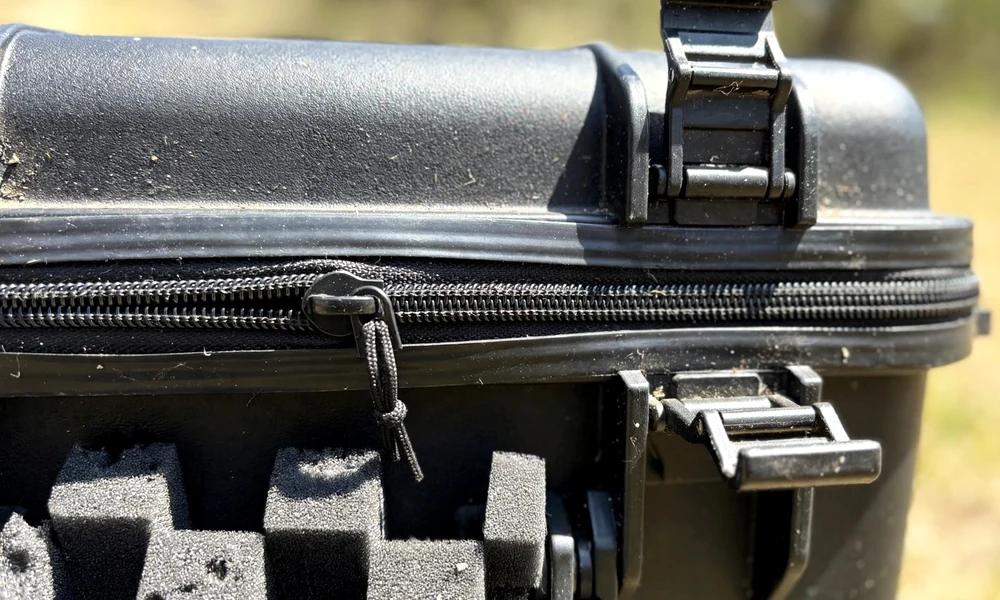
Check the latch quality before anything else. Cheap latches pop open when the case is dropped, and a case that opens in transit is worse than no case at all. Good latches need a firm press to open, stay shut under their own weight, and take a small padlock through the hasp.
Soft Cases and Backpacks
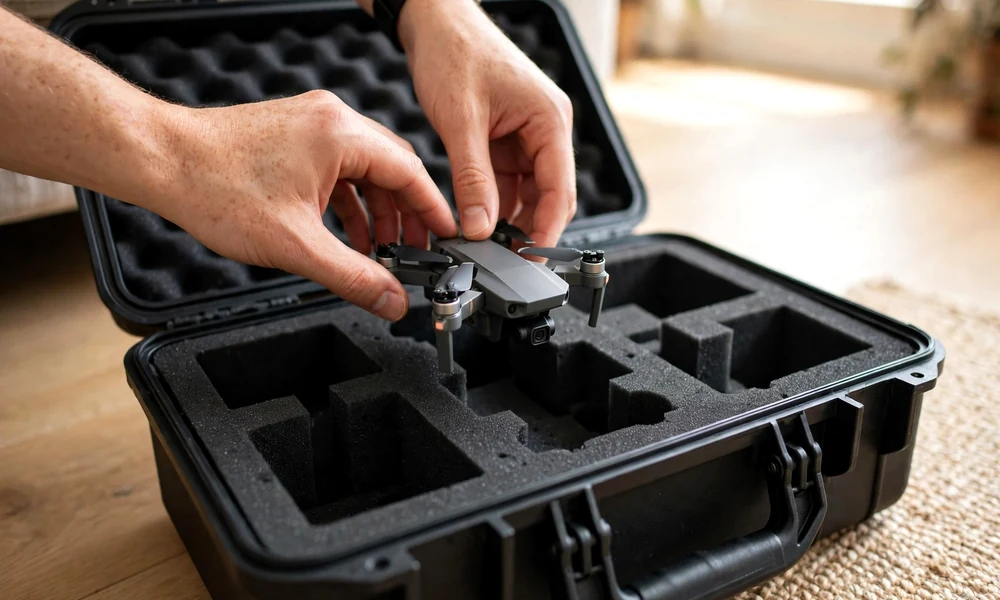
Soft cases work best for small drones that fold down to the size of a water bottle. The best ones have a hard base panel so the case keeps its shape when set down, and a rain cover tucked into a pocket for sudden showers. Look for a separate battery pocket, because loose batteries rolling against the gimbal is the most common cause of in-transit damage. A drone backpack adds a laptop sleeve and a water bottle pocket, making it the practical choice for a full day out, with the drone bay against your back where the load is most stable.
Try a backpack loaded before you buy if you can: a case that is comfortable empty can dig into your shoulders once the drone, three batteries and a controller are inside. If your drone is a larger model, check our guide to the best drones to see which sizes fold down small enough for a backpack at all. If you also carry camera gear, our guide to the best camera bags covers bags built around that job, with the same protection-first thinking.
Waterproof and Dustproof Cases
Waterproof cases carry an IP rating, usually IP67, which means they survive being dunked in a metre of water for half an hour and keep fine dust out entirely. The rubber O-ring seal around the lid does the work, so inspect it every few months: a nicked or flattened seal lets water in, and a dry seal sticks and tears. A smear of silicone grease once a year keeps it supple.
The pressure valve is a small screw or button on the side. After a flight, air pressure inside the case changes with altitude and temperature, and without a valve the lid can vacuum itself shut.
Drone Cases Compared
| Case type | Best for | Protection | Weight | Typical price |
|---|---|---|---|---|
| Hard-shell, pre-cut foam | Air travel, valuable drones | Best, drop and crush proof | Heavy, 2 to 3 kg empty | Higher |
| Hard-shell, pick-and-pluck foam | Mixed kits, odd sizes | Very good, foam loosens over time | Heavy | Mid to higher |
| Soft case | Day trips, small folding drones | Good against bumps, not crushing | Light, under 1 kg | Lower |
| Drone backpack | Hiking, all-day outings | Good, rigid panels help | Light to mid | Mid |
| Waterproof hard case | Coast, boats, dust, rain | Best, sealed against water and dust | Heaviest | Highest |
How to Choose the Best Drone Case for You
Start with your drone. Measure it folded, with the propellers on, and check the case maker’s fit list. A case listed for one model often fits a close sibling, but never assume it: a few millimetres of difference means the propellers press against the foam or the gimbal sits in the wrong pocket.
Next, count your kit. A case that holds the drone alone is useless if you also carry three batteries, a controller, a charger, spare propellers and filters. Lay the whole kit out and measure the pile. Batteries need their own pockets with dividers between them, because battery terminals touching metal is a fire risk.
Then think about how you travel. If you fly, check the airline’s carry-on limits and measure the case against them, including the handle and latches. If you drive, weight matters less and protection matters more, so a hard case is the easy choice. If you hike, weight matters most, so a backpack with rigid panels is the compromise that actually gets used.
Finally, look at the small details that separate a good case from a frustrating one. Zips should run smoothly with one hand and have pulls big enough to grip with cold fingers. The handle should be comfortable for a long walk to the flying field. The case should open flat, so you can see everything at a glance, and it should stay open on its own rather than flopping shut on your hands. A case that fights you every time you pack it is a case you will stop using.

Packing Your Drone Properly
Packing is a routine, and routines protect drones. Fold the arms in the order the manual gives, usually front arms first, and check the propellers sit flat against the body, not twisted across the gimbal. Put the gimbal cover on before the drone goes into the case: the cover is a small piece of plastic that saves a very expensive camera. Place the drone in its pocket and press it gently into the foam. It should sit snug with no rocking. If it rocks, the foam pocket is the wrong shape and the drone will move in transit.
Batteries go in next, terminals facing away from anything metal, each in its own pocket. The controller goes in its pocket with the sticks protected, either by a stick guard or by a foam lid that holds them still.
Travelling With Drone Batteries
Batteries deserve their own section, because the rules are strict and the risks are real. Most airlines require drone batteries in hand luggage, never in the hold, and many limit you to two spare batteries over 100 watt-hours. Check your airline before you travel, and tape over the terminals or use battery bags so nothing can short across them. A battery at half charge travels safest: full batteries hold more energy, and empty ones are harder to revive after a long trip.
Heat is the other enemy. Never leave a cased drone in a hot car, because the case traps heat and batteries degrade fast above 40 degrees. Action cameras share the same travelling problems, and our guide to the best action cameras covers cameras built to survive rough handling, with the same packing rules: separate pockets, nothing loose, nothing pressing on the lens.
Care and Cleaning
A case lasts years if you look after it. After a dusty or sandy flight, empty the case and shake the foam out outdoors: sand in the foam scratches the drone every time you pack it, and salt from coastal flying corrodes zips and latches. Wipe the shell with a damp cloth and a drop of washing-up liquid, and dry it fully before you close it for storage.
Your Drone Case Checklist
- Measure your drone folded, propellers on, and buy a case listed for that exact model.
- Check the foam: every part in its own pocket, nothing touching, nothing rocking when you shake the case.
- Count the kit first, then buy the case, so batteries, controller and spares all fit.
- Check airline carry-on size before you buy if you fly with the drone.
- Test the latches and hinges in the shop: firm, solid, and lockable if you need it.
- Inspect the seal and foam once a year, and replace worn foam instead of the whole case.
Frequently Asked Questions
Do I really need a case made for my exact drone?
Yes, for any drone worth protecting. A model-specific case holds the drone still in every direction.
Is a hard case worth the extra weight?
For air travel and car journeys, yes. The weight is the price of surviving a drop or a heavy bag landing on top.
Can I carry my drone case as hand luggage?
Most hard cases for small and mid-size drones fit airline carry-on limits, but check your airline’s exact size and weight limits first.
What is pick-and-pluck foam?
It is foam scored into small cubes that you pull out by hand to shape pockets around your kit. It fits almost anything, but the pockets loosen over time as the foam tears, so it needs replacing sooner than pre-cut foam.
How do I stop my batteries getting damaged in the case?
Give each battery its own pocket with a divider between them, keep terminals away from metal, and use battery bags if the case has no dividers. Never let batteries rattle loose against the drone or each other.
Does a waterproof case matter if I never fly in rain?
It matters near the coast and on dusty tracks, where salt spray and fine dust get into everything. For dry inland flying in fair weather, a standard hard case with a good lid seal is enough.
The Bottom Line
The best drone case is the one made for your drone, with foam that holds every part still, latches that stay shut, and a size that fits how you travel. Hard cases protect best, soft cases and backpacks carry lightest, and waterproof cases earn their price near the coast. Buy the case before your next trip, pack it properly every time, and your drone will keep flying long after a loose bag would have broken it.