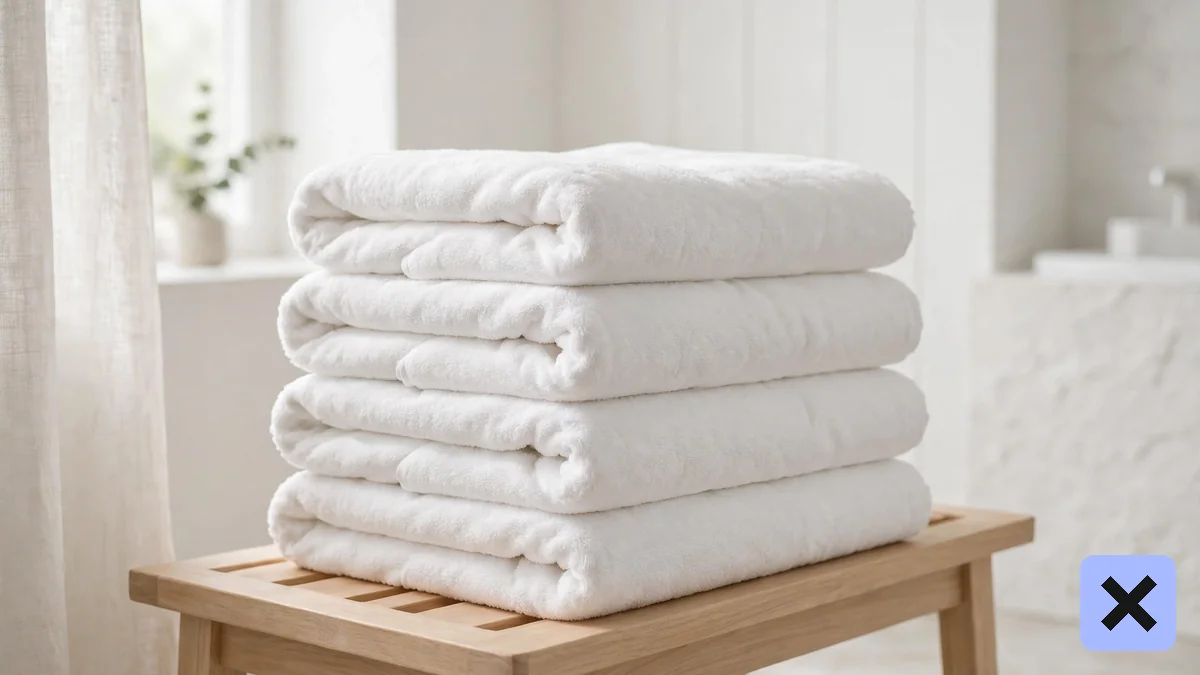
The best duvet covers for kids in 2026 combine soft, skin-friendly fabrics with prints children love and construction tough enough to survive weekly washing. A good cover protects the duvet inside, keeps your child comfortable all night, and turns a bedroom into a space they are excited to sleep in.
Shopping for children is different from shopping for adults. Kids have more sensitive skin, run warmer at night, and hold strong opinions about dinosaurs and rainbows. The wrong cover means itchy nights and a duvet bunched in one corner by morning; the right one fades into a good night’s sleep.
This guide covers fabric, fit, closures, and care, and compares the strongest options of the year on comfort, durability, washability, and value, so you can choose once and stop thinking about it.
Key takeaways
- Choose 100% cotton or bamboo for the softest, most breathable sleep, especially for sensitive skin.
- Match the cover to the duvet exactly: too large bunches, too small pulls and strains the seams.
- Look for hidden zips or sturdy buttons, plus corner ties that hold the duvet in place.
- Wash weekly in warm water and skip fabric softener, which coats fibres and reduces breathability.
- Let your child pick the print from a shortlist you approve: a design they love makes bedtime easier.
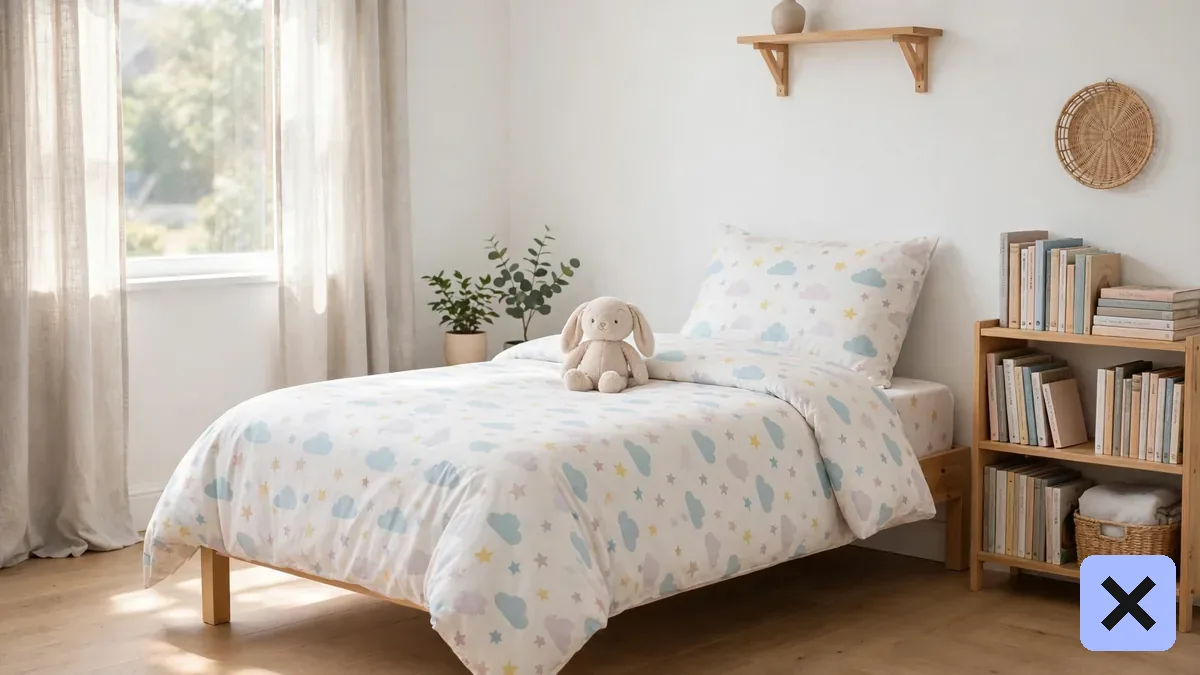
Why the Right Duvet Cover Matters for Kids
Children spend roughly ten hours a night in bed, so the fabric touching their skin is one of the most used textiles in their life. A rough or sweaty cover can disturb sleep in ways a child cannot explain, showing up as restlessness or early waking.
A duvet cover also works as protection, taking the brunt of spills and crayon marks while the duvet inside stays clean and dry. A cover that washes well is worth far more than one that fades or shrinks after three washes. And a print your child chose gives them ownership of their space, which often ends the nightly negotiation about going to bed.
What to Look for in a Kids’ Duvet Cover
Fabric and Breathability
Cotton remains the safest all-round choice: it breathes well, feels soft, and washes without fuss. Percale feels crisp and cool for warm sleepers, while sateen feels smoother and slightly warmer. Bamboo is softer still and wicks moisture well, a strong pick for children who wake sweaty. Microfibre is the budget option: wrinkle-resistant, fast-drying, and widely printed, but it breathes less well, so it suits cooler rooms better.
For children with eczema or very sensitive skin, look for covers labelled hypoallergenic or OEKO-TEX certified. Avoid heavy chemical finishes or strong factory smells, and wash any new cover before its first use.
Fit and Size
Measure the duvet before you shop, not the bed. A single duvet for a child is usually around 135 by 200 centimetres, while a cot-bed duvet is much smaller, so a cover bought by bed size alone is a gamble. Match it within a couple of centimetres: too much fabric bunches around small legs, while a tight cover pulls at the seams and leaves the corners exposed.
Corner ties are a small detail that makes a large difference, anchoring the duvet at all four corners so it cannot slide into a lump overnight. If your cover lacks them, ties can be sewn in at home, but it is easier to buy a cover that already has them.
Closures That Stay Shut
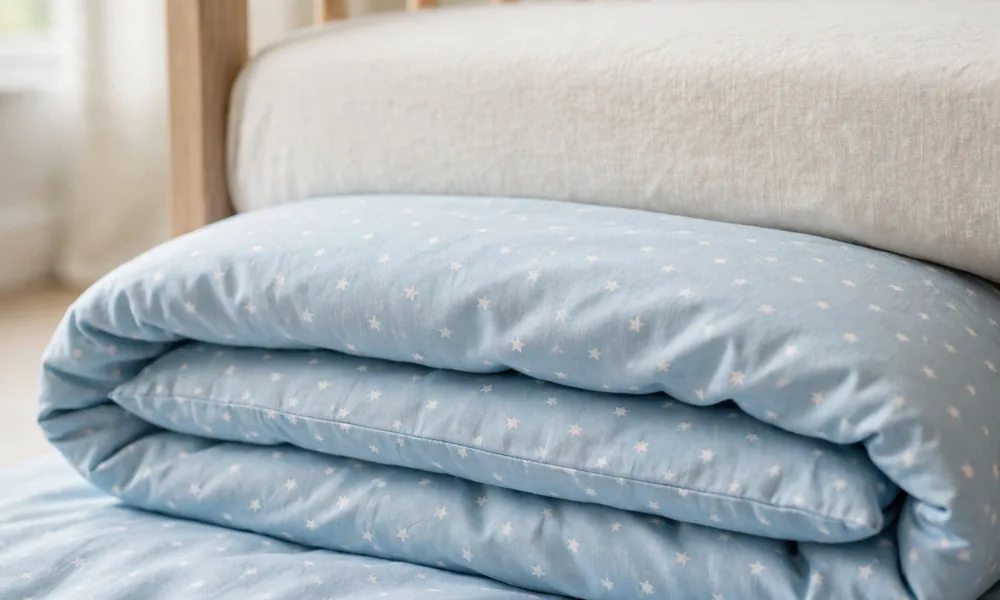
The closure is where cheap covers fail first. A hidden zip is the neatest option: it sits flat, keeps the duvet inside, and is easy to open at changeover time. Buttons look charming but take longer to fasten and can pop off in the wash. Envelope closures avoid hard parts, which some parents prefer for very young children, though they can gape open during the night.
Designs Kids Will Love
Prints matter more to children than thread count ever will. Dinosaurs, space rockets, unicorns, and stars remain the most requested themes, and they hide small stains far better than plain white. Reversible covers give two looks for the price of one. One caution: dark or heavily printed covers can fade faster, so wash a new cover alone the first time and check whether the dye runs.
Ease of Washing and Drying
Kids’ bedding is washed far more often than adult bedding, so the care label matters. The best covers survive a warm forty-degree wash and tumble drying without shrinking or fading, and pre-shrunk cotton is worth seeking out. Avoid covers that demand dry cleaning only; in a family home, that promise will not survive the first month.
Best Duvet Covers for Kids 2026 Compared
The table below compares the strongest options of the year. Use it to narrow the field, then read the notes underneath to see which one suits your child.
| Cover type | Best for | Fabric | Closure | Care |
|---|---|---|---|---|
| Classic cotton percale | Warm sleepers, sensitive skin | 100% cotton | Hidden zip | Machine wash, tumble dry |
| Organic cotton sateen | Everyday comfort, eczema | Organic cotton | Hidden zip | Machine wash, line dry |
| Bamboo blend | Hot sleepers | Bamboo and cotton | Hidden zip | Cool wash, line dry |
| Brushed flannel | Cold bedrooms | Brushed cotton | Buttons | Warm wash, tumble dry low |
| Microfibre print | Budget buys | Microfibre | Envelope | Machine wash, fast dry |
| Jersey knit | Restless sleepers | Cotton jersey | Hidden zip | Machine wash, tumble dry |
Classic Cotton Percale
Percale is the workhorse of kids’ bedding. Its crisp, matte finish feels cool on warm nights, washes beautifully, and gets softer with every cycle. It is the safest first choice for a warm sleeper. Its only drawback is wrinkling, which matters not at all to a child.
Organic Cotton Sateen
Sateen has a smooth, slightly silky surface that feels luxurious without synthetic fibres. Organic versions skip the harshest chemical treatments, a thoughtful choice for children with eczema. Sateen runs a touch warmer than percale, so it shines in spring and autumn.
Bamboo Blend
Bamboo blends are the softest covers in this guide, with a drape that feels almost silky. They manage moisture better than pure cotton, helping children who wake damp or overheated. The trade-off is care: bamboo prefers a cool wash and line drying, and it can be less hard-wearing than cotton.
Brushed Flannel
When winter arrives, nothing beats brushed flannel for a cold bedroom: its softly napped surface feels warm the moment a child climbs in. Pair it with a light duvet, since the cover itself adds real warmth. In summer, flannel is strictly seasonal, and the best duvet covers for summer are the better place to look when the weather turns.
Microfibre Print
Microfibre covers win on price and print range: the easiest way to get a bold dinosaur or space design that would cost twice as much in cotton, and they dry remarkably fast. They breathe less well than natural fibres, so they suit cooler rooms. For a spare cover or a holiday bed, they are hard to beat on value.
Jersey Knit
Jersey cotton behaves like a favourite T-shirt: soft, stretchy, and forgiving. That stretch suits restless sleepers, since the cover moves with the child instead of twisting into ropes. It can pill in lower-quality versions, so choose a tighter knit where you can.
Sizes and Fit Guide
Getting the size right is a five-minute job that saves months of annoyance. Measure the duvet flat, from seam to seam, and buy the cover that matches. Do not guess from the bed frame: a cover bought for a double bed will swamp a single duvet.
For toddlers moving to a first big bed, a cot-bed or junior size keeps the bedding proportionate. For older children, the standard single size is the norm, and teenagers in small doubles should move up to a double cover. Between sizes, size down: a slightly snug cover fits better than a loose one that bunches.
Check the pillowcases too. Many kids’ sets include matching ones, but a standard adult pillowcase can overwhelm a small child’s pillow. Junior pillowcases, roughly 40 by 60 centimetres, are worth buying separately if the set does not include them.
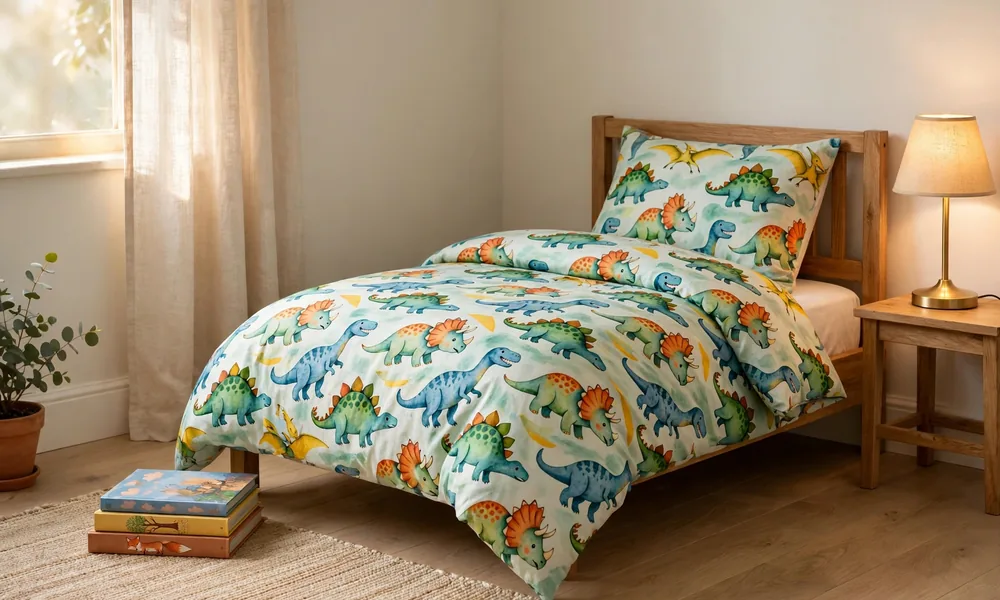
Seasonal Choices: Warm and Cold Nights
One cover rarely serves the whole year. In summer, a lightweight percale or bamboo cover with a low-tog duvet keeps a child cool, while in winter a flannel cover or a heavier duvet does the opposite job. Families in changeable climates often keep two covers in rotation, which also halves the wear on each one.
For cold snaps, layering beats buying a whole new set. A light throw folded across the foot of the bed adds warmth a child can kick off without waking, and the best throw blankets for winter make a practical companion to a year-round cotton cover. In the depths of winter, the best duvet covers for winter offer heavier fabrics for the coldest nights.
How to Keep Kids’ Duvet Covers Clean
Weekly washing is the right rhythm for most children, and more often after illness or accidents. Wash at forty degrees with a gentle detergent, and skip fabric softener: it coats the fibres and can irritate sensitive skin. A little bicarbonate of soda in the drum now and then helps keep whites bright.
Stains are inevitable, so treat them quickly. Rinse food and drink marks in cold water first, since hot water sets many stains, then wash as normal. Sunlight is a free freshener: line drying outdoors fades mild stains. Rotate at least two covers per bed, so a midnight accident is a ten-minute change, and store the spare folded inside the matching pillowcase.
Checklist: Choosing a Kids’ Duvet Cover
- Measure the duvet and buy the matching size, within a couple of centimetres.
- Pick a breathable natural fabric such as cotton or bamboo for sensitive skin.
- Check for corner ties inside the cover and a sturdy hidden zip or secure buttons.
- Choose a print your child loves from a shortlist you have already approved for quality.
- Confirm the care label allows a warm machine wash and tumble or line drying.
- Buy a second cover for the same bed so accidents never leave you short.
Frequently Asked Questions
What is the best fabric for a child’s duvet cover?
One hundred percent cotton is the best all-round fabric for most children: it breathes well, feels soft, washes easily, and suits sensitive skin. Bamboo blends are softer and cooler for hot sleepers, while brushed flannel is warmest for cold bedrooms.
How often should I wash my child’s duvet cover?
Once a week is the right routine for most children. Wash more often after illness or accidents, and always wash a new cover before its first use.
What size duvet cover do I need for a single bed?
A standard single duvet cover is usually 135 by 200 centimetres, but measure your actual duvet and match the cover to it. Too large bunches and tangles; too small strains the seams and leaves the duvet exposed.
Are microfibre duvet covers safe for kids?
Microfibre covers are generally safe and popular for their low price and bright prints. They breathe less well than cotton, so they suit cooler rooms, and children with very sensitive skin usually sleep better in cotton or bamboo.
Should the duvet cover match the rest of the bedroom?
It helps if the cover sits comfortably with the walls and curtains, but the child’s opinion matters more than perfect coordination. Reversible covers are a good compromise: a bold print on one side, a calmer pattern on the other.
How do I stop the duvet bunching up inside the cover?
Use the corner ties to anchor the duvet at all four corners, and shake the duvet out flat each morning. A cover that matches the duvet size exactly bunches far less than an oversized one.
The Bottom Line
The best duvet covers for kids in 2026 balance softness, durability, and a design your child genuinely loves. Start with breathable cotton or bamboo in the right size, insist on corner ties and a sturdy closure, and keep a spare for the midnight change. Get those basics right, and the cover quietly does its job night after night.