The best hiking boots for women in 2026 are lighter, grippier, and more comfortable than ever before. Brands now build lasts, cushioning, and ankle support around women’s feet, and the difference on a long climb is impossible to miss. A good pair should feel supportive without feeling stiff and keep water out without turning into a sauna.
Choosing the right pair matters because your boots are the one piece of gear you cannot ignore three miles from the trailhead. Blisters, sore arches, and rolled ankles usually trace back to footwear that looked fine in the shop but was never designed for the terrain. The right boots solve those problems before they start.
This guide rounds up nine standout pairs for 2026, from featherweight day-hike boots to sturdy leather options for multi-day treks. Every pick was judged on fit, comfort, traction, weather protection, durability, and value.
Key takeaways
- Women’s-specific lasts reduce blisters: narrower heels, roomier toe boxes, lower-volume fits.
- Mid-height boots offer the best balance of ankle support and freedom of movement for most hikers.
- Waterproof membranes keep feet dry in rain and stream crossings, but breathable boots are cooler in hot, dry conditions.
- Break in any new pair with short walks before a long hike, even if the boots feel comfortable on day one.
- Cushioned merino hiking socks prevent friction far better than cotton.
Why Women’s-Specific Hiking Boots Matter
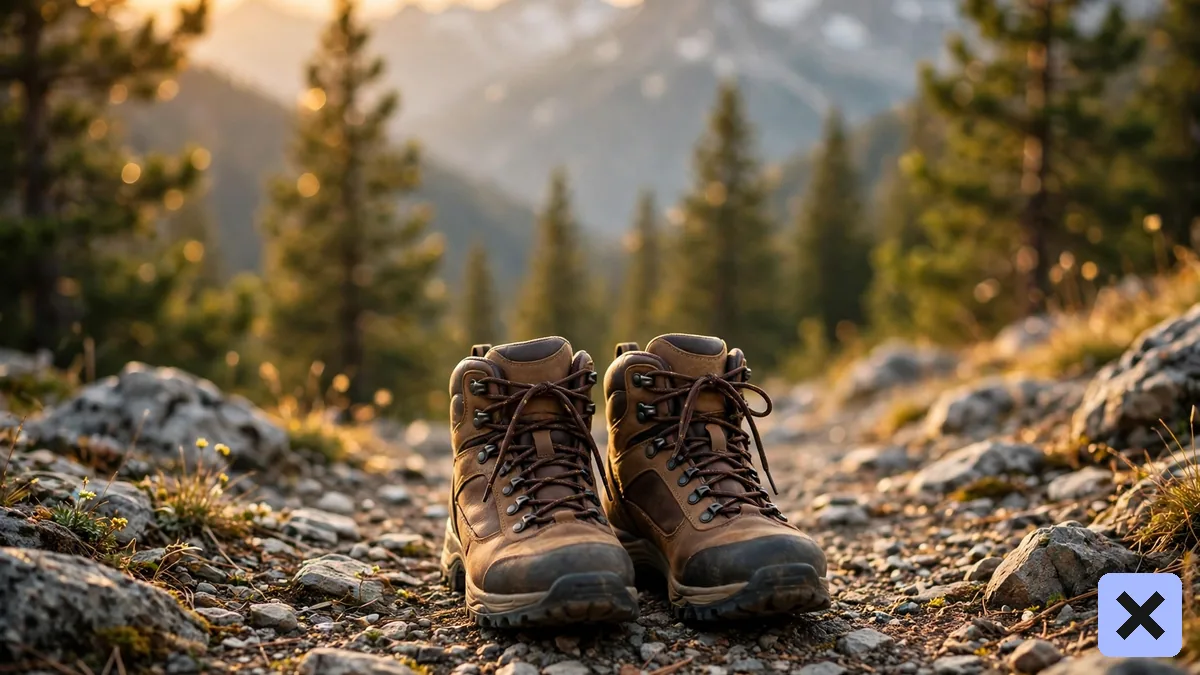
For a long time, women’s hiking boots were simply men’s boots made smaller, and that shortcut caused problems. Women’s feet tend to be narrower at the heel and wider at the forefoot relative to their length, with a lower overall volume and a different arch shape. A boot built on a men’s last often leaves the heel slipping while the toes feel squeezed, which almost guarantees blisters on a long descent.
Modern women’s-specific designs fix this by shaping the heel cup more snugly, adding room across the toes, and adjusting the instep height. Cushioning is tuned differently too, since midsoles are often slightly softer to give the same shock absorption. Try boots on with the socks you will hike in, and watch for heel lift and toe pressure rather than the size number inside.
How We Chose the Best Hiking Boots for Women in 2026
Every boot here was evaluated against the same criteria, so the rankings reflect real trail performance rather than marketing claims. Fit and comfort came first, because a boot that hurts will never be the right choice. We looked for secure heels, roomy toe boxes, and cushioning that stays supportive for hours.
Traction was judged where grip matters most: loose gravel, wet rock, muddy descents, and dusty switchbacks. Good outsoles use deep, widely spaced lugs that shed mud and bite into soft ground. Waterproofing was weighed against breathability, and durability and value rounded out the list.
The Best Hiking Boots for Women 2026 at a Glance
A quick overview of all nine picks:
| Boot | Best For | Waterproof | Weight |
|---|---|---|---|
| Salomon X Ultra 4 Mid GTX Women’s | Fast day hikes and mixed terrain | Yes | Light |
| Merrell Moab 3 Mid Waterproof Women’s | Everyday trails and great value | Yes | Light |
| La Sportiva Nucleo High II GTX Women’s | Technical and rocky routes | Yes | Medium |
| Danner Mountain 600 Women’s | Classic leather comfort | Yes | Medium |
| Oboz Bridger Mid B-Dry Women’s | Support and stability | Yes | Medium |
| Keen Targhee III Mid WP Women’s | Wide feet and all-day comfort | Yes | Medium |
| Vasque Breeze LT GTX Women’s | Lightweight backpacking | Yes | Light |
| Hoka Anacapa 2 Mid GTX Women’s | Cushioned comfort on long miles | Yes | Light |
| Columbia Newton Ridge Plus Women’s | Budget-friendly hiking | Yes | Medium |
The Best Hiking Boots for Women in 2026
Here are the nine best hiking boots for women this year. The right choice depends on where you hike and what your feet need.
Salomon X Ultra 4 Mid GTX Women’s
The Salomon X Ultra 4 Mid GTX is the closest thing to a trail running shoe with ankle support, and it is the pick for hikers who move fast and light. Grip is outstanding on every surface, from slick rock to loose scree. A waterproof membrane keeps feet dry through stream crossings and showers, while the low-cut feel keeps the boot nimble. For day hikes it is hard to beat.
Merrell Moab 3 Mid Waterproof Women’s
The Merrell Moab 3 Mid is the dependable all-rounder that has introduced countless hikers to the trails. Comfort is immediate, with soft cushioning underfoot and a roomy fit that rarely needs a break-in period. The waterproof version handles wet grass and muddy paths with ease, and the low price makes it the best value pick here. For weekend walks and the occasional mountain day, start here.
La Sportiva Nucleo High II GTX Women’s
Built for steep, rocky, and technical terrain, the La Sportiva Nucleo High II GTX is the boot to choose when the trail turns serious. The high cut wraps the ankle securely, the stiff midsole supports heavy loads, and the aggressive tread grips confidently on rock slabs and loose scree. A waterproof membrane adds protection for alpine conditions. That firmness keeps feet safe and stable on demanding routes.
Danner Mountain 600 Women’s
The Danner Mountain 600 blends classic leather-boot looks with modern trail performance, and it is the most comfortable leather option in this guide. Full-grain leather uppers age beautifully and resist abrasion, while a cushioned midsole and grippy outsole keep it capable on real trails. The fit runs true with a secure heel and a comfortable toe box, and the waterproof version handles wet conditions without complaint. It works for hiking, travel, and everyday wear.
Oboz Bridger Mid B-Dry Women’s
The Oboz Bridger Mid B-Dry is built around support, with a firm heel counter, a supportive footbed, and a stable platform that suits hikers who need extra structure underfoot. The waterproof membrane keeps rain and puddles out, and the durable outsole grips reliably on muddy and rocky trails. It is a touch heavier than the lightest boots here, but that weight buys confidence on uneven ground. Hikers with ankle trouble will appreciate the steady, planted feel.
Keen Targhee III Mid WP Women’s
The Keen Targhee III Mid WP is famous for its roomy toe box, and it remains the best choice for hikers with wider feet or toes that need space to spread. A protective rubber toe cap shields against rocks and roots, while the waterproof membrane and cushioned midsole handle wet trails and long days without fuss. The break-in period is minimal. For all-day comfort on moderate terrain, few boots are easier to live with.
How to Choose the Right Pair
Fit and Sizing
Try boots on in the afternoon and wear the socks you plan to hike in. Your toes should have room to wiggle and should never touch the front of the boot when you walk downhill, while your heel should stay firmly in place with minimal lift. Many hikers go up half a size from their everyday shoes to allow for thick socks and foot swelling. Our guide to the best hiking boots for beginners explains fit, support, and break-in in more detail.
Waterproof or Breathable
Waterproof boots with a membrane are the right call for wet climates, muddy trails, and stream crossings, since they keep water out for hours. The trade-off is reduced breathability, which can leave feet sweaty and damp on hot days. Non-waterproof boots breathe better and dry faster, making them better for dry, warm conditions. Choose waterproof for wet regions and breathable for hot, dry ones.
Ankle Support and Cut
Mid-height boots are the sweet spot for most hikers, offering meaningful ankle support without restricting movement. Low-cut shoes feel faster but leave ankles exposed, while high-cut boots add stability for heavy packs. If you have weak or previously injured ankles, the extra support of a mid or high cut is worth the slight weight penalty.
Breaking In Your New Boots
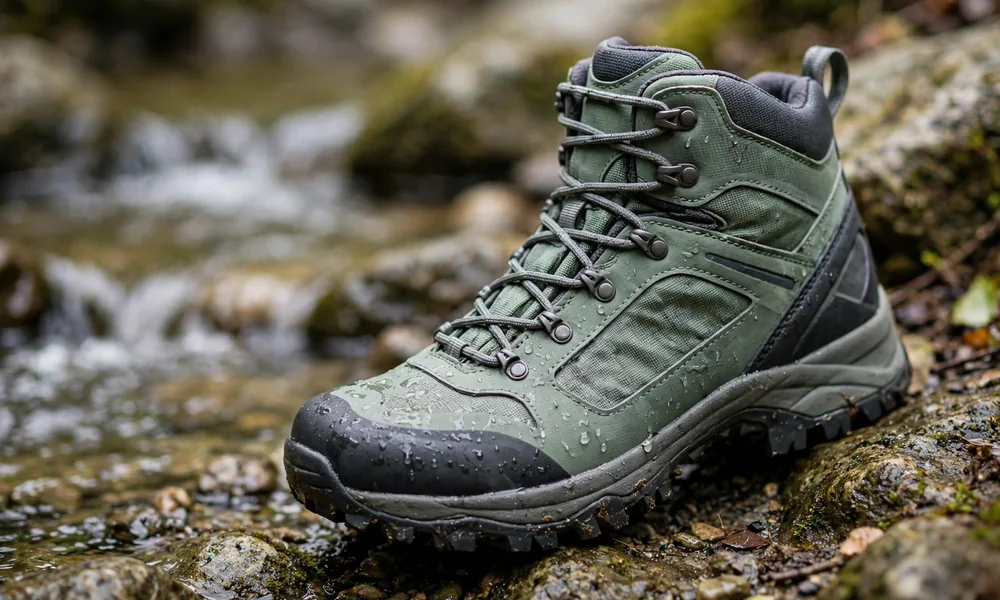
Even the most comfortable boots benefit from a short break-in period, and skipping it is one of the easiest ways to ruin a first hike. Start by wearing your new boots around the house for an hour or two, then take them on short local walks before committing to a full day on the trail. Watch for rubbing and adjust the lacing before a blister forms. A heel-lock lace can stop heel slip without tightening the whole boot.
Good socks are part of the break-in equation too. Cushioned merino wool hiking socks wick moisture, reduce friction, and keep feet warm when damp, A well-chosen pair of hiking socks can transform a boot that feels merely good into one that feels great, so treat socks as part of the footwear system.
Caring for Your Hiking Boots
A good pair of hiking boots is an investment, and a little care after each outing will add seasons to their life. Knock off dried mud with a soft brush once the boots are dry, Wash them with lukewarm water and a gentle brush or cloth, and never put them in a washing machine or tumble dryer.
Let boots dry naturally at room temperature, away from radiators and direct heat, and stuff them loosely with newspaper to absorb moisture and hold their shape. Once dry, reproof leather uppers and refresh fabric boots with a spray-on treatment. Store boots somewhere cool and dry, and retire them when the lugs go smooth.
Checklist: Before You Hit the Trail
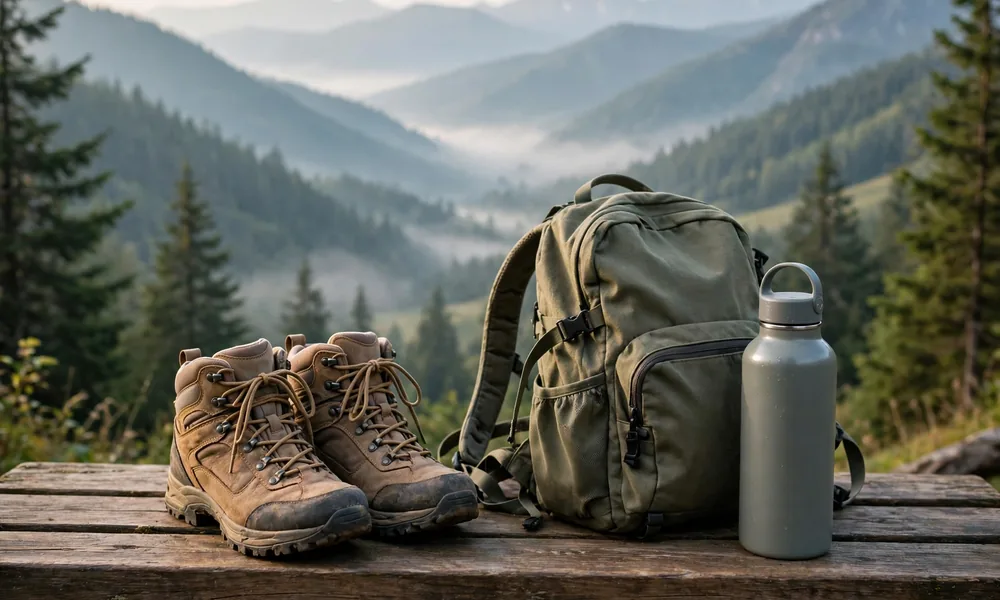
- Try boots on with hiking socks and check heel lift and toe room.
- Break new boots in with short walks before taking them on a long or steep hike.
- Pack cushioned merino socks and a spare pair for multi-day trips.
- Check the tread for wear and the laces for fraying before you leave the house.
- Carry blister plasters and a small roll of tape on your first few outings in new boots.
- Match boots to terrain: waterproof mids for wet routes, lighter boots for dry trails.
Frequently Asked Questions
How should women’s hiking boots fit?
Your heel should sit securely with minimal lift, your toes should have room to wiggle without touching the front on downhills, and there should be no pinching across the forefoot. Try boots on in the afternoon, and consider going up half a size.
Are waterproof hiking boots worth it?
Yes, if you hike in wet climates, muddy conditions, or areas with stream crossings. In hot, dry conditions, breathable non-waterproof boots are cooler and dry faster, so choose based on where you hike most.
How long do hiking boots last?
A quality pair typically lasts 500 to 1,000 miles depending on terrain, your weight, and how well you care for them.
Do I need to break in hiking boots?
Most modern boots need only a short break-in. Wear them around the house and on short walks first, and save long or steep hikes for after a few outings. Leather boots take longer to soften than synthetic ones.
What socks should I wear with hiking boots?
Cushioned merino wool hiking socks are the best choice for most hikers. They wick moisture and reduce friction. Avoid cotton, which holds sweat and causes blisters.
Can I use hiking boots for everyday walking?
Yes, many hiking boots work well for everyday wear, especially comfortable leather and cushioned models. Daily wear will use up the tread faster.
The Bottom Line
The best hiking boots for women in 2026 combine women’s-specific fit with serious trail performance, and any of the nine pairs in this guide will serve you well. For most trails, the Merrell Moab 3 Mid Waterproof offers comfort and value that is hard to argue with, while fast hikers should look at the Salomon X Ultra 4 and technical hikers at the La Sportiva Nucleo High II. Try your shortlist on with proper hiking socks and pair them with a good day pack — our picks for the best hiking backpacks for women are a natural next step. The right boots disappear on your feet, and that is exactly the point.