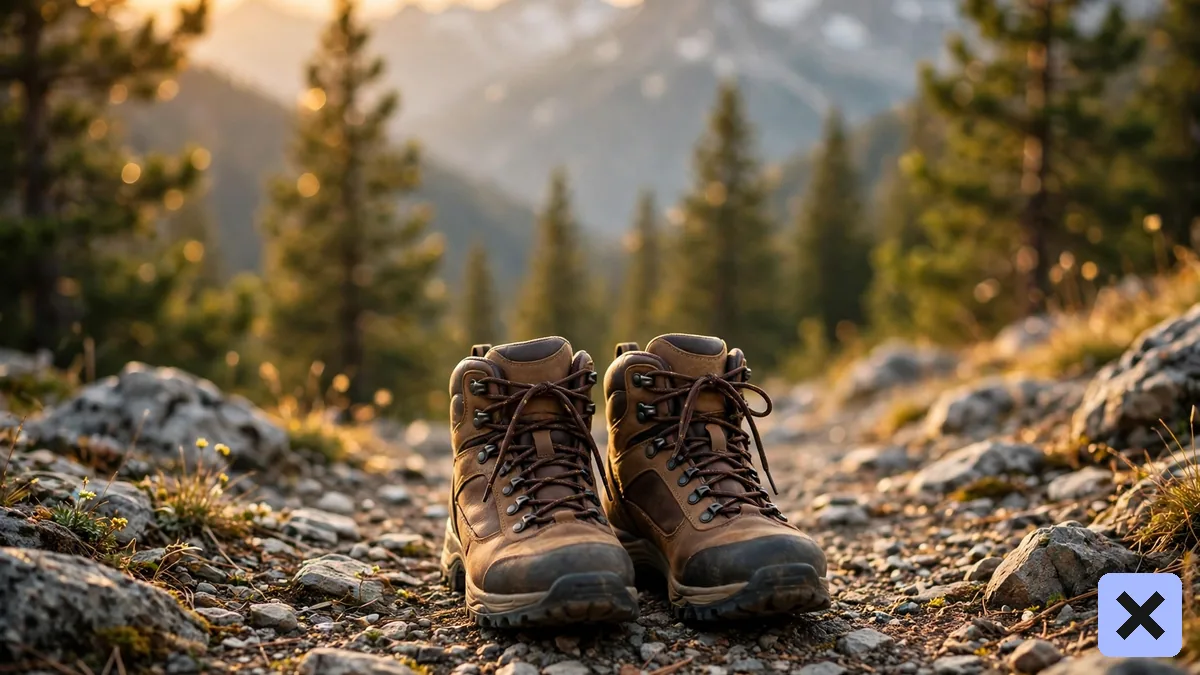
Choosing the best hiking boots for beginners is the most important gear decision you will make before your first trail. The right pair keeps your feet dry, supported, and blister-free for miles, while the wrong pair can turn a beautiful day hike into a miserable slog. With so many styles and price points on the shelves, it is easy to feel overwhelmed, but beginners do not need the most expensive boot on the market.
What you need is a comfortable, forgiving boot that fits well, grips reliably, and suits the walking you actually plan to do. Most first-time hikers stick to marked day trails and gentle hills, and a good mid-range boot handles all of that with ease.
This guide rounds up the seven best hiking boots for beginners in 2026, explains how to choose between them, and covers fitting, breaking in, and care.
Key Takeaways
- Fit matters more than brand or price: a well-fitting mid-range boot beats an expensive boot that pinches.
- Mid-cut boots offer the best balance of ankle support and freedom of movement for most beginners.
- Waterproof boots suit wet climates and stream crossings; breathable boots are cooler on dry summer trails.
- Break new boots in with short walks before your first long hike to avoid blisters.
- Expect to spend $100 to $160 for a quality beginner boot.
Why Your First Hiking Boots Matter More Than You Think
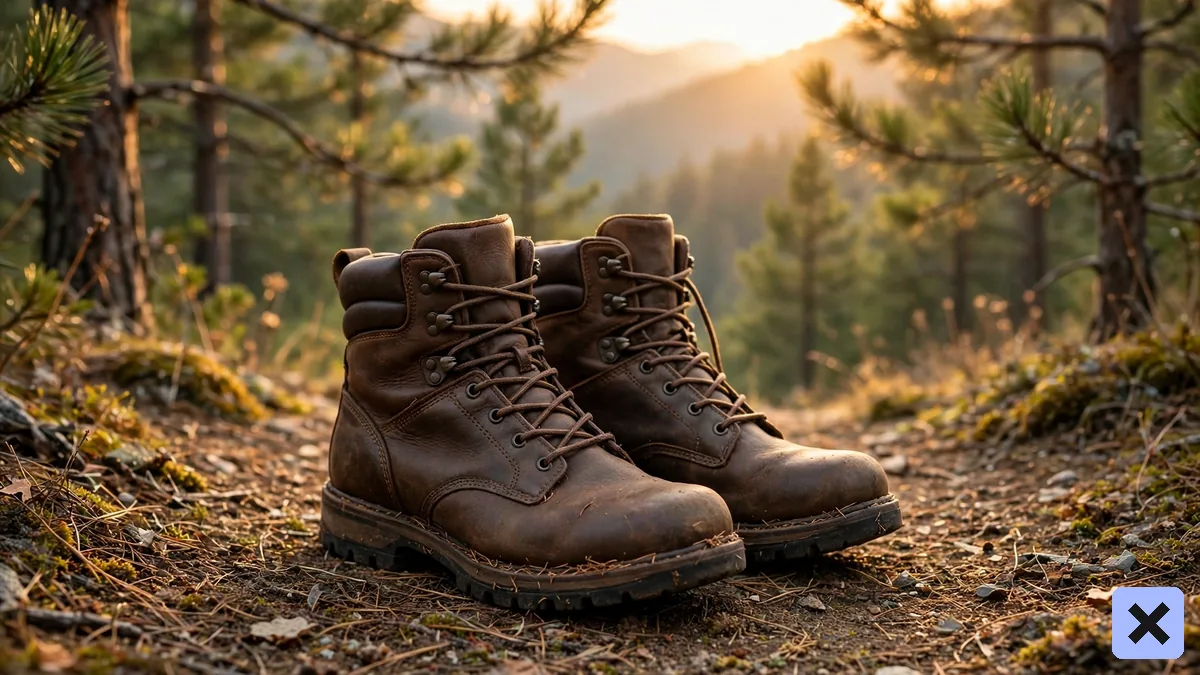
Your feet take thousands of steps on every hike, and each one lands on uneven ground. Ordinary trainers flex too much, grip too little, and offer no protection against rocks, roots, and mud. A proper hiking boot gives you a stiff, protective sole, a grippy tread, and a structured upper that holds your foot steady on slopes. That stability protects your ankles and knees, especially when you are carrying a daypack or walking downhill.
Comfort is the other half of the story. Blisters are the most common reason beginners cut a hike short, and they are almost always caused by poor fit or by boots that were never broken in. A boot that fits your foot shape, with room for your toes to spread and a heel that stays put, prevents the friction that causes hot spots. Good boots also build confidence: when you trust your footing, you enjoy the scenery.
The 7 Best Hiking Boots for Beginners in 2026
Every boot here is a proven best-seller among new hikers, judged on comfort, support, grip, waterproofing, weight, durability, and value.
| Boot | Best For | Weight (per pair) | Waterproof | Price Range |
|---|---|---|---|---|
| Merrell Moab 3 Mid | All-round comfort | 2 lb 4 oz | Yes (WP version) | $135–$150 |
| Salomon X Ultra 4 Mid GTX | Technical trails | 1 lb 15 oz | Yes | $160–$180 |
| Columbia Newton Ridge Plus II | Best value | 2 lb 2 oz | Yes | $90–$110 |
| KEEN Targhee III Mid | Wide feet | 2 lb 6 oz | Yes (WP version) | $150–$165 |
| Timberland Mt. Maddsen Mid | Easy day hikes | 2 lb 8 oz | Yes (WP version) | $100–$120 |
| Oboz Sawtooth II Mid | Support and stability | 2 lb 5 oz | Yes (B-Dry version) | $145–$160 |
| Vasque Breeze LT Mid GTX | Lightweight comfort | 2 lb 0 oz | Yes | $150–$170 |
1. Merrell Moab 3 Mid – Best All-Round Beginner Boot
The Merrell Moab 3 Mid is the default recommendation for new hikers: comfortable from the first wear, with a cushioned midsole, supportive footbed, and a mid-cut collar that steadies the ankle without feeling stiff. The Vibram outsole grips rock, mud, and gravel. If you want one pair for everything, this is the safest choice here.
2. Salomon X Ultra 4 Mid GTX – Best for Technical Trails
The Salomon X Ultra 4 Mid GTX feels more like a trail shoe than a traditional boot, which suits hikers who dislike heavy footwear. It is light, agile, and precise on rocky ground, and the Gore-Tex lining keeps water out on stream crossings and rainy days. It runs slightly narrow, so try it on first if you have wide feet. For steeper terrain, it is the most capable boot here.
3. Columbia Newton Ridge Plus II – Best Value Beginner Boot
The Columbia Newton Ridge Plus II proves a good first hiking boot does not have to cost a fortune. This classic leather-and-mesh mid-cut boot offers solid waterproofing, dependable grip, and a comfortable, roomy fit. It is slightly heavier than premium options, but that hardly matters on gentle trails. Buy it if you are not yet sure hiking will become a regular hobby.
4. KEEN Targhee III Mid – Best for Wide Feet
KEEN is famous for its roomy toe box, and the Targhee III Mid is the best option here for wide feet. The spacious forefoot reduces the pinching that causes blisters, while the mid-cut design and sturdy heel counter keep the foot stable on uneven ground. If other boots have felt cramped across the toes, start here.
5. Timberland Mt. Maddsen Mid – Best for Easy Day Hikes
The Timberland Mt. Maddsen Mid is a straightforward, no-fuss boot for gentle trails and casual walkers. It is comfortable, well-made, and easy to wear all day, with a classic leather look. The waterproof version adds protection for damp mornings. For flat terrain and first hikes under five miles, it is more than enough.
6. Oboz Sawtooth II Mid – Best for Support and Stability
The Oboz Sawtooth II Mid is built around support. Its sculpted insole and firm midsole cradle the arch and hold the foot in place, making it a strong choice for flat feet, weak ankles, or heavier packs. The B-Dry waterproof version keeps feet dry in wet conditions. It feels firmer at first, but that structure reduces fatigue on long days and downhills.
7. Vasque Breeze LT Mid GTX – Best Lightweight Beginner Boot
The Vasque Breeze LT Mid GTX combines the lightness of a trail shoe with the support of a mid-cut boot, plus a Gore-Tex waterproof lining. At around two pounds per pair, it is one of the lightest waterproof boots here. The Vibram outsole grips confidently on wet rock.
How to Choose Hiking Boots as a Beginner
Here is how to narrow it down to the pair that fits your feet and your plans.
Get the Fit Right
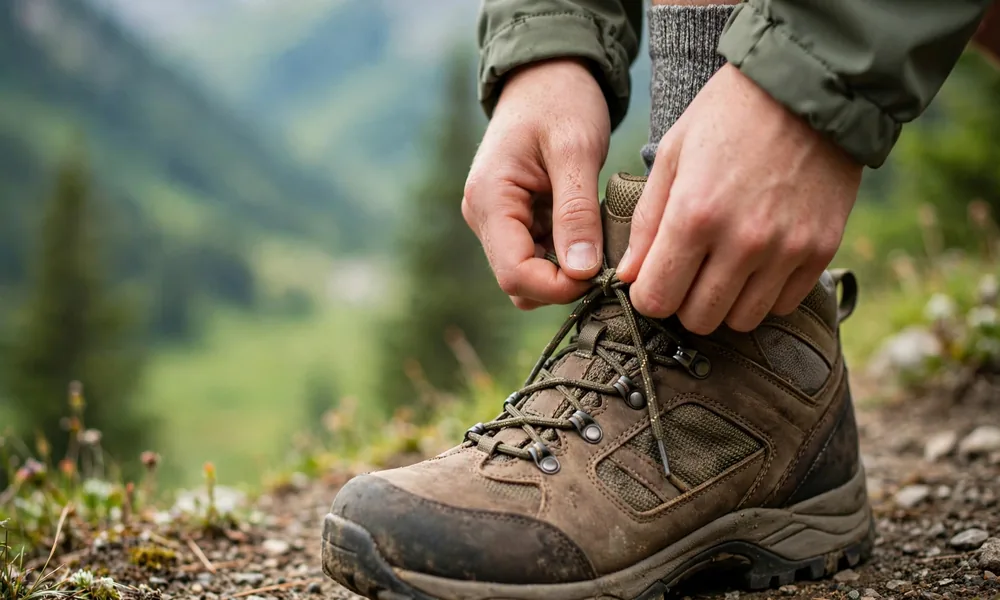
Fit is the single most important factor in choosing hiking boots. Try boots on in the afternoon, when your feet are slightly swollen, and wear the hiking socks you plan to use on the trail. Leave about a thumb’s width of space at the front, keep your heel from lifting on uphill steps, and make sure nothing pinches across the widest part of your foot. Walk around the shop for ten minutes: a boot that feels snug there will feel tighter on the trail. If you are building out the rest of your kit, a good pair of hiking backpacks for beginners will help you carry water, snacks, and layers comfortably.
Pick the Right Height
Hiking boots come in low, mid, and high cuts. Low-cut boots are light and flexible but offer no ankle support. High-cut boots give maximum support but feel stiff and heavy. For most beginners, mid-cut boots hit the sweet spot: enough collar height to steady the ankle on uneven ground, but flexible enough to walk naturally. If you have a history of ankle sprains or carry a heavy pack, a mid or high cut is worth the extra weight.
Waterproof or Breathable?
Waterproof boots use a membrane lining to keep rain and puddles out, which is a blessing in wet climates and on muddy trails. The trade-off is warmth: waterproof boots breathe less, so feet can get hot and sweaty in summer. If you hike mainly in dry, warm weather, a non-waterproof boot may be more comfortable; if you hike year-round or in rain, waterproofing is worth having.
Weight Matters More Than You Think
A pound on your feet feels like several pounds on your back, because your legs lift your footwear with every step. Light boots reduce fatigue on long hikes and make the whole day feel easier. That said, very light boots often have thinner soles and less protection. For a first boot, aim for the middle ground — roughly two pounds per pair — and prioritize fit and grip.
Traction and Soles
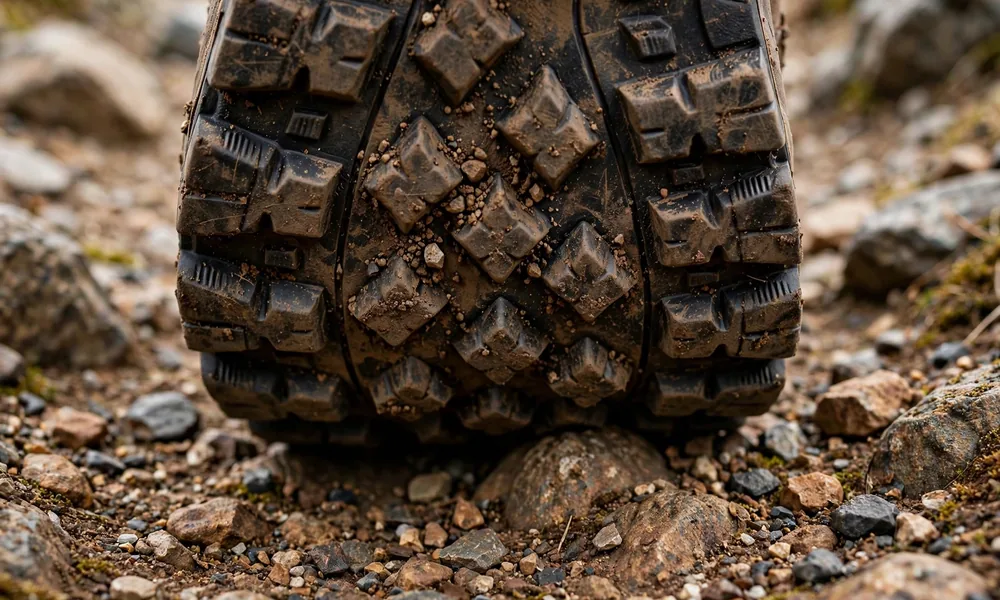
Look for deep, widely spaced lugs on the outsole. Deep lugs bite into mud and loose gravel, while the spacing stops mud from clogging the tread. Softer rubber grips wet rock better; harder rubber lasts longer on dry trails. Vibram is the best-known outsole brand and appears on several boots here. The same attention to grip applies to the rest of your kit, and if you run too, our guide to the best trail running shoes covers lightweight options for faster, flatter routes.
How to Break In New Hiking Boots
Even the most comfortable boots need a short break-in period. Wear them around the house for a few hours, then take them on short local walks before your first real hike. Start with flat routes of one to two miles, then build up distance over a week or two. Wear your hiking socks during break-in, and watch for hot spots: moleskin or athletic tape on a tender area stops a small rub becoming a blister. Never take brand-new boots on a long or remote hike.
Once broken in, care for your boots and they will last for years. Brush off mud after each hike, air-dry them away from direct heat, and re-waterproof when water stops beading. Once your footwear is sorted, a reliable stove makes trail meals simple, so see our roundup of the best camping stoves before your first overnight trip.
Beginner Hiking Boot Checklist
- Try boots on in the afternoon with your hiking socks, and walk in them for at least ten minutes.
- Choose mid-cut boots for the best balance of ankle support and comfort.
- Pick waterproofing based on your climate: waterproof for wet regions, breathable for dry summers.
- Break boots in with short walks before your first long hike.
- Carry blister plasters and moleskin in your pack, just in case.
- Re-waterproof and clean your boots regularly to extend their life.
Frequently Asked Questions
How much should a beginner spend on hiking boots?
Most beginners should expect to spend between $100 and $160. Boots in this range offer proper support, durable waterproofing, and reliable grip. Cheaper boots can work for occasional gentle walks, but they wear out faster.
Do I really need hiking boots, or will trainers work?
Trainers work for flat, dry, well-maintained paths, but they lack the ankle support, protective soles, and grip of hiking boots. Once trails get rocky, muddy, or steep, boots are noticeably safer.
Should hiking boots feel tight or loose?
Neither. They should feel snug around the heel and midfoot, with room in the toe box for your toes to wiggle. Your toes should not touch the front when you walk downhill. If a boot pinches in the shop, it will hurt more on the trail.
How long do hiking boots last?
A quality pair lasts 500 to 1,000 miles, or three to five years of weekend hiking. Replace them when grip fades or your feet ache on familiar routes.
Can I wear hiking boots in summer?
Yes, but choose a breathable, non-waterproof version or a lightweight waterproof boot with good ventilation. Wear moisture-wicking socks, and consider a lighter boot like the Vasque Breeze LT.
What socks should I wear with hiking boots?
Wear moisture-wicking hiking socks made from merino wool or synthetic blends, never cotton. Cotton holds sweat and causes blisters. A cushioned crew-length sock protects your ankles and keeps feet dry.
The Bottom Line
The best hiking boots for beginners in 2026 are the ones that fit your feet and suit your trails. For most new hikers, the Merrell Moab 3 Mid is the safest choice, the Columbia Newton Ridge Plus II is the best value, and the KEEN Targhee III Mid is the pick for wide feet. Try your pair on properly, break it in gently, and look after it.