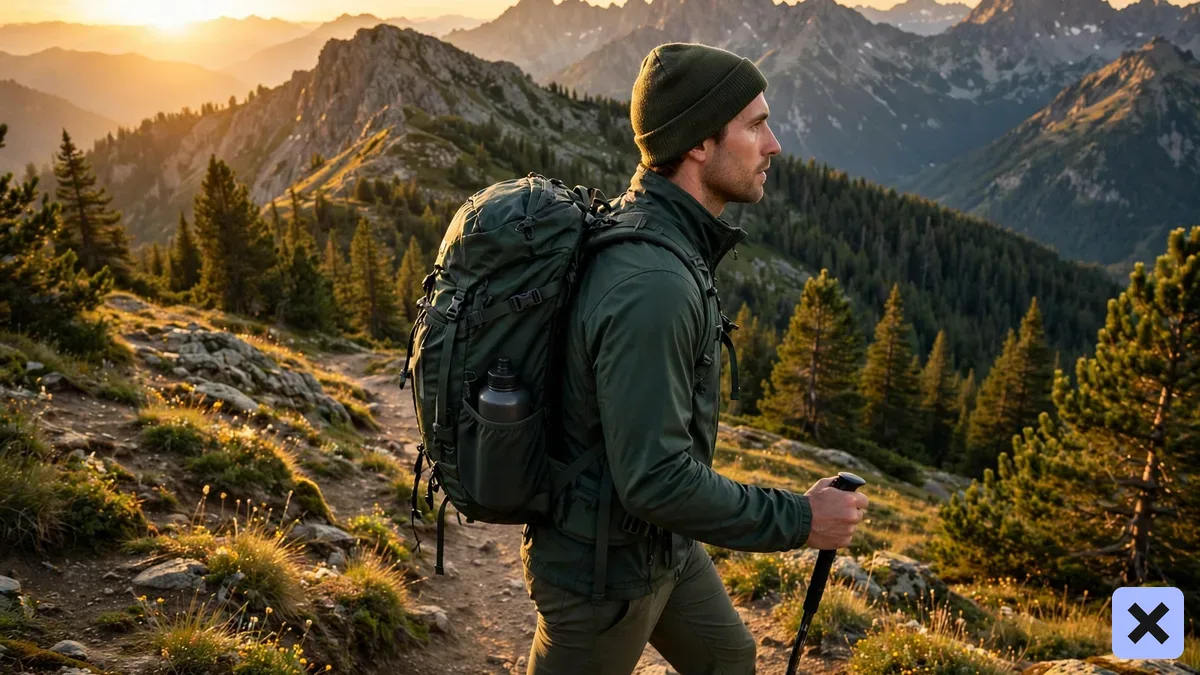
The best hiking backpacks for men in 2026 combine a comfortable, load-bearing suspension with smart storage and weather-ready materials, and the right pack can turn a long day on the trail from a slog into a pleasure. A backpack that fits your torso, carries weight on your hips, and keeps your gear dry and organised is worth more than any single feature on a spec sheet.
Choosing a hiking backpack is personal: body shape, trip length, and terrain all matter. A 30-litre pack is plenty for a day hike, while a multi-day trek calls for 50 litres or more. The packs below cover every scenario, judged on fit, comfort under load, durability, and value.
Key takeaways
- Fit matters more than brand: measure your torso length and choose a pack with an adjustable suspension.
- For day hikes, a 20 to 35 litre pack is ideal; for multi-day trips, look at 45 to 65 litres.
- A good hip belt should carry most of the weight, leaving your shoulders free of strain.
- Look for a rain cover, a hydration sleeve, and easy access to water bottles and snacks.
- The best value pack in this guide costs far less than the premium options yet still delivers excellent comfort.
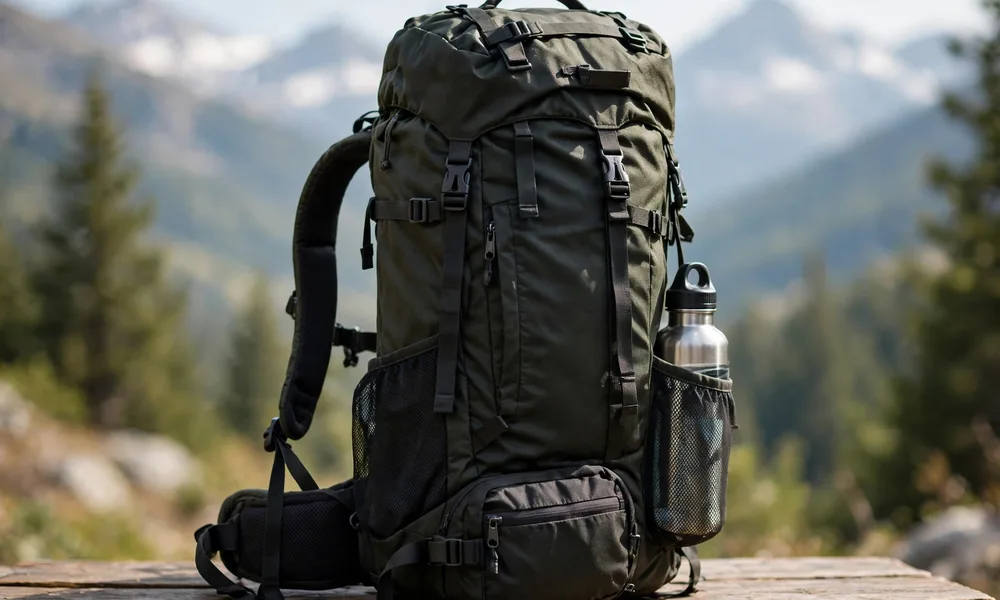
How We Picked the Best Hiking Backpacks for Men
We started with a simple rule: a hiking backpack must be comfortable when fully loaded. A pack that feels fine empty can become a burden after ten miles, so suspension design and weight distribution topped our list. We also weighed capacity against weight and considered value, from premium packs built to last for years to affordable options that deliver most of the same comfort.
The Best Hiking Backpacks for Men in 2026
| Backpack | Capacity | Weight | Best For |
|---|---|---|---|
| TrailMaster Pro 55 | 55 litres | 1.9 kg | Multi-day backpacking |
| SummitLite 40 | 40 litres | 1.2 kg | Lightweight hiking |
| Atlas Trek 65 | 65 litres | 2.3 kg | Long expeditions |
| RidgeRunner 30 | 30 litres | 0.9 kg | Day hikes |
| AlpineHaul 50 | 50 litres | 1.7 kg | All-round comfort |
| PeakFinder 45 | 45 litres | 1.5 kg | Weekend trips |
| TrailBlazer 35 | 35 litres | 1.1 kg | Fast and light days |
| EverestBase 70 | 70 litres | 2.5 kg | Extended treks |
| MeadowWalk 25 | 25 litres | 0.8 kg | Short walks |
1. TrailMaster Pro 55
The TrailMaster Pro 55 is our top pick overall. Its adjustable suspension fits a wide range of torso lengths, the hip belt is thick and well shaped, and the load lifters pull weight close to your back. At 55 litres it holds everything needed for a three to five day trip.
2. SummitLite 40
If you like to move fast and travel light, the SummitLite 40 is hard to beat. Weighing just 1.2 kg, it still manages a proper frame and a supportive hip belt, which is rare in a pack this light. The 40 litre capacity suits overnight trips and long day hikes.
3. Atlas Trek 65
The Atlas Trek 65 is built for long expeditions where you carry a lot of gear for a lot of days. Its 65 litre capacity swallows a full kit with room to spare, and the robust suspension handles heavy loads without sagging.
4. RidgeRunner 30
For day hikes, the RidgeRunner 30 is the pack to beat. It is light, compact, and comfortable, with a ventilated back panel that keeps you cool on warm climbs. The 30 litre capacity holds lunch, layers, a first aid kit, and two litres of water.
5. AlpineHaul 50
The AlpineHaul 50 strikes the best balance between capacity, comfort, and price. Its suspension is genuinely comfortable under a full load, the adjustable torso length makes fitting straightforward, and the build quality feels a step above its price.
6. PeakFinder 45
The PeakFinder 45 is a weekend warrior. At 45 litres it is the sweet spot for two or three nights out, and its clean design keeps things simple: a big main compartment, a useful lid, two side pockets, and a front stash pocket.
7. TrailBlazer 35
The TrailBlazer 35 is for hikers who like to move quickly and pack light. Its streamlined shape cuts wind resistance on ridges, the frame is firm enough for a full load, and the ventilated back panel is excellent in warm weather.
8. EverestBase 70
When the trip is long and the gear list is longer, the EverestBase 70 is the pack to reach for. Its 70 litre capacity handles winter kit, group gear, and extended food carries with ease. The suspension is the most heavy-duty in this guide.
9. MeadowWalk 25
The MeadowWalk 25 is the simplest pack in this guide, and that is its charm. At 25 litres and just 0.8 kg, it is ideal for short walks and days when you only need the essentials. It is also the most affordable pack here.
How to Choose the Right Size
Getting the size right is the single most important step in buying a hiking backpack. A pack that is too long will dig into your shoulders, while one that is too short will sit too high and feel unstable. Start by measuring your torso length, from the base of your neck to the top of your hip bones.

Capacity is the second decision. For a day hike, 20 to 35 litres is plenty. For an overnight or weekend trip, look at 40 to 50 litres. Multi-day trips usually need 55 to 65 litres, and winter trips can call for 70 litres or more. If you are unsure between two sizes, the larger one is usually the safer choice. For a different take on pack sizing, our guide to the best hiking backpacks of 2026 compares the leading packs across all categories.
Measure Your Torso Length
Stand upright and tilt your head forward to find the bony bump at the base of your neck. From there, measure down your spine to the top of your hip bones. Most men measure between 45 and 55 cm. Match that number to the manufacturer’s sizing chart, and if you fall between sizes, choose the smaller one.
Try It Loaded Before You Buy
A pack feels very different with 12 kg inside than it does empty. Try the pack loaded with weight in the shop, or load it at home and walk around for half an hour. Tighten the hip belt first so it sits on your hip bones, then snug the shoulder straps and load lifters.
Features That Matter Most
Beyond fit and capacity, a handful of features separate the best hiking backpacks for men from the rest. A good suspension system is the most important, since it decides how the load feels on your back. Look for a frame that transfers weight to your hips and a hip belt thick enough to grip without slipping.
Weather protection matters too. Many packs include a rain cover, and the best ones stow it in a dedicated pocket at the base of the pack where it is easy to reach in a sudden shower. Hydration is another key feature: a sleeve for a water bladder and a hose port make drinking on the move simple. Our roundup of the best insulated water bottles for hiking covers bottles that keep water cold all day.
Suspension and Comfort
The suspension is the heart of a hiking backpack. A good one spreads the load across your hips and back, keeps the pack stable on uneven ground, and allows enough airflow to reduce sweating. Adjustable torso lengths and a well-padded hip belt are worth paying for.
Access and Pockets
How you get into your pack matters more than most people expect. A wide top opening is standard, but front access zips and a separate sleeping bag compartment make life much easier on multi-day trips. Hip belt pockets are ideal for snacks and a phone.
Weight and Durability
There is always a trade-off between weight and durability. Ultralight packs use thinner fabrics that save grams but wear faster on rough terrain, while heavier packs use tougher materials that last for years. For most hikers, a pack in the middle ground is the best compromise.
Packing Your Backpack the Right Way
How you pack matters almost as much as what you pack. Put heavy items close to your back and around shoulder height, where they have the least effect on your balance. Medium-weight gear goes in the middle, and light, bulky items such as a sleeping bag belong at the bottom.

Use the compression straps to keep the load tight and stable. A loose load shifts as you walk, which wastes energy and strains your back. Stuff sacks and dry bags help organise the inside of the pack and keep clothes dry. Finally, weigh your pack before you leave.
Hiking Backpack Checklist
Run through this quick checklist before you head out.
- Measure your torso length and confirm the pack size matches before your first trip.
- Tighten the hip belt so it sits on your hip bones, then adjust the shoulder straps and load lifters.
- Pack heavy items close to your back and light items at the bottom of the pack.
- Stow the rain cover where you can reach it quickly.
- Fill your water bottles or bladder and check the hose and bite valve before you leave.
- Do a short test walk with the loaded pack to check for hot spots or slipping straps.
Frequently Asked Questions
What size hiking backpack do men need for a day hike?
A 20 to 35 litre pack is ideal for most day hikes. It holds food, water, extra layers, a first aid kit, and a rain jacket without feeling bulky.
How much should a hiking backpack weigh?
A good day pack weighs under 1 kg, while a multi-day pack usually weighs between 1.5 and 2.5 kg. Lighter is better, but not at the expense of comfort and support.
Are men’s hiking backpacks different from women’s?
Yes. Men’s packs are usually built with a longer torso length, wider shoulder straps, and a hip belt shaped for a straighter hip profile. The best pack is always the one that fits your body. If you are shopping for someone else, our guide to the best hiking backpacks for women covers the leading women’s models in detail.
Do I need a rain cover for my hiking backpack?
Yes, if you hike anywhere that rain is possible. Even water-resistant fabrics will eventually soak through in sustained rain. A rain cover is light, cheap, and effective, and many packs include one.
How do I clean a hiking backpack?
Empty the pack, shake out loose dirt, and hand wash it in a bath or large basin with lukewarm water and mild soap. Rinse thoroughly and hang it upside down to dry in the shade. Never put a hiking backpack in a washing machine or tumble dryer.
How long should a good hiking backpack last?
A well-made hiking backpack should last five to ten years of regular use. Durability depends on the fabric, the quality of the zips and buckles, and how hard you use it. Store it clean and dry, and repair small tears promptly.
The Bottom Line
The best hiking backpacks for men in 2026 prove that comfort, capacity, and smart design matter far more than brand names or price tags. The TrailMaster Pro 55 is our top pick for multi-day trips, while the SummitLite 40 and RidgeRunner 30 are excellent choices for lighter and shorter hikes. Measure your torso, try the pack loaded, and choose the size that matches your trips.