The best insulated water bottles for hiking 2026 do one job better than any other piece of trail gear: they keep your water cold from the trailhead to the summit, no matter how hot the sun gets. A warm, plasticky sip halfway up a steep ridge is the moment many hikers realise their bottle was the wrong choice.
Insulated bottles have changed a lot in recent years. The best hiking models are now lighter, narrower and tougher than the bulky flasks of a few seasons ago, with caps designed to open with one hand and finishes that stay grippy with sweaty hands.
This guide compares the strongest insulated bottles for hiking in 2026, explains what actually matters on the trail, and helps you pick the right size and style for the way you hike.
Key takeaways
- Double-wall vacuum insulation keeps water cold for 24 hours or more, even in direct summer sun on exposed trails.
- A 24 to 32 ounce bottle suits most day hikes, while longer or hotter routes call for 40 ounces or a second bottle.
- Wide-mouth bottles are easier to fill and clean, while narrow bottles fit pack pockets and cup holders better.
- Stainless steel bottles are the toughest option for rocky trails, and they never hold flavours from previous drinks.
- A bottle you can open with one hand is worth more on a steep climb than a few extra hours of cold retention.
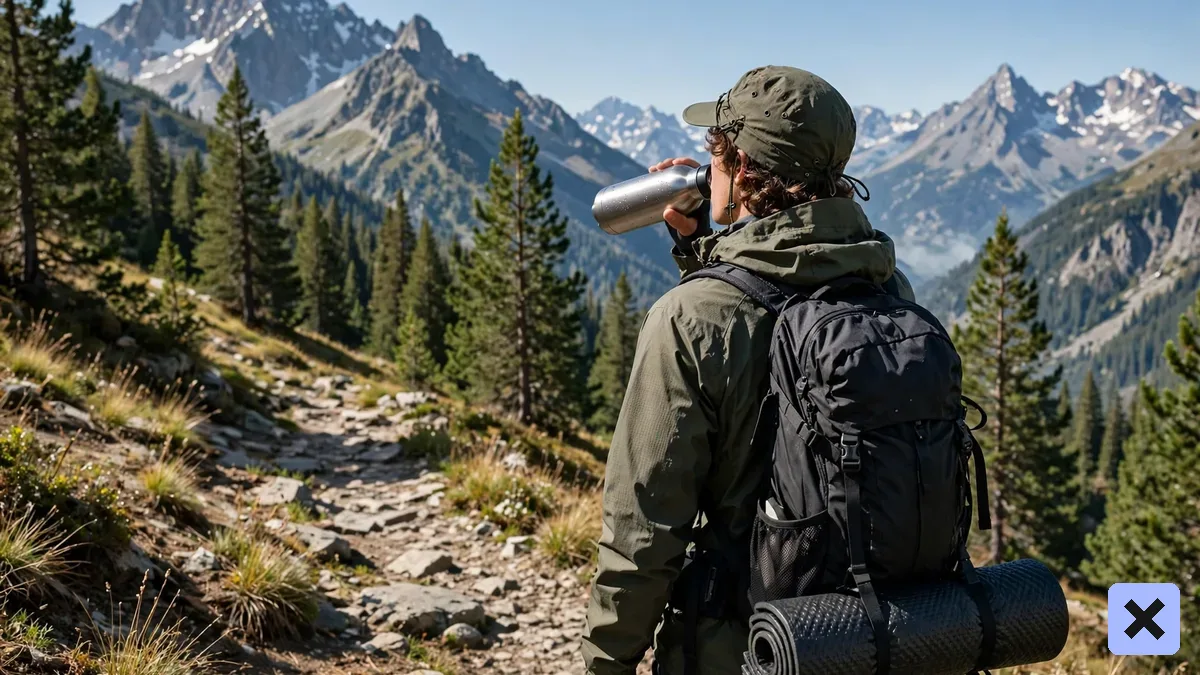
What Makes a Great Hiking Water Bottle
A good hiking bottle balances four things: insulation, weight, durability and drinkability. Get it right and you barely notice the bottle all day.
Cold Retention That Lasts the Whole Hike
Vacuum insulation removes the air between two steel walls, which stops heat moving through the bottle. On a typical summer hike, a well-made vacuum-insulated bottle keeps ice water cold for 24 hours. That matters most on exposed ridges, where a bottle in a black pack pocket can sit in direct sun for hours.
Weight and Packability
Every gram counts when the trail climbs. A 32 ounce stainless steel insulated bottle usually weighs between 15 and 20 ounces empty. Narrower bottles slide easily into pack side pockets and stay put on uneven ground, while wide bottles often need a carabiner to stay secure.
Durability on Rocky Trails
Hiking bottles get dropped, knocked against rocks and tossed into car boots. Stainless steel handles that punishment far better than glass or thin plastic, and a powder-coat finish adds grip while hiding scratches. Look for a sturdy cap that will not crack if it hits a rock. Dents are cosmetic on most steel bottles, but a dented vacuum seal is a real problem.
Easy Drinking on the Move
The best hiking bottle is the one you actually drink from. A cap that opens with one hand, a spout that delivers a good flow, and a mouth wide enough to add ice cubes all make a real difference over a long day. Straw lids suit steady sipping on flat trails, while simple screw caps are more reliable and easier to clean. Test any bottle with gloves on: if you cannot open it with cold hands, it will frustrate you exactly when you need water most.
The Best Insulated Water Bottles for Hiking 2026
The bottles below are the strongest all-round choices for hiking this year. They cover different sizes, budgets and drinking styles, but they all share the same essentials: genuine vacuum insulation, tough steel construction, and a design that works on real trails. For a broader look beyond hiking, see our roundup of the best insulated water bottles for everyday use.
Hydro Flask Trail Series 32 oz
The Hydro Flask Trail Series is the lightest full-size insulated bottle in this guide, and that alone makes it a favourite with hikers who count grams. At 32 ounces it carries enough water for most day hikes, the narrow profile fits any pack side pocket, and the powder-coat finish stays grippy when wet.
YETI Rambler 26 oz
The YETI Rambler 26 oz is built like a piece of outdoor equipment rather than a drinks accessory. Its thick steel walls and heavy-duty MagCap survive drops that would dent lighter bottles, and ice is still present after a full day in summer heat.
Stanley Classic Legendary Bottle 1.1 QT
The Stanley Classic Legendary Bottle is the old-school workhorse of this list. Its 1.1 quart capacity carries more water than most rivals, the insulated cap doubles as a cup, and the steel construction has been proven on trails for decades. It is heavier than modern bottles, but it is the pick for long, hot days.
Thermos Stainless King 24 oz
The Thermos Stainless King 24 oz is the best value pick for hikers who want reliable insulation without a premium price. It keeps drinks cold for 24 hours, the twist-and-pour stopper lets you drink without removing the whole cap, and the compact size slips into any pack pocket.
Takeya Originals 24 oz
The Takeya Originals 24 oz combines a slim, pocket-friendly shape with a spout lid that makes drinking on the move easy. The spout cap opens with a simple twist, the wide mouth makes it easy to add ice or clean the inside, and cold retention is strong for its size.
Klean Kanteen Classic Insulated 20 oz
The Klean Kanteen Classic Insulated 20 oz suits short hikes, trail runs and anyone who travels light. It weighs less than most rivals, the loop cap clips neatly to a pack, and the steel interior never holds flavours. Twenty ounces will not carry a full day of water on a hot hike, so think of it as a second bottle or a short-route choice.
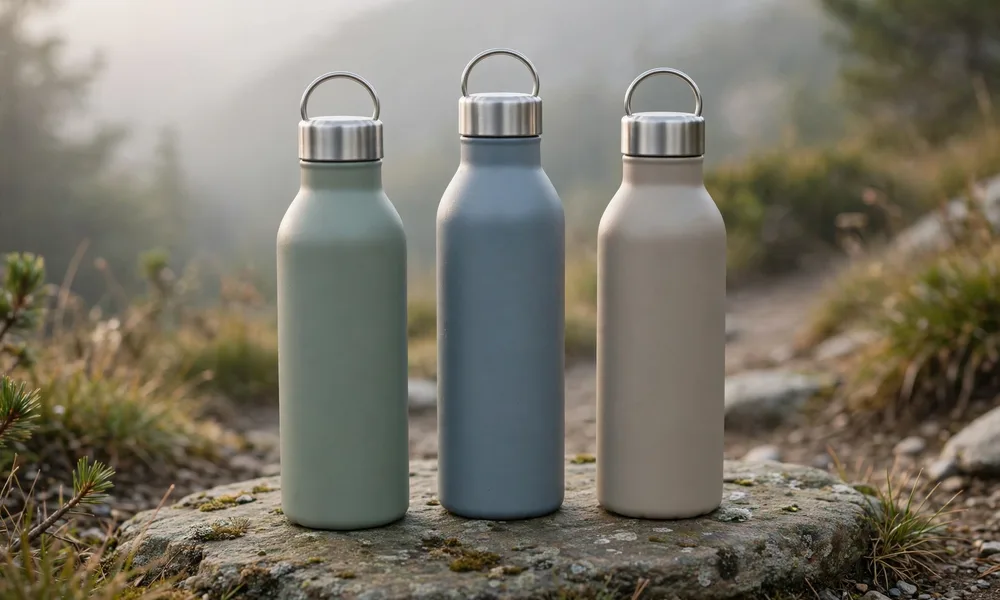
Insulated Hiking Bottles Compared
The table below puts the six best bottles side by side. Cold retention figures are the makers’ claims for iced water in normal conditions.
| Bottle | Capacity | Cold retention | Weight | Best for |
|---|---|---|---|---|
| Hydro Flask Trail Series | 32 oz | 24 hours | 15.5 oz | Lightweight day hikes |
| YETI Rambler | 26 oz | 24 hours | 18.2 oz | Tough, rugged trails |
| Stanley Classic Legendary | 1.1 qt | 24 hours | 22.0 oz | Long, hot hikes |
| Thermos Stainless King | 24 oz | 24 hours | 16.4 oz | Best value |
| Takeya Originals | 24 oz | 24 hours | 15.9 oz | Easy sipping on the move |
| Klean Kanteen Classic | 20 oz | 20 hours | 12.4 oz | Short hikes and light packs |
How to Choose the Right Size and Weight
Size is the decision most hikers get wrong. The right bottle is the smallest one that still carries enough water for your longest stretch between refills. Carry too little and you ration water on the final miles, which is when you need it most. Carry too much and you haul dead weight up every climb.
For a half-day hike in mild weather, 20 to 24 ounces is usually enough. For a full day hike, 32 ounces is the sweet spot for most people. On hot days, high-altitude routes or trails with no water sources, step up to 40 ounces or carry a second bottle. Plan for roughly half a litre per hour of moderate hiking, then add a margin for heat and elevation. Check how the bottle sits in your pack first. The best hiking backpacks all have different pocket depths, and a bottle that fits one pack perfectly can wobble loose in another.
Weight matters more than most people expect. A full 32 ounce bottle weighs over two pounds once you add the water, so the bottle itself should be as light as possible.
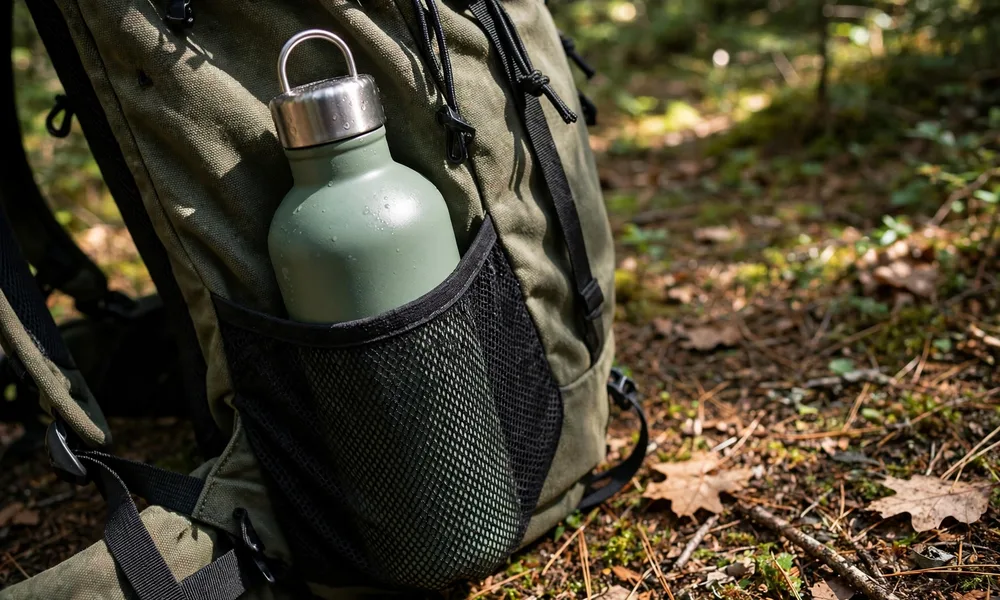
Keeping Water Cold on Long Hikes
Even the best insulated bottle performs better with a little help. Start with cold water and add ice cubes the night before a hike, filling the bottle about three-quarters full. Keep the bottle out of direct sun by storing it inside your pack, and avoid opening it more often than you need to.
On multi-day hikes, freeze a bottle half full overnight and top it up in the morning. The ice block melts slowly and keeps the water cold for hours longer than cubes alone. In winter, the same insulation works in reverse and keeps water from freezing. Just remember to keep the cap threads dry in freezing conditions so the lid does not stick.
Cleaning matters too. Rinse your bottle after every hike and wash it properly at least once a week. A bottle brush and warm soapy water reach every corner, and a wide mouth makes the job far easier.

Hiking Hydration Checklist
Use this checklist before every hike to make sure your water setup is ready for the trail ahead.
- Fill your bottle with cold water and ice the night before, and check the cap seal for leaks before you leave.
- Carry enough water for the longest stretch between refills, plus a margin for heat, altitude and delays.
- Test that your bottle fits securely in your pack side pocket and will not slip out on steep ground.
- Pack a backup plan for long routes, such as a second bottle, a collapsible flask or a water filter.
- Drink little and often rather than waiting until you feel thirsty, and eat salty snacks to replace what you sweat out.
- Check your whole kit the night before, from the best hiking socks to your sun protection, so nothing slows you down on the trail.
Frequently Asked Questions
How long do insulated water bottles keep water cold while hiking?
Most quality vacuum-insulated bottles keep water cold for 24 hours, and many keep ice intact for longer. On a hot hike, expect the best performance when the bottle starts full of ice water and stays out of direct sun.
What size insulated bottle is best for hiking?
For most day hikes, a 24 to 32 ounce bottle is the best choice. Shorter hikes in cool weather suit a 20 ounce bottle, while hot days and long routes call for 32 to 40 ounces or a second bottle. The right size depends on the distance between water sources and how much you drink per hour.
Are insulated bottles too heavy for hiking?
Insulated steel bottles are heavier than plastic bottles, but the extra weight is modest. A 32 ounce insulated bottle weighs around 15 to 20 ounces empty, which most hikers find acceptable for the cold water it delivers. Lightweight models like the Hydro Flask Trail Series close the gap further.
Can insulated bottles keep water from freezing in winter?
Yes, vacuum insulation works in both directions. A good insulated bottle slows freezing considerably on winter hikes. Fill it with warm water at the start of a cold hike and store it inside your pack for the best results.
Do insulated water bottles fit in backpack side pockets?
Most do, but it depends on the bottle diameter and your pack. Narrow bottles around 2.8 inches wide fit almost any side pocket, while wider bottles can be a tight squeeze. Measure your pack pockets before you buy, and look for a bottle with a loop cap you can clip to your pack as a backup.
How do I clean an insulated water bottle after hiking?
Rinse the bottle with warm water after every hike, and wash it with warm soapy water and a bottle brush at least once a week. Wide-mouth bottles are easiest to clean. Remove the cap seal occasionally and wash it separately, and let the bottle dry fully with the cap off before storing it.
The Bottom Line
The best insulated water bottles for hiking 2026 combine serious cold retention with a weight and shape that work on real trails. For most hikers, the Hydro Flask Trail Series 32 oz is the best all-round pick thanks to its light weight and easy fit, while the YETI Rambler 26 oz suits rough terrain and the Stanley Classic Legendary 1.1 QT is the choice for long, hot days. Pick the size that matches your longest stretch between water sources, make sure it fits your pack, and you will have cold water waiting at every rest stop.