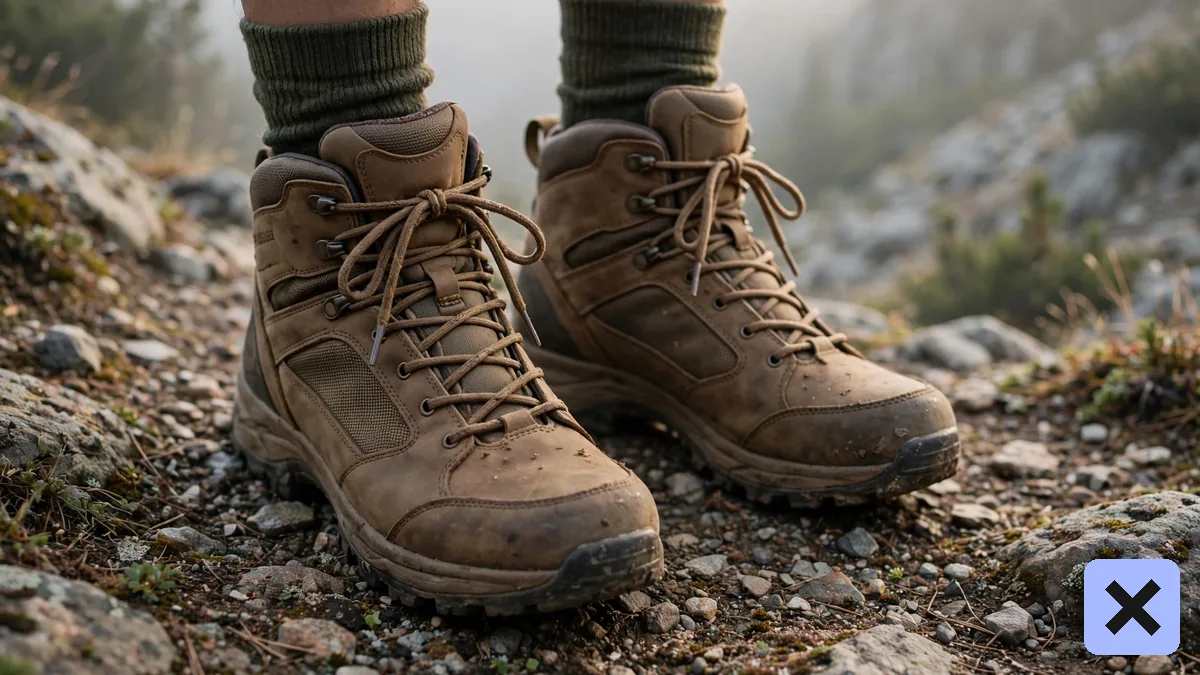
The best hiking socks 2026 has to offer are the cheapest insurance you can buy for your feet. A great pair costs less than a trail lunch, yet it is the difference between finishing a long day with happy feet and limping back to the car with blisters. Boots get the attention, but socks touch your skin every step, managing sweat and stopping friction.
Most hikers learn this the hard way. A cotton gym sock soaks up sweat, stays wet and rubs the skin raw within a few miles. A proper hiking sock does the opposite: it pulls moisture away from the foot, holds its shape inside the boot, and puts padding exactly where the foot strikes the ground.
This guide compares nine pairs that earned their place through proven materials, thoughtful construction and years of trail reports. From merino classics to blister-proof blends and budget workhorses, each pick helps you match a sock to your boots and climate.
Key takeaways
- Merino wool is the best all-round material: it wicks sweat, resists odour and stays warm when damp.
- Never hike in cotton socks, which hold moisture against the skin and cause blisters fast.
- Crew height is the safest default, protecting the ankle from grit and brush.
- Match cushioning to the trail: light for warm day hikes, medium for multi-day trips, heavy for rough ground.
- Buy socks that fit snugly with no wrinkles, and test a new pair on a short walk first.

What Makes a Great Hiking Sock
A hiking sock must manage moisture, absorb shock and stay in place for hours. Four factors decide how well it does that: material, cushioning, fit and height.
Material Matters Most
Merino wool leads the field for most hikers. Its fine fibres trap air for warmth, absorb up to a third of their weight in moisture without feeling wet, and naturally resist the bacteria that cause smelly feet. A merino blend with 20 to 40 percent nylon lasts much longer than pure wool, because the nylon adds strength at the heel and toe. Synthetics dry faster and cost less, which suits hot weather, while cotton should be avoided: it absorbs sweat and stays damp for hours.
Cushioning and Fit
Cushioning is the looped padding knitted into the sole, heel and toe. Light cushion suits warm weather, medium cushion is the versatile middle ground for most three-season hiking, and heavy cushion adds shock absorption for rocky trails and heavy loads. Fit matters just as much, so a sock should hug the foot with no wrinkles or sagging. Socks work as a system with your footwear, so pair them with the best hiking boots for 2026 that fit your feet, and try the combination together before a long day out.
Height and Weight
Crew height is the default for hiking because it sits above the boot collar and stops grit and twigs from dropping in. Quarter height works with low trail shoes on smooth summer paths, while knee-high socks suit cold weather and tall boots.
Best Hiking Socks 2026 at a Glance
| Sock | Best For | Material | Cushion |
|---|---|---|---|
| Darn Tough Hiker Micro Crew Cushion | Overall performance | Merino wool blend | Medium |
| Smartwool Performance Hike Light Cushion Crew | Merino comfort | Merino wool blend | Light |
| Balega Blister Resist Crew | Blister prevention | Mohair blend | Medium |
| Injinji Outdoor Midweight Crew | Toe socks | CoolMax blend | Medium |
| Fox River Wick Dry Maximum Mid-Calf | Budget pick | Polypropylene blend | Heavy |
| REI Co-op Merino Wool Hiker Crew | Value merino | Merino wool blend | Medium |
| Icebreaker Hike+ Light Crew | Summer hiking | Merino wool blend | Light |
| Wigwam Cool-Lite Hiker Pro Quarter | Warm weather | Polyester blend | Medium |
| Thorlo KXHM Maximum Cushion | Long distances | Acrylic blend | Heavy |
The 9 Best Hiking Socks of 2026
Each pair below was chosen for a clear job. Alongside the best hiking backpacks for 2026, good socks improve every hike you take.
1. Darn Tough Hiker Micro Crew Cushion: Best Overall
The Hiker Micro Crew Cushion is knitted in Vermont from a fine merino blend with nylon for strength and elastane for stretch, and it stays warm in the cold, breathes well on hot climbs and resists odour over several days. The cushioning is dense and well placed, and the lifetime guarantee covers any sock that ever wears through.
2. Smartwool Performance Hike Light Cushion Crew: Best Merino Comfort
Smartwool helped make merino hiking socks mainstream, and the Performance Hike Light Cushion Crew shows why. It uses a soft merino blend with arch and ankle support and a flat knit toe seam, and the light cushioning keeps the sock slim inside the boot, which suits warm conditions and a closer fit. The merino is noticeably soft with none of the itch cheaper wool can cause, and it regulates temperature well across a wide range of weather.
3. Balega Blister Resist Crew: Best Blister Prevention
The Blister Resist Crew blends mohair with Drynamix polyester to create a very low-friction surface, so the fibres slide against each other rather than against your skin, cutting the rubbing that causes hot spots. A hand-linked seamless toe removes another common irritation point entirely. The cushioning is generous without being bulky, the arch band keeps the sock from bunching on descents, and the fit is true to size.

4. Injinji Outdoor Midweight Crew: Best Toe Socks
Each toe sits in its own sleeve, which stops toes from rubbing against each other on long descents and steep climbs. For hikers who get blisters between their toes, no conventional sock solves the problem as directly as this one. The Outdoor Midweight Crew uses a CoolMax and wool blend with targeted cushioning and a supportive arch band, and the crew height protects the ankle from grit and brush. Toe socks take a little getting used to, but most converts never go back.
5. Fox River Wick Dry Maximum Mid-Calf: Best Budget Pick
The Wick Dry Maximum proves a good hiking sock does not need a premium price. It uses a polypropylene and nylon blend that wicks sweat aggressively, with thick cushioning through the sole and a reinforced heel and toe. This is a workhorse sock: warm, durable and comfortable over long miles, at a price that lets you stock up on several pairs. It dries faster than wool after a stream crossing, though it manages odour less well than merino.
6. REI Co-op Merino Wool Hiker Crew: Best Value Merino
The Merino Wool Hiker Crew offers genuine merino performance at a price well below the big-name brands, with the warmth, moisture management and odour resistance that make wool the default hiking fibre, plus medium cushioning for most three-season walking. The fit is comfortable and true to size, with a reinforced heel and toe and a smooth toe seam, and the sock stays put without sliding down on long descents.

7. Icebreaker Hike+ Light Crew: Best Summer Hiking Sock
The Hike+ Light Crew is built for warm weather. It uses a fine merino blend with nylon and a touch of Lycra, knitted light enough to breathe on hot climbs while still offering targeted cushioning under the foot. The fit is anatomical, with a distinct left and right sock, which helps it stay aligned and wrinkle-free inside the boot. It wicks sweat quickly, feels cool against the skin, and stays fresh longer than a synthetic equivalent.
8. Wigwam Cool-Lite Hiker Pro Quarter: Best Warm-Weather Sock
The Wigwam Cool-Lite Hiker Pro Quarter solves that with a shorter cut and a mesh instep that vents heat with every step. The quarter height sits just above the ankle, which suits low trail shoes and fast summer walking. Despite the low cut, the cushioning is serious, with padding under the heel and forefoot and a stay-put design that resists sliding down. It dries quickly, though the shorter height leaves the ankle more exposed, so it is best on clear trails.
9. Thorlo KXHM Maximum Cushion: Best for Long Distances
The KXHM is Thorlo’s answer to long, hard miles. This is a heavily cushioned sock, with dense padding through the entire sole and a design that reduces impact shock on rocky descents. The acrylic blend wicks moisture, resists shrinking and keeps its cushioning far longer than most padded socks. Long-distance hikers will feel the difference by the end of a twenty-mile day, while the snug fit and arch support stop the sock from bunching.
How to Choose the Right Pair for Your Hike
The right sock depends on three things: the season, the trail and your feet.
Match the Sock to the Season
Summer calls for light cushioning, breathable fibres and a lower cut, while winter needs thicker merino, heavier cushioning and crew or knee height for warmth. Spring and autumn are the most forgiving seasons, when a medium-cushion merino crew handles almost everything.
Match the Sock to the Trail
Rocky, steep and technical trails reward heavier cushioning and a crew height that keeps grit out of the boot, while smooth paths let you go lighter and lower. Staying hydrated matters just as much as staying dry, so pack along one of the best insulated water bottles for 2026 to keep water cold on long, hot climbs.
Get the Fit Right
Fit is personal, and it is the one thing no review can decide for you. Buy your true shoe size, never size up for extra padding, and check that the heel pocket sits on your heel rather than under your arch. Wear new socks with your boots around the house for an hour before a long hike.
Hiking Sock Checklist
- Choose merino wool or a quality synthetic blend, and never hike in cotton socks.
- Pick crew height as your default, and go shorter only for warm weather and smooth trails.
- Match cushioning to the trail: light for warm day hikes, medium for general use, heavy for rough ground.
- Buy your exact shoe size and check for wrinkles, sagging or a heel pocket that slips.
- Pack a spare pair on every hike longer than a few hours, plus a dry pair for camp.
- Break in new socks on a short walk before trusting them on a big hike.
Frequently Asked Questions
How many pairs of hiking socks do I need?
Three pairs cover most hikers well: one light pair for warm weather, one midweight pair for general three-season use, and one spare that stays dry in your pack.
Are expensive hiking socks worth it?
Yes, within reason. A well-made merino sock in the mid-price range lasts several seasons, prevents blisters and keeps feet comfortable for hours. The cheapest socks often lose their shape and cause hot spots.
Should I wear liner socks under hiking socks?
Liner socks can help if you are prone to blisters, because the liner takes the friction instead of your skin. A thin synthetic liner under a cushioned hiking sock works well on long trips, but try your main sock on its own first.
How do I wash hiking socks?
Wash merino socks in cold water on a gentle cycle and let them air dry, since high heat shrinks wool and breaks down elastic.
How long do hiking socks last?
A quality hiking sock typically lasts 500 to 1,000 miles of trail use, depending on the material, the terrain and how often it is washed.
Can I hike in running socks?
Running socks can work for short, easy walks in warm weather, especially lightweight synthetic ones. They lack the cushioning, height and durability of a proper hiking sock, so they are a poor choice for rocky trails and long days.
The Bottom Line
The best hiking socks 2026 offers are not the flashiest piece of kit you will buy, but they may be the most important. Start with the Darn Tough Hiker Micro Crew Cushion if you want one pair that does almost everything, reach for the Balega Blister Resist Crew if blisters are your enemy, and keep the Fox River Wick Dry Maximum in your drawer as a dependable budget backup.