The best hiking boots for wide feet in 2026 solve a problem that standard boots never will: a roomy toe box, a generous forefoot and a lacing system that holds the heel without squeezing the sides. If your feet spill over the edges of regular hiking boots, you already know the symptoms. Hot spots on the outside of the little toe, numbness across the ball of the foot, and blisters that appear within the first hour are not signs of weak feet. They are signs of a boot built for a narrower last.
Wide feet need width where it counts, not just a longer size. Sizing up in a standard boot gives you extra length you do not need while the forefoot stays tight, and the heel slips with every step. A true wide hiking boot is built on a wider last from the start, so the toe box, midfoot and heel cup all work together.
This guide compares nine pairs of the best hiking boots for wide feet in 2026, from budget-friendly day hikers to waterproof leather workhorses built for multi-day trips. Each pick is available in a genuine wide or extra-wide fit, and each one has earned its place through proven comfort, durable materials and honest trail performance. Use the comparison table to narrow the field, then read the fit advice before you buy.
Key takeaways
- Buy a boot built on a wide last, not a longer size in a standard width, so the toe box and heel fit at the same time.
- Look for a roomy, rounded toe box that lets your toes spread naturally on descents.
- Waterproof membranes keep feet dry in wet conditions but run warmer, so match the boot to your climate.
- Try boots on in the afternoon with your hiking socks, and leave a thumb’s width in front of your longest toe.
- Break in new boots on short walks first, and adjust the lacing to relieve pressure across the forefoot.
How We Chose the Best Hiking Boots for Wide Feet
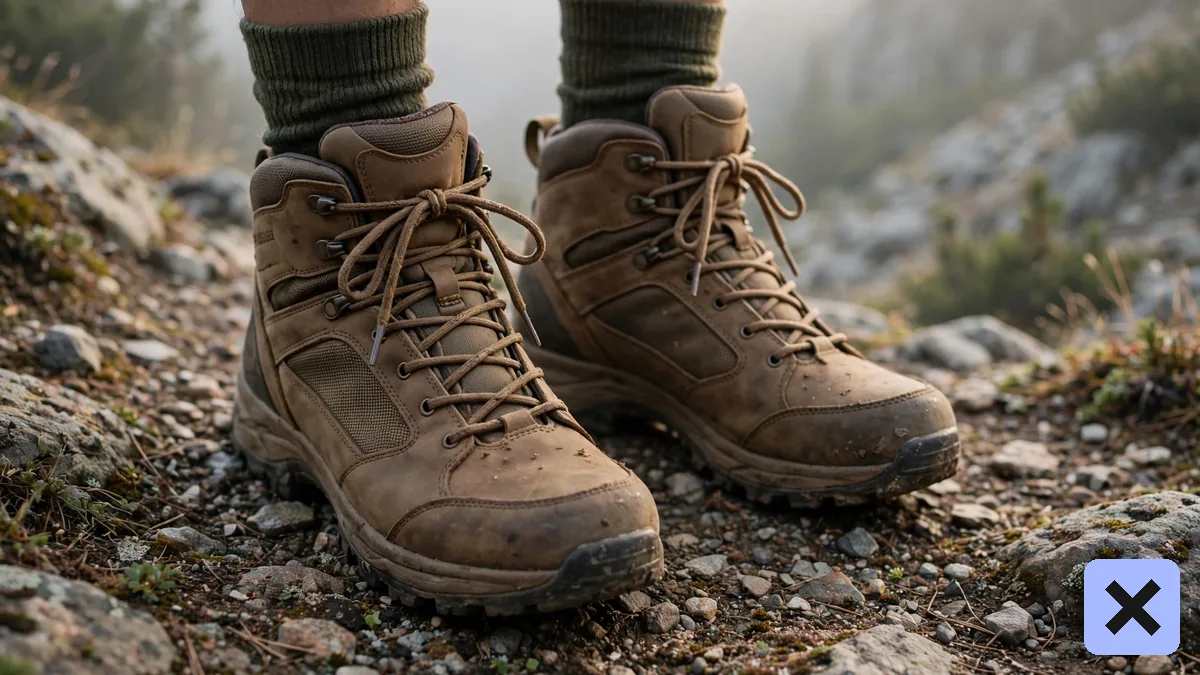
Every boot on this list is sold in a wide fit, not just a roomy standard size. We checked each model for a dedicated wide or extra-wide last, a toe box that stays broad through the ball of the foot, and lacing that lets you loosen the forefoot without losing heel lock.
We also weighed the things that decide whether a boot survives a season: outsole grip on wet rock, cushioning under a loaded pack, waterproofing that keeps water out, and uppers that resist scree scuffs. The list runs from affordable trail shoes to premium leather boots, with the best value clearly marked.
Finally, we favoured boots that pair well with the rest of your kit. A wide boot works best with a sock that manages moisture, so plan the whole setup rather than the boot alone. The best hiking socks of 2026 fill the extra volume of a wide boot and stop your foot sliding inside it.
Comparison Table: Best Hiking Boots for Wide Feet 2026
| Boot | Best for | Waterproof | Weight (pair) | Width options |
|---|---|---|---|---|
| Merrell Moab 3 Mid Waterproof Wide | All-round value | Yes | About 2 lb 4 oz | Wide |
| Salomon X Ultra 4 Mid Wide GTX | Fast, technical trails | Yes | About 2 lb 2 oz | Wide |
| Keen Targhee IV Mid Wide | Out-of-the-box comfort | Yes | About 2 lb 6 oz | Wide |
| Oboz Bridger Mid B-Dry Wide | Support on rough ground | Yes | About 2 lb 8 oz | Wide |
| Columbia Newton Ridge Plus II Wide | Budget day hikes | Yes | About 2 lb 2 oz | Wide |
| Lowa Renegade GTX Mid Wide | Multi-day backpacking | Yes | About 2 lb 12 oz | Wide |
| Vasque Breeze LT GTX Wide | Lightweight waterproofing | Yes | About 2 lb 4 oz | Wide |
| Hoka Anacapa 2 Mid GTX Wide | Maximum cushioning | Yes | About 2 lb 1 oz | Wide |
| Altra Lone Peak All-Weather Mid Wide | Natural toe splay | Yes | About 1 lb 12 oz | Wide |
1. Merrell Moab 3 Mid Waterproof Wide
The Moab 3 Wide is the safest first pick for wide feet, and it has held that spot for years. Merrell builds the wide version on a genuinely broader last, so the toe box feels open without the heel turning sloppy. The waterproof membrane handles stream crossings and wet grass, and the Vibram outsole grips well on loose gravel and damp rock.
2. Salomon X Ultra 4 Mid Wide GTX
The X Ultra 4 Wide is the quickest boot on this list. It feels closer to a trail runner than a traditional hiker, with a low profile, a springy midsole and a Gore-Tex lining that keeps rain out. Salomon’s wide fit adds real volume across the forefoot, which is unusual for a brand known for narrow shoes, and the result is a fast boot that wide-footed hikers can finally wear.
3. Keen Targhee IV Mid Wide
Keen has built its reputation on roomy toe boxes, and the Targhee IV Wide is the clearest example. The broad, rounded front gives toes space to spread on long descents, and the boot feels comfortable from the first wear, with almost no break-in needed. The waterproof version adds a membrane and a sealed construction that handles muddy trails well.
4. Oboz Bridger Mid B-Dry Wide
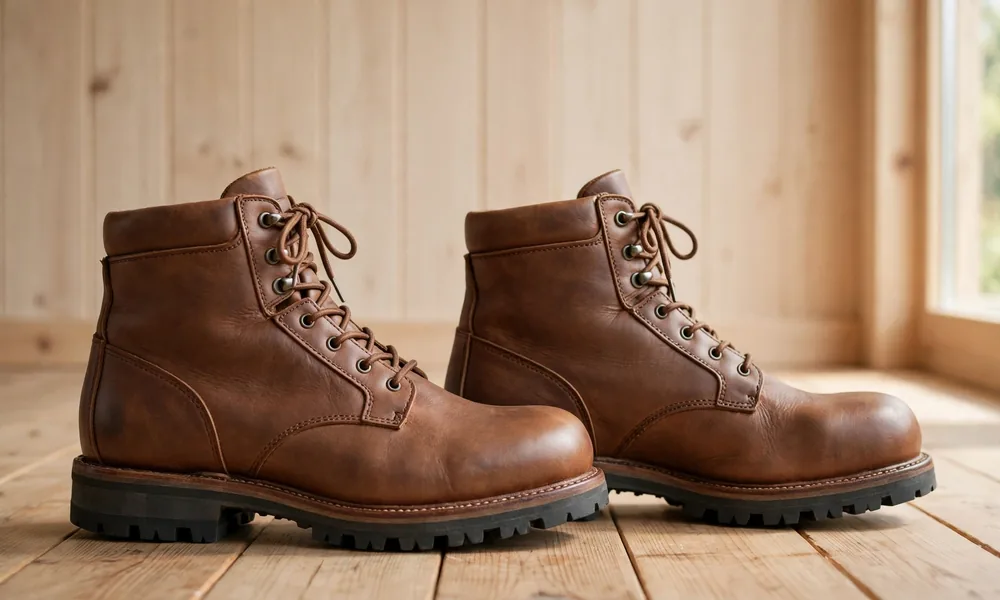
The Bridger Wide is built for rough ground and heavy loads. Oboz uses a wide last with a deep heel cup, so the foot stays planted when the trail turns rocky, and the B-Dry membrane keeps water out without the boot feeling like a plastic bag. The nubuck leather upper resists scuffs and looks better with age.
5. Columbia Newton Ridge Plus II Wide
The Newton Ridge Plus II Wide is the budget pick, and it is far better than its price suggests. Columbia’s wide version gives genuine extra room in the toe box, and the waterproof construction keeps feet dry on wet trails. The leather and suede upper looks smart enough for the trailhead cafe, and the lightweight midsole keeps the boot from feeling clumsy.
6. Lowa Renegade GTX Mid Wide
The Renegade GTX Wide is the premium choice for backpackers with wide feet. Lowa’s wide last is one of the most generous in the business, and the full Gore-Tex lining, nubuck leather upper and deep lugs add up to a boot built for long days under a heavy pack. It is the heaviest boot here, but the weight buys stability that lighter boots cannot match, and it pairs well with the best hiking backpacks of 2026 for multi-day trips.
7. Vasque Breeze LT GTX Wide
The Breeze LT Wide does something unusual: it pairs a genuine wide fit with a genuinely light build. Vasque keeps the weight down with a streamlined upper and a low-profile midsole, while the Gore-Tex lining keeps the waterproofing serious. The result is a boot that feels agile on the trail but still handles wet weather.
8. Hoka Anacapa 2 Mid GTX Wide
The Anacapa 2 Mid GTX Wide brings Hoka’s famous cushioning to wide feet. The thick, soft midsole absorbs impact on hard trails and long descents, which makes it a kind choice for knees and for feet that ache by mile ten. The wide version keeps the forefoot open, and the Gore-Tex lining adds weather protection.
9. Altra Lone Peak All-Weather Mid Wide
Altra’s FootShape toe box is the widest-feeling fit here, with a broad, foot-shaped front that lets toes splay naturally. The All-Weather Mid adds a waterproof membrane and a mid-height collar to the famously roomy Lone Peak platform, so wide-footed hikers get the natural fit without giving up weather protection.
How to Find the Right Wide Fit
Width labels are not standardised, so never trust the label alone. A wide in one brand can feel like a standard in another, and the difference between a wide and an extra-wide varies by model. Try boots on in the afternoon, when feet are at their largest, wearing the socks you will hike in. Your toes should be able to wiggle freely, and there should be a thumb’s width between your longest toe and the front of the boot when you stand on a downhill slope.
Check the fit in three places. The heel should sit snugly with no lift on uphills. The midfoot should feel held, not pinched. The forefoot should feel open, with no pressure on the outside of the little toe. If any one of those three fails, try another boot, because no amount of breaking in fixes a boot that pinches in the wrong place.
Remember that width and volume are different things. A boot can be wide but shallow, which squeezes high-volume feet from above. If the top of your foot aches, look for a higher-volume fit or skip an eyelet over the sore spot. The best hiking boots of 2026 show how each brand’s standard last compares with its wide version.
Lacing Tricks for Wide Feet
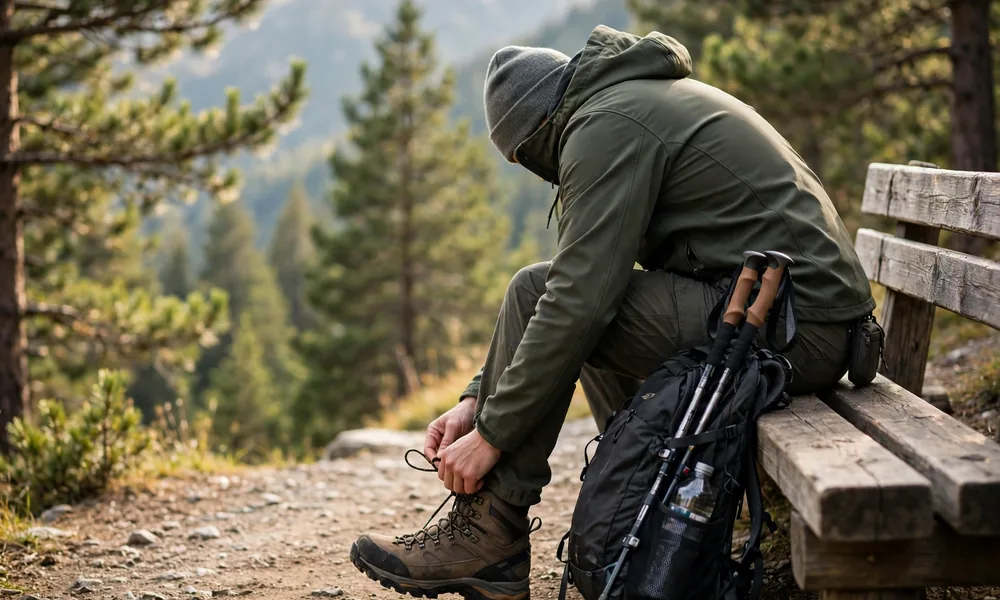
Lacing is the cheapest way to fix a wide boot that feels tight. Skip an eyelet over the widest part of the foot to relieve pressure, and use a heel-lock loop at the top to stop the heel slipping. Always re-lace after the first mile, because feet swell as they warm up.
Breaking In Wide Boots
Wear new boots around the house, then on short flat walks, then on a hilly day hike before any big trip. Leather boots need more time than synthetic ones. If a boot still hurts after five or six outings, it is the wrong boot, not an unbroken one.
Wide Hiking Boots Buying Checklist
- Confirm the boot is sold in a dedicated wide or extra-wide fit, not just a roomy standard size.
- Try boots on in the afternoon with your hiking socks, and test them on a downhill slope.
- Check heel hold, midfoot support and forefoot room separately before you decide.
- Match waterproofing to your climate, remembering that waterproof boots run warmer.
- Pick an outsole with deep lugs if you hike on wet rock, mud or loose scree.
- Break in new boots on short walks first, and re-lace after the first mile of every hike.
Frequently Asked Questions
Should I size up or buy a wide hiking boot?
Buy a wide boot. Sizing up adds length you do not need while the forefoot stays tight, and the heel will slip. A wide boot is built on a broader last, so the toe box, midfoot and heel all fit at once.
Do wide hiking boots look different from standard boots?
They look almost identical. The last adds a few millimetres across the forefoot, but from the outside a wide boot looks like a normal hiking boot.
Are wide hiking boots heavier than standard ones?
Only slightly, usually an ounce or two per pair. The comfort gained is worth far more than the weight added.
Can I wear wide hiking boots if only one foot is wide?
Yes. Fit the wider foot first, then adjust the lacing on the narrower foot to take up the extra volume. A thicker sock on the narrower foot can also help balance the fit.
Do waterproof wide boots make feet sweat?
They run warmer, because the membrane slows moisture escaping. In hot, dry conditions a breathable boot is cooler, so choose waterproofing for wet climates and breathability for dry ones.
How long should wide hiking boots last?
A good pair lasts 500 to 1,000 miles depending on terrain, load and materials. Replace them when the midsole feels flat, the lugs wear smooth, or the waterproofing stops working despite cleaning and reproofing.
The Bottom Line
The best hiking boots for wide feet in 2026 are the ones built on a genuinely wide last, and the Merrell Moab 3 Wide is the safest all-round pick for most hikers. If you want speed, the Salomon X Ultra 4 Wide is the fast option, and if you want out-of-the-box comfort, the Keen Targhee IV Wide is the most forgiving. Try your shortlist on in the afternoon with your hiking socks, check the heel, midfoot and forefoot separately, and break them in on short walks before a big trip.