When the nights turn cold, the best duvet covers for winter make the difference between a bed you climb into and a bed you look forward to. A winter duvet cover is not just a pretty shell for your duvet. It is the layer your skin touches, the layer that traps warmth, and the layer that decides whether you wake up comfortable or cold at 3 a.m.
Choosing well matters more in winter than in any other season. A thin, slippery cover slides off your duvet, lets cold air in, and leaves you reaching for extra blankets. A good winter cover stays put, feels warm the moment you touch it, and survives a whole season of washing without going baggy or bobbly.
This guide rounds up the best duvet covers for winter 2026 and explains what to look for in fabric, weave, and fit. Every pick below has been chosen for warmth, comfort, durability, and value.
Key Takeaways
- Flannel, brushed cotton, and jersey are the warmest winter fabrics, while percale and linen feel too cool for cold nights.
- Look for corner ties and a secure closure, because a slipping cover leaves cold gaps around your duvet.
- Buy the same size as your duvet, not your mattress, so the cover fits snugly without bunching or pulling.
- Darker, richer colours hide winter wear, but a good wash routine matters more than the shade you pick.
- Layer a throw over your duvet instead of buying a heavier duvet, so you can adjust warmth night by night.

Why a Winter Duvet Cover Matters More Than You Think
Your duvet does the insulating, but your cover does the feeling. It is the surface against your shoulders, your feet, and your face. In winter it must feel warm on contact, not cold and crisp, or your body spends the first minutes of the night warming it up instead of resting.
A winter cover also protects your duvet through its hardest season. Duvets get used heavily in winter and washed rarely, so a sturdy cover takes the wear instead, and a deep, warm colour makes the bedroom feel like a retreat from the cold.
What Makes a Great Winter Duvet Cover
Fabric and Warmth
Flannel is the classic winter choice. Brushed on one or both sides, it traps a thin layer of warm air and feels soft and warm from the first touch. Good flannel is cotton, washes well, and gets softer with each wash, though cheap flannel can pill, so check reviews before buying.
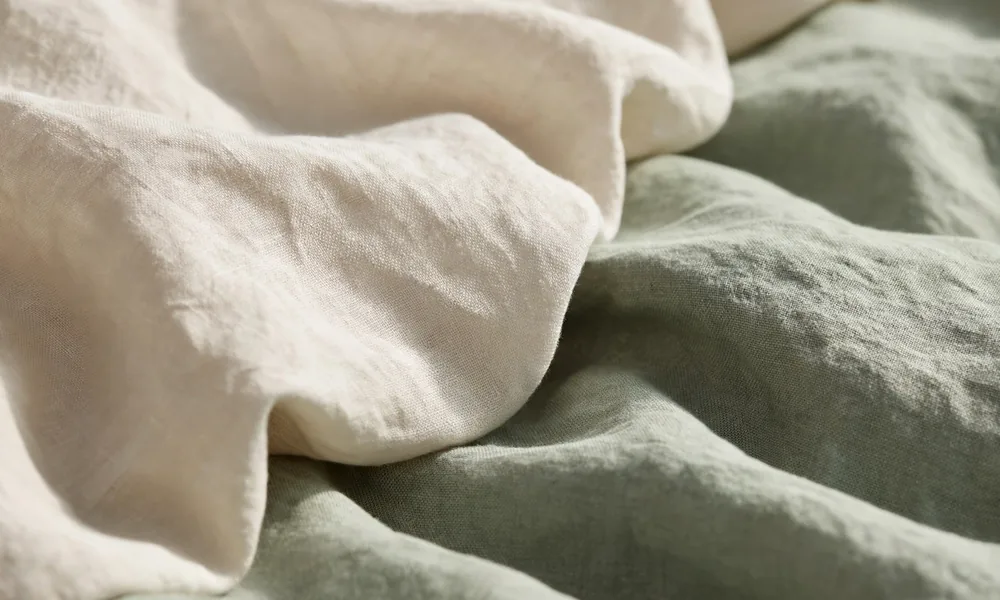
Brushed cotton is a close second, with cotton’s smooth durability and a lightly brushed surface that takes the chill off. Jersey cotton, the stretchy knit used in T-shirts, is another strong winter option: it hugs the duvet, never feels cold, and suits people who dislike crisp bedding. Percale and linen, lovely in summer, are poor winter choices: percale feels cool and linen lets warmth escape.
Weave and Thread Count
Thread count is often used as a sales pitch, but for winter covers it matters less than the weave. A thread count of 200 to 400 in a sateen or twill weave gives a good balance of softness, strength, and warmth. Very high thread counts can feel dense and less breathable, leading to clammy sleep.
For flannel, thread count is barely relevant. What matters is the weight of the fabric, measured in grams per square metre. A flannel cover around 150 to 190 gsm feels substantial without being heavy; anything much lighter will feel thin and wear out quickly.
Closure and Fit
A winter cover that slips is a winter cover that fails. Look for internal corner ties, which anchor the duvet in place, and a secure closure, whether that is buttons, a zip, or a hidden popper placket. Zips give the neatest finish, while buttons are easier to repair if one comes loose.
Always match the cover to your duvet size, not your bed size. Too large, it bunches and leaves cold pockets; too small, it pulls the duvet out of shape and strains the seams.
The Best Duvet Covers for Winter 2026
| Cover | Fabric | Best For | Warmth |
|---|---|---|---|
| Classic Brushed Cotton | Brushed cotton | Everyday warmth | High |
| Cloud Flannel | Brushed cotton flannel | Maximum cosiness | Very high |
| Stretch Jersey Knit | Jersey cotton | Soft, cling-free feel | High |
| Velvet-Touch Winter | Microfibre velvet | Luxury look | Very high |
| Heavyweight Sateen | Cotton sateen | Smooth, hotel-style finish | Medium-high |
| Reversible Two-Tone | Brushed cotton blend | Two looks in one | High |
1. Classic Brushed Cotton
The classic brushed cotton cover is the safest winter buy. It feels warm straight away, washes without fuss, suits every sleeper, and never crackles or clings like synthetic covers. If you buy one winter cover this year, make it this one.
2. Cloud Flannel
Cloud flannel is the cover for people who feel the cold. Brushed on both sides, it feels like a warm hug the moment you get into bed and holds heat through the night without feeling heavy, making it the best choice for draughty bedrooms and cold houses. The trade-off is care: flannel needs a gentle wash, and fabric softener should be avoided, since it clogs the fibres and reduces warmth.
3. Stretch Jersey Knit
Jersey knit covers are the quiet favourite of winter. The stretchy knit moves with you, never bunches, and feels like your favourite T-shirt, which makes it ideal for restless sleepers and children. It is also the easiest cover to put on, since the stretch forgives a slightly oversized duvet, and it dries faster than flannel.
4. Velvet-Touch Winter
If you want your bedroom to look as warm as it feels, a velvet-touch cover is the answer. The short, dense pile catches the light beautifully and gives the bed a rich, luxurious look that suits deep winter colours like forest green, burgundy, and charcoal. Modern microfibre velvet is soft, warm, and easy to care for, though it does attract lint and pet hair.
5. Heavyweight Sateen
Heavyweight sateen is for sleepers who want warmth without the fuzzy feel of flannel. The smooth, slightly glossy surface feels silky, warms up quickly, and holds heat well, giving a polished, hotel-style look. Look for a thread count of 300 to 400 and a decent weight, so it drapes well rather than feeling papery.
6. Reversible Two-Tone
A reversible two-tone cover gives you two bedrooms for the price of one. Flip it for a different colour or pattern and the whole room feels refreshed, which is a welcome trick in the middle of a long winter. Most use brushed cotton on both sides, so you lose nothing in warmth, and you will use both sides if you pick two colours that suit your room.
How to Choose the Right Winter Duvet Cover
Match the Cover to Your Duvet Fill
Your duvet fill and your cover should work as a team. A high-tog feather or down duvet already traps a lot of warmth, so pair it with breathable brushed cotton, not heavy flannel, or you may overheat. A lighter synthetic duvet benefits from the extra insulation of flannel or velvet-touch fabric.
Pick the Right Size
Measure your duvet, not your mattress, and buy the matching cover size. Most covers follow standard sizes, but a few centimetres of difference between brands is normal, so check the measurements on the label. If you share a bed, consider sizing up your duvet and cover together: a king-size duvet on a double bed gives each sleeper more cover and ends the tug-of-war.
Colours and Patterns That Work in Winter
Winter is the season for deep, rich colour. Charcoal, navy, forest green, burgundy, and warm chocolate all look wonderful on a winter bed and hide the odd mark far better than pale shades. If your room is small or dark, balance a deep cover with pale pillows and a light throw. Keep patterns calm: small checks, subtle stripes, and soft prints add interest without looking busy.

Layering Your Bed for the Coldest Nights
The best winter beds are layered, not just heavy. Start with a warm duvet cover, then finish with a throw folded across the foot of the bed, adding warmth where your feet need it most. Our guide to the best throw blankets for sofas is a useful starting point, since many of the same warm, washable throws work just as well across a bed.
Do not forget the room itself. Heavy curtains keep draughts out and warmth in, and choosing between curtains vs blinds for bedrooms can make a real difference to how cold your bedroom feels at night.

Caring for Your Winter Duvet Cover
Winter covers get washed hard, so care matters. Wash weekly in a cool or warm cycle, and avoid hot washes unless the label allows them, since high heat can shrink cotton and damage brushed fibres. Use a gentle detergent and skip fabric softener on flannel and microfibre, where it reduces softness over time.
Dry your cover properly before putting it back on the bed. A damp cover feels cold and can smell musty, which defeats the whole point of a winter refresh. Tumble dry on low if the label allows, or hang it somewhere warm and well ventilated. Keep a spare cover in rotation so wash day never leaves you with a bare duvet, and learn what ruins bedding: avoiding the worst bedsheets for comfort teaches you more about what to avoid than any shopping guide can.
Winter Duvet Cover Checklist
- Choose a warm fabric: flannel, brushed cotton, or jersey, not percale or linen.
- Check for corner ties and a secure zip or button closure.
- Match the cover size to your duvet size, not your mattress size.
- Pick a weight that suits your duvet fill, so you stay warm without overheating.
- Wash weekly in a cool cycle and skip fabric softener on flannel.
- Keep a spare cover in rotation so wash day never leaves you with a bare duvet.
Frequently Asked Questions
What is the warmest duvet cover fabric for winter?
Brushed cotton flannel is the warmest common choice, thanks to its raised fibres that trap warm air. Velvet-touch microfibre is nearly as warm, while brushed cotton and jersey are warm and more breathable for sleepers who overheat easily.
Should I buy a duvet cover the same size as my duvet?
Yes, always match the cover to your duvet, not your mattress. Too big, it bunches and leaves cold pockets; too small, it pulls the duvet out of shape and strains the seams.
How often should I wash a winter duvet cover?
Once a week is ideal, since covers collect skin oils, dust, and moisture from dry indoor heating. If you have allergies or pets that sleep on the bed, wash twice a week and keep a spare cover ready.
Is flannel too hot for some sleepers?
Flannel can be too warm for hot sleepers, especially with a high-tog duvet. If you often wake up sweating, choose brushed cotton or jersey instead, and use a lighter duvet so you can add a throw only on the coldest nights.
Do duvet covers make a room feel warmer?
A cover alone will not heat a room, but deep colours and soft textures make a bedroom feel cosier and help you relax and sleep better. Pair a warm cover with heavy curtains and good draught-proofing for the biggest difference.
Can I use a winter duvet cover all year round?
You can, but you may find it too warm in summer. Brushed cotton and jersey work into spring and autumn, while heavy flannel and velvet-touch covers are best saved for the coldest months.
The Bottom Line
The best duvet covers for winter 2026 are the ones that feel warm the moment you touch them, stay put through the night, and wash well week after week. Start with a brushed cotton or flannel cover in the right size, add a throw at the foot of the bed, and keep a spare in rotation. Get those basics right and every cold night becomes a good night’s sleep.


