
City Driving’s Best Electric Cars of 2026
City driving’s best electric cars of 2026 are not the biggest or the fastest cars on sale. They are the ones that make the daily grind easier: small enough to park in a tight bay, quick enough to slip into a gap in traffic, cheap enough to run on short trips, and clever enough to turn every stop at a red light into a little free energy. A city is where an electric car is at its best, because stop-start traffic, short journeys and low speeds play to every strength of an electric motor, and the cars that understand that are the ones that win here.
Key takeaways
- Small size wins in the city: a short, narrow car parks where a big car cannot, and turns in a tighter circle.
- Regenerative braking turns stop-start traffic into free range, and it makes one-pedal driving calm and easy.
- Home or street charging matters more than a huge battery, because city trips are short and overnight charging is cheap.
- A tight turning circle and good visibility matter more in town than a high top speed or a long motorway range.
- The best city electric cars are cheap to run, quiet at low speed and easy to keep clean in daily use.
How the best electric cars for city driving were chosen
Every type below was scored on five measures that decide how a car feels in daily city use. Size and manoeuvrability come first: the length, the width, the turning circle and how easily the car fits into a standard parking bay. Efficiency in stop-start traffic is second, judged on how much range the car keeps in slow traffic and how well its regenerative braking recovers energy. Charging practicality is third, because a city car must be easy to charge from a home socket, a street charger or a workplace point, without a long drive to a fast charger. Comfort is fourth: the ride over speed bumps and broken streets, the seats, and the visibility at junctions. Running costs are fifth: electricity, insurance, tyres and city low-emission charges.
Two notes before the list. First, no single model is named as the best, because the same good patterns appear across many cars, and learning to recognise them matters more than memorising a list of badges. Second, these are city verdicts, not verdicts on the cars as a whole. Several of the types below are poor long-distance cars, and that is fine, because a city car is judged on the journeys it actually makes. See also our guide to City Driving’s Best Cars of 2026 and our best vs worst electric cars comparison.
Comparison table: the best electric cars for city driving 2026
| Rank | Car type | Best for | Watch out for |
|---|---|---|---|
| 1 | Compact city hatchbacks | Parking, tight streets | Small boots, short range |
| 2 | Small electric SUVs | Visibility, family trips | Wide in old car parks |
| 3 | Electric cars with strong regeneration | Stop-start traffic | Learning one-pedal driving |
| 4 | Affordable short-range electric cars | Low running costs | Motorway trips |
| 5 | Premium compact electric cars | Comfort, quiet cabins | Higher purchase price |
| 6 | Electric cars with heat pumps | Winter city range | Optional extra cost |
| 7 | Electric cars with fast home charging | Overnight top-ups | Needs a home charger |
The best electric cars for city driving
1. Compact city hatchbacks: the best electric cars for city driving
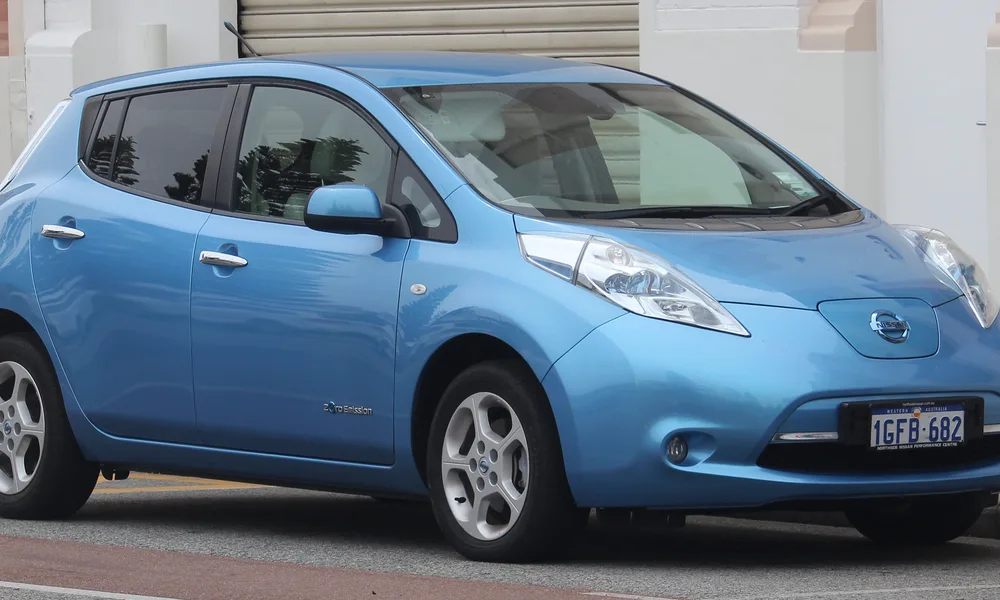
Compact city hatchbacks are the best electric cars for city driving, and the reason is visible the first time you try to park one. A car under four metres long fits into bays that a big saloon cannot use, turns in a circle tight enough for a narrow street, and slips through gaps in traffic without a second thought. The electric motor makes them even better in town: instant torque pulls away from lights quickly, there is no gear change to worry about, and the car is silent at low speed, which makes the cabin feel calm in a way a petrol car never does.
2. Small electric SUVs: the best view of the city
Small electric SUVs suit city drivers who want a higher seat and a better view of the road without the bulk of a large SUV. The raised driving position makes junctions and roundabouts easier, because you can see over parked cars and spot pedestrians earlier, and the extra headroom makes getting children in and out simpler. The best small electric SUVs are only a little wider than a hatchback, so they still fit into city parking, and their boots are big enough for a weekly shop and a pushchair. For a family that wants one car for the school run and the shopping, they are the most practical choice in the city.
3. Electric cars with strong regeneration: free energy in traffic
Regenerative braking is the electric car’s secret weapon in the city, and the cars that do it best are a joy in stop-start traffic. Every time you lift off the accelerator, the motor turns into a generator and puts energy back into the battery, so a journey through traffic lights and queues costs far less range than the same journey in a petrol car. The best systems offer one-pedal driving, where lifting off slows the car smoothly to a stop, so you barely touch the brake pedal on a city drive. Once it clicks, city driving becomes calmer and cheaper.
4. Affordable short-range electric cars: the cheapest way around town
Affordable short-range electric cars are the cheapest way to drive around a city in 2026, and their low price is only part of the story. A small battery means a low purchase price, low insurance and low tyre costs, and because city trips are short, the range is rarely a problem. These cars are not built for motorways, and they should not be judged on them. As a second car, or as the only car for a household that rarely leaves the city, they are the best value on the road, and their simplicity is part of the appeal.
5. Premium compact electric cars: the quietest city cars
Premium compact electric cars bring a level of comfort to city driving that cheaper cars cannot match. The cabins are quieter, because the makers have spent money on sound insulation and on glass that keeps traffic noise out, and the seats are better shaped for the short, frequent trips that city driving involves. The ride is softer over speed bumps and broken streets, the infotainment is quicker and easier to use, and the driver assistance systems, such as automatic parking and a 360-degree camera, genuinely help in tight spaces.
6. Electric cars with heat pumps: the winter city winners
Winter is the hardest season for an electric car in the city, because short trips give the battery no time to warm up, and heating the cabin uses a large share of the energy. Cars fitted with a heat pump cope far better, because a heat pump moves heat from the outside air instead of generating it from the battery, and it can cut winter range loss by a noticeable amount. On a cold morning, that is the difference between a car that still covers a week of city trips on one charge and a car that needs charging every other day. A heat pump is often an optional extra, and it is worth paying for if you live somewhere with cold winters. Our guide to the worst electric cars for city driving shows what happens when size, charging and heating are all wrong for town.

7. Electric cars with fast home charging: wake up full every morning
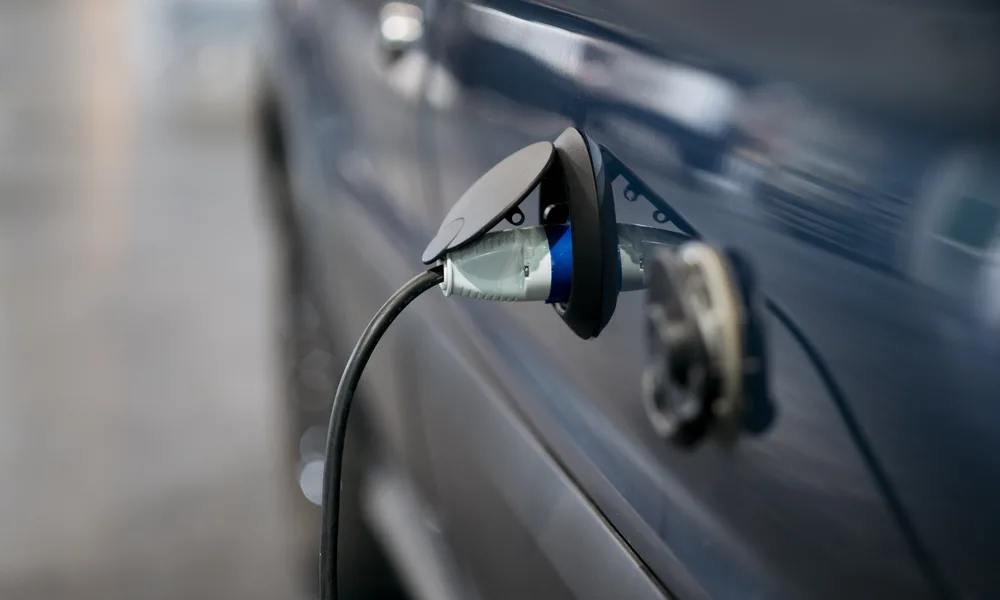
The best city electric cars are the ones you never have to think about charging, and that comes down to home charging. A car that can take a full charge from a home wall box overnight, at a cheap off-peak rate, starts every morning with a full battery, and the driver never visits a public charger in a normal week. The cars that do this best charge efficiently at home, let you schedule charging from an app, and preheat the cabin while still plugged in, so the car is warm and the battery is ready before you leave.
What to avoid when choosing an electric car for city driving
The most common mistake is buying too big. A large electric car is hard to park, expensive to insure, and wasteful on short trips, and its long range is a feature you will rarely use in the city. The second mistake is ignoring charging: a car is only as good as its charging, so check where you will charge, how long it takes, and what it costs, before you buy. The third mistake is trusting the headline range: ask for the real winter city range before you decide.
Checklist: choosing an electric car for city driving
- Measure the car against your parking space and your usual car park bays before you buy.
- Check the turning circle and the visibility at junctions on a test drive through real city streets.
- Work out where you will charge, how often, and what a full charge costs at home and on the street.
- Test the regenerative braking and one-pedal driving, and check that it can be adjusted to your taste.
- Ask whether a heat pump is fitted or available, and what it does to the winter range.
- Check the insurance, the tyre costs and any city low-emission charges the car avoids.
Frequently asked questions
Are electric cars good for city driving?
Yes, a city is where electric cars are at their best. Short trips, low speeds and stop-start traffic suit an electric motor perfectly, and regenerative braking recovers energy that a petrol car would waste as heat.
How much range do I need for city driving?
Far less than you think. Most city drivers cover under 30 miles a day, so a real range of 120 miles covers several days of driving, and a home charger means the car is full every morning.
Do I need a home charger for a city electric car?
It helps a lot, but it is not essential. Street chargers, workplace charging and fast chargers all work, but they cost more and take more planning than charging at home overnight.
Is one-pedal driving hard to learn?
No, most drivers get used to it in a day or two. Lifting off the accelerator slows the car smoothly, and you only need the brake pedal for sudden stops. Most cars let you adjust how strong it feels.
Do electric cars lose range in winter in the city?
Yes, especially on short trips, because the cabin heater uses energy and the battery stays cold. A heat pump reduces the loss, and preheating while plugged in helps even more.
Are small electric cars safe in the city?
Yes, modern small electric cars score well in crash tests, and their low centre of gravity helps stability. Size matters less in the city than good visibility, good brakes and driver assistance systems.
Bottom line
City driving’s best electric cars of 2026 are the small, clever ones: compact hatchbacks that park anywhere, small SUVs with a good view, cars with strong regeneration that turn traffic into free energy, and affordable models that cost very little to run. Choose for size, charging and winter range rather than top speed or motorway range, and the electric car becomes the easiest car you have ever owned in the city.


