
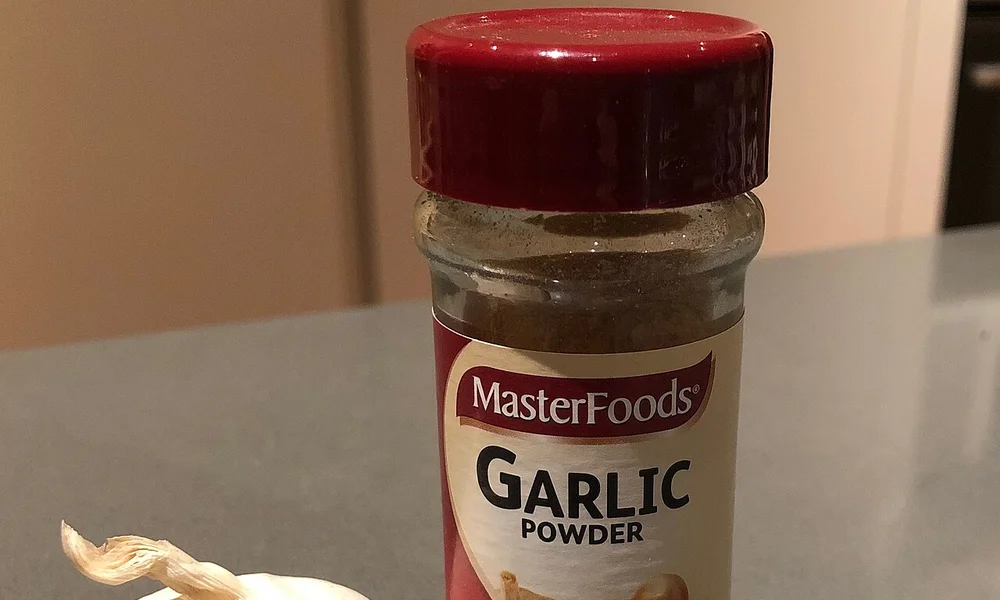
Garlic powder is the quiet workhorse of the spice cupboard. It is there for the nights when there is no time to peel and chop, for the rubs and marinades that need garlic in every bite, and for the dishes where fresh garlic would burn before the food is cooked. The best garlic powder of 2026 actually tastes like garlic: warm, savoury and a little sweet, with none of the stale, dusty flavour that makes so many jars taste like nothing at all.
Most garlic powder fails in the same quiet way. It sits in the cupboard for years, it clumps into a hard brick, or it was made from old garlic and tastes flat from the day you open it. A good garlic powder is fine and free-flowing, pale gold rather than grey, and it smells like garlic the moment you lift the lid.
Key Takeaways
- Smell the jar before you buy it if you can: good garlic powder smells warm and savoury, while stale powder smells of nothing or faintly of cardboard.
- Fine powder suits rubs, sauces and dressings, while granulated garlic suits dishes where you want visible texture and slower flavour release.
- Garlic powder is not garlic salt: powder is pure dried garlic, while garlic salt is mostly salt with a little garlic, and it will oversalt a dish fast.
- Add garlic powder early for deep flavour in rubs and marinades, and late for a fresh lift in soups, sauces and roasted vegetables.
- Keep the jar sealed, dry and away from the stove, because moisture and heat are what turn garlic powder into a clumped, flavourless brick.
What Garlic Powder Actually Is
Garlic powder is fresh garlic that has been dried and ground. The cloves are peeled, sliced thin, dried at low heat until they are brittle, and then milled into a fine powder. The colour tells you a lot: fresh, well-made garlic powder is a pale creamy gold, while grey or brown powder has been dried too hot or stored too long.
Garlic powder is not a lesser version of fresh garlic. It is a different ingredient with its own strengths. Fresh garlic gives a sharp, punchy flavour that softens as it cooks, while garlic powder gives a rounder, more even flavour that spreads through a whole dish. Powder dissolves into sauces, rubs and doughs where fresh garlic would stay in lumps, and it survives high heat in a way fresh garlic cannot: minced garlic burns in a hot pan in seconds, while garlic powder in a rub browns gently and builds flavour.
The Main Types of Garlic Powder
Not all garlic powder is the same, and the differences on the shelf matter more than the price. The grind, the additives and the flavouring decide what each type is good for.
Fine Garlic Powder
Fine garlic powder is ground to a soft, flour-like texture that dissolves almost instantly. It is the right choice for spice rubs, sauces, dressings, doughs and anything where you want the garlic flavour spread evenly with no grit. If you only buy one garlic powder, buy this one: it is the most versatile grind, and it works in more dishes than any other type.
Granulated Garlic
Granulated garlic is the same dried garlic ground coarser, into tiny hard grains rather than a soft powder. It does not dissolve as fast, which is its strength: it stays visible in a rub, gives a little texture to roasted vegetables, and releases its flavour more slowly as a dish cooks. Granulated garlic suits grills, roasts and slow-cooked dishes, and it is the better choice if your kitchen is humid or your jar lives near the stove.
Garlic Salt
Garlic salt is not garlic powder, and confusing the two is the most common garlic powder mistake. It is mostly salt, usually three parts salt to one part garlic, with an anti-caking agent added. It seasons and adds a little garlic flavour at the same time, which sounds convenient, but it gives you no control: by the time you have added enough for the garlic to show, the dish is oversalted.
Roasted and Smoked Garlic Powder
Roasted garlic powder is made from garlic that is roasted before drying, which gives it a sweeter, mellower flavour with a hint of caramel. Smoked garlic powder is dried over smoke, which adds a deep, savoury note that suits barbecue, beans and roasted meats. Both are seasoning powders rather than everyday garlic: they are wonderful in the right dish and wrong in a delicate one, so buy a small jar and use them where their flavour fits.
The Best Garlic Powder of 2026
The best garlic powder of 2026 is a plain, pure, fine powder with no additives beyond an anti-caking agent, made from garlic dried slowly at low heat. Look for a short ingredient list: garlic, and nothing else except silicon dioxide if anything. The colour should be pale gold, the texture fine and free-flowing, and the smell warm and savoury when you open the lid.
Buy small and buy fresh. Garlic powder loses flavour within six months of opening, so a big jar is a false economy unless you cook with it every day. A small jar from a spice specialist, a brand that grinds in small batches, or a supermarket own-label with a recent packing date will taste better than a large jar that has sat in a warehouse for a year.

Garlic Powder Compared
| Type | Texture | Best for | Watch out for |
|---|---|---|---|
| Fine garlic powder | Soft, flour-like | Rubs, sauces, dressings | Clumps in damp kitchens |
| Granulated garlic | Coarse grains | Grills, roasts, slow cooking | Can feel gritty in smooth sauces |
| Garlic salt | Fine, salty | Finishing fries and snacks | Oversalts dishes fast |
| Roasted or smoked | Fine powder | Barbecue, beans, roasts | Too strong for delicate dishes |
How to Use Garlic Powder So It Tastes Like Garlic
Garlic powder needs moisture or fat to wake up. Stirred into a sauce, a marinade or a dressing, it blooms and gives a full, round garlic flavour. Rubbed dry onto meat with salt and a little oil, it forms a crust that browns and deepens as it cooks. Sprinkled onto dry food with nothing to carry it, it sits on the surface and tastes dusty, which is why garlic powder on plain toast disappoints and garlic powder in a butter sauce delights.
Timing matters as much as quantity. Add garlic powder early when you want deep, background flavour: in a rub that sits overnight, a marinade, a soup that simmers for an hour, or a stew. Add it late when you want a fresh, forward lift: in the last ten minutes of a soup, over roasted vegetables as they come out of the oven, or into a dressing just before serving. If you cook with fresh garlic too, remember the tools are different jobs: a press crushes fresh cloves for a sharp, punchy flavour, and our guide to the garlic presses worth the drawer space covers when fresh garlic beats powder, while powder wins whenever you need even flavour, long cooking or high heat.
Keeping Garlic Powder Fresh
Garlic powder goes stale from air, light, heat and moisture, in that order. Keep it in its original jar with the lid tight, in a dark cupboard away from the stove, and never shake it over a steaming pot, because the steam rises straight into the jar and starts the clumping. Our guide to the spice jars that keep flavours fresh for months covers the jars and habits that keep every ground spice, garlic powder included, at its best.
Whole spices last years, ground spices last months, and garlic powder is no exception. If you cook with garlic powder in rubs, our guide to the BBQ rubs that build the bark shows how garlic powder works alongside paprika, salt and sugar to build flavour on smoked and grilled meat.
Buying Checklist
- Read the ingredients: garlic only, plus an anti-caking agent at most, never salt, sugar or flavourings.
- Check the colour: pale creamy gold is fresh, while grey or brown powder was dried too hot or stored too long.
- Smell the jar if you can: warm and savoury is good, while no smell at all means the flavour is already gone.
- Buy small and check the date: garlic powder fades within six months of opening, so a small fresh jar beats a large stale one.
- Choose the grind for the job: fine powder for rubs and sauces, granulated for grills, roasts and humid kitchens.
- Refuse clumped jars: a solid lump means moisture got in, and the flavour went out with it.
Frequently Asked Questions
How much garlic powder equals one clove of garlic?
A quarter teaspoon of garlic powder roughly equals one medium clove of fresh garlic. Start there and taste, because powders vary in strength and dishes vary in how much garlic they can carry. In a rub or a marinade, a little more is fine, while in a delicate sauce, start with less and add more at the end.
Is garlic powder as healthy as fresh garlic?
It keeps most of the minerals and some of the flavour compounds, but drying reduces the allicin, the compound behind fresh garlic’s sharp bite and much of its studied benefit.
Why has my garlic powder gone hard?
Moisture got in. Garlic powder absorbs water from the air, from steam over a cooking pot, or from a wet spoon, and the fine grains stick together into a brick. Break it up with a fork and use it quickly if it still smells like garlic, and store the next jar sealed, dry and away from the stove. A few grains of dry rice in the jar can help in a humid kitchen.
Can I use garlic powder instead of fresh garlic in any recipe?
In most cooked dishes, yes: soups, stews, rubs, marinades, sauces, roasted vegetables and doughs all work well with powder. It does not work in dishes where fresh garlic is the star, like garlic bread with raw garlic butter, aïoli, or a salad dressing that needs the sharp bite of a crushed clove.
Does garlic powder go off?
It does not go unsafe, but it goes flavourless. After six months open, or a year unopened, most garlic powder has lost its aroma and tastes like dust. It is still safe to eat, but it adds nothing to a dish, so replace it. Write the opening date on the lid so you know when the six months are up.
What is the difference between garlic powder and garlic granules?
They are the same dried garlic at different grinds. Powder is milled fine and dissolves fast, which suits sauces, rubs and dressings, while granules are coarser, dissolve slowly, resist clumping and suit grills and roasts. The flavour is the same; the texture and the timing are what differ, so choose by the dish.
The Bottom Line
The best garlic powder is a plain, pure, fine powder that smells like garlic the moment you open the jar: pale gold, free-flowing, and bought small and fresh. Keep a jar of fine powder for everyday cooking and a jar of granulated garlic for the grill, and both will earn their shelf space. Use a quarter teaspoon per clove, give it moisture or fat to bloom in, and keep the jar sealed, dry and away from the stove. Do that, and the quiet workhorse of the spice cupboard will actually taste like garlic.


