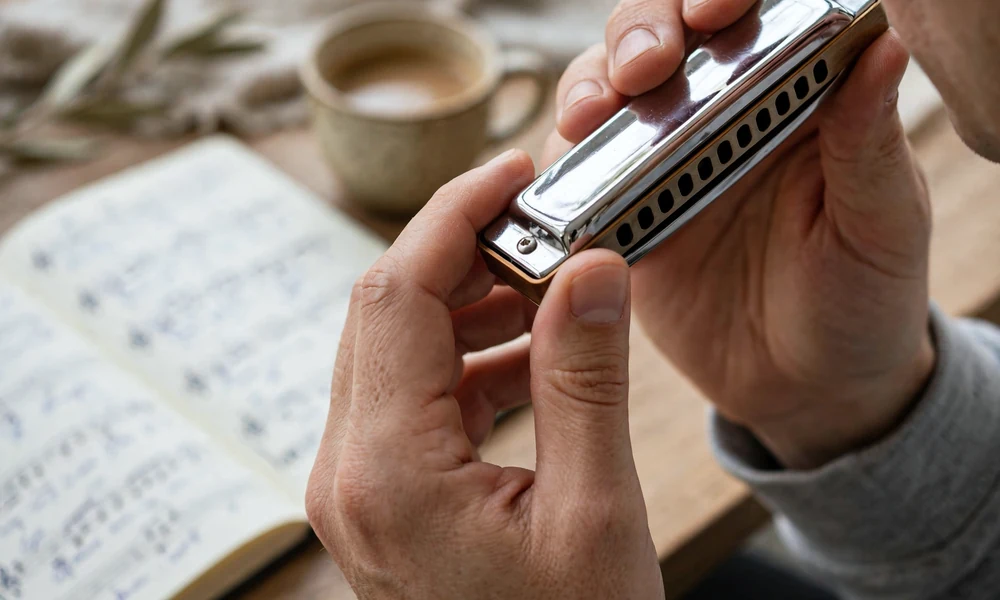
A harmonica is a small instrument that fits in a pocket, yet it can carry a whole song. It is the sound of blues clubs, folk songs, country trains and campfire evenings, and it is one of the few instruments a complete beginner can pick up and play a tune on within an hour. A bad harmonica is leaky, out of tune and hard to blow, while a good one is airtight, sweet sounding and easy to play. The best harmonicas of 2026 are the ones that make playing feel easy, whether you are learning your first notes or bending notes on stage.
What Makes a Harmonica Good
The first thing to judge is the airtightness. A harmonica only sounds good if the air you blow goes through the reeds and not around them, and the best harmonicas have a tight seal between the comb, the reed plates and the covers. A leaky harmonica feels weak, sounds thin and takes twice the breath to play, while an airtight one responds to a gentle breath and gives a full, warm tone. Airtightness is the first test, and it is easy to feel: play a single note softly and see if it speaks clearly without extra effort.
The second thing is the tuning. A harmonica is tuned at the factory, and a well tuned one plays every note in tune across its whole range. A poorly tuned harmonica has notes that sound sharp or flat, and no amount of practice will fix them. The best harmonicas are tuned carefully and checked before they leave the factory, so every hole sounds right. Tuning matters most for beginners, because a beginner who hears wrong notes will think the fault is theirs, when it is the instrument.
The third thing is the comfort of the mouthpiece and the covers. A harmonica is held against the lips for a long time, so sharp edges, rough metal or a mouthpiece that pinches will make playing unpleasant. The best harmonicas have smooth, rounded covers and a mouthpiece that feels comfortable against the mouth. Comfort is worth paying for, because a harmonica that hurts to play is a harmonica that stays in the drawer.
The Main Types of Harmonica
Diatonic harmonicas are the classic choice. They play in one key, they are small, simple and cheap, and they are the best choice for most people, because they are the harmonica of the blues, folk and country music. The trade-off is the range: a diatonic harmonica only plays the notes of one key easily, so playing in another key needs another harmonica or a technique called bending. For most players, a diatonic harmonica in the key of C is the one to buy first.
Chromatic harmonicas are the versatile option. They have a button on the side that slides a bar across the reeds, giving every note of the chromatic scale, so one chromatic harmonica can play in any key. They are the best choice for jazz, classical music and players who want to play melodies that a diatonic cannot reach. The downside is the size and the price: a chromatic harmonica is bigger, heavier and more expensive, and the button adds a moving part that needs care. For a player who wants to play any melody, a chromatic harmonica is the one that works.
Tremolo harmonicas are the sweet sounding option. They have two reeds per note, tuned slightly apart, which gives a shimmering, wavering sound that suits folk tunes and melodies. They are popular in Asia and in folk music, and they are the best choice for someone who loves that warm, trembling tone. They suit slow melodies, and they are the most charming option. The downside is the technique: tremolo harmonicas do not bend notes the way a diatonic does, so they are less suited to blues. For a player who loves folk melodies, a tremolo harmonica is the one to choose.
Choosing the Right Key
Most beginners should start with a harmonica in the key of C. It is the standard teaching key, most lessons and songs are written for it, and it sits in a comfortable middle range that is neither too high nor too low. A harmonica in C is easy to find, easy to afford and easy to learn on. Once the basics are comfortable, the next keys to add are G and A, which are the most common keys in blues and folk music, and D, which suits many country songs. Buying one harmonica in C first and adding keys later is cheaper than buying a full set at once, and it lets the player learn what they actually need.

Combs, Reeds and Covers
The comb is the middle of the harmonica, the part with the channels the air travels through, and it affects the sound more than most players expect. Wooden combs give a warm, traditional tone and are the classic choice, but they can swell if they get wet and need care. Plastic combs are stable, easy to clean and do not swell, and they are the best choice for a beginner. Metal combs give a bright, loud sound and are very durable, but they can feel cold against the lips. The best harmonicas have a comb that is smooth, sealed and comfortable, whatever it is made of.
The reeds are the thin metal tongues that vibrate to make the sound, and their quality decides how easily the harmonica plays. Good reeds respond to a soft breath, bend smoothly and stay in tune for years. Cheap reeds are stiff, need hard blowing and go out of tune quickly. The best harmonicas use brass or phosphor bronze reeds that are carefully tuned and riveted, so they last. A harmonica with good reeds is a harmonica that rewards practice, because every breath gives a clean note.
Harmonicas for Beginners
A beginner needs a harmonica that is forgiving. That means airtight, in tune, and easy to play, with reeds that speak on a gentle breath. A beginner does not need the most expensive harmonica, but a very cheap one is a false economy: a harmonica that leaks and plays out of tune will convince a new player that they have no talent, when the real problem is the instrument. A good beginner harmonica costs a little more than the cheapest, but it pays for itself in the first week, because it makes learning pleasant instead of frustrating.
A beginner should also look for a harmonica that comes with a case and some learning material. A hard case protects the harmonica in a pocket or a bag, and a simple guide or online lesson helps the first notes come quickly. The best beginner harmonicas are sold as a complete starter: the harmonica, a case, and a way to learn. That is the package that turns a present into a hobby.
Harmonicas for Blues and Beyond
Blues is the home of the diatonic harmonica, and the blues sound depends on bending notes. Bending is the technique of changing the pitch of a note by changing the shape of the mouth, and it is what gives the harmonica its crying, wailing voice. A harmonica that bends well has airtight reeds and a comb that seals tightly, so the player can control the pitch with small changes in breath. The best blues harmonicas are built for bending, and they are the ones that experienced players reach for.
A harmonica also pairs well with other instruments. A player who strums a guitar can add a harmonica on a neck rack and play both at once, which is the classic one person band sound of folk and blues. The guitar gives the rhythm and the chords, while the harmonica gives the melody and the feeling. That combination is one of the simplest ways to make a full sound with two small instruments, and it is why so many guitar players keep a harmonica in their pocket.
The harmonica also sits well beside a keyboard. A player who practices with a keyboard can use it to check tuning, learn scales and work out melodies, and the keyboard gives a steady reference that helps the ear. Playing harmonica over a keyboard backing is a good way to practice, because the keyboard holds the chords while the harmonica explores the melody. That partnership makes practice musical from the very first session.
Care, Cleaning and Storage
A harmonica needs simple care. After playing, tap it gently against the palm to shake out moisture, and let it dry before putting it away. Moisture left inside can rust the reeds and swell a wooden comb, so a few seconds of drying after each session adds years to the life of the instrument.
Cleaning is simple too. Wipe the outside with a soft, dry cloth, and clean the mouthpiece with a cloth that is barely damp. Never soak a harmonica in water, and never use harsh cleaners, because both can damage the reeds and the comb.

What to Avoid
The first thing to avoid is a harmonica that is too cheap. A harmonica that costs less than a meal is almost always leaky, badly tuned and hard to play, and it will put a beginner off the instrument. A good harmonica does not have to be expensive, but it does have to be made by a maker who checks the tuning and seals the comb. Spending a little more at the start saves money later, because a good harmonica does not need replacing after a month.
The second thing to avoid is buying a full set of keys before learning one. A set of twelve harmonicas looks impressive, but a beginner will use one or two of them, and the rest will sit unused. One good harmonica in C, played every day, teaches more than a dozen harmonicas that are never touched. Buy the next key when the music asks for it, not before.
Harmonicas and Other Wind Instruments
The harmonica is the smallest wind instrument, and it shares its family with the trumpet, the clarinet and the flute. Each of these instruments makes its sound with breath, but each asks for a different skill. The trumpet needs strong lips and a lot of breath, while the harmonica needs a gentle breath and a good ear. A player who enjoys the harmonica may find the trumpet appealing too, and a guide to the best trumpets is a good place to start for anyone curious about a louder, brassier wind instrument.
The Verdict
The best harmonica is the one that plays easily, sounds sweet and gets picked up every day. For most people, that is a good diatonic harmonica in the key of C, with an airtight plastic or sealed wooden comb, well tuned reeds and smooth, comfortable covers. It is cheap enough to buy without worry, good enough to learn on properly, and sturdy enough to last for years. A player who wants to play jazz or classical melodies should look at a chromatic, and a player who loves folk tunes should try a tremolo, but the diatonic in C is where the journey starts.
Buy one good harmonica, keep it clean and dry, and play it a little every day. Learn a simple tune, then another, and let the bending come when the ear is ready. The harmonica rewards patience, and it gives back far more than its size suggests. The best harmonicas of 2026 are the ones that make that journey easy, and the right one is waiting in a pocket, ready to play.