A stove is the centre of the kitchen. It is where breakfast happens before the day starts, where dinner simmers while the family gathers, and where a roast comes out golden on a cold evening. A good stove makes all of that feel easy: it heats evenly, holds a steady simmer, and responds the moment the heat is turned up or down. A bad stove burns one side of the pan while the other stays cold, takes forever to boil water, and turns everyday cooking into a guessing game. The best stoves of 2026 are the ones that make cooking simpler, faster and more enjoyable, day after day.

What Makes a Stove Good
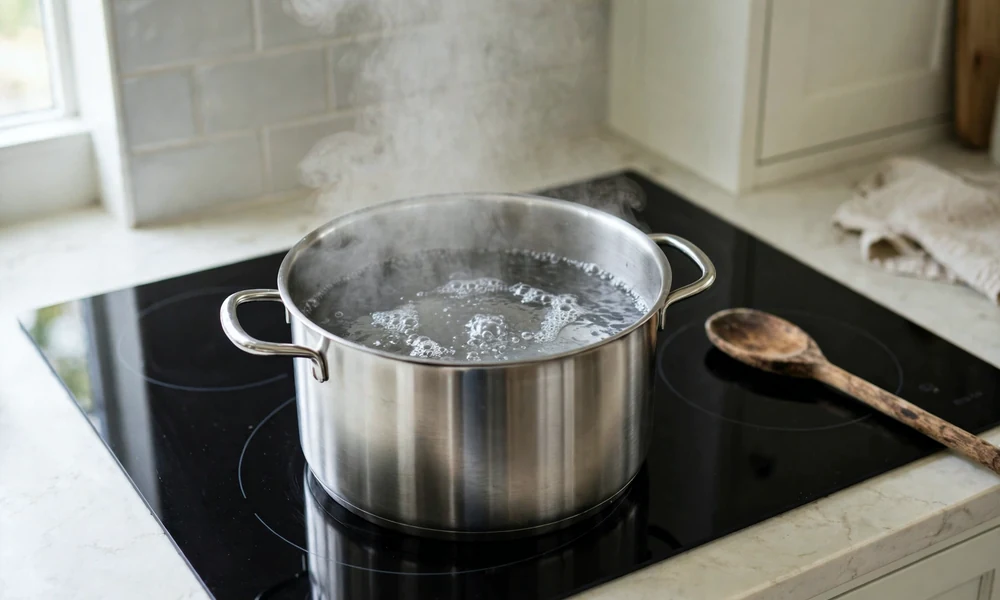
The first thing to judge is how evenly it heats. A stove is only useful if every burner and every corner of the oven delivers the same heat, and the best stoves have burners that spread the flame or the element right across the base of the pan, and ovens with fans that keep the temperature steady. A stove that scorches in one spot and undercooks in another is a stove that fights the cook, and a stove that fights the cook is worse than no stove at all. Even heat is the first test, and it is easy to feel: put a pan of water on to boil and watch whether it bubbles evenly, or bake a tray of biscuits and see whether they brown the same all over.
The second thing is control. A stove is used every day, often several times a day, so a stove that jumps from a gentle simmer to a fierce boil with one small turn of the knob will not be trusted. The best stoves have burners that go genuinely low for sauces and stocks, and genuinely high for searing and stir-frying, with a smooth range in between. Control is worth paying for, because it is what makes the difference between a sauce that splits and a sauce that shines, and between a stir-fry that sizzles and one that steams.
The Main Types of Stove
Gas stoves are the classic choice. They have an open flame that can be seen and adjusted instantly, they work with any pan, and they are the best choice for cooks who like to feel the heat change the moment they turn the knob. The trade-off is the cleaning: a gas hob has grates and burners to lift and wipe, and it will never be as quick to clean as a flat surface. For a cook who wants instant control, a gas stove is the one to buy.
Electric stoves are the steady option. They have smooth coil or ceramic hobs, they are simple to use, and they are the best choice for a kitchen where gas is not available or not wanted. The downside is the response: an electric element takes time to heat up and time to cool down, so the heat does not change the moment the knob is turned. For a straightforward family kitchen, an electric stove is the one that works.
Induction stoves are the fast option. They heat the pan itself with a magnetic field, they boil water in about half the time of gas, and they are the best choice for a cook who wants speed and safety, because the surface itself barely gets hot. The trade-off is the pans: an induction stove needs magnetic pans, so an old aluminium set will not work. For a cook who wants the fastest, safest heat, an induction stove is the one to buy.
Dual-fuel stoves are the flexible option. They pair a gas hob with an electric oven, they give the instant control of gas on top with the even, steady heat of electric below, and they are the best choice for a serious cook who wants the best of both. The downside is the price and the fitting: a dual-fuel stove costs more and needs both a gas supply and a suitable electric connection. For a cook who wants everything, a dual-fuel stove is the one that matters.
Freestanding stoves are the practical option. They stand on their own between the worktops, they can be moved when the kitchen changes, and they are the best choice for a rented home or a kitchen that is not being rebuilt. The trade-off is the look: a freestanding stove will never sit as flush as a built-in range. For most kitchens, a freestanding stove is the one to buy.
How to Choose the Right Stove
Start with the kitchen, not the stove. A kitchen with a gas supply can take a gas or dual-fuel stove, while a kitchen without gas must take electric or induction, and a kitchen with limited wiring may need an electrician before a powerful induction model can be fitted. Match the stove to the kitchen first, and the rest of the choice becomes easy. Buying the prettiest stove available and hoping it fits is the fastest way to end up with a stove that cannot be installed.
Then check the practical details. Measure the space before buying, because a stove that is too wide will not fit, while a stove that is too narrow will leave an awkward gap. Check the oven size: it needs to hold the biggest roasting tin, with room for air to move around it. Check the burners: there should be at least one big burner for fast boiling and one small burner for gentle simmering. And check the cleaning: a smooth hob wipes clean in seconds, while a gas hob takes longer but rewards the effort. A stove that fails any of these tests will be a daily problem.
The Best Stoves of 2026
The best gas stove for most people this year is a sturdy freestanding model with a powerful wok burner, a gentle simmer burner, and an oven that holds its temperature. It fits in most kitchens, it responds instantly, and it is the stove for a cook who likes to feel the heat. For most cooks, this is the stove to buy.
The best induction stove of 2026 is a model with a fast boost function, a bridge zone for big pans, and a surface that wipes clean in seconds. It suits a busy household, it is the stove for a family that wants dinner on the table quickly, and it is the one that makes boiling water feel effortless. It needs magnetic pans, but the speed is worth the change. For a cook who wants the fastest heat, this is the stove that works.
The best dual-fuel stove is a model with a gas hob on top and a fan-assisted electric oven below, built for a cook who bakes as much as they fry. It costs more than a simple stove, but the even oven and the instant hob are worth it. For a cook who wants everything, this is the stove to buy.
The best budget stove of 2026 is a simple freestanding electric model, at a price that is less than a weekend away. It is steady, it is easy to clean, and it is genuinely useful. It will not have a bridge zone or a wok burner, and it will not be the fastest stove in the kitchen, but for a first stove, or for a rented home, it is all that is needed. Cheap does not have to mean useless, and this stove proves it.

What Else You Need
A stove works best with a little help. A good range hood above the stove will pull smoke, steam and cooking smells out fast, and a set of pans that suit the hob will make the heat work properly. And a air fryer beside the stove will handle the quick jobs, so the oven stays free for the big ones. For the days when cooking moves outside, a camping stove takes the same simple pleasure of cooking over a flame into the open air. The stove is the centre; the hood, the pans and the air fryer are what make the kitchen work.
Common Mistakes to Avoid
The biggest mistake is buying a stove that does not fit the kitchen. A stove that is too wide will not go in, and a stove that needs gas in a kitchen without a gas supply will cost a fortune to fit. Measure the space and check the supplies before buying, and buy a stove that fits with room to spare. The second mistake is choosing a hob that does not suit the pans: an induction stove with the wrong pans will not heat at all, and a gas stove with warped pans will wobble. The third mistake is never cleaning the oven: a stove that is never cleaned will smoke, and a smoky oven is an oven that should not be used. Clean the stove regularly, and it will last for years.
Another common mistake is choosing a stove for its looks rather than its heat. A pretty stove that burns one side of the pan is a bad stove, however nice it looks. Choose the stove for its even heat first, and let the looks follow. And do not forget the oven: a stove with a small oven will not hold the roasting tin, so check the oven size before buying, and buy a stove that fits the way the household actually cooks.
How Stoves Fit a Better Kitchen
A stove is the simplest way to make a kitchen better. It gives the household a place to cook, it turns raw ingredients into dinner, and it does it without anyone thinking about it. A kitchen with a good stove is a kitchen where cooking is a pleasure rather than a chore, and a kitchen where cooking is a pleasure is a kitchen that gets used. The stove is not exciting, but it is essential, and a good one is the kind of thing that is only noticed when it is missing.
The habit also pairs naturally with a little routine. A quick wipe of the hob after each meal, a clean of the oven once a month, and a check of the burners once a year will keep the stove working and the kitchen safe. It is a small amount of work for a large amount of peace of mind, and it is the kind of routine that, once started, is hard to give up.
The Verdict
The best stove of 2026 is the one that matches the kitchen and the cook. For most people that means a sturdy freestanding stove with even heat and a burner for every job. For a cook who wants speed, an induction stove is the better choice. For a cook who wants the best of both, a dual-fuel stove is the one that matters. Whatever the choice, measure the space first, check the supplies, and test the heat before the stove is used every day. A stove chosen this way will not just sit in the kitchen; it will make cooking easier, the food better, and the kitchen a better place. And that is worth more than any burner on a hob.