A Guide to the Best Home Alarm Systems in 2026
The best home alarm systems notice a break-in fast, make enough noise to send an intruder back out, and tell you on your phone before you reach the front door. An alarm does not stop a determined burglar on its own, but a good one buys time, and time turns a break-in into a failed attempt. The wrong system cries wolf so often that you switch it off, or costs so much a month that you cancel the monitoring that made it useful.
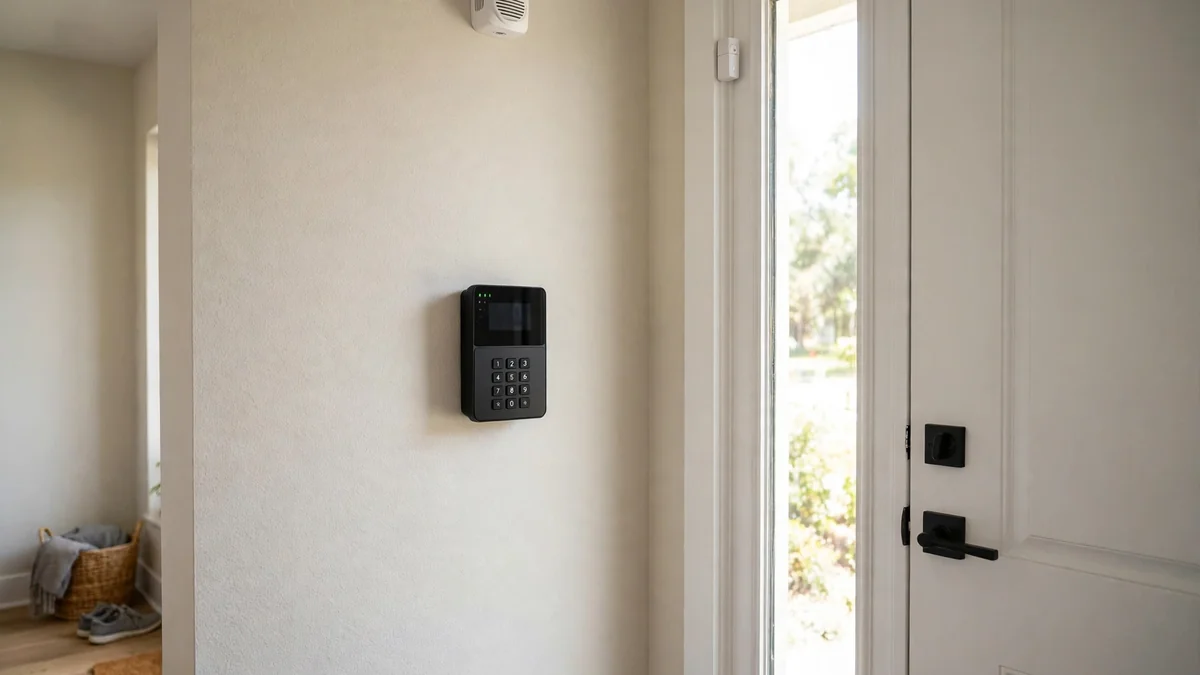
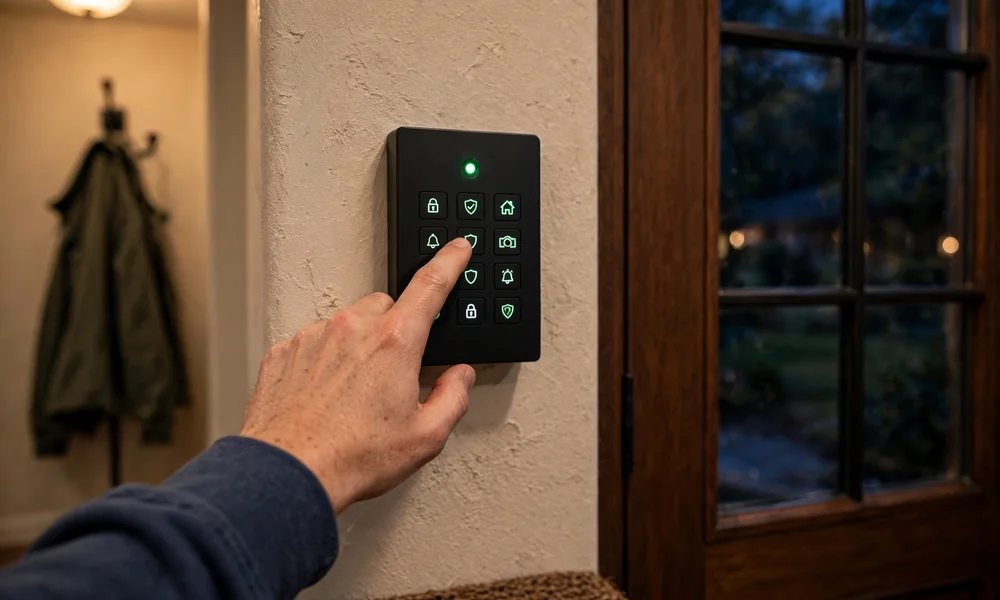
Most people buy an alarm after a scare: a neighbour’s house broken into, or a noise at two in the morning that turned out to be nothing. A home alarm system is a small set of parts working together: sensors on the doors and windows, a motion sensor in the rooms that matter, a loud siren, a keypad to arm it, and a control panel that ties it together.
Key Takeaways
- The best home alarm systems combine door and window sensors, a motion sensor, and a loud siren, not just one of the three.
- A system that false-alarms will be switched off, so pet-friendly sensors and a sensible entry delay matter more than extra features.
- Monitored systems call you and the police; self-monitored systems only call you, and only if your phone is on and charged.
- Wireless systems suit renters and finished homes, while wired systems suit a permanent install in a house you own.
- Count the three-year cost, not the box price: monitoring, batteries, and extra sensors add up fast.
How We Judged the Best Home Alarm Systems
We judged every system on five things: detection, siren volume, false alarms in a normal week, ease of daily use, and its real three-year cost. A system earned its place by doing the ordinary jobs well, not by packing in the most sensors.
Detection came first: sensors that report the instant a door moves, and sirens loud enough to hear from the street. False alarms came next, because an alarm that fires at the cat will be switched off within a week, and a switched-off alarm protects nothing.
Home Alarm Systems 2026 at a Glance
No single alarm suits every home. Find yours below.
| Best for | System type | Monitoring | Standout strength |
|---|---|---|---|
| Best overall | Wireless hub kit | Self or monitored | Easy install, covers a whole home |
| Best for renters | Stick-on wireless kit | Self-monitored | No holes, no wiring, moves with you |
| Best monitored | Professionally monitored kit | 24-hour monitoring centre | Someone answers even when you cannot |
| Best for flats | Compact wireless kit | Self-monitored | Small, quiet, covers one door and one room |
| Best for large homes | Wired panel system | Monitored | Many zones, no batteries, no dropouts |
| Best on a budget | Basic DIY alarm kit | Self-monitored | Loud siren and door sensors, no monthly fee |
What a Home Alarm System Actually Does
An alarm system is not a camera, and treating it like one is the commonest mistake buyers make. A camera records what happened, while an alarm tries to stop it happening: a sensor notices a door opening, the panel checks whether the system is armed, and the siren sounds while your phone lights up. The whole chain takes seconds, and a slow sensor, a quiet siren, or a slow app all break it.
The parts matter more than the brand. A door sensor guards the entry point, a motion sensor guards the space behind it, and the siren is what makes an intruder leave. A system with all three, even a cheap one, beats an expensive system with only one. Our guide to the best door sensors of 2026 covers the small contact sensors in detail, and our guide to the best motion sensors of 2026 covers the room watchers that pair with them.
The Best Home Alarm Systems of 2026
1. Best overall: the wireless hub kit
This is the system to buy if you only buy one. A small hub near the router, two or three door sensors, one motion sensor, a keypad, and a loud siren cover most homes, and the kit installs in an afternoon with no drilling. The hub talks to every sensor, sounds the siren, and sends the alert to your phone, even if the internet goes down. Choose a kit that lets you add sensors one at a time.
2. Best for renters: the stick-on wireless kit
Renters need an alarm that leaves no holes and moves house in a box. A stick-on kit fixes every sensor with adhesive tape, runs for years on a battery, and peels off cleanly when you move. It is self-monitored, so there is no contract to break and no monthly fee for a flat you may leave in a year. Check the battery type: a common cell is cheaper to run.
3. Best monitored: the professionally monitored kit
A monitored system is the one to buy if you travel, sleep heavily, or want someone else awake when the alarm sounds. When a sensor fires, a monitoring centre calls you, and if you do not answer, it calls the police, so the alarm works even when your phone is silent or flat. The monthly fee is the real cost, so read the contract first: check its length, the price after year one, and what happens if you cancel.

4. Best for flats: the compact wireless kit
A flat has one front door, one or two rooms that matter, and neighbours on every side, so it needs a small alarm, not a big one. A compact kit with a door sensor, a motion sensor, and an indoor siren is the right size. Set the entry delay generously, because the walk to the keypad in a small flat is only a few steps.
5. Best for large homes: the wired panel system
A large house with many doors, a garage, and a garden office needs a system that does not depend on batteries or wireless range. A wired panel system runs a cable to every sensor, so nothing needs a battery change and nothing drops off the network, and it can split the house into zones, so the ground floor arms while the bedrooms stay off. It costs more and needs a professional to fit it, but it is the only system here that will still be working, unchanged, in ten years.
6. Best on a budget: the basic DIY alarm kit
A basic kit with a siren and two door sensors is the cheapest alarm that is still an alarm, and for a small home on a tight budget, it is far better than nothing. There is no monthly fee, no app, and no hub: the sensors talk straight to the siren. What you give up is the phone call, so it only helps if someone is home to hear it, and it suits a flat or a small house, not a large one. Pair it with a camera if you want to see what set it off: our guide to the best security cameras of 2026 covers the ones that work without a subscription.
Monitored or Self-Monitored: Which Fits You?
Monitored means a centre watches your alarm around the clock and calls you, then the police, when it sounds. Self-monitored means the alarm calls only you, and what happens next is up to you. The difference is not the hardware: many kits offer both. The difference is the monthly fee, and whether you answer an unknown number at three in the morning.
Choose monitored if you travel, live alone, or sleep through your phone. Choose self-monitored if you are usually home and your neighbours are close. Either way, test the alert first: arm the system, open a door, and check that your phone lights up within seconds. If it takes a minute, or never comes, the system is not protecting you.
Mistakes That Leave a Home Unprotected
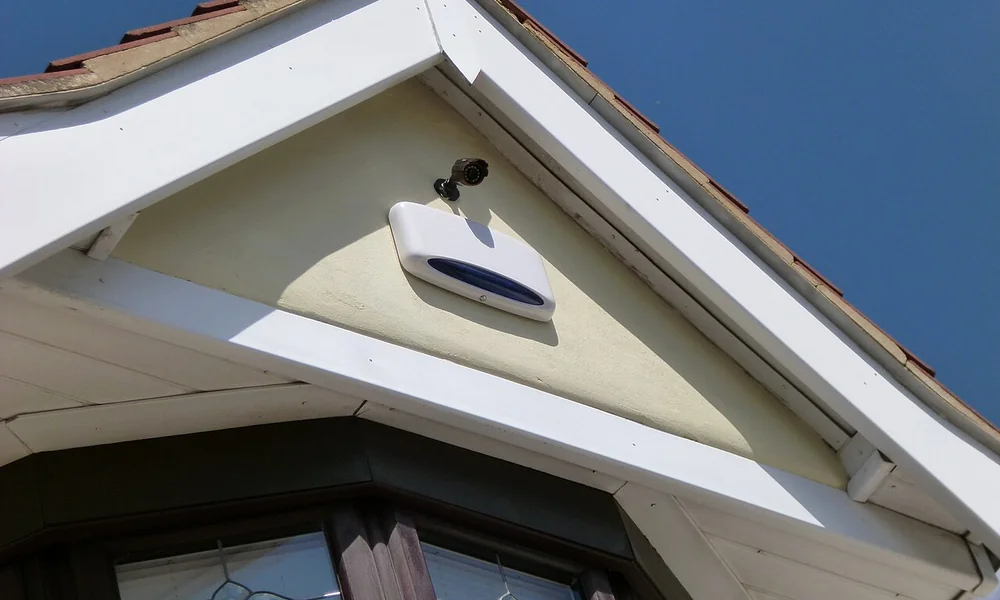
The first mistake is buying sensors and never fitting them. A kit in a cupboard protects nothing, and the back door that never got its sensor is the one an intruder tries first. Fit every sensor on the day the kit arrives, starting with the doors, then the ground-floor windows. The second mistake is a siren nobody can hear. Put it high on an outside wall, where it is hard to reach and easy to hear, and test it once a month.
The third mistake is an entry delay that is too short. If you have thirty seconds to reach the keypad and need forty, you will false-alarm every evening, and a system that false-alarms gets switched off. Set the delay to fit your walk from the door. The fourth mistake is forgetting the batteries: a sensor with a dead battery is a hole in the wall, so check for battery warnings every month.
Home Alarm Checklist: Before You Buy
- Count your entry points: every door and ground-floor window needs a sensor.
- Check the siren: loud enough to hear from the street, mounted high where it cannot be reached.
- Test the phone alert: arm the system, open a door, and check your phone lights up in seconds.
- Read the monitoring contract: length, price after year one, and cancellation terms.
- Check battery life: sensors should last years on a common cell and warn you before they die.
- Plan the routine: a keypad by the door you use, a delay that fits your walk, and a code every adult knows.
Frequently Asked Questions
Do I need a monitored alarm, or is self-monitored enough?
It depends on how often you are home. If you travel or sleep heavily, monitored is worth the fee, because a centre answers even when you cannot. If you are usually home, self-monitored is enough, and the money is better spent on extra sensors.
Will my pets set off a motion sensor?
They can, if the sensor is not pet-friendly. A pet-friendly sensor ignores movement below a set height and weight, so a cat will not fire it, but a large dog on the stairs still might. Mount it high, aim it across the room, and test it with the pet in the room first.
Can I install a home alarm system myself?
Yes, for a wireless kit. Most install in an afternoon, and the app walks you through each sensor. A wired system needs cables run through walls, and that is a job for a professional.
What happens if the power or internet goes out?
A good system keeps working. The hub has a backup battery, the sensors have their own, and the siren sounds even with no internet. What you lose is the phone alert, unless the system has a mobile backup.
How loud should an alarm siren be?
Loud enough to hear clearly from the street, usually over 100 decibels at the box. A quiet siren only annoys the household, while a loud one makes an intruder leave. Test it once, in the daytime, and warn the neighbours first.
Do alarm systems lower home insurance?
Sometimes. Some insurers offer a small discount for a fitted alarm, and a monitored system usually earns a bigger one than a DIY kit. Ask your insurer before you buy, and keep the receipt, because they will ask for it.
The Bottom Line
The best home alarm systems of 2026 fit the home and the household: a wireless hub kit for most houses, a stick-on kit for renters, a monitored kit for travellers, and a wired panel for large homes. Count the entry points, fit every sensor, test the alert, and keep the batteries fresh. An alarm armed every night beats an expensive one that is switched off.


