What Is a Humidity Sensor — and How Do You Choose One in 2026
A humidity sensor turns invisible moisture in the air into a number you can act on. You cannot see humidity, but you live with what it does: damp air leaves windows misted and a musty smell in the corners, while dry air leaves lips cracked, throats sore, and wooden floors gapped. A humidity sensor measures that moisture and reports it as relative humidity, a percentage that tells you whether the air is comfortable, safe, or quietly causing damage.
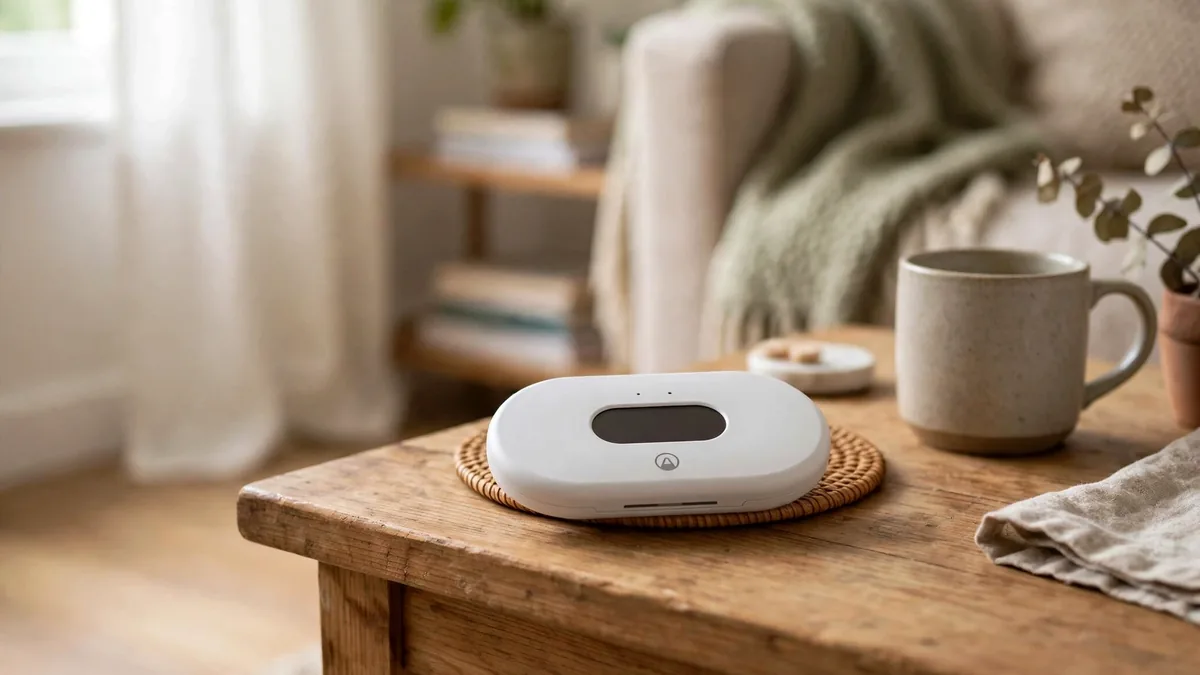
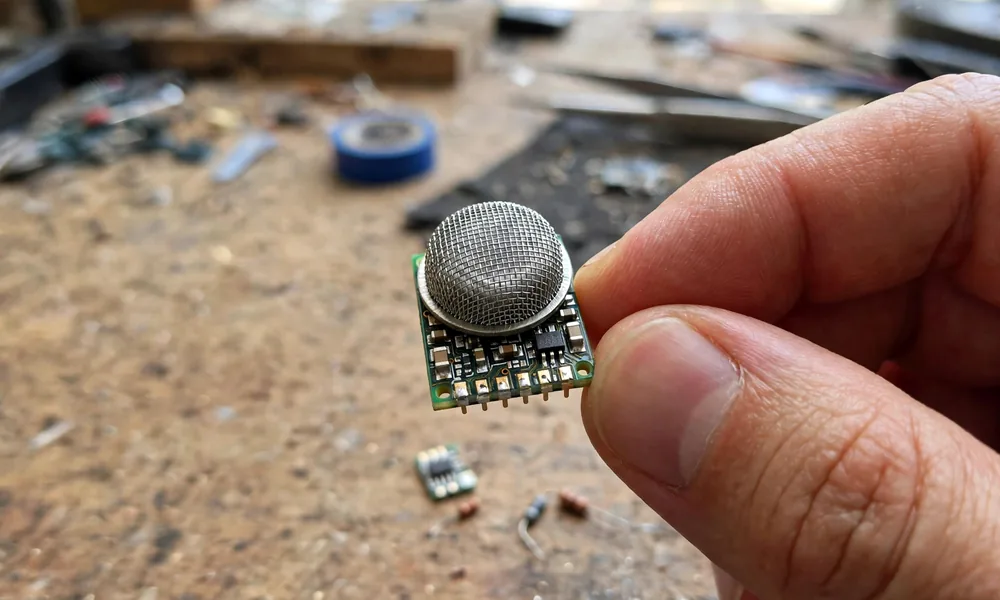
The sensor itself is usually tiny — a chip the size of a fingernail, a probe on a wire, or a white box on the wall. What matters is what sits inside it: the sensing element, the accuracy it holds over months of use, and how fast it notices change. The best humidity sensors in 2026 are cheap and honest; the worst look identical and quietly lie. This guide explains how the main types work, what the specifications mean, and how to choose one.
Key Takeaways
- A humidity sensor measures relative humidity: the moisture in the air as a percentage of the most the air can hold at that temperature.
- Aim for 40 to 60 percent indoors. Below 30 percent the air is too dry; above 60 percent damp and mould get a foothold.
- Capacitive sensors are the best buy for most homes: accurate to about 2 to 3 percent, fast, and cheap enough to put in every room.
- Placement decides whether the reading is true. Keep the sensor at breathing height, away from radiators, windows, and steamy bathrooms.
- A sensor measures the air; it does not fix it. Use the reading to decide when to ventilate, humidify, or dehumidify.
What a Humidity Sensor Actually Measures
A humidity sensor measures relative humidity, the water vapour in the air as a percentage of the most the air could hold at its current temperature. Warm air holds more moisture than cold air, so the same vapour gives a lower reading on a warm day — which is why nearly every humidity sensor also measures temperature.
At 45 percent, most people feel comfortable, wood stays stable, and mould struggles to grow. Below 30 percent, the air pulls moisture out of skin, throats, and wooden floors. Above 60 percent, mould grows on cold surfaces and dust mites thrive in bedding. A humidity sensor does not measure dust or carbon dioxide, and it does not change the air: it tells you the number, and you decide what to do about it. If you want a finished display device rather than a sensor, our guide to the best hygrometers of 2026 covers the ready-made instruments.
The Main Types of Humidity Sensor
Every humidity sensor falls into one of a few families, and the family decides its accuracy, its speed, and how long it stays honest.
Capacitive humidity sensors
Capacitive sensors are the best choice for most homes in 2026. They use a thin layer of polymer between two electrodes. As the polymer absorbs moisture, its ability to store an electrical charge changes, and the sensor turns that change into a humidity reading. A good capacitive sensor is accurate to within 2 to 3 percent, responds within seconds, and costs very little. Most combined temperature and humidity chips in smart-home devices use this type. Their weakness is slow drift: after a year or two in a damp room, the polymer ages and the reading creeps, so buy one you can recalibrate or cheaply replace.
Resistive humidity sensors
Resistive sensors work the other way round: a moisture-absorbing material changes its electrical resistance as humidity rises and falls. They are simple, rugged, and cheap, and they have been used in humidifiers, dehumidifiers, and ventilation controls for decades. They are slower than capacitive sensors and less accurate, typically within 3 to 5 percent, and they struggle in very dry air. They suit appliances and control systems where roughly right is enough, and the little sensor near a dehumidifier’s air intake is very often a resistive one.
Smart and combined sensors
Most sensors sold for homes in 2026 are combined units: a humidity element and a temperature element on one chip, with a radio that sends readings to a phone or a smart-home hub. The sensor itself is usually capacitive, so what you are paying for is the record and the alerts, not a better reading. That record is genuinely useful: you can see how humidity rose overnight in a bedroom, or how a greenhouse dried out on a sunny afternoon. The catch is upkeep: the sensor works only as long as the app and the batteries are maintained, and one that needs a subscription to show its own readings is a poor buy. A basic display sensor, with no radio at all, is the most reliable arrangement there is.
Humidity Sensors Compared
| Type | Accuracy | Speed | Best for | Watch out for |
|---|---|---|---|---|
| Capacitive | Within 2 to 3 percent | Seconds | Most homes, best overall value | Slow drift after a year or two |
| Resistive | Within 3 to 5 percent | Tens of seconds | Appliances, ventilation controls | Weak in very dry air |
| Smart combined | Within 2 to 3 percent | Seconds | History, alerts, nurseries | App and battery upkeep |
What the Specifications Really Mean
Accuracy is the headline number, quoted as a percentage of relative humidity with a plus-or-minus sign. A sensor accurate to plus or minus 2 percent is honest enough for any home decision; one quoted at plus or minus 5 percent is a rough guide. Be wary of numbers quoted without a range: a sensor can be accurate at 50 percent and several points out at 90 percent, where it matters most for mould. Response time is how long the sensor takes to notice a change — a capacitive sensor reacts within seconds, which matters in a bathroom after a shower. Drift is the quiet failure: the reading creeps a little further from the truth every month, so a sensor that read true in January reads three points high by December.
Where Humidity Sensors Earn Their Keep
In the home, one sensor in the bedroom and one in the bathroom answer most questions. The bedroom reading tells you whether dry winter air is behind a sore throat; the bathroom reading tells you whether the extractor fan is actually clearing steam. A sensor in a basement or a cold spare room catches damp before it becomes mould — the cheapest use of a sensor there is.
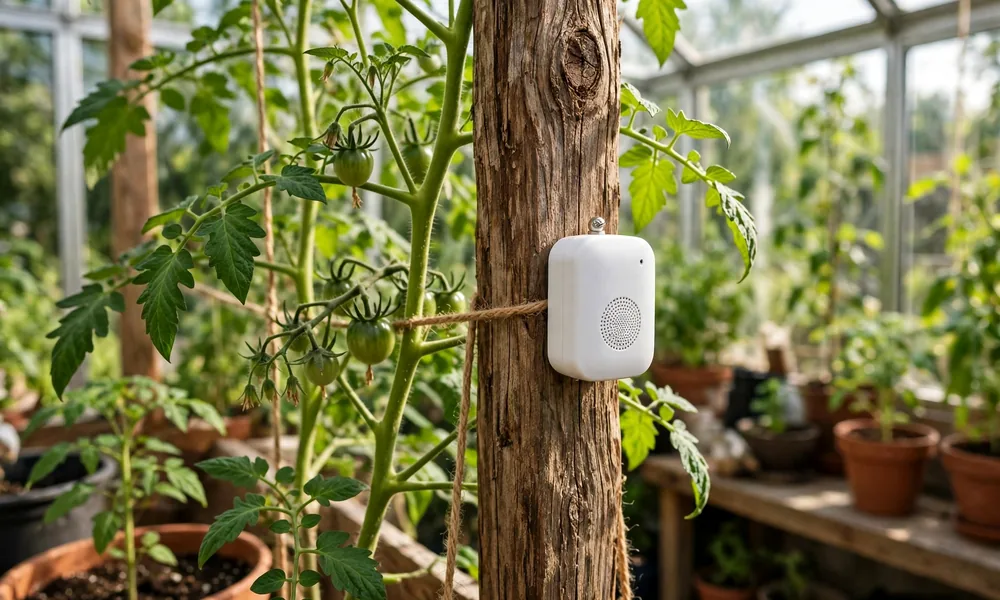
In a greenhouse, a humidity sensor is as important as a thermometer: a closed greenhouse on a sunny day can swing from dry to dripping in an hour, and a sensor that triggers vents or a fan at 70 percent keeps leaves dry and fungal disease at bay. The same logic applies to storage: guitars, cigars, camera gear, and wine all suffer when humidity swings. Humidity is only one part of indoor air, though, and if you also worry about dust, carbon dioxide, or fumes, our guide to the best air quality monitors of 2026 explains which sensors are worth paying for in a combined monitor.
Placement and Calibration
Placement matters more than price: a sensor measures the air around itself, so in the wrong spot it will faithfully report the wrong air. Put it at breathing height, in the middle of the room rather than a corner — a shelf or bedside table about a metre off the floor is usually right. Keep it away from radiators, sunny windows, exterior doors, and steamy bathrooms, which all create small pockets of hot, cold, damp, or dry air. Give a new sensor a day or two to settle before trusting it.
Cheap sensors can drift, and the salt test checks one: put a teaspoon of damp salt in a small cap, place it with your sensor inside a sealed bag for six hours, and the sensor should read between 72 and 78 percent, because damp salt holds the air at 75 percent. If yours reads 65 or 85, it has drifted and needs recalibrating or replacing.
What to Look For When You Buy
Start with the use. For a bedroom or living room, buy a combined temperature and humidity sensor with a clear display and an accuracy of plus or minus 3 percent or better. For a greenhouse or basement, buy one with a probe on a wire, so the display stays readable while the sensor sits where the air needs measuring.
Outdoor readings come from a different kind of device: a garden sensor must survive rain, sun, and frost, and it usually lives inside a small white shielded housing with vents. Our guide to the best weather stations of 2026 covers stations whose outdoor sensor measures humidity alongside temperature, wind, and rain. For indoor use, avoid sensors with no stated accuracy, sensors that only show a smiley face instead of a number, and any sensor whose app is the only way to see the reading.
Buying Checklist
- Check the accuracy: plus or minus 3 percent or better, quoted across the range you need.
- Choose capacitive for the home and resistive only inside appliances.
- Make sure the sensor also measures temperature, because a humidity reading alone is half the story.
- Put it at breathing height, away from radiators, windows, and steamy bathrooms, and give it a day to settle.
- Run the salt test once a year: damp salt should read 75 percent, within a few points.
- Check the display works on its own and any app history needs no subscription.
Frequently Asked Questions
What is a humidity sensor?
A humidity sensor measures the moisture in the air and reports it as relative humidity, a percentage of the most moisture the air can hold at that temperature. Most home sensors also measure temperature, because the two readings only make sense together.
What humidity level should a sensor show indoors?
Aim for 40 to 60 percent. Below 30 percent the air is too dry and causes sore throats, static, and gaps in wood. Above 60 percent damp and mould get a foothold, so ventilate first and use a dehumidifier if the damp persists.
How accurate are cheap humidity sensors?
A decent capacitive sensor is accurate to within 2 to 3 percent and costs very little. The cheapest unbranded sensors can be five points out or worse, and they drift with age. Check any new sensor with the salt test: it should read 75 percent.
Where should I put a humidity sensor?
At breathing height, about a metre off the floor, in the middle of the room rather than a corner. Keep it away from radiators, sunny windows, exterior doors, and steamy bathrooms, and give it a day to settle.
Do I need a smart humidity sensor?
Only if you will use the history and alerts. A smart sensor shows how humidity moved overnight and can warn you when a room passes a threshold. If you only want to glance at the number, a basic display sensor does the same job for less money.
How long does a humidity sensor last?
Most capacitive sensors stay accurate for one to three years, then drift slowly. A sensor that can be recalibrated lasts longer; a cheap sealed one is best replaced when the salt test shows it more than a few points off 75 percent.

The Bottom Line
The best humidity sensor for most homes in 2026 is a capacitive one, accurate to within 2 to 3 percent, that also measures temperature and shows both numbers on a clear display. Put one in the bedroom and one in the bathroom, keep them at breathing height away from heat and steam, and check them once a year with the salt test. A sensor does not fix damp or dry air, but it turns a vague worry into a number — and a number lets you act at the right moment instead of guessing.