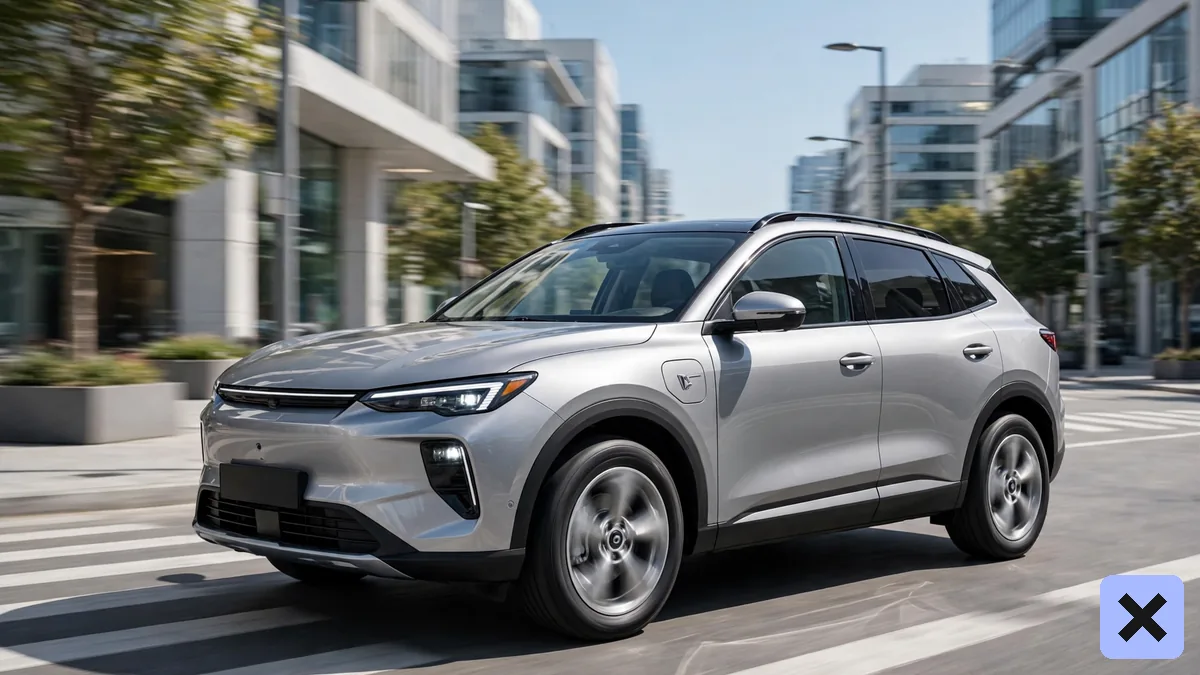
The best hybrid cars for commuting 2026 make the daily drive cheaper, quieter, and far less stressful than it used to be. A modern hybrid sips fuel in stop-and-go traffic, glides silently through neighbourhood streets on electric power, and still has a petrol engine ready for the motorway stretch. For anyone driving the same route five days a week, that combination is hard to beat.
Commuting is where hybrids earn their keep. Unlike a long motorway cruise, the daily drive is full of traffic lights, roundabouts, queues, and slow crawls — exactly the conditions where a hybrid recovers energy through braking and leans on its electric motor. The result is real-world fuel economy that petrol-only cars struggle to match, with no charger needed.
This guide ranks the strongest hybrid commuters on sale in 2026, from compact hatchbacks to family SUVs. Every pick was judged on the things that matter most to a daily driver: real fuel economy, comfort in traffic, running costs, reliability, and how easy the car is to live with day after day.
Key takeaways
- Hybrids save the most fuel in stop-and-go traffic, where regenerative braking and electric driving do the heavy lifting.
- The Toyota Prius leads the class with around 57 mpg combined, but cheaper options like the Corolla Hybrid come close for far less money.
- Comfort matters as much as economy: quiet cabins, supportive seats, and good driver assistance tech make a long commute bearable.
- A plug-in hybrid only beats a regular hybrid if you can charge at home or at work most nights.
- Buy on total running costs, not the sticker price — fuel, insurance, servicing, and depreciation together decide the real winner.
Why Hybrids Win the Daily Commute
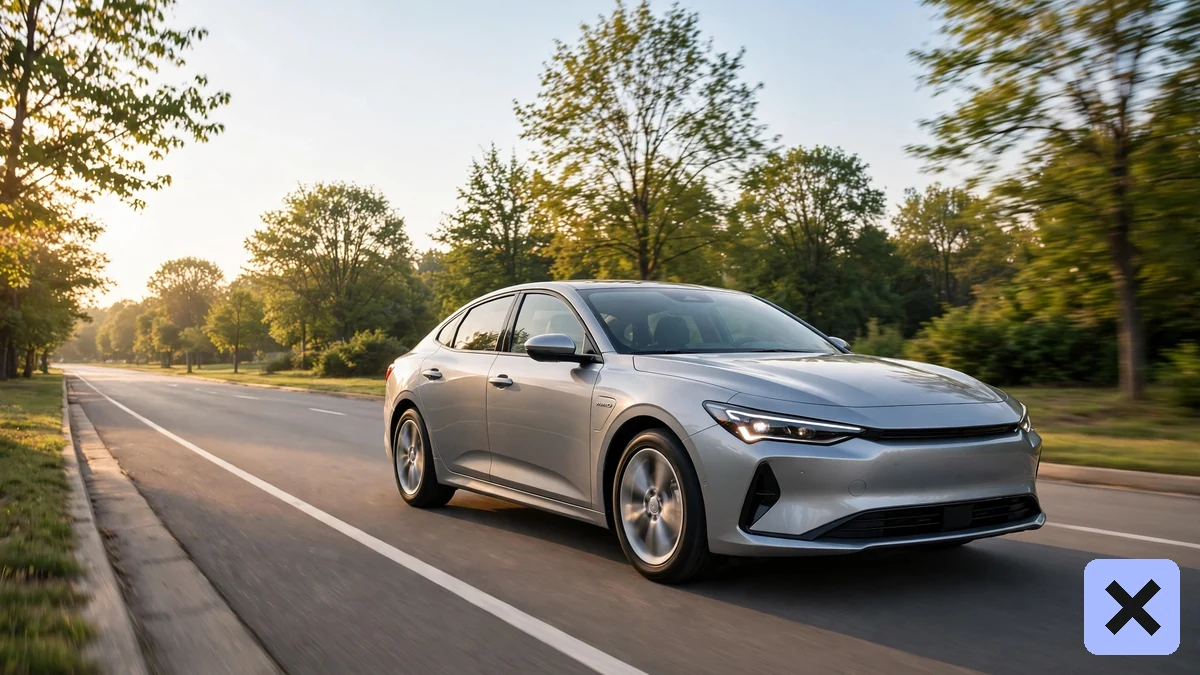
A commute is rarely a smooth, steady drive. It is a sequence of short bursts, braking, idling, and crawling — and that pattern punishes a conventional petrol engine. Every time you brake, a normal car turns speed into wasted heat. A hybrid captures much of that energy, stores it in a small battery, and uses it to pull away again without burning fuel.
The savings add up quickly. A commuter covering 12,000 miles a year in a car that returns 50 mpg instead of 35 mpg saves roughly 100 gallons of fuel annually. That is several hundred back in your pocket every year, before you count lower brake wear and road tax.
There is also the question of calm. Hybrids are quiet at low speed, often moving off silently in electric mode, and the best ones keep road and wind noise well suppressed at motorway speeds.
The Best Hybrid Cars for Commuting 2026
The cars below are ranked for commuting first and everything else second. A brilliant sports car that drinks fuel in traffic has no place here. Each of these five earns its spot through a blend of economy, comfort, and dependability that suits the daily grind.
1. Toyota Prius
The Prius remains the benchmark hybrid commuter, and the current generation is the best one yet. With combined economy of around 57 mpg, it stretches a tank further than almost anything else on the road, and its sleek shape finally looks as good as its engineering. The cabin is quiet, the seats are comfortable over long distances, and Toyota’s safety suite comes as standard.
The hybrid system switches between petrol and electric power so smoothly that most drivers never notice the handover, and in heavy traffic it runs on electricity alone for long stretches. If your commute mixes town driving with faster roads, the Prius is the car to beat.
2. Toyota Corolla Hybrid
The Corolla Hybrid delivers most of the Prius experience for considerably less money, which is why it is the smart buy for so many commuters. Economy of around 50 mpg combined is excellent, the ride is supple over broken town roads, and Toyota’s reputation for reliability means it should handle high annual mileage without complaint.
Inside, the Corolla is straightforward and well built, with physical controls for the heating and ventilation that are easy to use without taking your eyes off the road. For a balance of price, economy, and peace of mind, the Corolla Hybrid is hard to fault.
3. Honda Civic Hybrid
The Civic Hybrid is the driver’s choice among commuter hybrids. Its hybrid system is punchy and refined, economy sits at around 49 mpg combined, and the chassis is the most engaging in this group. That matters more than it sounds: a car that is enjoyable to drive makes the same daily route feel less like a chore.
Practicality is strong too. The Civic has generous rear legroom, a large boot, and a cabin that feels a class above its price. If you want a commuter car that still puts a smile on your face on a Friday evening, start here.
4. Hyundai Elantra Hybrid
The Elantra Hybrid is the value pick of this list. With economy of around 54 mpg combined, it is one of the most frugal cars here, yet it undercuts its Japanese rivals on price and comes with a long warranty that covers the hybrid battery for years. For a commuter who wants low costs and zero fuss, that is a compelling package.
Standard equipment is generous, with a large touchscreen, wireless phone connectivity, and a full set of safety aids included on most versions. It may not have the badge prestige of a Toyota or Honda, but on the daily drive it gives nothing away.
5. Toyota RAV4 Hybrid
Not every commuter wants a low saloon or hatchback. The RAV4 Hybrid is the answer for drivers who prefer a higher driving position, need more space, or face rough roads and winter weather. Economy of around 40 mpg combined is remarkable for a family SUV of this size, and the raised seating position makes traffic easier to read.
The boot swallows luggage and pushchairs with ease, rear passengers get generous legroom, and all-wheel drive is available for slippery conditions. Anyone weighing the SUV route should also compare the wider family options in our guide to electric vs hybrid SUVs for families before deciding.
Hybrid Commuter Comparison
The table below puts the key numbers side by side. Figures are combined estimates; real results vary with route and driving style.
| Model | Combined Economy | Body Style | Best For |
|---|---|---|---|
| Toyota Prius | Around 57 mpg | Hatchback | Maximum economy |
| Toyota Corolla Hybrid | Around 50 mpg | Saloon / hatchback | Best all-round value |
| Honda Civic Hybrid | Around 49 mpg | Hatchback | Driving enjoyment |
| Hyundai Elantra Hybrid | Around 54 mpg | Saloon | Lowest running costs |
| Toyota RAV4 Hybrid | Around 40 mpg | SUV | Space and versatility |
What Matters Most in a Commuter Hybrid
Choosing a commuter car is different from choosing a weekend car. The priorities shift from outright performance to the small things that add up over hundreds of hours behind the wheel each year.
Real Fuel Economy, Not Just the Brochure Figure
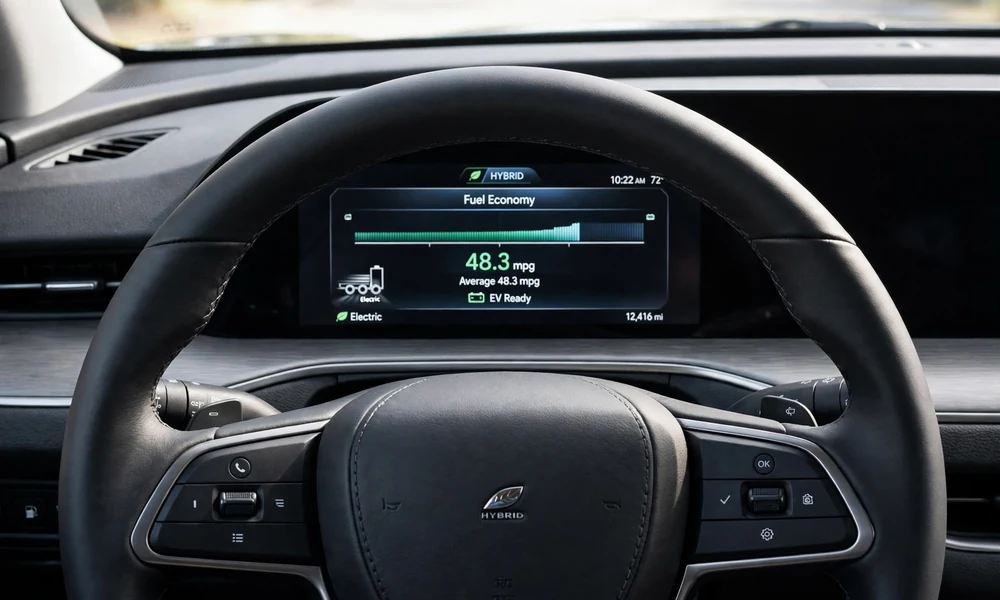
Official economy figures are useful for comparison, but your commute decides the real number. Short trips in cold weather hurt economy because the engine must warm up, while steady town driving with lots of braking helps a hybrid shine. A car that returns 50 mpg on a mixed commute is doing well; anything above that is excellent.
Comfort and Noise Levels
Spend ten minutes in a car on a test drive and you learn something, but the truth emerges after an hour in traffic. Supportive seats, a good driving position, and a quiet cabin matter enormously when you drive the same route daily.
Driver Assistance That Actually Helps
Adaptive cruise control is the single most valuable feature for a commuter. It holds your speed and distance in traffic, taking the sting out of the morning queue. Lane-keeping assistance and blind-spot monitoring are close behind.
Reliability and Servicing Costs
A commuter car racks up miles fast, so reliability is not optional. Hybrids have a strong record here: the electric motor reduces strain on the engine and brakes, and hybrid batteries are generally covered by long warranties. The best sedans for commuting 2026 roundup covers more options if a saloon suits your route better than a hatchback or SUV.
City Commuting vs Motorway Commuting
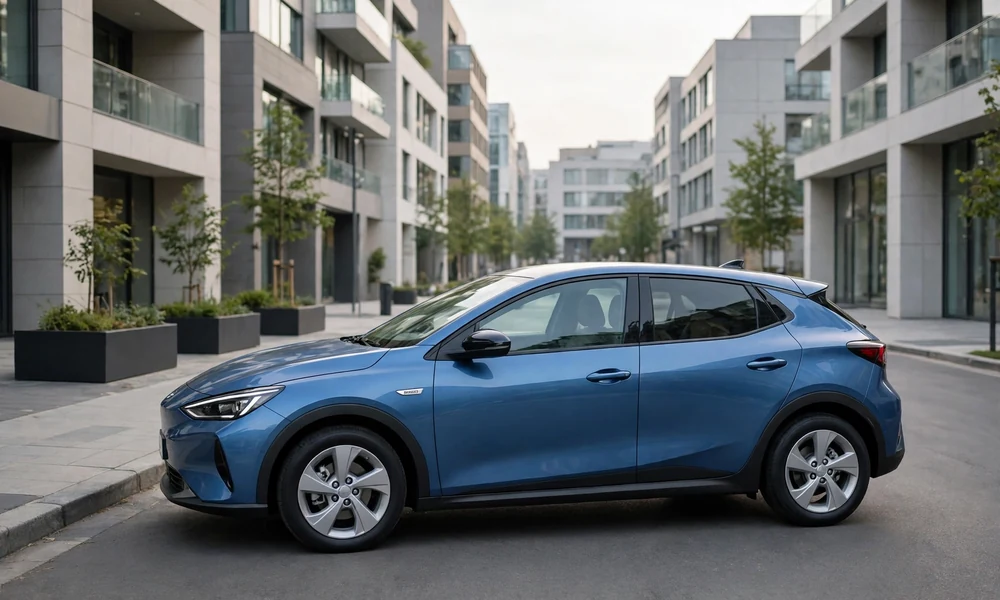
The ideal hybrid depends on where you drive. A city commute with constant stopping and starting is a hybrid’s natural habitat, and almost any model on this list will excel.
A motorway-heavy commute is a different test. At a steady 70 mph, the petrol engine does most of the work and the hybrid advantage narrows, though it never disappears. Aerodynamics, cabin quietness, and seat comfort become more important than outright economy. If your route is mostly fast roads, compare body styles carefully in our sedan vs SUV daily driving comparison before you choose.
Running Costs Beyond Fuel
Fuel is the headline saving, but the full picture includes insurance, servicing, tyres, and depreciation.
Insurance can vary more than expected between models, so get quotes before you buy — a cheaper car can cost more to insure if repair costs are high. Add up the total over three years, not just the monthly payment, and the cheapest car to own is not always the cheapest car to buy.
Commuter Hybrid Checklist
Use this checklist on every test drive and before you sign anything.
- Drive your actual commute route, not just a loop around the dealer, and note the real fuel economy.
- Check seat comfort after at least 30 minutes, with the driving position set exactly as you would use it.
- Test adaptive cruise control and lane assistance in real traffic, not on an empty road.
- Confirm the hybrid battery warranty length and what it covers.
- Get insurance quotes for your top two choices before negotiating a price.
- Compare total three-year running costs, including fuel, servicing, tyres, and expected depreciation.
Frequently Asked Questions
Are hybrid cars good for commuting?
Yes. Hybrids are at their best in the stop-and-go conditions of a typical commute, where regenerative braking recovers energy and the electric motor handles low-speed driving. Most commuters see a large fuel saving compared with a petrol-only car.
Do hybrids save fuel on the motorway?
They do, but less dramatically than in town. At steady motorway speeds the petrol engine does most of the work, so the advantage over an efficient petrol or diesel car narrows. A hybrid still wins overall for a mixed commute.
How long do hybrid batteries last?
Most hybrid batteries last the life of the car, and manufacturers typically cover them for eight to ten years. Battery failure is rare, and a well-maintained hybrid with high mileage is generally nothing to fear.
Is a plug-in hybrid better than a regular hybrid for commuting?
Only if you can charge regularly. A plug-in hybrid can cover a short commute on electricity alone, but if you rarely plug in, you are carrying a heavy battery for no benefit. For most commuters without home charging, a regular hybrid is the simpler choice.
Are hybrid cars expensive to service?
Servicing costs are broadly similar to petrol cars, and often lower over time because brakes last longer. Servicing must be done by a garage familiar with hybrid systems, but that is now most mainstream garages.
Which hybrid is best for a long commute?
For a long daily drive, prioritise comfort and quietness alongside economy. The Toyota Prius and Honda Civic Hybrid are the strongest all-rounders, while the RAV4 Hybrid suits drivers who want space and a higher driving position.
The Bottom Line
The best hybrid cars for commuting 2026 prove that the daily drive does not have to be expensive or exhausting. The Toyota Prius leads on economy, the Corolla Hybrid leads on value, the Civic Hybrid leads on enjoyment, the Elantra Hybrid leads on low costs, and the RAV4 Hybrid leads on space. Match the car to your route, and the right hybrid will pay you back every working day.