
A good ice pack is one of those things you never think about until you need it — and then you need it badly. Whether it is a lunchbox that has to stay cold until noon, a knee that needs twenty minutes of ice after a run, or a cooler full of food for a weekend away, the reusable ice pack does the quiet work of keeping things cold, safe and comfortable. The best ice packs of 2026 are tougher, colder for longer and easier to live with than the leaky, floppy packs of a few years ago. We compared the leading reusable gel packs, hard blocks and soft wraps to find the ones that freeze solid, stay flexible, hold their cold and survive being dropped, sat on and stuffed into a crowded freezer.
What Makes a Great Ice Pack?
Cold retention. This is the headline number: how long a pack stays cold enough to matter. The best gel packs hold a useful chill for six to eight hours in an insulated bag; the best hard blocks can go twelve hours or more in a good cooler. Cold retention depends on the gel formula, the size of the pack and how well insulated the container is, so treat any single number as a guide rather than a promise.
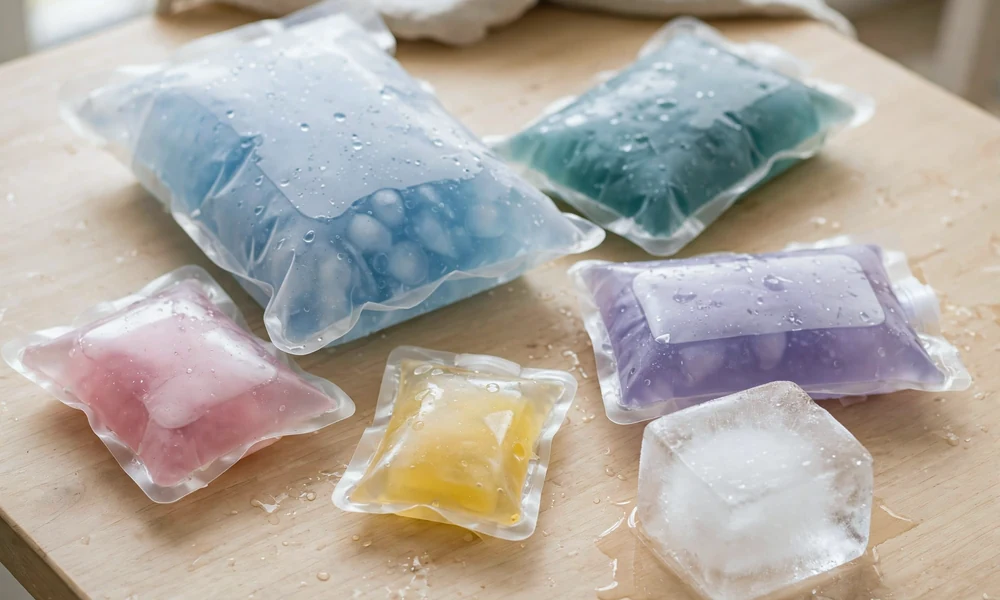
Flexibility when frozen. A gel pack that freezes into a rigid brick is fine for the bottom of a cooler, but it is hopeless wrapped around a shoulder. The best soft packs stay pliable straight from the freezer, moulding to the shape of a bottle, a lunchbox or a sore joint. Look for packs that advertise staying flexible at freezer temperatures.
Durability and leak-proofing. An ice pack that splits open is worse than no ice pack at all — gel everywhere, food ruined, freezer a mess. The best packs use thick, puncture-resistant plastic, welded seams and a non-toxic fill, so a leak is an annoyance rather than a hazard. Hard blocks should have a solid cap or a welded seal; soft packs should have reinforced edges.
Size and shape. Ice packs come in every size from a slim lunchbox flat to a brick the size of a house brick. A flat, thin pack slides neatly beside a sandwich; a chunky block anchors the bottom of a cooler. Measure your lunchbox or cooler before you buy, and remember that two medium packs often cool more evenly than one big one.
The Best Ice Packs of 2026
1. Yeti Ice — Best Overall
Yeti’s hard ice blocks are the benchmark everything else gets measured against. They freeze harder and last longer than almost any rival, holding a cooler cold for a full day and beyond. The impact-resistant shell shrugs off drops and knocks, the shape stacks neatly, and the fill is non-toxic. They are heavy and they take a long time to freeze — plan on a full day in the freezer — but if you want the coldest, longest-lasting pack you can buy, this is it. Best for coolers, camping and long car journeys.
2. Arctic Ice Tundra Series — Best for Coolers
Arctic Ice’s Tundra packs are the serious cooler user’s choice. They come in a range of sizes, freeze at a lower temperature than standard gel packs, and hold their cold for an impressively long time — comfortably a full day in a well-insulated cooler. The hard shell is tough, the cap is secure, and the packs fit neatly alongside food and drinks. They are not flexible, so they are not for injuries, but for keeping a cooler cold they are outstanding.
3. Cooler Shock Reusable Ice Packs — Best Value
Cooler Shock packs are the value pick that punches well above its price. These soft gel packs freeze colder than most rivals — down to around minus fifteen degrees — and stay flexible enough to wrap around bottles and containers. They are slim, so they fit easily into lunchboxes and small coolers, and a pack of several costs very little. The trade-off is durability: they are not as tough as a hard block, so treat them gently and they will last for years.
4. Healthy Packers Ice Packs — Best for Lunchboxes
Healthy Packers makes the slim, flat gel packs that lunchbox users love. They are thin enough to slide beside a sandwich without stealing space, freeze quickly, and stay cold for the four to six hours a school or work lunch needs. The packs are BPA-free and food-safe, and they are small enough that a couple of them in rotation cover the whole week. They will not keep a cooler cold all day, but that is not their job.
5. FlexiFreeze Ice Sheets — Best Flexible Pack
FlexiFreeze sheets are a clever idea done well: a sheet of small connected gel cells that can be cut to size and stays flexible when frozen. You can wrap a sheet around a bottle, lay it flat under a casserole dish, or cut it down to fit a lunchbox exactly. The cells freeze quickly and the sheet moulds to whatever it touches, which makes it unusually versatile. It is not the longest-lasting pack on this list, but for flexibility nothing else comes close.
6. Engel Cooler Dry Box Ice Packs — Best Hard Block
Engel’s hard ice packs are built like the coolers they are designed for: tough, heavy and seriously cold. They hold their temperature for a very long time, the shell is practically indestructible, and they stack well. They are heavier than most rivals and need a long freeze, but for boat trips, fishing and long days outdoors they are hard to beat. If you already own an Engel cooler, these are the natural match.
7. TheraPearl Hot & Cold Packs — Best for Injuries
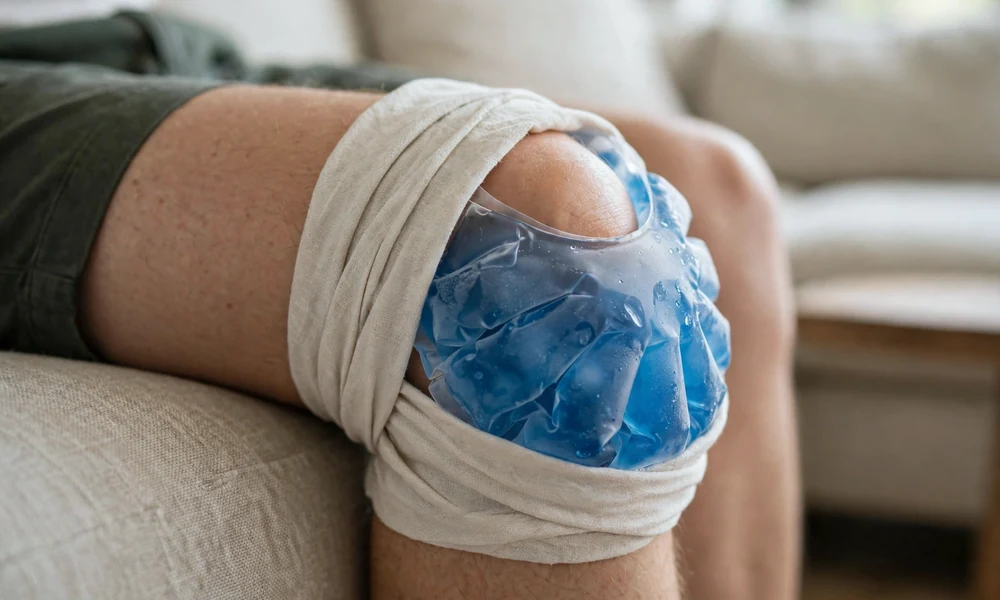
When the job is icing a sore knee, a swollen ankle or a bumped elbow, TheraPearl packs are the ones to reach for. The gel pearls inside stay flexible even when frozen solid, so the pack moulds to the joint instead of sitting on top of it like a brick. They can also be heated in the microwave for warm therapy, which makes them a two-in-one for anyone with a recurring ache. They are not designed for food or coolers — this is a first-aid pack, and a very good one.
For a well-stocked home, it is worth keeping a couple of these alongside your cooler packs, so you are ready for the everyday knocks that come with an active life. A basic first-aid kit is the natural companion — see our guide to the best first aid kits of 2026 for what else belongs in the cupboard.
8. Igloo MaxCold Ice Blocks — Best Budget Hard Pack
Igloo’s MaxCold blocks are the budget answer to the premium hard blocks. They are solid, reliable and cold for a long time, at a fraction of the price of the top-end names. The shell is sturdy, the fill is non-toxic, and they come in sizes to suit everything from a small personal cooler to a big family one. They are not quite as long-lasting as the most expensive blocks, but for the price the performance is excellent.
9. Fit & Fresh Cool Coolers Ice Packs — Best Slim Pack
Fit & Fresh packs are the slim, lightweight option for people who carry lunch every day. They are thin, light and quick to freeze, and they slide into a lunch bag without adding bulk or weight. The gel stays cold for the working day, and the packs are durable enough to survive daily use. They are a simple, well-made product at a fair price, and they do exactly what they promise with no fuss.
10. Coleman Chillers Hard Ice Pack — Best All-Rounder
Coleman’s Chillers pack rounds out the list as a dependable all-rounder: a hard block that is affordable, widely available, tough enough for regular use and cold enough for a full day out. It is not the best at any single thing, but it is good at everything, which makes it the safe default if you just want one pack that works.

Ice Packs vs Ice Makers vs Cooler Bags: What’s the Difference?
It is easy to confuse the cold-keeping kit, so here is the quick version. Ice packs are reusable gel or hard blocks that you freeze and reuse — they are the cold source. An ice maker is an appliance that produces loose ice cubes on demand, which is great at home or in a bar but useless in a lunchbox. A cooler bag is the insulated container that holds the cold in; it needs ice packs inside it to do its job. The three work together: the bag insulates, the packs provide the cold, and the ice maker refills your ice at home.
If you are building out your cold-keeping setup from scratch, start with the packs and the bag, then add an ice maker if you entertain a lot or live somewhere hot. Our guide to the best ice makers of 2026 covers countertop and portable models, and our round-up of the best cooler bags of 2026 will help you find the right insulated bag to put your packs in.
How to Choose the Right Ice Pack
The right pack depends on what you are cooling, so start with the job and work backwards. For lunchboxes, go slim and flat: a thin gel pack that slides beside the food is ideal, and two small packs cool more evenly than one big one. For coolers and camping, go hard and heavy — a hard block holds its cold far longer than a soft gel pack. Buy two or three and freeze them for a full day before you leave. For injuries, go soft and flexible: a pack that moulds to the joint delivers cold where it is needed. Keep one in the freezer at all times, and always wrap it in a thin cloth before putting it on skin. For drinks, go flexible or sheet-style, so the pack wraps around bottles and chills them faster.
How to Get the Most From Your Ice Packs
A few habits make a real difference to how well your packs perform. Freeze them flat and fully — a half-frozen pack is a wasted pack. Keep them in the coldest part of the freezer, not the door, and give hard blocks a full twenty-four hours. Pre-chill your cooler or lunch bag before you load it, ideally overnight. Pack food and drinks already cold — an ice pack should maintain the cold, not create it. Fill empty space in a cooler, because air is the enemy of cold. And keep the lid closed: every opening lets warm air in and costs you cold.
Frequently Asked Questions
How long do ice packs take to freeze? Most gel packs need six to eight hours; hard blocks need twelve to twenty-four. Fast-freeze gels can be ready in four hours. Keep a rotation going so you always have a frozen spare.
The Bottom Line
The best ice pack is the one that matches the job: slim gel packs for lunchboxes, hard blocks for coolers and camping, flexible packs for injuries and drinks. Our overall winner is the Yeti Ice block for its unbeatable cold retention and toughness, with the Cooler Shock soft packs as the best value and the TheraPearl packs as the essential first-aid choice. Whichever you pick, keep a rotation frozen, pre-chill your cooler, and treat your packs well — a good ice pack is a small investment that pays for itself many times over in cold lunches, safe food and comfortable recoveries.


