
Finding the best kefir in 2026 is simpler than the crowded dairy aisle makes it look. Kefir has moved from a niche health-food curiosity to a mainstream fridge staple, and with that move has come a wave of bottles that look similar and taste very different. Some are thick, tangy and packed with live cultures. Others are thin, sweet and closer to a flavoured milk drink than a real ferment.
The best kefir is a fermented milk drink made with kefir grains, a community of bacteria and yeasts that turns ordinary milk into something tangier, lighter and easier to digest. A good bottle lists live cultures on the label, keeps added sugar low, and tastes pleasantly sour rather than dessert-sweet.
This guide compares the best kefir for 2026, from plain whole-milk kefir to goat kefir, flavoured bottles and fizzy water kefir, and explains the grains, strains and labels in plain language, so you can pick the bottle that fits your taste, your stomach and your budget.
Key Takeaways
- Plain, unsweetened milk kefir is the best starting point: the most live cultures, the least sugar, and the most flexible in the kitchen.
- Milk kefir and water kefir are different drinks: milk kefir is creamy, protein-rich and yogurty, while water kefir is light, fizzy and dairy-free.
- Look for the words live cultures on the label, and check the sugar: the best plain kefir has around 4 to 6 grams of natural sugar per 100 millilitres and no added sugar.
- Goat kefir is worth trying if cow milk bothers you, but it is not automatically healthier, and it usually costs more.
- Homemade kefir from grains is the cheapest option per glass and the most diverse in cultures, but it needs a daily two-minute routine.
What Is Kefir?
Kefir is a fermented drink made by adding kefir grains to milk or sweetened water and leaving the mixture to ferment at room temperature. The grains are not grains at all, but soft, cauliflower-like clusters of bacteria and yeasts held together in a natural matrix. As they feed on the sugars in the milk or water, they produce lactic acid, a little carbon dioxide and a range of compounds that give kefir its distinctive tangy flavour and its thickened texture.
The result is a drink that sits somewhere between milk and yogurt. Milk kefir is creamy and pourable, with a gentle sourness and a slight fizz on the tongue. It is rich in protein and calcium, and because much of the lactose is consumed during fermentation, many people who struggle with ordinary milk find kefir easier to digest.
Milk Kefir: The Classic
Milk kefir is the version most people mean when they say kefir. A typical glass contains around 8 to 10 grams of protein, a good dose of calcium and B vitamins, and a dozen or more strains of live bacteria and yeasts. It pours like thin drinking yogurt and works just as well in a glass on its own as it does poured over cereal or blended into a smoothie.
When you shop for milk kefir, the plain whole-milk version is the benchmark. It has the fullest flavour, the creamiest texture and the most honest label: milk and live cultures, nothing else. Low-fat versions are fine too, though they are thinner and a little sharper. Flavoured bottles, usually strawberry, mango or vanilla, are best treated as an occasional treat, because they often carry two or three times the sugar of the plain version for the same cultures.

Water Kefir: The Dairy-Free Alternative
Water kefir is made with a different set of grains, sometimes called tibicos, fermented in sugar water with dried fruit. The microbes eat most of the sugar, leaving a lightly sparkling, mildly sweet drink. It contains no dairy and very little protein, so it is not a nutritional substitute for milk kefir, but it is a refreshing fermented drink and a good option for anyone who avoids dairy.
Shop-bought water kefir usually comes flavoured with fruit juice or botanicals, and the quality varies widely. The best bottles list live cultures, keep sugar under 5 grams per 100 millilitres, and taste clean and lightly tart rather than syrupy. If a bottle tastes like flat lemonade, it is probably a flavoured water with a token ferment, and you are paying a premium for very little.
The Best Milk Kefir in 2026
The strongest milk kefirs share the same traits: live cultures named on the label, no added sugar in the plain version, a short ingredient list, and a flavour that is tangy without being harsh. Whole-milk kefir leads the pack for most people, because the fat carries the flavour and makes the drink feel satisfying. It is the best choice for breakfast, for cooking, and for anyone who wants kefir as a real food rather than a supplement in a bottle.
Low-fat kefir suits a lighter routine: thinner, sharper, and better in smoothies, though it can taste thin on its own. Goat kefir is the third main option, with a distinctive, slightly earthy flavour that some people digest more easily. It costs more, often a third more than cow milk kefir, and it is worth trying if cow milk leaves you bloated. If you want to compare fermented drinks more widely, our guide to the best kombucha of 2026 covers the other big fermented drink on the shelf.

The Best Water Kefir in 2026
Water kefir is judged differently from milk kefir: the test is flavour, fizz and honesty. Lemon and ginger is the classic flavour and the hardest to get wrong. The best bottles list live cultures, keep sugar under 5 grams per 100 millilitres, and taste clean and lightly tart rather than syrupy.
Best Kefir Compared
| Kefir Type | Taste and Texture | Protein per Glass | Sugar per 100ml | Best For |
|---|---|---|---|---|
| Plain whole-milk kefir | Thick, creamy, tangy | 8–10g | 4–6g | Everyday drinking, breakfast, cooking |
| Plain low-fat kefir | Thin, sharp, light | 8–9g | 4–6g | Smoothies, lighter routines |
| Goat milk kefir | Earthy, distinctive, creamy | 7–9g | 4–5g | People who struggle with cow milk |
| Flavoured milk kefir | Sweet, fruity, smooth | 7–9g | 9–12g | Occasional treat, children, beginners |
| Water kefir | Light, fizzy, tart | 0g | 2–5g | Dairy-free refreshment, fizzy drink swap |
| Homemade milk kefir | Tangy, variable, fresh | 8–10g | 4–6g | Daily drinkers, lowest cost, most cultures |
Why Kefir Is Good for You
Kefir earns its reputation honestly. The fermentation produces a diverse community of live bacteria and yeasts, often twelve strains or more in a traditional ferment, which is more variety than most yogurts offer. These microbes support digestion, help break down lactose, and contribute to a healthy gut community. Kefir is also a complete food in its own right: a glass of milk kefir gives you high-quality protein, calcium, phosphorus and B vitamins, including B12, in a form your body absorbs easily.
The lactose point deserves emphasis. During fermentation, the cultures consume much of the lactose in milk, which is why many people with mild lactose sensitivity tolerate kefir when ordinary milk gives them trouble. It is not lactose-free, so anyone with a diagnosed intolerance should still be careful. If you want the fuller picture on live cultures, our guide to the best probiotics of 2026 explains strains and doses in depth, though kefir is a food first and a supplement never.
How to Choose the Best Kefir
Start with the label. A good kefir lists milk and live cultures as the first and only ingredients in the plain version, and it names the cultures rather than hiding behind the word blend. Check the sugar per 100 millilitres rather than per serving, because serving sizes vary, and a bottle that quotes sugar per 250 millilitre serving can hide a sweetened product.
Then taste. Plain kefir should be pleasantly sour, like natural yogurt with a little sparkle, not mouth-puckeringly acidic and not bland. If it tastes vinegary, it is over-fermented or past its best.
How to Use Kefir Every Day
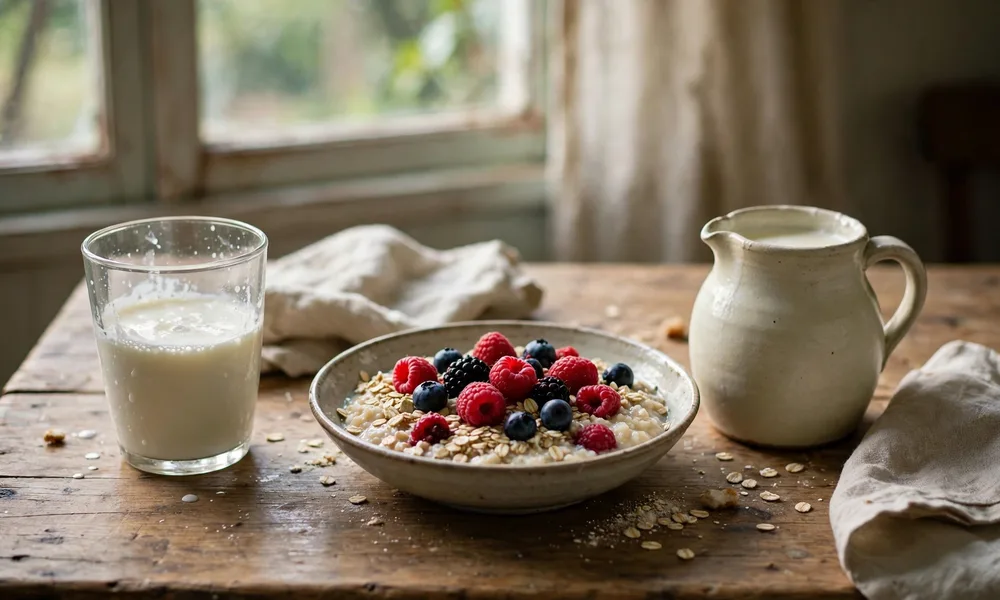
The easiest way to drink kefir is straight from the glass, ideally with breakfast, when its protein and tang pair naturally with oats, fruit or toast. A glass of plain kefir over muesli or porridge is a complete breakfast in itself, and it is far more satisfying than juice or a sweetened drink. Blended with a banana and a handful of berries, it makes a smoothie that actually keeps you full until lunch, without the sugar crash of a shop-bought smoothie.
Kefir is also a brilliant cooking ingredient. Use it in place of buttermilk in pancakes and soda bread, stir it into salad dressings instead of mayonnaise, or marinate chicken in it overnight. Avoid boiling it, because high heat kills the live cultures. For a warm, comforting drink on a cold evening, our guide to the best golden milk of 2026 covers the spiced milk drinks that pair well with a kefir habit.
Kefir Buying Checklist
- Choose plain, unsweetened milk kefir first, and treat flavoured bottles as an occasional extra.
- Check the label for live cultures, a short ingredient list, and sugar of 4 to 6 grams per 100 millilitres.
- Buy the smallest bottle when trying a new brand, and taste two or three brands before choosing a favourite.
- Check the use-by date and pick the freshest bottle, because cultures fade and flavour sharpens with age.
- Keep kefir refrigerated, finish it within a few days of opening, and shake the bottle gently before pouring.
- Consider homemade kefir from grains if you drink it daily, because it is cheaper and often more diverse in cultures.
Frequently Asked Questions
Is kefir better than yogurt?
Kefir and yogurt are cousins, not rivals. Kefir usually contains more strains of live bacteria and yeasts, is thinner and easier to drink, and has less lactose because it ferments longer. Yogurt is thicker, milder and better for spooning. Both are good foods, and the best choice is the one you enjoy enough to eat regularly.
Can I drink kefir every day?
Yes, a glass of plain kefir a day is a healthy habit for most adults. It provides protein, calcium and live cultures in a low-sugar package. Start with a small glass if you are new to fermented foods, and build up over a week to avoid temporary bloating.
Is kefir good for gut health?
Kefir supports gut health through its diverse live cultures, which help digestion and contribute to a healthy gut community. It is particularly useful for lactose digestion, because fermentation consumes much of the lactose in milk. It is a food that supports digestion, not a treatment for a gut condition.
What is the difference between milk kefir and water kefir?
Milk kefir is made by fermenting milk and is creamy, protein-rich and yogurty. Water kefir is made by fermenting sugar water and is light, fizzy and dairy-free, with no protein. They use different grains, taste different, and serve different purposes, so choose by what you want from the drink.
Does kefir need to be refrigerated?
Yes, kefir must be kept refrigerated, because it contains live cultures that keep fermenting at room temperature. An unopened bottle lasts until its use-by date in the fridge, and an opened bottle should be finished within a few days. At room temperature it will over-ferment and become very sour.
Is homemade kefir better than shop-bought kefir?
Homemade kefir from grains is usually more diverse in cultures and much cheaper per glass, but its flavour varies and it needs a daily two-minute routine. Shop-bought kefir is consistent, convenient and still a good source of live cultures. The best option is the one that fits your routine well enough to become a habit.
The Bottom Line
The best kefir in 2026 is the plain, unsweetened milk kefir with live cultures and a short label, bought fresh and drunk daily. Whole-milk kefir suits most people, goat kefir is worth trying if cow milk bothers you, and water kefir is the dairy-free, fizzy alternative. The bottle you enjoy enough to finish is always better than the perfect bottle you leave in the fridge.


