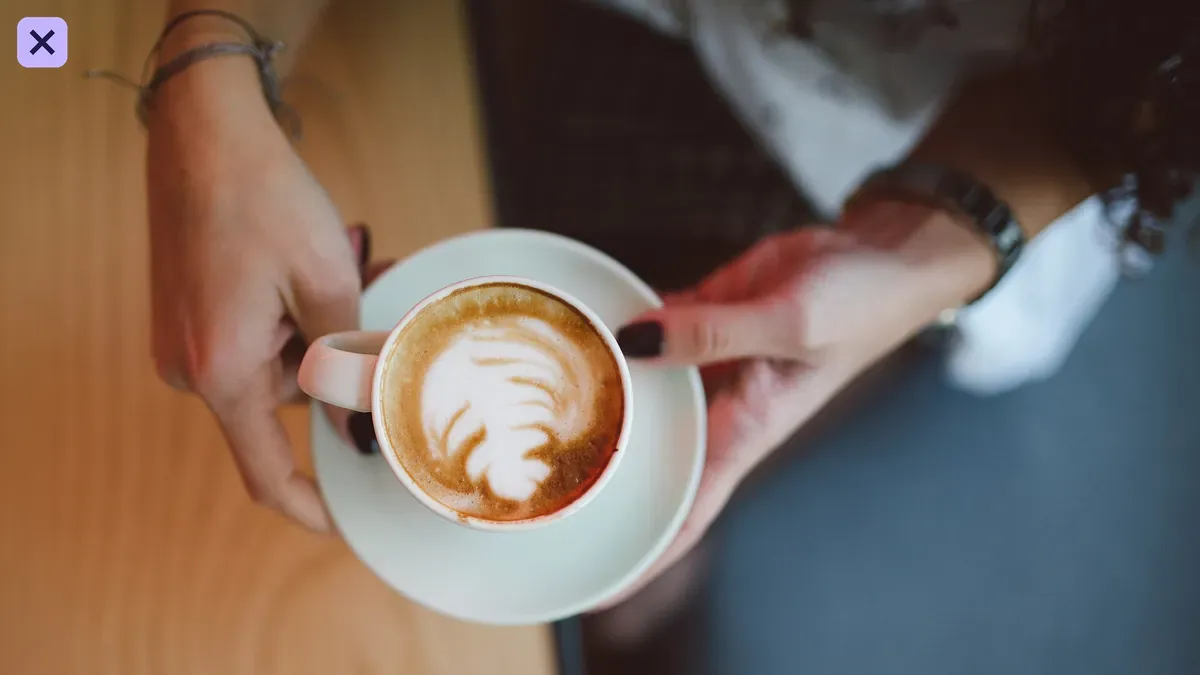
How to Choose Lattes That Actually Taste Like Coffee in 2026
A good latte should taste like coffee first and milk second. That sounds obvious, yet most lattes served in 2026 taste like warm milk with a vague brown hint, and most homemade ones taste thin, flat, or oddly bitter. The difference between a latte you remember and one you forget by the door is rarely the café or the machine. It is the balance: enough espresso to carry the cup, milk textured properly rather than simply heated, and flavours that support the coffee instead of burying it.
Choosing a latte is not about the most expensive beans or the prettiest leaf on top. A latte is a milk drink built on espresso, and every choice that matters comes back to that ratio. Too much milk and the coffee disappears; too little and it is not a latte at all. Milk steamed silky sweetens the cup naturally, while milk only boiled and bubbly becomes foam sitting on hot coffee.
Key Takeaways
- A latte should taste like coffee first: if you cannot taste the espresso, the milk ratio is wrong, not your palate.
- Two shots of espresso in a 12-ounce cup is the standard that keeps coffee flavour present under the milk.
- Silky, glossy steamed milk beats stiff foam every time: milk should pour like wet paint, not sit like a cloud.
- Whole milk gives the sweetest, most forgiving texture, but oat milk is the best dairy-free choice for steaming.
- Order a latte with less milk, an extra shot, or a smaller cup when a café version tastes washed out.
What a Latte Should Taste Like
A latte is espresso and steamed milk, usually about one part coffee to three or four parts milk, with a thin layer of foam on top. The first sip should give you coffee flavour clearly, then the milk rounds it out with sweetness and body. If the first sip tastes like plain warm milk, the drink has failed at its one job.
Good lattes have a gentle sweetness that comes from the milk itself. When milk is steamed properly, its natural sugars taste sweeter without any syrup added. That is why a well-made latte needs no sugar, and why a badly made one often gets drowned in vanilla or caramel to cover the flatness. Temperature matters too: above about 70°C the milk scalds and your taste buds dull, while a lukewarm latte feels thin. The right temperature is roughly 60 to 65°C, hot enough to warm your hands but comfortable to sip straight away.
The Espresso Underneath Decides Everything
Every latte starts as espresso, and the quality of that shot decides the ceiling of the whole drink. A latte needs a double shot, about 36 to 40 grams of liquid espresso from 18 to 20 grams of ground coffee, as its base. Single-shot lattes in large cups are the main reason café lattes taste like milk: there simply is not enough coffee to survive the dilution. When you order a 16-ounce latte, ask for an extra shot.
The roast matters too. Dark roasts give a latte the classic chocolatey, bold flavour most people expect, because their strong roasted notes push through milk easily. Medium roasts bring more sweetness and fruit, which can taste wonderful but can also vanish under too much milk. Very light roasts usually make poor lattes: their delicate acidity turns sour and thin once milk is added. For lattes, a medium-dark roast is the safe middle ground. Beans are also at their best between one and four weeks after roasting, so buying smaller bags more often beats a large bag left open for two months. Our guide to coffee beans worth buying in 2026 explains which roasts hold up best once milk enters the cup.

Milk Texture: The Difference Between Silky and Soapy
Milk texture is where most lattes are won or lost. Properly steamed milk looks like glossy white paint and pours in a smooth, unbroken stream. It should feel light and creamy on the tongue, with tiny bubbles you cannot see individually. Milk that has been steamed badly has large, visible bubbles, a stiff foamy cap, and a soapy mouthfeel. The foam sits on top while the coffee underneath stays thin, so each sip is either all foam or all coffee, never both together.
The trick is stretching the milk only briefly. A barista introduces air for the first few seconds, then lets the steam heat and swirl the milk until it is smooth. At home, the same idea applies whether you use a steam wand, a handheld frother, or a jar shaken and microwaved. Stop adding air early: the milk should grow by only about a third in volume. If it doubles, you have made foam, not latte milk. Tap the pitcher firmly on the counter and swirl before pouring to pop large bubbles and leave the texture glossy.
Whole milk is the easiest to work with because its fat carries sweetness and body, and it steams into the smoothest texture. Skimmed milk makes stiff, dry foam and is the hardest to get right. Among dairy-free milks, oat milk is the clear winner: it steams smoothly, tastes naturally sweet, and holds its texture in hot coffee. Almond milk can split or taste thin, and soy milk can curdle with very acidic coffee. Our roundup of plant-based milks for coffee in 2026 compares how each one behaves once it meets espresso.
Café Lattes vs Homemade Lattes
A café latte has two real advantages: a proper espresso machine and a steam wand. The machine pulls a consistent double shot under pressure, and the wand textures milk in seconds. But cafés also have a weakness, which is speed. During a rush, milk gets steamed too hot or too foamy, shots sit waiting, and the drink you receive is a compromise.
At home, you trade the espresso machine for control. A moka pot or a strong AeroPress brew can stand in for espresso if you brew it concentrated and use less water than usual. The coffee will not have true crema, but in a latte the milk covers that difference, and the flavour can be excellent. What matters at home is the milk: a small handheld frother, a French press pumped a few times, or even a jar shaken hard can produce milk close to café quality. A decent milk frother worth the counter space in 2026 is the one purchase that closes most of the gap between home and café, and a home latte costs well under a dollar in beans and milk against roughly $4 to $6 at a café.

Flavours That Help, and Flavours That Hide the Coffee
Flavoured lattes are not a crime, but the flavour should season the coffee, not replace it. Vanilla is the safest addition: it rounds out the milk and adds sweetness without fighting the espresso. Hazelnut and caramel work well in small amounts for the same reason. A single pump of syrup in a 12-ounce latte is usually enough; two pumps is the point where most people stop tasting coffee at all.
Some flavours work against the drink. Very sweet syrups like white chocolate or toffee turn a latte into a dessert, and the coffee becomes a rumour. Cinnamon dusted on top adds warmth without sweetness, and a little cocoa turns a latte into a mocha, which is a different drink with its own rules. The test is simple: take a sip and ask whether you can still name the coffee flavour underneath. If the answer is no, the flavour has taken over.
Lattes Compared: Which Style Suits You
| Latte style | What it is | Coffee strength | Best for |
|---|---|---|---|
| Classic hot latte | Double shot with steamed milk | Medium | Everyday drinking |
| Iced latte | Espresso over cold milk and ice | Medium to strong | Warm days, lighter feel |
| Vanilla latte | Classic latte, one pump vanilla | Medium | A gentle sweet start |
| Oat milk latte | Double shot with steamed oat milk | Medium | Dairy-free, creamy texture |
| Mocha latte | Latte with chocolate added | Medium | Chocolate and coffee together |
| Flat white style | Smaller, stronger, less milk | Strong | When lattes taste too milky |
Serving: Cup Size, Timing, and the Details That Matter
Cup size is the most overlooked part of a latte. A 12-ounce cup with a double shot is the sweet spot: enough milk to be creamy, enough coffee to be tasted. A 16-ounce cup with a single shot is a glass of milk, and a 20-ounce cup needs a triple shot to stay balanced. If a café only offers large sizes, order the smallest size they have, or add a shot. Size is not about value; it is about ratio.
Timing matters too. A latte is best drunk within a few minutes of being made, while the milk and espresso are still integrated. As it sits, the foam separates, the milk cools, and the flavours pull apart. That is why a latte ordered to take away in a lidded cup never tastes quite as good as one drunk at the table. Drink it sooner rather than later, and with an iced latte, stir before the first sip: without it, the first mouthful is milk and the last is strong coffee.

Latte Buying Checklist
- Choose a double shot as the base, and add an extra shot for cups over 12 ounces.
- Pick a medium-dark roast so the coffee flavour survives the milk.
- Check the milk texture: glossy and pourable, not stiff and bubbly.
- Use whole milk or barista oat milk for the smoothest result.
- Keep syrup to one pump so flavour seasons the coffee instead of hiding it.
- Drink it within a few minutes, in the smallest cup that suits your appetite.
Frequently Asked Questions
Why does my latte taste like warm milk?
Because there is too much milk for the amount of espresso. A 12-ounce latte needs a double shot, and a 16-ounce latte needs a triple shot or an extra shot added. Ordering a smaller cup is the fastest fix, and it costs nothing.
Can I make a good latte without an espresso machine?
Yes. Brew coffee very concentrated with a moka pot or AeroPress, using about half the usual water, and pour it into steamed milk. You will miss the crema, but the flavour can be excellent, especially if you focus on getting the milk silky.
What milk is best for lattes?
Whole milk gives the sweetest, smoothest texture and is the most forgiving to steam. Oat milk is the best dairy-free option because it steams well and tastes naturally sweet. Skimmed milk is the hardest to steam into a silky texture.
Is a latte stronger than a cappuccino?
A latte and a cappuccino usually contain the same amount of espresso, so they are equally strong in caffeine. A latte tastes milder because it has more milk, while a cappuccino tastes stronger because it has more foam and less milk.
How many calories are in a latte?
A 12-ounce latte with whole milk has roughly 150 to 190 calories, mostly from the milk. Skimmed milk brings it closer to 100 calories, and a pump of syrup adds about 20 calories.
Should I stir a latte before drinking it?
Yes, especially an iced latte, where milk and espresso can sit in layers. A hot latte benefits from a gentle stir too, because it mixes the foam back into the drink. Stir once, then taste before deciding whether it needs anything else.
The Bottom Line
The latte that actually tastes like coffee in 2026 is a simple drink done properly: a double shot of medium-dark espresso, milk steamed silky rather than foamy, in a 12-ounce cup, with flavour kept to a single pump if you use any at all. Get the ratio right and the milk right, and everything else is a detail. Order a smaller cup with an extra shot at a café, or practise your milk at home, and the next latte you drink will taste like coffee on purpose.


