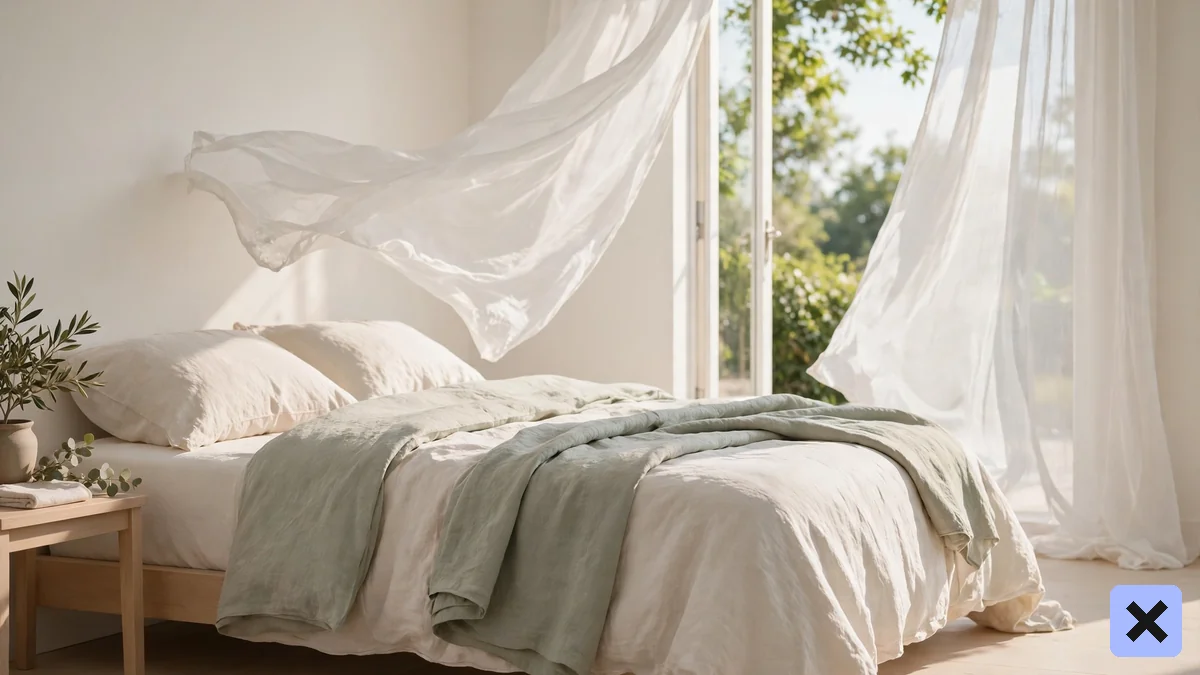
Summer nights ask a lot of your bedding. When the temperature climbs, the wrong sheets trap heat and leave you tossing from side to side. The best linen sheets for summer 2026 solve that problem simply: they let your body breathe. Linen is one of the oldest bedding fabrics, and it stays one of the best for hot weather because its fibres are hollow, absorbent and quick to dry.
Washed linen, once a luxury for high-end boutiques, is now available at every price point, from affordable stonewashed sets to heirloom-grade European flax. The quality gap has never been wider, though: a cheap set can feel scratchy, pill quickly or lose its shape. This guide cuts through the noise with honest buying advice and a clear shortlist.
Below you will find what to look for before you buy, a comparison of the leading options for 2026, care tips that keep linen soft for years, and answers to the questions shoppers ask most. Whether you sleep hot or simply want bedding that feels as good in August as in June, the right linen set can change how you sleep all summer.
Key takeaways
- Choose 100 percent linen, ideally European flax, for the best cooling and durability.
- Pick stonewashed or garment-washed linen: soft from the first night, no long break-in.
- A weight of 155 to 200 GSM suits most sleepers; lighter weaves breathe best.
- Light, natural colours reflect heat and fade less than deep dyes.
- Wash in cool water, skip fabric softener, and line dry when you can.
Why Linen Sheets Are the Best Choice for Summer
Linen has been the fabric of hot climates for thousands of years. Flax fibres are hollow, so air moves freely through the weave, and they absorb up to a fifth of their weight in moisture before feeling damp. Sweat is pulled away from your skin instead of pooling under the covers, so the bed feels cool when you climb in and stays comfortable all night.
Unlike synthetic cooling fabrics, linen needs no chemical finish that washes out over time. Its breathability is built into the fibre, so a well-made set performs just as well in its third summer as in its first. Linen also dries quickly: a cotton sheet can stay damp for hours on a humid night, while linen sheds moisture and keeps the bed dry.
How Linen Keeps You Cool at Night
Linen cools through airflow, moisture handling and thermal conductivity: the loose weave lets warm air escape, the fibres wick moisture away, and linen draws heat away on contact, so it feels cool the moment you touch it. Hot sleepers benefit most, since linen addresses the cause of night sweats, not the symptom. For a full warm-weather setup, many readers also compare the best duvet covers for summer 2026 to match a light top layer with their new sheets.
Linen vs Cotton in Hot Weather
Cotton is a fine summer fabric, and a good percale set serves most sleepers well. Linen goes further where it matters: it absorbs more moisture, dries faster and allows more airflow than cotton of a similar weight, while cotton holds dampness against the skin and can feel clammy on a humid night. Cotton is cheaper and smooth from the first wash; linen costs more and starts out textured. Over time, though, linen softens with every wash and can last a decade or more, so it is the better long-term value.
What to Look for in Linen Sheets for Summer 2026
Start with fibre content and flax origin. Genuine 100 percent linen from European flax, especially France and Belgium, is the gold standard: long, strong fibres shaped by centuries of weaving expertise. Blends with cotton or viscose dilute the cooling and durability that make linen worth buying. Next, check the finish: stonewashed and garment-washed linen is tumbled to break down the stiffest fibres, giving relaxed softness from day one.

Fabric Weight and Weave
Linen is measured in grams per square metre, or GSM. For summer, the sweet spot is 155 to 200 GSM. Below that, sheets feel thin and wear fast; above it, they feel heavy and lose their airy quality. A mid-weight linen drapes well, breathes freely and lasts for years. Avoid linen that feels stiff and papery, or has a shiny coating, which blocks airflow.
European Flax and Certifications
Two labels are worth looking for. European Flax certification confirms the flax was grown in Western Europe under strict standards, and OEKO-TEX Standard 100 certifies the finished fabric is free from harmful substances. Together they signal a maker serious about quality. Price is a clue too: genuine linen is costly to produce, so a set priced far below the market is almost certainly a blend or a weak weave.
Colour, Dyeing and Summer Fading
Linen takes dye beautifully, but dark colours fade faster under strong sun and frequent washing. Natural, undyed linen in warm white, oat and soft stone is the safest choice for longevity and suits almost any bedroom. If you love colour, choose muted shades such as sage, dusty blue or terracotta, which age better than saturated brights. Cool washing and drying out of direct sunlight slows fading further.
The Best Linen Sheets for Summer 2026
This shortlist covers the main ways people shop for linen: the best all-rounder, the best value, the best luxury set, the best choice for hot sleepers and the best organic option. Each pick is 100 percent linen, washed for softness and suited to warm-weather sleeping.
| Pick | Best for | Weight | Finish | Price range |
|---|---|---|---|---|
| Best overall washed linen set | Most sleepers | 170 GSM | Stonewashed | Mid-range |
| Best budget linen set | First-time buyers | 160 GSM | Garment-washed | Affordable |
| Best luxury linen set | Heirloom quality | 185 GSM | Stonewashed | Premium |
| Best for hot sleepers | Maximum airflow | 155 GSM | Garment-washed | Mid-range |
| Best organic linen set | Chemical-free sleep | 175 GSM | Stonewashed | Premium |
Best Overall: The Washed Linen Set That Suits Everyone
The best overall pick is a mid-weight stonewashed set in European flax, in natural and muted colours. It balances what matters most: breathable for hot nights, substantial enough to feel like quality bedding, and soft from the first wash. Long-staple fibres make a smoother yarn with less pilling.
Best Budget: Great Linen Without the Luxury Price
Budget linen has improved enormously, and a well-chosen affordable set now delivers most of the cooling benefit of a premium one. The best budget sets use garment-washed linen at around 160 GSM, keeping them light and breathable while holding the price down. At this price, check fibre content closely: a true 100 percent linen set beats a blend dressed up as the real thing.
Best Luxury: Heirloom Linen for the Long Term
At the top end, luxury linen justifies its price with finer yarns, denser weaves and meticulous finishing. A premium stonewashed set at around 185 GSM feels smoother, drapes more elegantly and comes in deeper, more nuanced colours. These are the sheets to buy if you want bedding you will still love in ten summers’ time.
Best for Hot Sleepers: The Lightest, Airiest Weave
Hot sleepers should choose the lightest linen here: around 155 GSM, garment-washed, with a slightly open weave. This maximises airflow and moisture release, the two things that keep a hot sleeper comfortable. Pair the sheets with a light cover, or no top layer at all on the warmest nights. Colour matters too: the lightest natural shades reflect heat rather than absorbing it.
Best Organic: Certified Linen for Sensitive Sleepers
Organic linen uses flax grown without synthetic pesticides and finishes without harsh chemicals, making it a good choice for sensitive skin. The best organic sets carry both European Flax and OEKO-TEX certifications, so you are not relying on the brand’s word alone. They are typically stonewashed and mid-weight, practical for summer and year-round use. Expect to pay a premium.

How to Care for Linen Sheets in Summer
Linen is one of the easiest natural fabrics to care for, and it gets better with use: the fibres soften with every wash while staying strong.
Wash in cool or lukewarm water on a gentle cycle, with mild detergent and no fabric softener or bleach. Softener coats the fibres and cuts breathability, while bleach weakens them and can cause yellowing. Wash linen separately from heavy items like towels and jeans, which abrade the fabric and cause pilling. Line dry when you can: linen dries fast in warm air, though direct sun fades darker colours, so shade suits dyed sets. If you use a dryer, pick low heat and remove sheets while slightly damp.
Styling Linen Sheets for a Cool Summer Bedroom
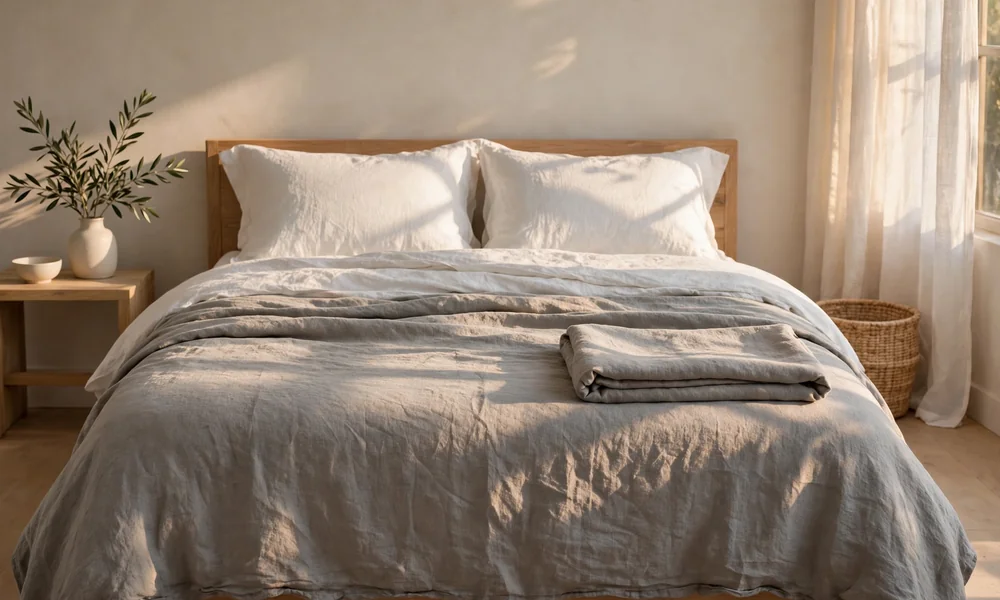
Linen’s relaxed texture suits a summer bedroom perfectly, and styling it is simple. Let the natural drape do the work instead of fighting it with hospital corners and heavy layering. A loosely made bed with the top sheet folded back and a light throw at the foot looks intentional with linen. Colour is your best tool: warm white or oat linen works with almost everything, and one accent through pillowcases or a throw adds interest.
For the finishing touch, readers often pair linen bedding with the best throw pillows for guest rooms 2026 for a layered look that still feels light. If you are dressing a spare room for summer visitors, the best duvet covers for guest rooms 2026 pair naturally with linen sheets.
Summer Linen Sheets Checklist
- Confirm the label says 100 percent linen, not a blend with cotton or viscose.
- Check the flax is European, ideally with European Flax or OEKO-TEX certification.
- Choose stonewashed or garment-washed linen, soft from the first night.
- Pick 155 to 200 GSM, lighter if you sleep very hot.
- Measure mattress depth and check the fitted sheet pocket fits.
- Choose light, natural colours that resist fading in summer washing.
Frequently Asked Questions
Are linen sheets really cooler than cotton sheets?
Yes. Linen fibres are hollow and highly absorbent, so they move air and moisture away from your body more effectively than cotton. Linen also conducts heat well, which is why it feels cool to the touch. On hot, humid nights the difference is clear.
Do linen sheets soften over time?
Yes, linen softens with every wash while remaining strong. Stonewashed and garment-washed sets start out soft, and unwashed linen usually becomes comfortable after several weeks of use. A quality set can last a decade or more.
Are linen sheets good for people with allergies?
Linen is naturally hypoallergenic and resistant to bacteria and dust mites, which suits allergy-prone sleepers. Organic sets with OEKO-TEX certification go further by ensuring the fabric is free from harmful substances. Wash new sheets before first use.
How often should I wash linen sheets in summer?
Most people wash linen sheets once a week in summer, or more often in very hot weather. Linen resists odour better than cotton, so it stays fresh longer between washes, and frequent washing will not damage a quality set.
Do linen sheets wrinkle a lot?
Linen wrinkles more than cotton, and that relaxed, slightly rumpled look is part of its charm. Stonewashed linen wrinkles less noticeably than unwashed linen. If you prefer a smoother look, remove sheets from the dryer while slightly damp and smooth them onto the bed.
What is the best GSM for summer linen sheets?
For most sleepers, 155 to 200 GSM is the ideal summer range. Lighter linen around 155 GSM suits very hot sleepers and humid climates, while 185 to 200 GSM feels more substantial and works in cooler months too. Avoid linen below 150 GSM, and heavy linen above 200 GSM for summer.
The Bottom Line
The best linen sheets for summer 2026 are 100 percent European flax, stonewashed for softness, in a light-to-mid weight of 155 to 200 GSM and a light natural colour that ages gracefully. Buy the best quality you can afford, wash them gently, and let them soften over the season. A good linen set makes every hot night more comfortable for years.


