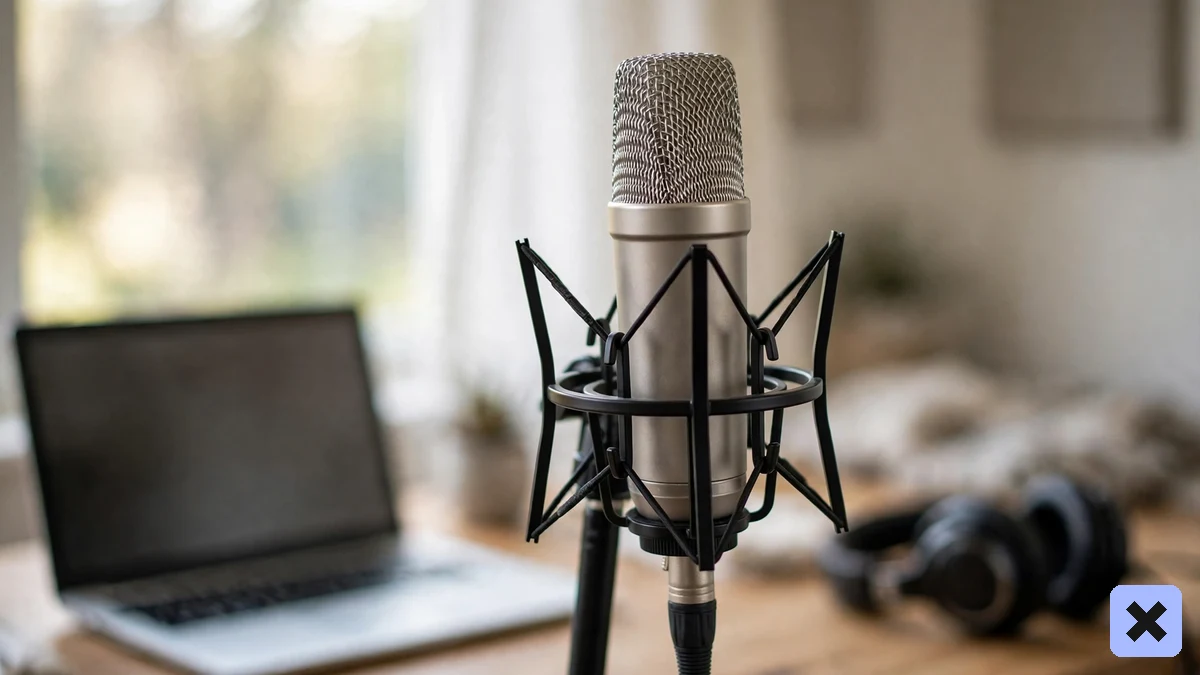
The best microphones 2026 has to offer do far more than make you louder. They make you clearer, warmer, and easier to listen to, whether you are recording a podcast, joining a video call, streaming a game, or laying down a vocal track. A good microphone is the difference between sounding like a professional and sounding like someone shouting down a hallway.
The microphone market is crowded, though, and the wrong choice is easy to make. A studio condenser that sounds beautiful in a treated room can pick up every fridge hum in a normal flat, while a cheap headset mic will flatten your voice on a recording. Choosing well means matching the microphone to your room, your job, and the setup you already own.
This guide compares the leading microphone types of 2026 side by side, judging sound quality, ease of use, background-noise handling, and value for money. Whether you want one microphone that does everything well, a dedicated podcasting setup, or a tiny wireless mic for filming on the move, the right pick is here.
Key Takeaways
- The best overall microphone in 2026 is a large-diaphragm condenser: rich, detailed sound that flatters most voices.
- For podcasting and streaming, a dynamic broadcast microphone is the smarter pick because it rejects room noise.
- USB microphones are the easiest way to sound good fast, with no extra gear and no learning curve.
- Wireless lavalier microphones are the best choice for filming video on the move, where a desk mic cannot follow you.
- Buy for the room you actually record in, not the studio you wish you had, and test in that room before judging any mic.
How We Picked the Best Microphones
We judged every microphone on the things that matter in daily use. Sound quality came first: clarity, warmth, and how natural a voice sounded. A good microphone keeps voices clear and full, without harsh sibilance or muddy bass.
Background-noise handling came next, because most people record in ordinary rooms, not studios. We tested each type with everyday noise in the background: a fan running, a keyboard clicking, a street outside the window. The best microphones kept the voice front and centre; the worst amplified every distraction.
Ease of use mattered just as much. A microphone that needs an audio interface, phantom power, a boom arm, and a pop filter before it makes a sound is a project, not a purchase. We gave credit to microphones that work the moment you plug them in. Build quality, versatility, and value for money rounded out the scoring, because a microphone should last for years.
Best Microphones 2026 at a Glance
| Microphone type | Best for | Connection | Room noise | Ease of use |
|---|---|---|---|---|
| Large-diaphragm condenser | Overall sound, vocals | XLR | Picks up more | Needs interface |
| Dynamic broadcast | Podcasting, streaming | XLR or USB | Rejects well | Easy |
| USB condenser | Calls, beginners | USB | Moderate | Plug and play |
| Wireless lavalier | Video on the move | Wireless receiver | Good outdoors | Easy |
| Small-diaphragm condenser | Instruments, detail | XLR | Picks up more | Needs interface |
| Shotgun microphone | Camera work | XLR or 3.5 mm | Focused pickup | Moderate |
Best Overall Microphone: Large-Diaphragm Condenser
If you can only buy one microphone and you want the best possible sound, this is the type to buy. A large-diaphragm condenser captures the full richness of a voice, the small details that make a recording feel alive. For voiceover work, singing, and any recording where quality is the whole point, nothing else in this guide sounds quite as good.
The trade-off is that it hears everything. A large-diaphragm condenser is sensitive by design, so it will pick up the hum of a fridge, the rumble of traffic, and the echo of a bare room just as faithfully as it picks up your voice. That is why it shines in a quiet room with soft furnishings and curtains. In a noisy shared flat, the same microphone can be frustrating, and a dynamic microphone will serve you better.
It also needs more gear. Most large-diaphragm condensers connect by XLR and need phantom power from an audio interface, plus a stand and a pop filter to tame plosive sounds. That adds cost and desk space, but the same interface will run better microphones for years. If you are serious about sound and can give it a reasonably quiet room, this is the best overall pick of 2026.
Best for Podcasting: Dynamic Broadcast Microphone
Podcasting is where dynamic broadcast microphones earn their reputation. They sit close to the mouth and focus on the voice directly in front of them, while pushing the rest of the room away. That makes them forgiving in exactly the way a home podcaster needs: the dishwasher can run and your voice still sounds close, warm, and present.
The sound is different from a condenser, and that is a feature, not a flaw. Dynamic broadcast microphones have a smooth, rounded quality that flatters spoken voices and tames harshness. They are also far less prone to plosives and handling noise.
Most dynamic broadcast microphones need to be used up close, within a few inches of your mouth, and many benefit from a boom arm. Some now come in USB versions that plug straight into a laptop, while the XLR versions pair with an interface for the best quality. Position matters more than price: keep the microphone a fist-width from your mouth, slightly off to one side, and keep the gain low enough that your loudest laugh never distorts. If your main job is talking into a microphone for an audience, this is the type to choose.

Best USB Microphone: Plug In and Sound Good
For most people, a USB microphone is the right answer, and 2026 is a good year to buy one. The best USB microphones now sound close to entry-level studio setups, with no interface, no extra cables, and no technical knowledge. Plug it into a laptop, select it as your input, and you are recording.
USB microphones are at their best on a desk. They suit video calls, online lessons, streaming, and voice notes, and many include a headphone jack so you can hear yourself without delay, plus a mute button you can hit without hunting through software. Look for a cardioid pickup pattern, which focuses on your voice and ignores the room behind the microphone, and a gain knob on the body.
The limits are real but modest. A USB microphone ties you to one computer at a time, and two cannot easily be used together. The sound is excellent for speech, but a dedicated XLR setup still edges it out for music and serious voiceover. For everyone else, a good USB microphone is the easiest upgrade you can make to how you sound online. Pair it with a decent camera and your whole video setup improves at once, which is why it sits so naturally alongside the best webcams of 2026 in a home office.

Best Lavalier Microphone: Wireless Sound for Video
Some jobs cannot be done from a desk, and that is where wireless lavalier microphones win. Clipped to a shirt or collar, they follow you around a room, down a street, or across a set, keeping your voice clear while the camera moves freely. For filming videos and interviews, they are the most practical microphone type in this guide.
The best wireless lavalier systems of 2026 are genuinely simple to use. The transmitter clips on, the receiver plugs into a phone or camera, and they pair automatically. Many now record a backup track inside the transmitter itself, so even if the wireless signal drops, the audio is safe. Battery life has improved too, with most systems running for hours on a charge.
Sound quality is very good for speech, though it will not match a large studio microphone for music, and wind is the enemy outdoors. A small foam windshield, usually included in the box, makes a large difference on a breezy day. Watch for clothing rustle too: clip the microphone where fabric will not rub against it, and do a short test recording before you film anything important. Buy one if you film yourself talking; skip it if you only record at a computer, where a USB microphone will sound better for less money.

How to Get the Best Sound From Any Microphone
A microphone is only half the recording. The room is the other half, and it is the half most people ignore. Hard floors, bare walls, and empty rooms create echo that no microphone can fix. Soft things absorb sound: a rug, curtains, a bookshelf. Record in the smallest, softest room you have, and your microphone will sound like it cost twice as much. Play the result back on the best speakers of 2026 and you will hear the difference.
Distance is the second free upgrade. Most microphones sound best between four and eight inches from your mouth. Too far away and the room takes over; too close and every breath is amplified. A pop filter helps with plosives, those popping sounds on words starting with p and b, and it costs very little. Finally, listen back with headphones: your ears will tell you in ten seconds whether the room is too echoey or the gain is too high. That habit works whether you record into a studio condenser or listen back on the best wireless earbuds of 2026 while you edit on the move.
Before You Buy Checklist
- Decide your main job first: podcasting, calls, music, video, or a bit of everything.
- Be honest about your room: quiet and soft, or noisy, echoey, and shared.
- Choose USB for simplicity, or XLR with an interface for the best quality and room to grow.
- Check the connection your computer or camera actually has before you order anything.
- Budget for a stand or boom arm and a pop filter, not just the microphone itself.
- Record a short test in your real room, listen back on headphones, and return it if it does not suit you.
Frequently Asked Questions
What is the best microphone for beginners in 2026?
A USB condenser microphone is the best starting point for most beginners. It plugs straight into a laptop, needs no extra gear, and sounds far better than any built-in microphone.
Do I need an audio interface for a good microphone?
Only if you choose an XLR microphone. USB microphones have the interface built in; XLR microphones need one for power and for converting the signal.
Are expensive microphones worth it?
Up to a point, yes. The jump from a laptop microphone to a decent budget microphone is enormous, and the jump to a good mid-range one is clearly audible.
Can one microphone do podcasting and video calls?
Yes. A good USB microphone or a dynamic broadcast microphone with USB handles both jobs well, sounding clear on calls and professional on a podcast.
Why does my microphone pick up so much background noise?
Usually because it is too far from your mouth, the gain is too high, or it is a sensitive condenser in a noisy room. Move it closer, turn the gain down, and record in the quietest, softest room you can.
Should I buy a condenser or a dynamic microphone?
Buy a condenser if your room is quiet and you want the most detailed sound. Buy a dynamic if your room is ordinary or noisy and you want a clean recording every time.
The Bottom Line
The best microphones of 2026 make it easier than ever to sound good, whatever you record and wherever you record it. A large-diaphragm condenser is the best overall choice for pure sound quality in a quiet room, a dynamic broadcast microphone is the best pick for podcasting in a real home, a USB microphone is the simplest way to upgrade your calls overnight, and a wireless lavalier is the best tool for filming on the move. Match the microphone to your room and your job, get it close, soften the room, and listen back before you commit.


