
A Guide to the Best Muesli in 2026
The best muesli in 2026 is the bag that tastes like breakfast, not dessert in disguise. Muesli is the untoasted breakfast mix — rolled oats, nuts, seeds and dried fruit, loose in the bag, with nothing baked, oiled or sweetened into clusters. Eaten with milk or yoghurt, or soaked overnight Bircher-style, it is one of the simplest breakfasts there is: filling, high in fibre, ready in the time it takes to pour. Yet the shelf is full of bags that borrow the name while behaving like something else, loaded with sugar and sweetened fruit until the oats matter least.
This guide is about muesli only — the untoasted mix, bought as a mix. It covers classic muesli, Bircher muesli, no-added-sugar and gluten-free styles, and shows how to read a label in thirty seconds, soak muesli properly, and tell a genuine muesli from a granola in muesli clothing. Our guide to why oats deserve more than breakfast explains the grain at the heart of the mix — this guide is about the finished breakfast.
5 Key Takeaways
- Real muesli is untoasted and loose: oats, nuts, seeds and dried fruit, with no baked clusters and no added oil.
- Look for under 8 grams of sugar per serving and at least 3 grams of fibre — the same bar a healthy granola must clear.
- Oats should head the ingredient list; sugar, syrup or honey should sit near the end, if they appear at all.
- Soaked Bircher muesli is the best version: softer, creamier and easier to digest than dry muesli eaten straight.
- A 45 gram serving is plenty — muesli is dense, and a heaped bowl can carry twice the calories you meant to eat.
What Muesli Actually Is
Muesli was invented in Switzerland around 1900 by Dr Maximilian Bircher-Benner, who believed raw fruit, nuts and soaked oats were the healthiest way to start the day. His recipe was simple: rolled oats soaked overnight in water, mixed with grated apple, nuts and a spoonful of yoghurt. No baking, no oil, no added sugar, and the oats were never toasted. That recipe is still the definition of muesli today, even though the bags on the shelf have drifted far from it.
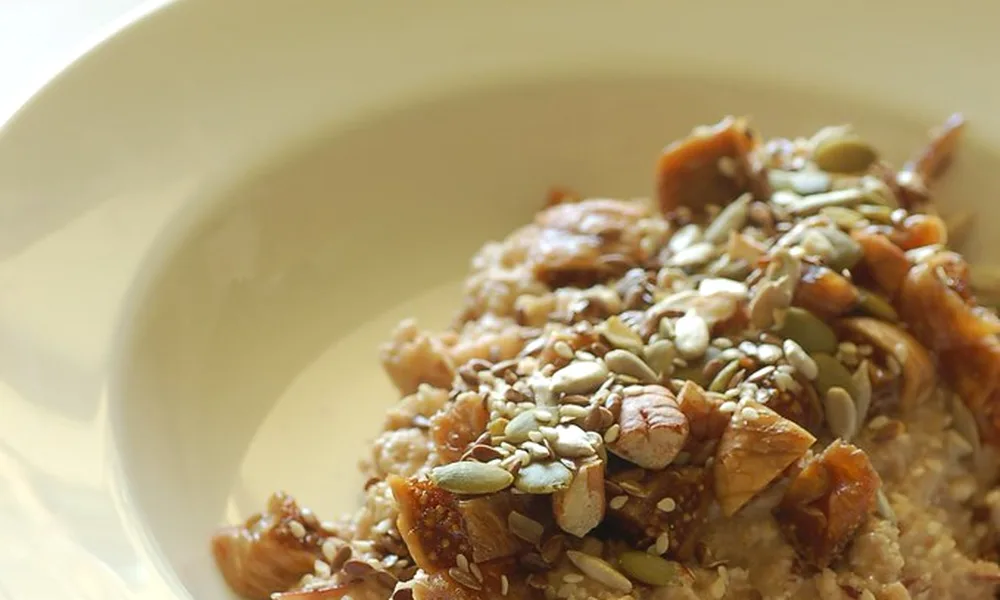
A good muesli has four parts. Rolled oats are the base, giving slow-release energy and beta-glucan fibre, which helps lower cholesterol and keeps you full until lunch. Nuts add healthy fats, protein and crunch — almonds, hazelnuts, walnuts and cashews are the usual four. Seeds add minerals and fibre, usually sunflower, pumpkin and sometimes flaxseed or sesame. Dried fruit adds sweetness and chew, usually raisins, sultanas, dried apple or apricot. Nothing in that list needs baking, oiling or sweetening, and muesli needs no cooking: it keeps for months and can be made the night before in a jar.
Muesli vs Granola: The Untoasted vs Baked Distinction
Muesli and granola share the same ingredients, which is why they are confused — but they are made in opposite ways. Granola is baked: the oats are toasted with oil and a sweetener, which binds them into crunchy clusters. Muesli is not baked at all: the oats, nuts, seeds and fruit stay raw and loose in the bag. That single difference explains almost everything else about the two foods.
Baking changes granola in three ways. First, it adds sugar and oil, because clusters only form when a sweetener and a fat glue the oats together — which is why even a good granola carries more sugar and calories than a comparable muesli. Second, it makes granola crunchy and snackable, so portions creep up. Third, it costs more. Our guide to granola that is actually healthy is a granola guide through and through — baked clusters, sugar traps and label reading for the baked mix. It does not cover muesli at all: the word muesli never appears in it. The rule is simple: hard clusters and golden crisp oats means granola, whatever the pack says; soft, loose, pale flat oats means muesli.
Muesli vs Oats: The Mix vs the Single Grain
Muesli is also confused with plain oats, and the confusion runs the other way: people buy rolled oats, call it muesli, and wonder why breakfast tastes so plain. Oats are the base of muesli, not the whole of it. A bag of oats contains one ingredient and needs cooking before it becomes a meal. A bag of muesli contains the finished breakfast: oats plus nuts, seeds and dried fruit, ready to eat with milk or yoghurt and no cooking at all.
The distinction matters when you shop. Oats are cheaper per kilo, because you buy one grain and do the rest yourself. Muesli costs more, because someone else mixed in the nuts, seeds and fruit — and nuts are the most expensive part, so a cheap muesli usually has very few nuts in it. Or build your own from rolled oats plus your own nuts, seeds and dried fruit: cheaper, better, and you control the sugar, which is zero unless you add it. Our guide to the best dried fruit is useful here, because dried fruit is where homemade muesli goes wrong: sweetened cranberries and mango carry far more sugar than plain raisins and sultanas.
The Types of Muesli Worth Buying
Classic muesli is the plain original: rolled oats, nuts, seeds and dried fruit, nothing added. The cheapest honest muesli, the most versatile, and the best starting point. Eat it with milk or yoghurt, or soak it overnight, and add your own fresh fruit. It can taste plain beside a sweetened cereal — which is a sign it is working, not a flaw.
Bircher muesli is the soaked version, named after the doctor who invented it. The oats are soaked overnight in milk, yoghurt or juice, often with grated apple, so they soften into a creamy bowl that needs no cooking. Bircher is the best way to eat muesli: soaking softens the oats, makes the fibre easier to digest, and lets the flavours blend overnight. It keeps in the fridge for two days.
No-added-sugar muesli is the label to look for if you buy ready-made. Many mueslis are sweetened with honey, syrup or sugar, and some carry as much sugar per serving as a frosted cereal. A genuine no-added-sugar muesli gets all its sweetness from the dried fruit, and its sugar should sit under 8 grams per serving. Gluten-free muesli suits people who cannot eat wheat, barley or rye — but only if the oats are certified gluten-free, since most oats are processed where wheat is handled.
How to Read a Muesli Label in 30 Seconds
Start with the ingredient list, ordered by weight. Oats should come first, followed by nuts, seeds or dried fruit. If sugar, honey, syrup or chocolate appears in the first five ingredients, put the bag back: you are looking at a sweetened cereal, not a muesli. A good muesli needs perhaps eight to twelve ingredients, and you should recognise every one of them.
Next, check the nutrition table: at least 3 grams of fibre per serving, ideally 4 to 5 grams of protein, sugar under 8 grams, and barely any salt — muesli needs none. Compare bags by sugar per 100 grams, since brands set their own serving weights.
Muesli Compared
| Muesli type | How it is made | Texture | Best for | Watch out for |
|---|---|---|---|---|
| Classic | Raw oats, nuts, seeds, fruit | Loose, chewy | Everyday breakfast | Cheap bags skimp on nuts |
| Bircher (soaked) | Soaked overnight in milk or yoghurt | Soft, creamy | Make-ahead mornings | Needs a fridge and a jar |
| No-added-sugar | Fruit-sweetened only | Loose, chewy | Low-sugar breakfasts | Some still hide syrup in fruit |
| Gluten-free | Certified gluten-free oats | Loose, chewy | Coeliac-friendly breakfasts | Check the certification, not the claim |
| Toasted muesli | Lightly toasted, no clusters | Crisp, nutty | People who dislike raw oats | Often the first step toward granola |
| Homemade | Your own oats, nuts, seeds, fruit | As you like it | Best value and control | Sweetened dried fruit creeps in |
How to Eat Muesli Well
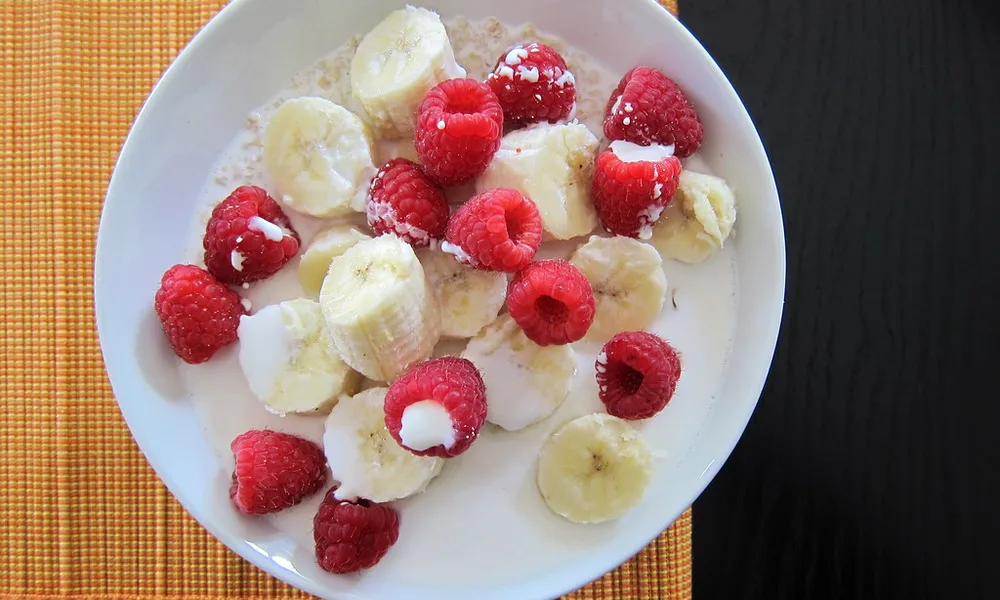
The simplest way is dry muesli with cold milk or yoghurt, poured over and eaten straight away — crunchy, quick and filling. Add fresh fruit on top — sliced banana, berries, grated apple — and the bowl becomes a proper breakfast. Yoghurt adds creaminess without sugar, a better choice than honey, which only adds sweetness the fruit already provides.
Soaked Bircher muesli is the better version, and it takes no more effort than remembering the night before. Mix 45 grams of muesli with enough milk, yoghurt or apple juice to cover it, add grated apple if you like, cover the jar and leave it in the fridge overnight. By morning the oats have softened, the fruit has plumped, and the bowl tastes rounder and creamier. A Bircher jar keeps for two days, so you can make two mornings at once.
Portion is where muesli quietly catches people out. A serving is about 45 grams — roughly three heaped tablespoons — and because muesli is dense with nuts and dried fruit, a heaped bowl can easily reach 90 grams and twice the calories you meant to eat. Weigh it once, learn what 45 grams looks like in your bowl, and pour by eye. The same honesty applies to toppings: honey, chocolate chips or extra dried fruit can turn a healthy breakfast into a dessert.
Your Muesli Checklist
- Buy untoasted, loose muesli — oats, nuts, seeds and dried fruit, with no baked clusters.
- Check the label: sugar under 8 grams and fibre at least 3 grams per serving.
- Oats first on the ingredient list, nuts and seeds in the first few lines, no sugar in the top five.
- Choose unsweetened dried fruit — raisins and sultanas over sweetened cranberries and mango.
- Soak it Bircher-style overnight at least once a week; it is the best version of the food.
- Weigh a 45 gram serving once, then pour by eye — a heaped bowl is two servings, not one.
Muesli FAQs
Is muesli healthier than granola?
Usually, yes. Muesli is untoasted, with no added oil and usually no added sugar, so it carries fewer calories and less sugar per serving than a comparable granola. A plain muesli beats a sweetened granola every time; a good granola beats a sweetened muesli.
Do I have to soak muesli?
No, but it is better soaked. Dry muesli with milk or yoghurt is fine and takes no time. Soaking overnight softens the oats and lets the flavours blend — creamier and more filling.
Is muesli good for weight loss?
It can be, because it is high in fibre and keeps you full for hours. The catch is portion size: stick to 45 grams, skip the honey, and let the fruit do the sweetening.
Can I eat muesli if I am gluten-free?
Yes, if the oats are certified gluten-free. Oats contain no gluten, but most are processed where wheat is handled. Buy a muesli made with certified gluten-free oats, and check the label rather than trusting the front of the pack.
How long does muesli keep?
Unopened, six to twelve months in a cool dark cupboard. Once opened, keep it sealed, away from light and heat, and use it within two to three months — the nuts and seeds carry oils that turn stale. Soaked Bircher keeps in the fridge for two days.
Can I make my own muesli?
Yes, and it is usually the best muesli you will eat. Mix rolled oats with your own almonds, hazelnuts, sunflower and pumpkin seeds and unsweetened dried fruit, roughly four parts oats to one part nuts, one part seeds and one part fruit. It costs less than a premium bag and you control the sugar.

Bottom Line
The best muesli is the plain one: untoasted oats, a generous share of nuts and seeds, unsweetened dried fruit, and nothing baked, oiled or sweetened into it. Eat it soaked Bircher-style when you can, dry with milk or yoghurt when you cannot, and let the fruit do the sweetening.


