
A First-Timer’s Guide to Giants Ridge’s Best Museums 2026
A first-timer’s guide to Giants Ridge’s best museums in 2026 starts with a surprise: the best museums here are not at the resort at all. Giants Ridge is a ski hill on Minnesota’s Iron Range, near Biwabik, and the museums worth your time tell the story of the place around it. Iron mining built these towns, the railways carried the ore away, and the forests and lakes shaped the lives of the people who stayed. This guide ranks the best types of museum for a first-time visitor, so a snowy afternoon is well spent instead of wandering into a dusty room of unlabeled rocks.
Key takeaways
- The best museums near Giants Ridge tell the Iron Range story: mining, railways, immigration and the towns the ore built.
- Plan museums for the middle of the day or for a bad-weather afternoon, when the slopes are icy or the light is flat.
- A small museum with a good guide beats a big museum with no story, so ask who is on duty before you pay.
- Check hours before you drive: many Iron Range museums keep short winter hours and close on Mondays.
- Pair one mining museum with one lighter stop, such as an art gallery, so the day does not feel like a school trip.
How the best museums near Giants Ridge were chosen
Every type below was scored on five measures that matter to a first-time visitor. Story comes first: does the museum explain why this place exists, and does it do it in a way a newcomer can follow? Objects are second, judged on whether the exhibits are real, well chosen and well lit, rather than a jumble of donated clutter. Guides and labels are third, because a small museum lives or dies on the person who shows you around. Setting is fourth: a museum in a real mine building or railway station feels like history, while one in a strip mall does not. Value is fifth: the real cost of the visit once you count the drive, the entry fee and the time, against what you learn.
Two notes before the list. First, no single museum is named as the best, because the same good patterns appear in many places, and what matters is recognising them for your own visit. Second, Giants Ridge is a small resort, so the museum day is a driving day, and the same logic applies at other ski towns too. First-time visitors who have explored elsewhere will recognise the pattern in our guides to the best museums in Lake Placid for first-time visitors and the best museums in Jackson Hole for first-time visitors, where the local story matters more than the size of the building.

Comparison table: Giants Ridge’s best museums for first-time visitors 2026
| Rank | Museum type | Best for | Watch out for |
|---|---|---|---|
| 1 | Iron mining heritage museums | The Range story, first visit | Short winter hours |
| 2 | Railway and ore-dock museums | Trains, engineering, children | Outdoor exhibits in snow |
| 3 | Local history and company-town museums | Immigration, daily life | Small rooms, limited labels |
| 4 | Art and craft galleries | A lighter afternoon | Changing exhibitions |
| 5 | Ski and winter sport collections | Ski history, resort days | Small, seasonal displays |
| 6 | Natural history and geology displays | Rocks, lakes, wildlife | Dry labels, no guide |
| 7 | Logging and lumber heritage sites | Forest history, families | Remote, rough roads |
Giants Ridge’s best museums for first-time visitors
1. Iron mining heritage museums: the best first stop
The iron mining museum is the best first stop, because it explains everything else you will see. The Iron Range was built on red ore, and the museum shows how it was found, how it was dug, who dug it and what happened to the towns when the ore ran thin. The best of these museums put you beside real machinery, let you handle a lump of ore, and show you photographs of the men and women who came from Finland, Slovenia, Italy and Croatia to work the pits. A good mining museum makes the drive through Biwabik and Virginia make sense, because suddenly the pit lakes and company houses are not scenery but history. Go here first, and every other stop on the Range will mean more.
2. Railway and ore-dock museums: trains, engineering and children
The railway museum is the best stop for families and for anyone who likes machines. The ore had to get to the lake, and the railways that carried it were engineering on a grand scale: steep grades, huge locomotives and docks that loaded ships like city blocks. The best railway museums have a locomotive to climb into, a model of the dock, and a volunteer who can explain how a train of ore cars was loaded in minutes. Children love the cab, adults love the scale of it, and everyone leaves understanding why the railway, not the mine, decided where the towns were built. Check whether the outdoor exhibits are open in winter, because the best part is often outside in the snow.
3. Local history and company-town museums: immigration and daily life
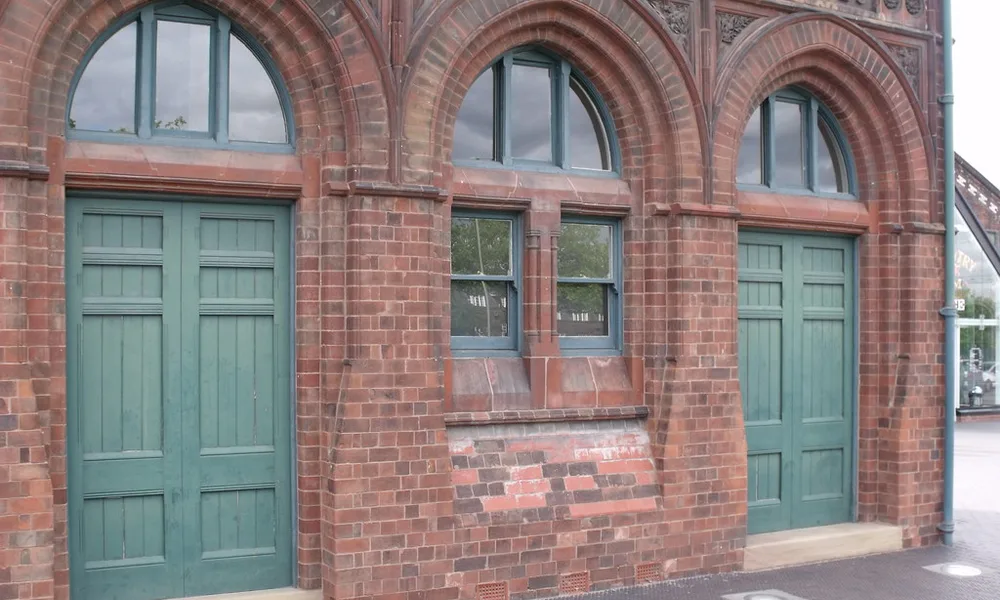
The small local history museum is the most human stop on the list, and the best feel like walking into someone’s front room. These museums tell the immigration story: the Finnish sauna, the Slovenian boarding house, the Italian bakery, the Croatian church, and the company store where everyone shopped on credit. The exhibits are modest, a kitchen, a classroom, a miner’s lunch pail, but the labels are written by people who knew the people in the photographs. The weakness of the type is also its charm: the rooms are small, the labels sometimes handwritten, and the visit depends on the volunteer on duty. Ask for the guided tour, and give yourself time to listen, because the stories are the exhibit.
4. Art and craft galleries: the best lighter afternoon
After a morning of mines and railways, the art gallery is the best lighter stop. The Iron Range has a strong craft tradition, and the best galleries show it: pottery, glass, textiles and woodwork by local artists, often in studios you can visit. The work is rooted in the same landscape as the mines, the lakes, the birch forests and the long winters, but it shows the Range from the inside rather than from the pit. A gallery is also the best place to buy something real to take home. Check what is on before you drive, because small galleries change exhibitions often and sometimes close between shows.
5. Ski and winter sport collections: the resort’s own story
The ski collection is the smallest stop on the list and the most directly connected to Giants Ridge itself. These displays cover the resort’s own history: the first rope tows, the wooden skis, photographs of races in wool jumpers, and trophies from the days the Range produced Olympic skiers. The best collections are inside the resort buildings themselves, so you can see them between runs without driving anywhere. The weakness is size: a ski collection is usually one room, or a corridor of photographs, and it is sometimes closed when the resort is busy. Treat it as a bonus between runs, not a destination, and it will not disappoint you.
6. Natural history and geology displays: rocks, lakes and wildlife
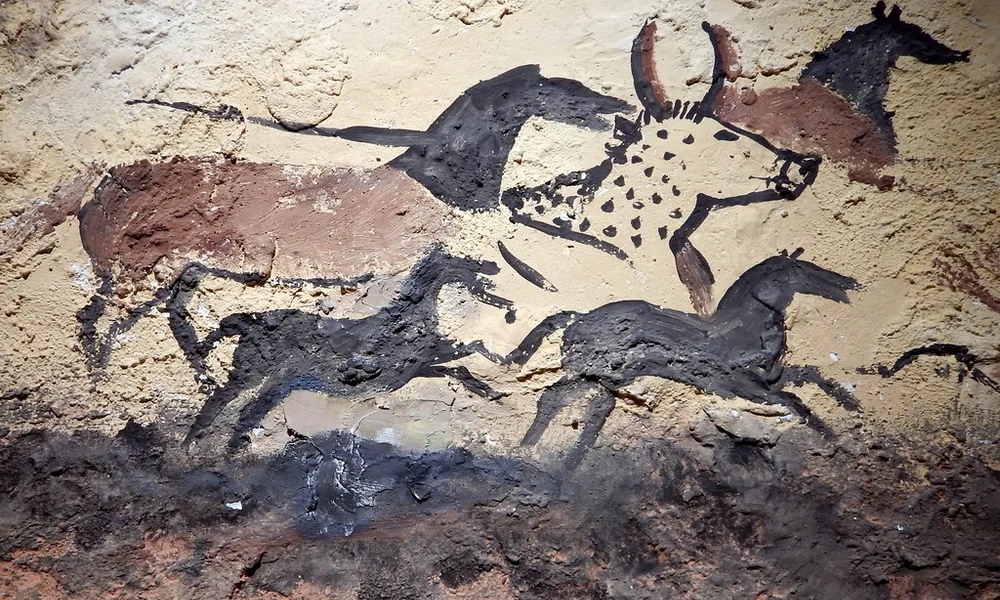
The geology display explains the ground under your skis. The Iron Range is one of the oldest landscapes on earth, and the best displays show the banded iron formation, the agates, the glacial lakes and the animals living in them now. The strongest exhibits let you touch the rocks and compare the ores, and explain why the lakes are so clear and so deep. The weakness of the type is the label: a room full of rocks with dry, technical labels is a dull hour, while the same rocks with a good guide are fascinating. If there is a guided walk, take it, and if there is not, keep the visit short.
7. Logging and lumber heritage sites: forest history and families
The logging heritage site is the furthest stop and the most atmospheric. Before the mines, the Range was forest, and the logging camps cut the timber that built the towns and shored up the mines. The best sites have a reconstructed camp, a bunkhouse to walk through and tool demonstrations, and they suit families because there is space to walk and things to touch. The drawback is the drive: these sites are often down a forest road that is rough in winter, and some close outside summer. Check the road and the hours before you go, and go on a clear day, because the forest in snow is the real exhibit.
What to avoid on a museum day near Giants Ridge
The most common first-timer mistake is not a bad museum but a bad plan: driving to three museums in one day, finding two of them closed, and spending the afternoon in the car. Avoid the trap by checking four things before you set out: the winter opening hours, which are often short and rarely include Mondays; the drive time on snowy roads, not on a summer map; whether the exhibits are indoors or outside; and whether a guide is on duty, because a small museum without its guide is half a museum. The same checks work at other ski towns too, and our guide to the best museums in Taos for first-time visitors makes the same point about hours and guides, because the traps are the same everywhere.
Checklist: a first museum day near Giants Ridge
- Pick one mining museum as your anchor stop and build the day around it, not around a list.
- Check winter hours and Monday closures before you drive anywhere.
- Ask whether a guide is on duty, and take the tour when one is offered.
- Pair one heavy museum with one lighter stop, such as a gallery, so the day stays enjoyable.
- Dress for outdoor exhibits and cold buildings, and keep gloves handy for ore samples.
- Leave time to drive back before dark, because the forest roads are unlit and icy after sunset.
Frequently asked questions
Which museum should a first-time visitor see first?
An iron mining heritage museum. It explains why the Iron Range exists, who came here and what happened to the towns, and makes every other stop make sense.
Are the museums near Giants Ridge open in winter?
Most are, but with short winter hours, and many close on Mondays. Always check the hours on the day you go, because a wasted drive in the snow is the most common museum-day mistake.
Can I see the museums without a car?
Not really. The museums are spread across the Range towns, with no public transport between them in winter. You need a car, and you should allow extra time for snowy roads.
Are the museums good for children?
The railway museums are best for children, with locomotives to climb into and models to watch. The mining museums work well too if there is a guide, because the machinery and ore samples are hands-on.
How long should I allow for a museum day?
Half a day: one mining museum in the morning and one lighter stop after lunch. Three museums in one day means too much driving and too little looking.
What should I bring home from a museum visit?
A piece of local craft from a gallery, or a book about the Range from a museum shop. Both last longer than a souvenir, and both remind you why the place you skied has a story worth knowing.
Bottom line
Giants Ridge’s best museums for first-time visitors in 2026 tell the Iron Range story: the iron mines first, then the railways, the company towns and the galleries that show the place from the inside. Plan for winter hours, take the guide when offered, and pair one heavy museum with one light stop.


