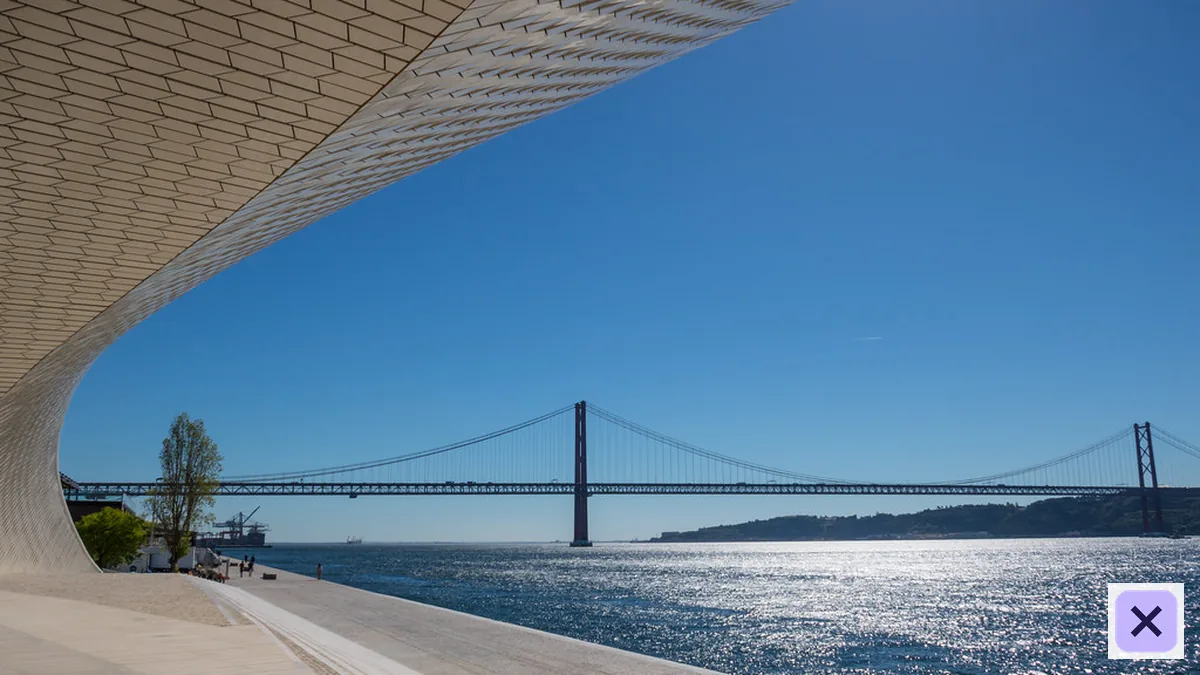
The best museums in Lisbon for first-time visitors in 2026 reward a simple plan: start with the grand collections, then let the smaller, quirkier museums surprise you. Lisbon packs an extraordinary range into a compact, hilly capital, from the old masters of the National Museum of Ancient Art to the wave-shaped modern galleries on the Tagus riverfront. You do not need a week to see the best of it, but you do need to choose well.
What makes Lisbon different is how much of its identity is visible in the museums themselves. A museum here is often a palace, a monastery or a former royal riding school, and the setting is part of the experience. The Gulbenkian holds one of Europe’s finest private collections inside a calm, green park, and smaller museums devoted to fado music or the royal coaches give the trip its most memorable moments.
This guide ranks the ten best museums in Lisbon for first-time visitors in 2026, weighing collection quality, ease of visiting and what a first-time visitor gets from one to two hours. Every pick works for a general visitor with no specialist knowledge, and the list is ordered so you can build a sensible two-day plan around it. For a wider sense of how Lisbon fits into a European trip, see our guide to the best city breaks in Europe in 2026 puts the city alongside its rivals.
Key takeaways
- Start with the National Museum of Ancient Art for old masters and the Gulbenkian for a single, superb collection in one visit.
- MAAT and the Oceanarium suit visitors who want modern architecture and family-friendly spectacle rather than quiet galleries.
- The Tile Museum is the most distinctively Portuguese stop on this list and the easiest to pair with a walk through Alfama.
- Most major museums take 90 minutes to two hours; three a day is a comfortable maximum.
- Book the Oceanarium and MAAT ahead on busy weekends, and visit the big art museums early.
Best museums in Lisbon at a glance
| Museum | Best for | Time needed | First-timer score |
|---|---|---|---|
| National Museum of Ancient Art | Old masters, Portuguese art | 2 hours | 9.6/10 |
| Calouste Gulbenkian Museum | One world-class collection | 2 hours | 9.5/10 |
| MAAT | Modern art and architecture | 90 minutes | 9.2/10 |
| Oceanário de Lisboa | Families, marine life | 2 hours | 9.1/10 |
| National Tile Museum | Portuguese tiles and history | 90 minutes | 9.0/10 |
| Maritime Museum | Age of Discovery history | 90 minutes | 8.8/10 |
| National Coach Museum | Royal coaches, spectacle | 1 hour | 8.7/10 |
| Berardo Collection Museum | Modern and contemporary art | 90 minutes | 8.6/10 |
| Museum of Lisbon | City history, local life | 1 hour | 8.3/10 |
| Fado Museum | Music and Portuguese culture | 1 hour | 8.1/10 |
The scores combine collection quality, ease of visiting and value. If you only have one day, take the top three and add the Tile Museum if you have energy left.
1. National Museum of Ancient Art
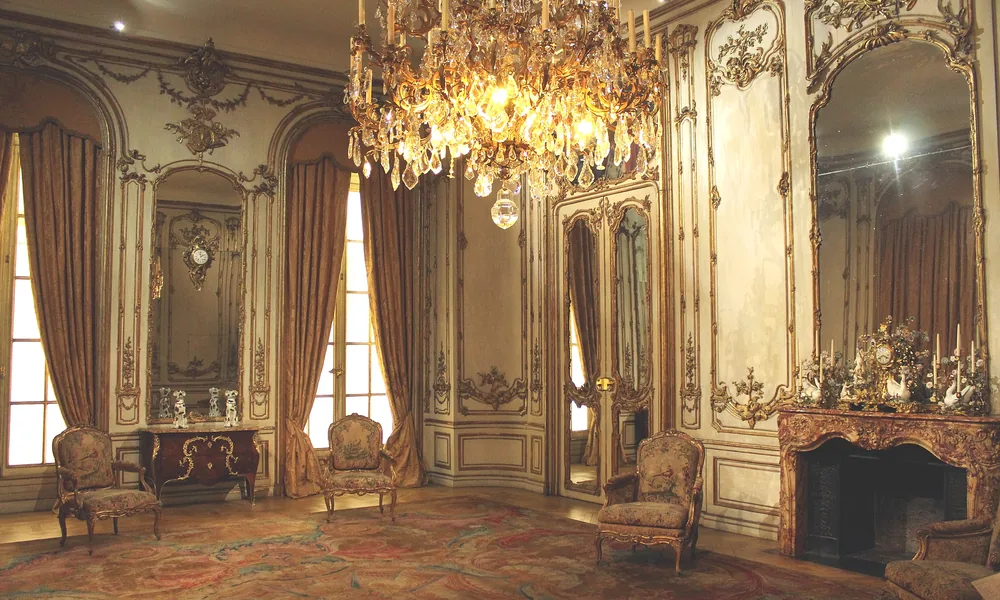
The National Museum of Ancient Art is the obvious first stop and the hardest to beat. Housed in a seventeenth-century palace overlooking the Tagus, it holds Portugal’s finest collection of European painting, including Bosch’s Temptation of Saint Anthony and the famous Panels of Saint Vincent. The galleries are spacious and calm, and the collection is large enough to feel substantial without becoming exhausting.
Head straight for the Portuguese painting rooms, then the European masters, and finish with the decorative arts, where Japanese screens and Indo-Portuguese furniture show how far Portuguese trade once reached. Allow two hours and go early, when the light from the river fills the main galleries.
2. Calouste Gulbenkian Museum
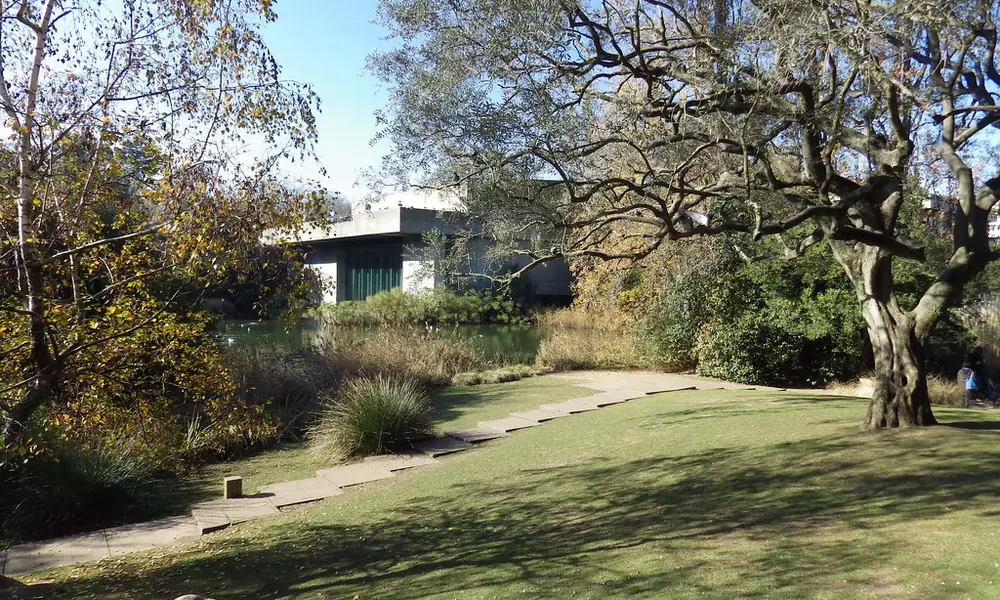
The Gulbenkian is the single most rewarding museum visit in Lisbon for many first-timers, because one man’s collection covers five thousand years of art in one building: Egyptian sculpture, Greek vases, Islamic tiles, Japanese lacquer and René Lalique jewellery. Nothing here feels like filler.
The museum sits in a leafy park worth a walk in itself, and two hours is enough to see the highlights properly.
3. MAAT
MAAT, the Museum of Art, Architecture and Technology, is the most photographed museum in Lisbon, and the building earns the attention. Its low, white, wave-shaped form curves along the riverfront in Belém, and visitors can walk up over the roof for one of the best views in the city. Inside, the exhibitions change regularly, mixing contemporary art, design and technology.
MAAT works best as a half-day stop combined with the nearby Jerónimos Monastery and the riverfront walk. Check what is on before you go, since the exhibitions change regularly. Even when a show divides opinion, the building and the riverside setting make the visit worthwhile.
4. Oceanário de Lisboa
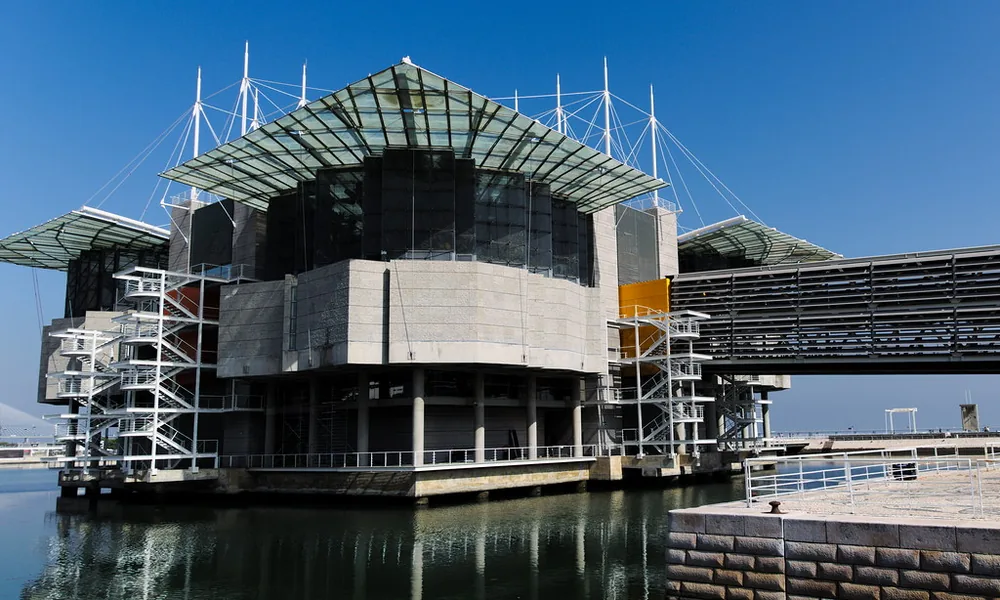
The Oceanarium is Lisbon’s most popular museum, and it earns its crowds. The central tank, four storeys high and visible from every floor, holds sharks, rays and shoals of fish, while smaller tanks recreate habitats from the Atlantic, Pacific, Indian and Antarctic oceans. It works equally well for small children and for adults who know nothing about marine biology.
Two hours is the right allowance, and arriving at opening time avoids the school groups and tour parties that fill the building by late morning.
5. National Tile Museum
No museum is more Portuguese than the Tile Museum. Housed in a former convent, it traces the history of the azulejo, the painted ceramic tile that covers Lisbon’s churches and palaces, from early Moorish-inspired patterns to a thirty-six-metre panorama of the city before the 1755 earthquake. That panorama alone justifies the visit.
The convent church, lined from floor to ceiling with blue-and-white tiles and gilded woodwork, is one of the most beautiful rooms in Lisbon. Ninety minutes is enough to see it well, and it combines naturally with a walk through Alfama.
6. Maritime Museum
The Maritime Museum tells the story of Portugal’s Age of Discovery from inside the Jerónimos Monastery. Model ships, royal barges, maps, globes and navigational instruments trace how a small country on the edge of Europe opened sea routes to Africa, Asia and South America.
This is the museum for visitors who want history with a sense of adventure rather than quiet galleries. Ninety minutes covers the highlights, and the Belém location means it fits easily into the same day as MAAT, the Coach Museum and the monastery itself.
7. National Coach Museum
The National Coach Museum holds the finest collection of royal coaches in the world, and it is pure spectacle. Gilded carriages, painted panels, harnesses and liveries fill a bright modern hall, and the sheer extravagance of the eighteenth-century coaches is hard to forget.
One hour is enough for most visitors, which makes it an ideal second stop on a Belém day. The old riding school across the square, the museum’s former home, is also worth a look for its painted ceiling.
8. Berardo Collection Museum
The Berardo Collection, housed in the Belém Cultural Centre, is Lisbon’s best museum of modern and contemporary art, with works by Picasso, Warhol, Dalí and Miró. It gives a first-time visitor a quick, enjoyable survey of twentieth-century art, and the café terrace overlooks the river.
Ninety minutes is a good allowance, and the museum is free on Saturdays. It sits in Belém alongside the Maritime Museum and MAAT, so it is easy to combine with either.
9. Museum of Lisbon
The Museum of Lisbon is the city’s own museum, and the best place to understand how Lisbon became the city you are walking through. The main site at the Pimenta Palace covers the city’s history from Roman times to the present, with models, maps and everyday objects that bring each period to life.
An hour is enough for the main palace, and the gardens are a pleasant place to rest. It suits visitors who have already seen the headline collections and want to understand the city itself.
10. Fado Museum
The Fado Museum is small, focused and entirely devoted to Portugal’s most famous music. Fado is a song of longing, loss and the sea, and the museum explains its history through recordings, instruments, costumes and portraits of the great singers, above all Amália Rodrigues.
An hour is plenty, and the museum sits in Alfama, the neighbourhood where fado was born, so the visit pairs naturally with an evening of live fado nearby. It is the most atmospheric stop on this list. For more ideas on the city’s cultural side, compare with the best museums in Rome for first-time visitors in 2026, where music and art play a similar role.
How to plan your first museum visit to Lisbon
Two days is ideal for a first museum trip to Lisbon. Spend the first day in the centre and east: the National Museum of Ancient Art in the morning and the Gulbenkian in the afternoon. Spend the second day in Belém, where the Maritime Museum, the Coach Museum, MAAT and the Berardo Collection are all within a short walk of each other.
Most museums sell tickets online, and the Oceanarium and MAAT are the two where advance booking genuinely saves time. A Lisboa Card can be good value if you visit three or more museums in a day, but check the maths for your own plan first. Mornings are quieter almost everywhere, and Monday is a closing day for several smaller museums. Wear comfortable shoes, use the metro and the trams, and do not try to walk between Belém and the centre.
First-time visitor checklist
- Pick three museums a day at most and leave time for walking, eating and the views between them.
- Book the Oceanarium and MAAT online for weekend visits to avoid the longest queues.
- Visit the big art museums early in the morning for quieter galleries and better light.
- Check Monday opening hours, since several smaller museums close on Mondays.
- Wear comfortable shoes and use the metro or tram 15 to Belém rather than walking the whole way.
- Leave an hour unplanned each day, because Lisbon rewards wandering.
Frequently asked questions
How many museums should a first-time visitor see in Lisbon?
Three a day is a comfortable maximum, and six across two days covers the best of the city. The top five on this list make a strong single-day plan if your time is short.
Which Lisbon museum is best for families with children?
The Oceanarium is the clear winner for children, followed by the Coach Museum and MAAT. The big art museums work well with older children if you keep the visit to an hour and focus on the highlights.
Do Lisbon museums close on Mondays?
Several smaller museums close on Mondays, while the Oceanarium and MAAT usually stay open. Always check the opening days for the museums on your plan before you travel.
Is the Lisboa Card worth it for museum visits?
It can be, if you visit three or more museums in a day and use public transport heavily. Add up the ticket prices for your own plan first.
What is the best museum in Lisbon for Portuguese art?
The National Museum of Ancient Art is the best single choice for Portuguese painting and decorative art, while the Tile Museum is the best for the craft that defines Lisbon’s streets.
Can you visit Belém’s museums in one day?
Yes. The Maritime Museum, Coach Museum, MAAT and Berardo Collection are all within walking distance of each other, and the Jerónimos Monastery sits between them. Start early and allow a full day.
Bottom line
The best museums in Lisbon for first-time visitors in 2026 are the National Museum of Ancient Art, the Calouste Gulbenkian Museum and MAAT, with the Oceanarium and the Tile Museum close behind. Together they cover old masters, a world-class private collection, modern architecture, marine life and the craft that makes Lisbon look like nowhere else. Plan two days, group the Belém museums together and book the busiest stops ahead. If you are still deciding where to stay, our guide to the best hotels in Lisbon in 2026 pairs well with this list, and the best museums in Paris for first-time visitors in 2026 is a useful next read.