
Pillowcases that actually feel cool all night in 2026 are not a luxury extra; they are the layer your face rests on for seven or eight hours, and they decide whether you wake up refreshed or damp and restless. Most people blame the pillow, the mattress or the room temperature when they sleep hot, but the pillowcase is often the real culprit. A thick, tightly woven case traps the heat your head gives off all night, while a breathable one lets it escape. Change the case and the same pillow can feel like a different pillow.
Your head is one of the warmest parts of your body, and it sheds heat all night long. A pillowcase that cannot breathe turns that heat into a warm, clammy patch right where your cheek sits. You turn the pillow over, find the cool side, and twenty minutes later it is warm again. Cooling pillowcases work by moving heat and moisture away from your skin instead of storing them, and the best ones keep doing it hour after hour. This guide explains which fabrics genuinely stay cool, how weave and thread count change the feel, and how to choose a set that still feels cool at 4 a.m.
Key Takeaways
- Cotton percale, washed linen, bamboo and Tencel lyocell are the coolest pillowcase fabrics in 2026; silk feels cool but needs gentle care.
- A crisp, open weave matters more than a high thread count: thread counts above 400 usually trap heat instead of releasing it.
- Natural fibres wick moisture away from your skin, while polyester and microfibre cases tend to feel clammy by the middle of the night.
- Match the case to your pillow exactly: a case that is too tight compresses the fill and blocks airflow, while one that is too loose bunches up under your cheek.
- Wash cooling pillowcases in cool water without fabric softener, and replace them every one to two years when the fabric starts to feel smooth and tired.
Why Most Pillowcases Feel Hot by Midnight
Sleeping hot is not just uncomfortable; it breaks up your sleep. Your body temperature naturally drops as you fall asleep, and anything that blocks that cooling makes you stir, turn and wake. The pillowcase sits between your head and the pillow fill, so it is the first barrier heat meets. A case made from tightly packed synthetic fibres acts like a plastic bag: it holds warm air and moisture against your skin, and the pillow underneath slowly warms up too.
Weave is the part most shoppers ignore. Two pillowcases can be made from the same cotton and feel completely different, because one is woven loosely and the other is woven tight. A percale weave uses a simple one-over, one-under pattern that leaves tiny gaps for air to move through, which is why percale feels crisp and cool. A sateen weave packs the threads closer and floats them over the surface, which feels silky and smooth but holds more heat. If you sleep hot, the weave matters at least as much as the fibre.
Cooling Pillowcase Fabrics Compared
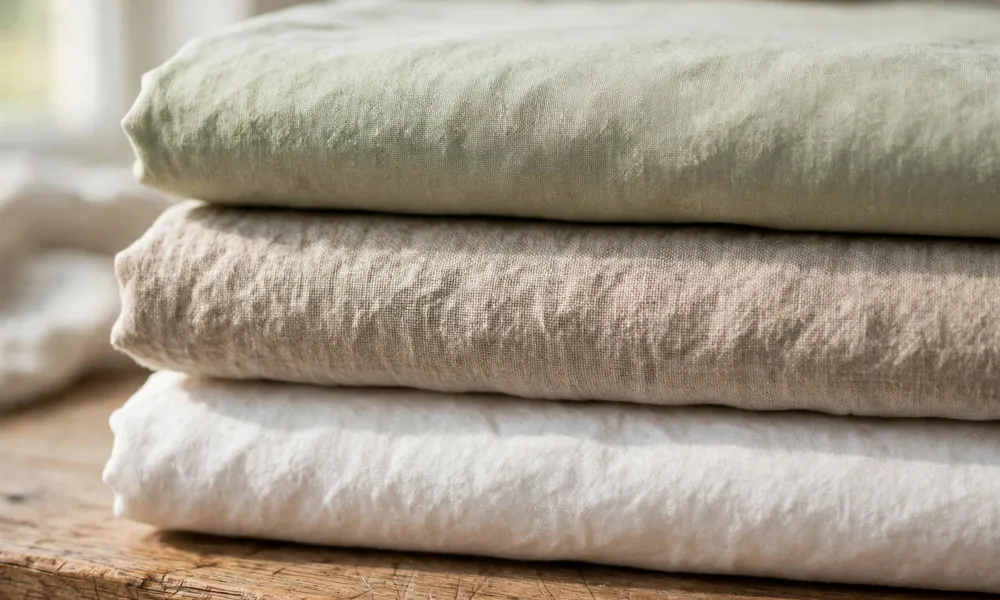
Every cooling fabric works a little differently, and the right choice depends on how hot you sleep and what texture you like against your face. Cotton percale is the safe default: affordable, easy to wash, and reliably cool. Linen feels rougher at first but softens beautifully and breathes better than almost anything else. Bamboo and Tencel lyocell feel smooth and slightly silky, wick moisture well, and suit people who find cotton too crisp. Silk is the coolest to the touch and kindest to skin and hair, but it is expensive and needs hand washing or a delicate cycle.
The table below compares the main options on the things that matter at 3 a.m.: how cool they feel, how well they handle moisture, how they feel against skin, and how much care they demand.
| Fabric | Cooling feel | Moisture wicking | Texture | Care |
|---|---|---|---|---|
| Cotton percale | Very cool | Good | Crisp, matte | Machine wash, easy |
| Washed linen | Excellent | Excellent | Relaxed, textured | Machine wash, easy |
| Bamboo viscose | Very cool | Very good | Smooth, soft | Gentle cycle |
| Tencel lyocell | Very cool | Excellent | Smooth, silky | Gentle cycle |
| Silk | Coolest touch | Good | Slippery, smooth | Hand wash or delicate |
| Polyester microfibre | Poor | Poor | Soft, plasticky | Machine wash, easy |
What to Look for Before You Buy
Weave and thread count
For cooling, aim for a thread count between 200 and 400 in a percale weave. Below 200, the fabric can feel thin and wear out quickly. Above 400, the threads are packed so tightly that air struggles to pass through, and the case sleeps warmer even though it feels more luxurious in the shop. Linen does not use thread counts in the same way, so judge it by feel instead: it should feel airy and slightly slubby, not stiff and heavy. Bamboo and Tencel are usually sold without a thread count at all, and a smooth, even weave is the thing to check.
Fit and closure
A pillowcase should fit its pillow with a little room to spare. Standard pillows usually take a 50 by 75 centimetre case, while king pillows need a longer one, and a case that is too small squeezes the fill, flattens the pillow and blocks the airflow through it. Check the closure too. An envelope closure keeps the pillow tucked in without a zip digging into your neck, while a zip closure holds its shape better and suits people who toss and turn. A matching duvet cover that makes your bedroom feel new can tie the whole bed together without making you sleep hotter.
Colour and dye
The Best Types of Cooling Pillowcase in 2026
Cotton percale for most sleepers
Percale is the best starting point for anyone who sleeps warm and wants a case that is easy to live with. It feels crisp rather than silky, washes well week after week, and stays cool because its open weave lets air move. Look for long-staple cotton if you can, since it stays smoother for longer and pills less.
Washed linen for very hot sleepers
Linen is the most breathable common fabric, and it suits people who wake up damp even in a cool room. It absorbs a lot of moisture without feeling wet, and it dries fast, so the clammy patch under your cheek never really forms. The trade-off is texture: linen feels relaxed and slightly rough when new, and it wrinkles the moment you look at it. Washed linen is softer from the start, and most people stop noticing the wrinkles after a week. If you sleep very hot, linen is worth the adjustment.
Bamboo and Tencel for softness
If you find percale too crisp and linen too rough, bamboo viscose and Tencel lyocell are the middle ground. Both feel smooth and slightly cool to the touch, wick moisture well, and drape softly around the pillow. They suit side sleepers in particular, because the smooth surface creates less friction against the cheek. The catch is care: both prefer a gentle wash and low-heat drying, and bamboo can lose its softness if it is washed too hot too often. Buy two sets so one is always clean while the other is in the wash. Pair it with soft layers elsewhere on the bed, like the coziest throw blankets for every room, and the bedroom stays comfortable without piling on heavy covers.
How to Keep Pillowcases Feeling Cool
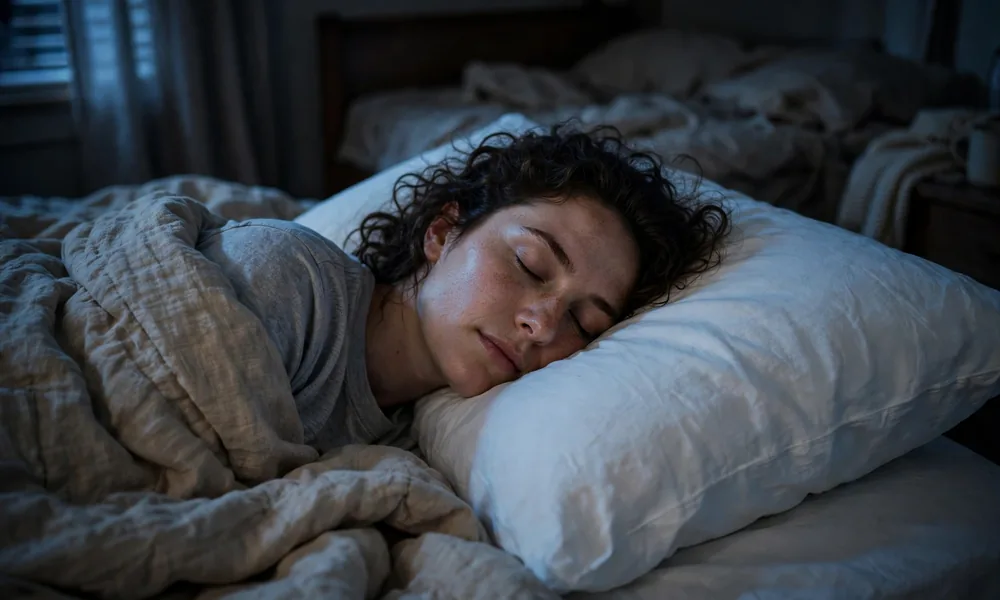
A cooling pillowcase only works if it is clean and dry. Body oils, night creams and sweat build up in the fibres over a few nights, and that residue blocks the tiny gaps that let air through. Wash your pillowcases at least once a week, twice if you sleep hot or use heavy creams. Cool or warm water is enough for most fabrics; hot water can shrink cotton and damage bamboo. Skip fabric softener entirely, because it coats the fibres with a waxy layer that kills breathability and makes the case feel clammy.
Rotate your pillows as well as your cases. A pillow that has been slept on every night for months holds heat and moisture in its fill, and no case can fix that on its own. Air the pillow outside or near an open window once a week, flip it regularly, and replace it when it no longer springs back after being folded in half. A fresh case on a tired pillow is only half the job. If you sometimes sleep away from home, a good air mattress for guests who deserve better paired with your own cool pillowcase travels better than any hotel pillow you will be offered.
Your Cooling Pillowcase Checklist
- Choose a natural fibre: cotton percale, linen, bamboo or Tencel, and avoid 100 percent polyester.
- Pick a thread count between 200 and 400 in a percale weave, and ignore counts above 400.
- Measure your pillow and buy the matching case size, with a little room to spare.
- Check the closure: envelope or zip, whichever keeps the pillow in place all night.
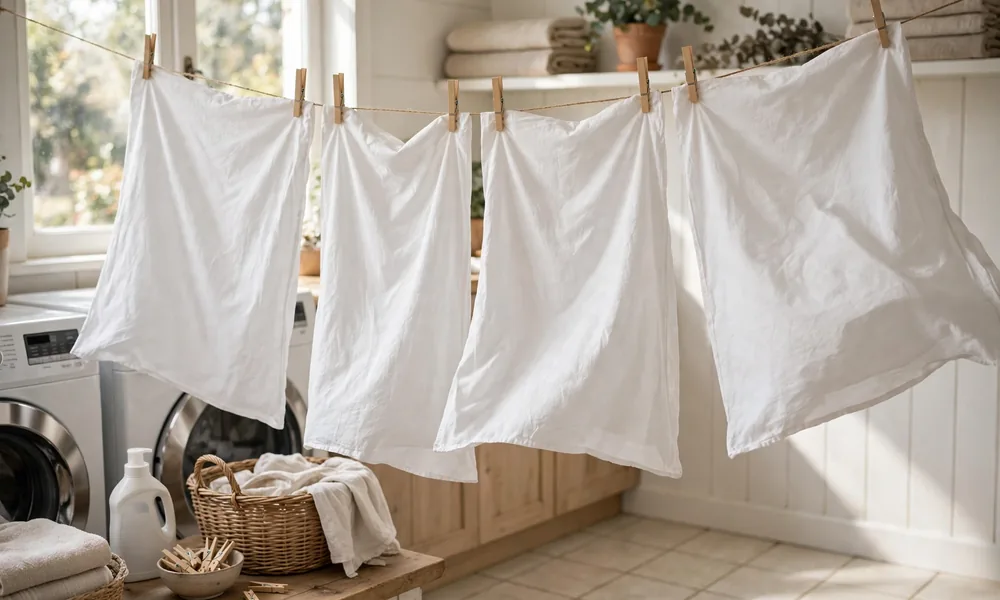
- Wash weekly in cool water, skip fabric softener, and dry on low heat or on the line.
- Replace cases every one to two years, or sooner if the fabric feels smooth, thin or tired.
Frequently Asked Questions
Do cooling pillowcases really work?
Yes, if the cooling comes from the fabric and the weave rather than a marketing label. Natural fibres in an open weave genuinely move heat and moisture away from your skin, and most hot sleepers notice the difference on the first night. A polyester case labelled cooling will feel cold for a few seconds and then sleep warm, so check the fibre content before you buy.
What is the coolest pillowcase fabric?
Silk feels coolest to the touch, but linen is the best all-round cooling fabric because it breathes so well and handles moisture better than anything else. For most people, cotton percale is the best balance of cooling, comfort, price and easy care, and it suits almost every sleeper.
Does thread count matter for cooling?
Yes, and higher is not better. A thread count between 200 and 400 in a percale weave gives the best balance of durability and airflow. Above 400 the fabric becomes dense and traps heat, which is why expensive high-thread-count cases often sleep warmer than cheaper percale ones.
How often should I wash my pillowcase?
At least once a week, and twice a week if you sleep hot, use night creams or have oily skin. A dirty pillowcase loses its breathability because oils and residue block the weave, so even the best cooling case will feel warm if it is not washed often enough.
Are silk pillowcases worth the price?
They are worth it if you value the smooth, low-friction feel and are willing to wash them gently. They are not worth it if you want a low-maintenance case, because silk needs careful washing and wears out faster than cotton or linen when it is treated roughly.
Can a pillowcase fix a hot pillow?
It can help a lot, but it cannot fix a pillow that has lost its loft or holds heat in its fill. If your pillow stays warm no matter which case you use, air it out weekly, and replace it when it no longer springs back after being folded. The case and the pillow work as a pair.
The Bottom Line
Pillowcases that actually feel cool all night in 2026 are made from natural fibres in an open weave, washed often and fitted properly. For most sleepers that means cotton percale with a thread count between 200 and 400, while very hot sleepers should try washed linen and softness lovers should try bamboo or Tencel. Skip polyester cases whatever the label promises, wash weekly without fabric softener, and replace your cases when the fabric starts to feel tired. Do that, and the cool side of the pillow will last all night instead of twenty minutes.


