
Best Scarves for Warmth, Style and Every Season in 2026
The best scarves for warmth, style and every season in 2026 do far more than keep your neck warm. A good scarf is the easiest way to finish an outfit, the warmest layer you own for its weight, and the one accessory that works just as well over a summer dress as it does under a winter coat. The trick is choosing the right material for the season: thick wool for January, light silk for June, and soft cotton for everything in between.
Most people own too many scarves and wear too few of them, because the ones they own are either too scratchy, too bulky, or the wrong length to tie properly. This guide fixes that. It compares the materials, sizes, knots and care habits that keep a scarf soft instead of turning it into a felted strip.
Key takeaways
- Wool and cashmere are the warmest scarf materials by far; silk and cotton are the best choices for spring, summer and indoors.
- A scarf between 170 and 200 centimetres long suits most people and most knots
- Chunky knits suit cold weather and casual coats; fine woven scarves suit smart coats and evenings out.
- The Parisian loop and the simple drape cover almost every situation; learn those two knots before buying a third scarf.
- Hand wash wool and cashmere in cool water and dry flat: heat and agitation are what felt a scarf and shrink it beyond repair.
Why a scarf is the hardest-working accessory you own
A scarf earns its place because it does three jobs at once. It keeps you warm, and it does so efficiently: the neck is one of the places your body loses heat fastest, so a single layer of wool around it can make a whole coat feel warmer. It finishes an outfit, adding colour and texture to a plain coat in a way no other accessory does at the same price.
The materials that matter
Material decides almost everything about a scarf: how warm it is, how it drapes, how it feels against your skin, and how long it lasts.
Wool: the winter workhorse
Wool is the default winter scarf material for good reason. It insulates even when damp, it holds its loft after years of wear, and a good merino wool scarf is soft enough to wear against bare skin without itching. The one thing wool dislikes is being washed badly: hot water and agitation felt the fibres together, which is how a favourite scarf becomes a short, stiff strip.
Cashmere: the luxury standard
Cashmere is warmer than wool for the same weight, softer than almost anything else you can wear, and it drapes beautifully because the fibres are so fine. A real cashmere scarf feels light in the hand and warm on the neck, which is the combination that makes it worth the price.
Silk: the warm-weather star
Silk is the best scarf material for spring, summer and evenings. It is cool against the skin, it takes colour better than any other fibre, and a silk twill scarf holds a knot crisply instead of flopping open. It is not warm, and it is not meant to be: its job is to add colour and polish to a light outfit.

Cotton and linen: the everyday all-rounders
Cotton scarves are the ones you will wear most often in mild weather. They are washable, breathable, inexpensive, and they come in every colour and pattern you can imagine. Linen is cooler still and has a beautiful dry texture, though it creases the moment you look at it.
Length, width and how a scarf should fit
A scarf that is the wrong size is hard to wear well, however good the material. For most adults, 170 to 200 centimetres is the useful range: long enough to loop once around the neck with both ends hanging to the chest, short enough not to trail into your soup. A scarf under 150 centimetres only works as a neckerchief or a single neat loop, while one over 210 centimetres suits tall people and oversized coats but overwhelms a short jacket.
Width matters just as much. A narrow scarf, under 25 centimetres, is a fashion piece: it sits neatly under a blazer and works indoors. A standard scarf, 30 to 40 centimetres wide, is the most versatile, warm enough for winter and fine enough for a smart coat.
The 5 best scarves for warmth, style and every season in 2026
Every scarf below earns its place for a different season or a different job. Together they cover a full year, from the coldest morning to the warmest evening.
1. Best overall: the merino wool classic
The merino wool classic is the scarf to buy first. At around 180 centimetres long and 30 centimetres wide, in a solid colour that matches your coat, it works from the first cold day of autumn to the last cold day of spring. Merino is soft enough for bare skin, warm enough for freezing mornings, and it does not pill the way cheaper wool does.
2. Best for deep winter: the chunky knit
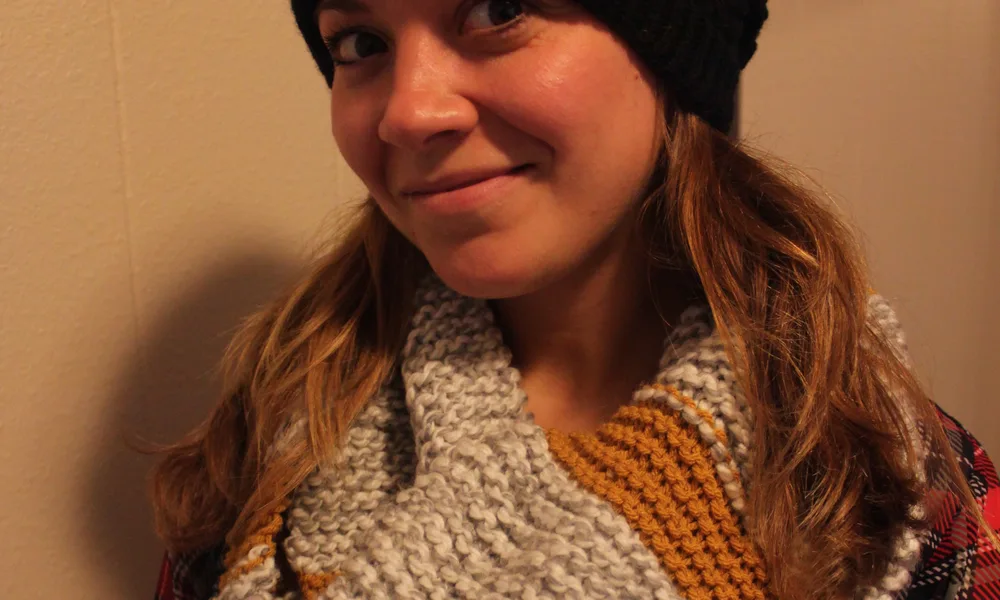
When the temperature drops below freezing, only a chunky knit will do. A thick, loosely knitted wool scarf traps air between its stitches, which is what makes it so warm for its weight, and it looks right with a parka, a puffer jacket or a heavy overcoat. A chunky knit also makes the best first scarf for a man who has never worn one, which is why it sits naturally alongside the cold-weather layers in the best hoodies for men in 2026 as part of a winter outfit that actually keeps you warm.
3. Best luxury: the two-ply cashmere
A two-ply cashmere scarf is the warmest thing you can put around your neck without adding any bulk at all. It folds small enough for a coat pocket, it feels weightless, and it elevates a plain coat more than any other single item. It is also the scarf most likely to be given as a present, which is worth remembering if you are shopping for someone else and browsing the best Christmas gifts for men in 2026 for ideas that feel personal rather than generic.
4. Best for spring and summer: the silk twill
A silk twill scarf is the warm-weather answer. It adds a sharp note of colour to a linen jacket or a plain dress, it knots neatly and stays knotted, and it weighs almost nothing. Choose a bold print rather than a plain colour: silk is where pattern belongs, and a printed silk scarf can carry an outfit on its own.
5. Best everyday: the cotton plaid
The cotton plaid is the scarf you will wear on ordinary days. It is washable, it goes with jeans and a jacket, it costs little, and it does not need careful handling. If you need a present that will actually be used, a good cotton scarf is one of the safest picks among the best gifts under $100 in 2026.
Comparison table
| Scarf type | Material | Best season | Warmth | Care |
|---|---|---|---|---|
| Merino wool classic | Merino wool | Autumn to spring | High | Hand wash cold |
| Chunky knit | Lambswool | Deep winter | Very high | Hand wash cold |
| Two-ply cashmere | Cashmere | Winter, evenings | Very high | Hand wash cold |
| Silk twill | Silk | Spring, summer | Low | Dry clean |
| Cotton plaid | Cotton | All year | Medium | Machine wash |
How to tie a scarf: two knots that cover everything
You only need two knots. The first is the Parisian loop: fold the scarf in half, drape it around your neck, and pull the two loose ends through the loop. It is the warmest knot, it stays put in wind, and it suits chunky knits and cold weather. The second is the simple drape: hang the scarf around your neck with both ends in front, and leave it alone. It is the knot for mild days, for indoors, and for showing off a beautiful silk scarf.
For a tailored coat, keep the knot small and the ends tucked inside the coat, so the collar sits flat. For a casual coat, let the ends hang outside and uneven, one slightly longer than the other, which looks relaxed rather than careless.
Caring for scarves so they stay soft
Wool and cashmere scarves should be washed as rarely as possible: air them outside for a few hours after wearing, and spot clean small marks instead of washing the whole scarf. When you do wash, use cool water and a wool wash, press the water out gently without wringing, and dry the scarf flat on a towel, reshaping it while it is damp.
Silk scarves should be dry cleaned, or hand washed very gently in cool water if the label allows it, and dried away from direct sun, which fades silk faster than almost any other fibre. Cotton scarves are the easy ones: machine wash cold, hang to dry, and iron on a medium setting if you want a crisp edge.

Checklist: buying a scarf that you will actually wear
- Choose the material for the season: wool or cashmere for winter, silk or cotton for warm weather.
- Check the length: 170 to 200 centimetres suits most people and most knots.
- Feel it against your neck, not just your hand: a scarf that itches in the shop will itch every day.
- Hold it up to your coat: it should add colour or texture, not fight with what you already own.
- Check the edges: tightly finished edges last longer than loose fringes that shed.
- Read the care label before buying: if you will not hand wash it, do not buy a hand wash scarf.
Frequently asked questions
What is the warmest scarf material?
Cashmere is the warmest for its weight, followed closely by merino wool and lambswool. A chunky knit in lambswool is the warmest practical choice for deep winter
How long should a scarf be?
For most adults, 170 to 200 centimetres is the most useful length. It allows a Parisian loop with both ends reaching the chest, and a simple drape without trailing.
Can you wear a scarf in summer?
Yes, if it is the right material. A light silk or cotton scarf adds colour and polish without adding warmth Avoid wool in summer: it will be too warm and it will look out of place.
How do I stop my wool scarf from itching?
Choose merino or cashmere, which have much finer fibres than coarse wool and rarely itch. If a scarf still itches, wear it over a collar or a high neckline rather than against bare skin
How often should I wash a scarf?
Wool and cashmere scarves need washing only a few times a season: air them between wears and spot clean marks.
What scarf goes with a black coat?
Almost anything, which is why a black coat is the best reason to own a bold scarf. Camel, burgundy and forest green look classic; a bright mustard or a bold print makes the whole outfit.
The bottom line
The best scarf is the one that matches the season, fits your coat, and feels good against your neck. Start with a merino wool classic in a colour you already wear, add a silk scarf for warm weather and a chunky knit for the coldest days, and learn two knots. That small collection covers every season, and every one of those scarves will earn its place.


