
A scarf is a small thing that does a large job. On a cold morning it is the difference between a comfortable walk and a miserable one, and on a mild day it is the easiest way to finish an outfit. The best scarves of 2026 do both jobs without fuss: they keep you warm, they sit well, and they still look good after a whole winter of wear. The worst scarves do the opposite. They itch, they shed, they lose their shape, and they end up at the back of a drawer by February.
This comparison puts the best scarves of 2026 head to head against the worst, judging them the way you would actually wear them: wrapped tight against a January wind, draped loosely over a coat on a spring afternoon, and stuffed into a bag on a crowded train. We look at warmth, softness, durability, ease of care, and whether a scarf still looks like something you would choose to wear after a season of hard use. The same honest approach sits behind our guide to the best scarves for warmth, style and every season in 2026, which covers the strongest single picks in more detail.
Key Takeaways
- Fibre matters more than price, because a good wool or cashmere scarf outlasts three cheap acrylic ones.
- A scarf should feel soft against your neck on the first wear, not after ten washes.
- Length and width decide how useful a scarf is, since a short scarf cannot be wrapped properly.
- Dark, simple colours earn their keep, while loud patterns date quickly and clash with everything.
- Buy the scarf for the coldest day you will face, not the mildest one.
What Makes a Scarf Good or Bad
A good scarf starts with the fibre. Wool, especially merino and lambswool, traps warm air without weighing you down, and cashmere adds a softness that cheaper fibres simply cannot copy. The best scarves of 2026 are made from honest natural fibres with a tight, even weave, and they keep their shape after being folded, wrapped, and stuffed into coat pockets. The worst scarves are usually thin acrylic that feels plasticky, pills within weeks, and lets the wind straight through.
The second thing that separates good from bad is how the scarf feels and behaves on the neck. A good scarf is soft from the first wear, it drapes without bunching into a thick rope, and it stays where you put it instead of slipping loose every few minutes. A bad scarf itches, it sheds fibres onto a dark coat, and its edges curl or fray. You notice these things within an hour of wearing it, and they never get better with time.
Care is the third test, and it is the one most buyers forget. A good scarf survives gentle washing and comes out looking the same, while a bad one shrinks, felts, or goes baggy after a single wash. The best scarves come with clear care instructions and fibres that forgive the occasional mistake. A scarf that demands dry cleaning every fortnight is a scarf you will stop wearing.
The Best Scarves of 2026
The best scarves of 2026 are mostly the quiet ones, and that is exactly the point. They are the chunky knitted wool scarves in cream, grey, and charcoal that go with any coat, the soft cashmere-blend scarves that fold down small in a bag, and the long woven scarves that wrap twice around the neck on the coldest days. They are not flashy, but they are the scarves their owners reach for every single morning.
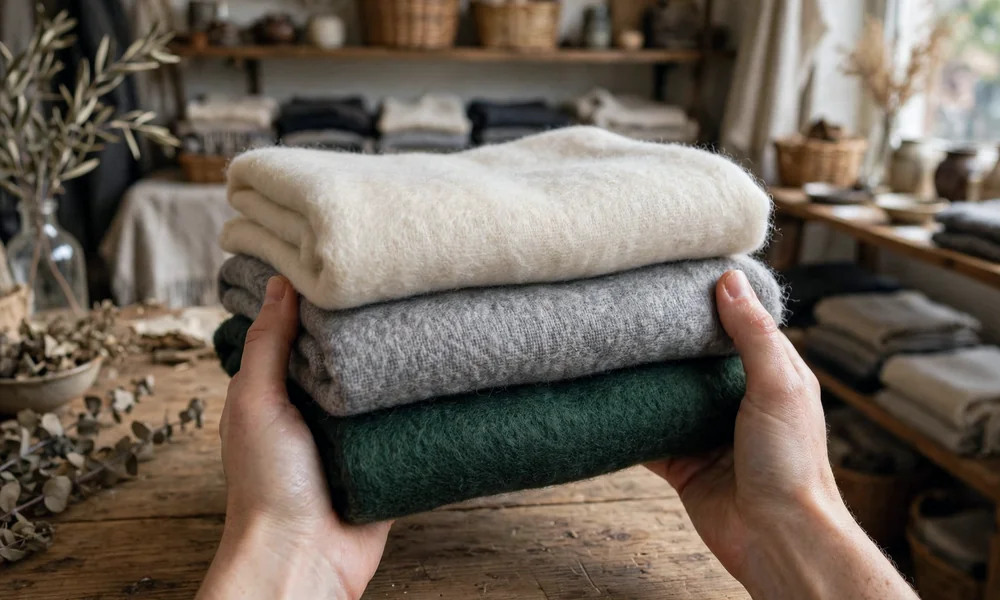
What the best scarves share is a feeling of substance. They have weight without being heavy, their weave is tight and even, and their fringes stay neat instead of unravelling. Their colours are deep and steady rather than bright and brash, so they look as good with a navy coat as they do with a camel one. A good scarf does not try to be the star of the outfit; it makes the whole outfit work.
The Worst Scarves of 2026
The worst scarves of 2026 are not always the cheapest, and that is what makes them so annoying. Some look lovely on a shop rail, with bright colours and a soft-looking finish, but within a few weeks the problems start: the surface pills into little balls, the colour fades unevenly, and the whole thing stretches out of shape. Owners find themselves picking fluff off their coats and wondering why they ever bought it.

Warmth is where many of the worst scarves fail hardest. They are often made from thin, loosely woven acrylic that looks thick in the shop but lets cold air straight through on a real winter day. The scarf ends up as decoration rather than protection, and on a windy morning that is no use at all. A scarf that does not keep you warm has failed at its one essential job, however pretty it looks.
Then there is the itch. Cheap wool blends and rough acrylic can irritate the skin around the neck, and a scarf you cannot bear against your skin is a scarf you will not wear. Some bad scarves also shed constantly, leaving a trail of fibres on every coat and jumper. Comfort is not a luxury in a scarf; it is the whole point.
Wool, Cashmere, Silk, and Chunky Knits
Wool is the workhorse, and the best wool scarves of 2026 are warm, hard-wearing, and easy to live with. Merino is soft enough for most necks, lambswool is warm and slightly sturdier, and a good wool scarf will last for years if it is washed gently. Cashmere is the luxury step up: lighter, softer, and warmer for its weight, but it needs more care and costs far more. A cashmere-blend scarf is a sensible middle ground, with much of the softness at a kinder price.
Silk scarves play a different role altogether. They are light, smooth, and elegant, and they suit mild weather and smarter outfits far better than a chunky knit. A silk scarf will not keep you warm on a freezing day, and it should not be asked to. Chunky knitted scarves, meanwhile, are the cold-weather champions: thick, cosy, and generous in length, they are the ones to reach for when the temperature drops below freezing. The trick is owning the right scarf for the right day, rather than expecting one scarf to do everything.
Warmth, Care, and the Numbers That Actually Matter
Length matters more than most people realise. A scarf of about 180 centimetres can be wrapped twice around the neck with enough left to tuck into a coat, while a short scarf barely manages a single loop. Width matters too: a scarf of 30 centimetres or more can be opened out to cover the chest, which makes a real difference on a windy day. When you try a scarf, wrap it properly and walk around the shop; if it slips or feels tight, it will only annoy you more outdoors.
Washing is where good scarves prove themselves. Hand wash in cool water with a gentle detergent, press out the water without wringing, and dry flat, and a good wool scarf will look the same for years. Never tumble dry a wool or cashmere scarf, and store scarves folded rather than hung, so they do not stretch. The same care applies to the rest of your winter kit, and our guide to the beanies worth wearing all winter in 2026 shows how much difference a well-chosen hat makes alongside a good scarf.

Price is a rough guide but not a guarantee. A well-made wool scarf at a fair price will outlast a fashionable acrylic scarf that costs nearly as much, and the cost per wear is what matters. Divide the price by the number of times you will wear it across two or three winters, and the good scarf is usually the cheaper one. That is the calculation the best scarves win every time.
How to Buy a Scarf Without Regret
The single most useful thing you can do before buying a scarf is to wear it properly in the shop. Wrap it the way you would on a cold day, tuck it into your coat, and walk around for a few minutes. Check that it feels soft against your neck, that it stays put, and that the length lets you wrap it twice. If it itches in the shop, it will itch worse on a windy street, so put it back.
Check the label before you check the price. Look for wool, cashmere, or a blend with a high natural-fibre content, and be wary of scarves that list acrylic first. Feel the weave: it should be tight and even, with no thin patches. And think about the rest of your winter wardrobe too, since a scarf should work with the coat and hat you already own. Our guide to the wool socks that keep feet warm without the itch in 2026 covers the same honest-fibre thinking from the ground up.
Think about storage as well, because a good scarf deserves better than a crumpled heap at the bottom of a drawer. Fold scarves loosely and keep them in a dry drawer with a cedar block or a lavender sachet, which keeps moths away without the harsh smell of mothballs. At the end of winter, wash each scarf gently, dry it flat, and fold it away clean; a scarf put away dirty will come back in spring with stains set and fibres weakened. Look after a good scarf and it will look after you for many winters.
Best vs Worst Scarves at a Glance
| Feature | Best Scarves | Worst Scarves |
|---|---|---|
| Fibre | Wool, cashmere, or high natural-fibre blends | Thin acrylic or rough cheap blends |
| Warmth | Traps warm air and blocks the wind | Lets cold air straight through |
| Comfort | Soft on the neck from the first wear | Itchy, shedding, and irritating |
| Durability | Keeps its shape and colour for years | Pills, fades, and stretches within weeks |
| Length | Long enough to wrap twice around the neck | Too short for a proper wrap |
| Care | Survives gentle washing and dries flat | Shrinks, felts, or goes baggy after one wash |
The Verdict
The best scarves of 2026 are the ones that make winter easier without asking for much in return. They are warm, soft, well made, and honest about what they are: good fibre, a tight weave, and a length that actually works. They do not need to be expensive or flashy; they simply do their job, day after day, in all weathers, with very little fuss.
The worst scarves of 2026 are the ones that demand too much and give too little back: too much itching, too much pilling, and too much of your money spent on something that looks tired within a month. A scarf is a simple thing you rely on every cold day, and when it fails, every walk outside gets a little worse.
So buy with your neck as well as your eyes. Choose natural fibre, check the length, and wear it properly before you pay. Pick a colour that goes with the coat you already own, wash it gently, and fold it away for summer. A good scarf is one of the cheapest comforts winter offers, and it is worth choosing well.


