
A shave should take five minutes and leave your skin feeling calm, smooth, and clean. The best shaving creams of 2026 do exactly that: they cushion the blade, soften the hair, and rinse away without leaving your face tight, dry, or burning. The worst shaving creams do the opposite. They dry out before the blade has finished its work, they sting the moment they touch a nick, and they leave redness that lasts long after the shave is over.
This comparison puts the best shaving creams of 2026 head to head against the worst, judging them the way you would actually use them: on a cold Monday morning when you are in a hurry, on sensitive skin that flares at the slightest provocation, and on a thick beard that needs real softening before the blade goes anywhere near it. We look at cushion, slickness, skin kindness, scent, value, and whether the cream is still pleasant to use when the tub is nearly empty. The same honest approach sits behind our comparison of the best and worst shavers of 2026, because even a good cream cannot save a shave done with a blunt, dragging blade.
Key Takeaways
- Judge a shaving cream by how your skin feels an hour after the shave, not by how rich the lather looks in the bowl.
- Slickness matters more than foam height, because a blade glides on a thin slippery layer, not on a pile of bubbles.
- A cream that stings on unbroken skin will always sting more on a nick, so believe the first tingle and stop using it.
- Fragrance is the most common cause of shaving irritation, and the gentlest creams are usually the plainest smelling ones.
- Buy the cream for your skin and your beard, not for the packaging, because a handsome tub means nothing if the shave hurts.
What Makes a Shaving Cream Good or Bad
A good shaving cream starts with cushion. When you spread it on, it should form a thick, creamy layer that stays put and keeps the blade from scraping directly against the skin. The best creams of 2026 are built around rich, stable lathers that do not collapse or dry out halfway through a shave, and their users report very few nicks and very little redness. The worst creams are often thin and airy, full of foam and empty of protection, so the blade drags and the skin pays for it.
The second thing that separates good from bad is slickness. A good cream leaves a slippery film on the skin even after the first pass of the blade has taken most of it away, so a second pass does not feel like shaving dry skin. A bad cream disappears completely after one stroke, and the next pass catches, pulls, and burns. You notice slickness most on the neck, where the hair grows in several directions and the skin is at its thinnest.
Skin kindness is the third test, and it is the one most buyers underestimate. A shaving cream sits on freshly scraped skin for several minutes, so anything harsh in it has plenty of time to irritate. The best creams are gentle, with soothing ingredients and little or no added fragrance, and they leave the skin feeling soft rather than stripped. The worst are loaded with strong scent, drying alcohols, and menthol that feels bracing for ten seconds and burning for ten minutes.
The Best Shaving Creams of 2026
The best shaving creams of 2026 are mostly the quiet, unglamorous ones, and that is exactly the point. They are the rich creams that lather easily with a brush or with the fingers, that smell of almost nothing, and that leave the skin feeling calm and moisturised after the rinse. They are not the cheapest creams on the shelf, but they are the ones their users would buy again tomorrow.

What the best creams share is a feeling of protection. The lather is dense and creamy rather than light and bubbly, it does not dry on the face while you shave the other side, and the blade moves through it without catching. Their ingredients are chosen for skin as much as for shaving: glycerine and natural oils that keep moisture in, and soothing agents that calm the skin as you work.
The Worst Shaving Creams of 2026
The worst shaving creams of 2026 are not always the cheapest, and that is what makes them so frustrating. Some look smart on the shelf and come with a bold scent and a long list of claims, but within a few shaves the problems start: a lather that vanishes before the blade has finished, a burning feeling on the neck, and redness that does not fade until lunchtime.

Drying out is where many of the worst creams fall down hardest. They are often made with cheap foaming agents that produce a tall, impressive lather that collapses within a minute, leaving the skin exposed and the blade dragging. On a longer shave the second half of the face is shaved almost dry, and the result is razor burn, bumps, and ingrown hairs that take days to settle.
Then there is the scent. The worst creams are often drenched in strong fragrance that smells fine in the shop and stings on freshly shaved skin. Some add heavy menthol or alcohol for a cold, bracing feeling that is really just irritation in disguise. A cream that makes your eyes water when you open the tub is not refreshing: it is telling you something about what is inside it.
Creams, Gels, Foams, and Soaps: Which Format Wins
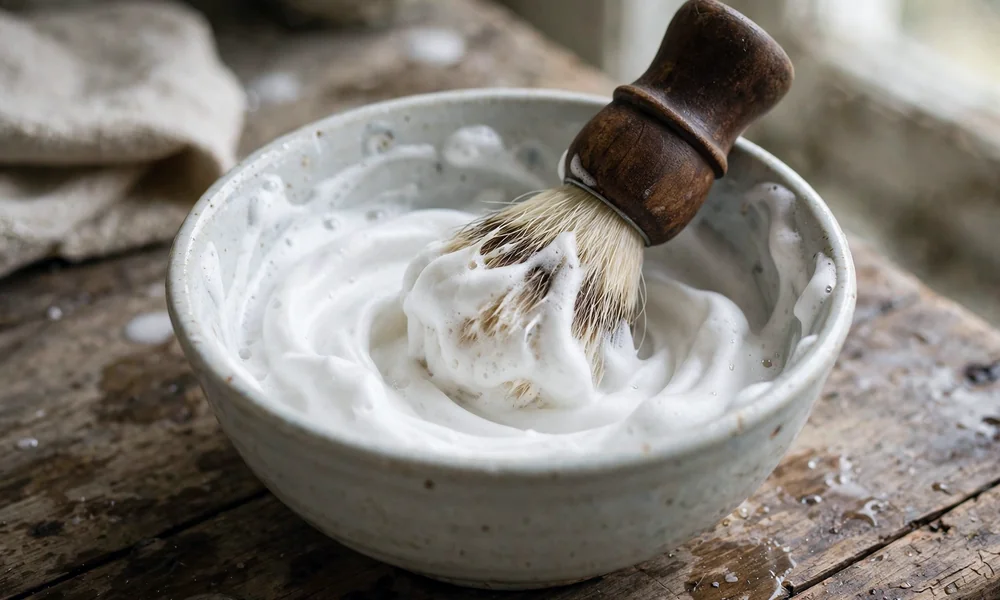
Traditional shaving creams win for comfort, and it is not close. A proper cream, worked into a lather with a brush or the hands, gives the thickest cushion and the best slickness, and it lets you control how much water goes in. The best creams of 2026 are surprisingly easy to use, with a small amount producing a rich lather in seconds. Their weakness is speed: they take a few moments longer than a can of foam, and they need a brush or wet hands to work properly.
Gels are the middle ground, and the best of them are now very good. They come out clear, so you can see exactly where you are shaving, which helps with shaping a beard or cleaning up around the sideburns. A good gel is slick and protective, and it suits a quick morning shave.
Foams from a can are the fastest option, but they are also the weakest. A canned foam is mostly air, and it dries out faster than any other format, so the protection it offers is thin and short lived. Shaving soaps are a separate question, and they reward patience with the richest lather of all, though they demand a brush and a little practice. The same care applies to the rest of the routine, and our comparison of the best and worst shampoos of 2026 shows how much difference a good formula makes to skin and hair alike.
Skin Types, Sensitivity, and the Ingredients That Matter
Sensitive skin needs the plainest cream you can find, and that is a rule worth following even if your skin is not usually troublesome. Fragrance free creams with glycerine, aloe, and natural oils are the safest choice, and they suit almost everyone. If a cream lists fragrance near the top of its ingredients, or if it promises a cooling blast, treat it with suspicion until your skin has proved otherwise.
Dry skin needs a cream that leaves moisture behind, not one that strips it away. The best creams for dry skin feel almost like a light moisturiser when you rinse them off, and the face does not feel tight afterwards. Oily skin, by contrast, suits a lighter cream that rinses completely clean, though even oily skin needs protection from the blade, so do not reach for the thinnest foam you can find.
Thick, coarse beards need a cream that softens the hair before the blade arrives. A rich cream left on the face for a minute or two does more softening than any amount of pressure from the razor, and it is the single easiest way to cut down on tugging and ingrown hairs. A brush helps here too, lifting the hairs and working the cream down to the skin. The same attention to gentle cleansing matters elsewhere, and our comparison of the best and worst face washes of 2026 explains which ones clean without stripping the skin.
How to Shave Without Irritation
The single most useful thing you can do before shaving is to wash your face with warm water. Warm water softens the hair and opens the skin, and a shave on a clean, damp face is always kinder than a shave on a dry one. Shaving after a shower is ideal, because the steam has already done half the work for you.
Shave with the grain first, using short, light strokes and no pressure at all. The weight of the razor is enough: pressing down is what causes nicks, burn, and ingrown hairs. Rinse the blade often, and if you need a second pass, reapply a thin layer of cream first rather than shaving over bare skin. The neck deserves extra care, because the hair there grows in several directions and the skin is thin.
Finally, rinse with cool water and pat the skin dry instead of rubbing it. A plain, fragrance free moisturiser or a gentle after shave balm will calm the skin far better than a stinging splash of alcohol. If a cream leaves you red or sore every time you use it, stop using it: no cream is worth a sore face, however much it cost.
Best vs Worst Shaving Creams at a Glance
| What to judge | The best creams | The worst creams |
|---|---|---|
| Lather | Thick, dense, and stable for the whole shave | Tall and airy, then gone within a minute |
| Slickness | Blade glides, even on a second pass | Blade drags and catches after one stroke |
| Skin feel | Calm, soft, and moisturised after rinsing | Tight, red, stinging, or burning |
| Fragrance | Very mild or none at all | Strong, heavy, or sharply mentholated |
| Value | Concentrated, so a little lasts for months | Used up quickly, or pricey for what it does |
| Packaging | Dispenses cleanly to the last drop | Clogs, leaks, or stops working halfway |
The Verdict
The best shaving creams of 2026 are the ones that make shaving feel easy and leave your skin calm afterwards. They are thick, slick, gentle, and honest, and they protect your face without asking for much in return. They do not need a loud scent or a fancy tub: they simply work, morning after morning, with very little fuss.
The worst shaving creams of 2026 are the ones that demand too much and give too little back: too much stinging, too much redness, and too much of your morning spent dealing with a lather that vanished before the shave was done. A shaving cream is a tool you press against freshly scraped skin every day, and when that tool fails, your whole face knows about it.
So buy with your skin in mind as well as your wallet. Choose a cream that stays slick and gentle from the first stroke to the last, skip anything that stings on unbroken skin, and give a new cream a fair trial of a week before you judge it. Your face will tell you the truth faster than any advertisement ever will.


